
Vitals/Immunity
Right Side Chest Pain: What It Can Mean, Why It Happens, and When to Worry
2026-01-28
3 min

2026-08-08 • 5 min read
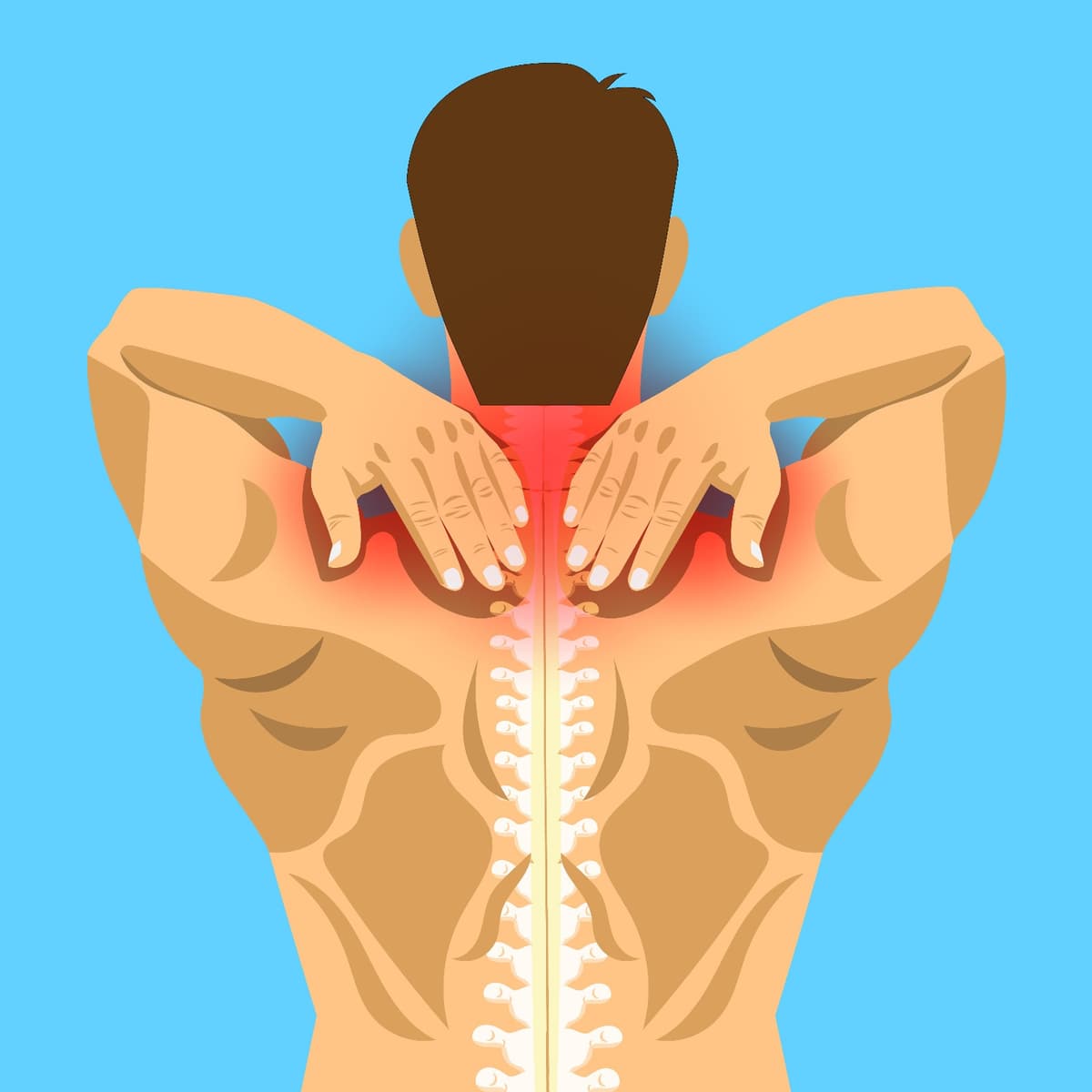
If you have been searching how to cure cervical spondylosis permanently, you have probably already tried a couple of painkillers, watched a stiff neck quietly shrink your world, and wondered whether surgery is coming for you next. Here is the honest answer, the one people are rarely told plainly: cervical spondylosis cannot be reversed, because it is age-related wear on the bones and discs of your neck. What it can do is go quiet. So quiet that the pain, the stiffness, and the worry that trails behind them fade into the background of a normal, active day.
That is the target worth chasing. Not a magic permanent cure, but permanent control. At Reset we think about recovery the same way: treat the whole picture, keep the body moving well, and give your mind one less thing to flinch at. This guide walks through the science of why your neck hurts, the honest truth about what "cure" means for a degenerative condition, and the practical steps you can start today to take your neck back.
Break the word in half and it explains itself. "Cervical" means your neck. "Spondylosis" means the spine is wearing down. Put together, it describes the ordinary wear and tear that builds up in the seven small bones of your neck and the soft, rubbery discs that cushion them. The NHS is blunt about how common this is: most people over 40 develop some degree of cervical spondylosis simply as part of getting older, and plenty of them never feel a thing (NHS).
The mechanics are unglamorous. Over the years the discs lose water and flatten a little, the joints roughen where they meet, and small bony ridges called osteophytes can form along the edges. Cleveland Clinic groups all of these changes under the same everyday heading of "wear and tear" to the spine in your neck (Cleveland Clinic). None of it is an infection. None of it happened overnight. It is your neck showing its mileage, the way knees and hips do.
Here is what separates a neck that simply looks worn on a scan from one that actually hurts.
This distinction matters. Many people panic when a scan report reads like a list of damage, but the NHS notes that a lot of adults over 40 show these signs and have no symptoms at all, which is why scans are often unnecessary and rarely change the plan (NHS inform).
So can it be cured permanently? In the strict sense of turning back the clock on worn discs and joints, no. Cleveland Clinic puts it in six plain words: there is no cure, but treatment can keep it from getting worse (Cleveland Clinic). Any product or clinic promising to permanently erase a degenerative condition is selling you something, and Google and Meta increasingly treat those claims as a red flag.
But read that sentence again, because the second half is the hopeful part. Being diagnosed does not sentence you to permanent neck pain. NHS Scotland says exactly that: a diagnosis of cervical spondylosis does not mean you will hurt forever, and there is a great deal you can do to settle the symptoms (NHS inform). Realistic remission looks like mostly good days, the occasional flare you know how to handle, and a life that no longer bends itself around your neck.
Pain from cervical spondylosis usually comes from one of a few places, and knowing which one helps you treat the cause instead of chasing the ache. When discs flatten, the small facet joints behind them take more load and can become sore and inflamed. When an osteophyte or a bulging disc narrows the space a nerve travels through, that nerve gets irritated, which is why the pain sometimes shoots into a shoulder, an arm or a hand. And whenever the neck feels unsafe, the surrounding muscles tighten to guard it, which adds a second, purely muscular layer of stiffness on top of everything else.
Modern life pours fuel on all of this. Hours hunched over a laptop, a phone tilted down at the dinner table, a pillow that throws your neck into a strange angle for eight hours a night. None of these caused the underlying wear, but each one loads the joints that are already sensitive. If you want the full breakdown of what triggers a flare and what settles it fastest, our guide on cervical causes, relief and what works fast goes deeper.
Long-term control is built from small, repeatable habits rather than one dramatic fix. Here is where to put your energy.
The single most useful thing you can do is refuse to freeze up. The NHS is clear that gentle movement is safe, that it boosts blood flow to the tissues and helps them heal, and that being afraid to move tends to make the pain worse over time (NHS inform). Slow neck turns, gentle tilts, easy shoulder rolls. It may feel stiff for the first minute and then ease. Do a little, often, rather than a lot, once.
Raise your screen so the top of it sits near eye level. Pull your chair in so you are not craning forward. Take a genuine break every half hour or so, even if it is just standing up and looking across the room. At night, aim for a pillow that keeps your neck roughly level with your spine rather than propped up or dropped down. These are dull changes, and they do more for lasting relief than almost anything you can buy.
Flares happen, and having a plan takes the fear out of them. Heat or ice on the neck can ease a bad patch, though NHS Scotland warns to always use a towel as a barrier and never put either straight on the skin (NHS inform). A topical pain gel can take the edge off a stiff, sore neck so you can keep moving, which is the whole point. Short courses of over-the-counter painkillers have their place too, mainly to help you stay active rather than to fix anything.
Once a flare settles, gentle strengthening for the neck and upper back gives those worn joints better support, and this is where physiotherapy earns its keep. Stress matters more than people expect, because a tense mind quietly clenches the shoulders. Consistency beats intensity every time. Ten honest minutes most days will outperform a heroic hour you do once and abandon.
If you like a plan you can actually follow, here is the same advice sorted by timeframe.
A topical gel will not rebuild a disc, and we would never pretend otherwise. What it can do is quiet the surface pain and stiffness during a flare so you can keep doing the movement and posture work that actually protects your neck over the long run. That is the honest role it plays in the plan above.
Reset Ultra Potent Gel is the most concentrated formula in our pain-relief range, built for the deeper, more stubborn stiffness that lighter products skate over. It leans on seven Ayurvedic herbs, each with a long track record in traditional pain care, and uses a nanotechnology delivery so the actives reach past the skin surface into the tissue underneath. Wintergreen carries methyl salicylate, a natural analgesic, while Boswellia serrata is valued for calming the swelling and puffiness around irritated joints.
Using it is simple. Apply to clean, dry skin over the sore neck or upper back, spread it evenly, and let it absorb. Two or three times a day is plenty. Keep it away from broken skin, cuts and the eyes. For readers who prefer a herbal-first route to managing symptoms, our overview of the best Ayurvedic treatment for cervical spondylosis is a good companion read.
Most cervical spondylosis is safe to manage at home. A few symptoms are not, and they are worth memorising. See a doctor promptly if you develop numbness, weakness or a weaker grip in an arm or hand, pins and needles that will not settle, new problems with balance or walking, or any change in bladder or bowel control. The NHS flags these as signs that the nerves or spinal cord may be under pressure, which needs proper assessment rather than a heat pack (NHS). Sudden dizziness or blackouts when you turn your head also deserve a check.
For a wider walk through symptoms and the fastest at-home relief methods, see our guide to neck pain: symptoms, causes, home care and fastest relief.
•Cervical spondylosis is age-related wear on the neck, so it cannot be permanently cured or reversed.
•It can be controlled so well that most days feel normal, which is the realistic goal.
•Gentle, regular movement is the most protective habit, and staying afraid to move makes pain worse.
•Posture, screen height and a good sleep angle do more for lasting relief than any single purchase.
•Topical relief like Reset Ultra Potent Gel eases a flare so you can keep up the movement that matters.
•Numbness, weakness, balance or bladder changes mean see a doctor, not self-manage.
Can cervical spondylosis be cured permanently?
No, not in the sense of reversing the wear on your discs and joints. But it can be controlled long-term, with symptoms settling to the point where many people live active, largely pain-free lives (Cleveland Clinic).
How can I get relief at home?
Keep the neck gently moving, fix your screen and sleep posture, use heat or ice with a towel barrier during a flare, and apply a topical pain gel to sore areas so you can stay active.
What are the best exercises for cervical spondylosis?
Slow neck turns, gentle side tilts, chin tucks and shoulder rolls are a safe starting point. The NHS recommends keeping the neck moving, and a physiotherapist can tailor a routine to your neck (NHS).
How should I sleep with cervical spondylosis?
Aim for a pillow that keeps your neck roughly level with the rest of your spine, rather than one that props your head too high or lets it drop. Back or side sleeping usually suits the neck better than sleeping on your front.
Does Ayurvedic or topical treatment help?
Topical herbal gels do not repair the spine, but they can ease surface pain and stiffness during a flare, which helps you keep up the movement and posture work that protects the neck over time.
When is surgery needed?
Rarely. Surgery is generally reserved for cases with significant nerve or spinal cord compression, such as ongoing weakness, numbness or balance problems, when conservative care has not helped. Most people never need it.
NHS, Cervical spondylosis: nhs.uk/conditions/cervical-spondylosis
NHS inform (NHS Scotland), Cervical spondylosis: nhsinform.scot
Cleveland Clinic, Cervical spondylosis: my.clevelandclinic.org
Share this article:
A 2X more powerful formula for enhanced relief.

₹799.00
₹794.00
An easy to apply potent formula with roll-on massager

₹549.00
₹449.00
Detox your body today with powerful herbs.

₹929.00
₹749.00
| Feature | A normal ageing neck | Symptomatic cervical spondylosis |
|---|---|---|
| Disc condition | Gradually drier and flatter, no pain | Flattened discs plus irritation or nerve pressure |
| On an X-ray or MRI | Wear visible, often silent | Wear visible and matched to real symptoms |
| What you feel | Little or nothing | Neck ache, stiffness, sometimes arm or head pain |
| Everyday impact | None | Turning, sleeping and desk work become harder |
| The "permanent cure" myth | What long-term control actually gives you |
|---|---|
| Reverses ageing in the spine | Slows further wear and protects what you have |
| One treatment fixes it forever | A steady routine keeps symptoms quiet |
| Promises zero pain, always | Mostly pain-free days, manageable flares |
| Sold as a quick miracle | Built on movement, posture and consistency |
| Today | This month | Ongoing |
|---|---|---|
| Gentle neck turns and tilts | Set up an eye-level screen | Regular strengthening or physio |
| Raise your screen, sit back | Sort out your pillow and sleep angle | Keep stress and tension in check |
| Heat or ice with a towel barrier | Build in movement breaks | Stay active and consistent |
| Topical relief for a sore patch | Notice your personal flare triggers | Review with a doctor if it changes |
| Ingredient | Traditional role in the formula |
|---|---|
| Wintergreen leaf | Methyl salicylate, a natural pain reliever |
| Menthol (Mentha piperita) | Cooling sensation that eases soreness |
| Neelgiri (Eucalyptus) | Warming, comforting on stiff muscles |
| Nirgundi (Vitex negundo) | Long used in Ayurveda for joint comfort |
| Camphor | Adds to the soothing, cooling effect |
| Boswellia serrata | Traditionally eases joint swelling |
| Ajmoda (celery seed) | Supports the herbal pain-relief blend |

