Biotin Gummies
dose of radiance for skin and hair

₹439.00
4.5

2026-02-16 • 4 min
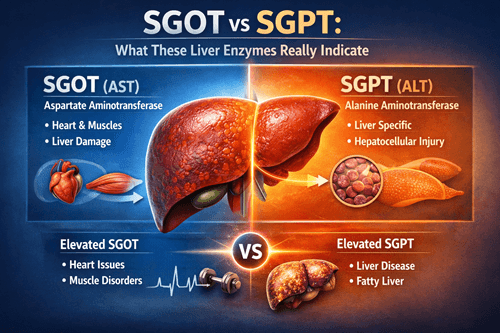
SGOT and SGPT are two critical liver enzymes that serve as important indicators of liver health and function in routine medical assessments. These enzymes, also known as AST (Aspartate Aminotransferase) and ALT (Alanine Aminotransferase) respectively, play vital roles in amino acid metabolism within liver cells. When liver cells experience damage or stress, these enzymes leak into the bloodstream, making elevated levels a potential signal for healthcare providers to investigate liver wellness further. Understanding what normal and elevated SGOT and SGPT levels mean, combined with lifestyle choices like balanced nutrition and natural support from Reset Detox Candy with Kalmegh and Manjishta extracts, empowers individuals to take proactive steps toward maintaining optimal liver function and long-term metabolic health.
SGOT (Serum Glutamic-Oxaloacetic Transaminase) and SGPT (Serum Glutamic-Pyruvic Transaminase) are enzymes primarily found in liver cells, though they also exist in other organs like the heart, kidneys, and muscles. These enzymes facilitate the transfer of amino groups between amino acids, playing essential roles in protein metabolism and energy production within cells.
SGOT, also known as AST, is found in higher concentrations in the liver, heart, skeletal muscles, and kidneys. Because it's present in multiple organs, elevated SGOT levels may indicate issues in various body systems, not exclusively the liver. This is why healthcare providers often look at SGOT in combination with other markers to pinpoint the source of elevation.
SGPT, also known as ALT, is more liver-specific. While small amounts exist in the kidneys and heart, SGPT is predominantly concentrated in liver cells. This makes SGPT a more specific marker for liver health. When SGPT levels rise significantly, it typically indicates liver cell damage or stress, making it a valuable diagnostic tool for liver-related conditions.
In healthy individuals, these enzymes remain within liver cells, performing their metabolic functions. However, when liver cells are damaged—whether from viral infections, excessive alcohol consumption, fatty liver disease, medication effects, or other causes—the cell membranes become compromised, allowing these enzymes to leak into the bloodstream. Blood tests can then detect these elevated enzyme levels, alerting healthcare providers to potential liver concerns.
The ratio between SGOT and SGPT can also provide diagnostic insights. A higher SGOT-to-SGPT ratio may suggest certain conditions, while a lower ratio may indicate others. Healthcare professionals use these patterns, along with other clinical information and tests, to form a comprehensive picture of liver health and guide appropriate interventions.
Understanding normal ranges for SGOT and SGPT helps individuals interpret their liver function test results more meaningfully. However, it's important to note that normal ranges can vary slightly between laboratories based on testing methods, equipment, and reference populations. Always consult with healthcare professionals to interpret results in the context of individual health circumstances.
For SGOT (AST), typical normal ranges are generally between 10-40 units per liter (U/L) for adults, though some laboratories may use slightly different reference ranges. Values within this range typically indicate that liver cells are intact and functioning normally, with minimal enzyme leakage into the bloodstream.
For SGPT (ALT), normal ranges typically fall between 7-56 U/L for adults, though again, this can vary by laboratory. Men often have slightly higher baseline SGPT levels than women. Values within the normal range suggest healthy liver cell integrity and proper liver function.
It's worth noting that 'normal' doesn't necessarily mean 'optimal.' Some research suggests that even values in the higher end of the normal range may correlate with increased metabolic risk. Additionally, normal ranges don't account for individual variations in body composition, age, ethnicity, and other factors that might influence enzyme levels.
When both SGOT and SGPT levels fall within normal ranges, it generally indicates that the liver is functioning well without significant cell damage. However, liver health is multifaceted, and normal enzyme levels don't rule out all liver conditions. Some chronic liver diseases can progress while enzyme levels remain relatively normal, which is why comprehensive liver assessment often includes additional tests and clinical evaluation.
Trending is also important. Even if values remain within normal ranges, significant changes over time warrant attention. For instance, if someone's SGPT consistently sits at the lower end of normal and suddenly jumps to the higher end (while still technically normal), healthcare providers may investigate potential causes. This is why baseline testing and periodic monitoring can be valuable for those with risk factors for liver disease.
Elevated SGOT and SGPT levels indicate that liver cells are experiencing stress or damage, causing enzymes to leak into the bloodstream. The degree of elevation, the pattern of elevation, and which enzymes are affected all provide clues about the underlying cause and severity of liver concerns.
Mild elevations, typically 1-3 times the upper limit of normal, can result from numerous factors including fatty liver disease (one of the most common causes), certain medications, recent alcohol consumption, or temporary conditions. These elevations may not cause symptoms and are often discovered during routine blood work. While mild elevations warrant attention and lifestyle modification, they don't necessarily indicate severe liver damage.
Moderate to severe elevations, ranging from 3-10 times normal or higher, suggest more significant liver cell damage. Possible causes include viral hepatitis, autoimmune liver diseases, medication-induced liver injury, or acute liver conditions. These levels typically require prompt medical evaluation to identify the cause and initiate appropriate treatment.
The pattern of elevation matters. When SGPT is elevated more than SGOT, it often suggests conditions like non-alcoholic fatty liver disease or chronic viral hepatitis. Conversely, when SGOT is elevated more than SGPT (particularly with a ratio greater than 2:1), it may indicate alcohol-related liver disease or cirrhosis. However, these are general patterns, and healthcare providers consider the complete clinical picture.
It's important to understand that elevated enzymes indicate liver cell damage but don't automatically mean permanent liver disease. Many causes of enzyme elevation are reversible with appropriate interventions. For instance, weight loss can normalize enzymes in fatty liver disease, stopping hepatotoxic medications can reverse drug-induced elevations, and treating viral hepatitis can reduce enzyme levels.
Single elevated readings should typically be confirmed with repeat testing, as temporary elevations can occur from intense exercise, recent illness, or laboratory variability. Persistent or progressive elevations require thorough medical evaluation, including additional liver function tests, imaging studies, and possibly liver biopsy, depending on clinical circumstances.
Numerous lifestyle factors directly influence SGOT and SGPT levels. Understanding these factors empowers individuals to make choices that support healthy liver enzyme balance and overall liver wellness.
Diet and nutrition
Dietary choices profoundly impact liver health and enzyme levels. Diets high in refined carbohydrates, added sugars, and unhealthy fats contribute to fat accumulation in the liver (fatty liver disease), one of the most common causes of elevated liver enzymes. Conversely, diets rich in vegetables, fruits, whole grains, lean proteins, and healthy fats support liver function and help maintain normal enzyme levels.
Specific nutrients support liver enzyme balance. Antioxidants from colorful fruits and vegetables help protect liver cells from oxidative stress. Omega-3 fatty acids from fish and flaxseeds may help reduce liver fat. Fiber from whole grains and vegetables supports healthy metabolism and helps prevent fat accumulation in the liver.
Alcohol consumption
Alcohol directly affects liver enzyme levels. Even moderate alcohol consumption can cause temporary enzyme elevations in some individuals. Chronic heavy drinking leads to alcoholic liver disease, characterized by significant and persistent enzyme elevations. The liver metabolizes alcohol, and excessive consumption creates toxic byproducts that damage liver cells, causing enzyme leakage into the bloodstream.
Body weight and physical activity
Excess body weight, particularly abdominal obesity, strongly correlates with elevated liver enzymes due to fatty liver disease. Weight loss, even modest amounts, can significantly reduce liver fat and normalize enzyme levels. Regular physical activity supports healthy liver function by improving insulin sensitivity, reducing inflammation, and helping maintain healthy weight.
Medications and supplements
Certain medications can affect liver enzyme levels. Some commonly used medications, including certain pain relievers, cholesterol medications, and antibiotics, may cause temporary enzyme elevations in some individuals. Even herbal supplements and vitamins, when used inappropriately or in excess, can affect liver enzymes. Always inform healthcare providers about all medications and supplements being taken.
Sleep and stress
Inadequate sleep and chronic stress can negatively impact liver health and enzyme levels. Poor sleep quality has been associated with fatty liver disease and metabolic dysfunction. Chronic stress affects hormones and inflammation, which can indirectly influence liver function. Prioritizing quality sleep and stress management supports overall liver wellness.
While medical supervision is essential for anyone with elevated liver enzymes, natural approaches can complement medical care and support healthy liver function. These approaches focus on lifestyle modifications and traditionally used ingredients that support the liver's natural processes.
Dietary modifications form the foundation of natural liver enzyme support. Emphasizing whole foods, reducing processed foods and added sugars, increasing vegetable and fruit intake, and choosing healthy fats helps reduce liver fat and inflammation. The Mediterranean diet pattern, rich in vegetables, fruits, whole grains, fish, and olive oil, has been associated with improved liver health markers.
Traditional herbs have been used for centuries to support liver wellness. Kalmegh (Andrographis paniculata), Manjishta (Rubia cordifolia), Punarnava (Boerhavia diffusa), Guduchi (Tinospora cordifolia), and Daru Haldi (Berberis aristata) are examples of herbs traditionally recognized in Ayurvedic medicine for their liver-supporting properties. These herbs are often formulated together for synergistic benefits.
Comparison: Reset Detox Candy vs Conventional Liver Medications
Reset Detox Candy offers a natural, convenient approach to maintaining healthy liver enzyme levels through daily wellness support, complementing a balanced lifestyle without the complexity of conventional medications.
Reset Detox Candy offers a convenient way to incorporate these traditionally used herbs into daily routines. The chewable candy format makes liver wellness support accessible and easy to maintain consistently, which is essential for seeing benefits over time. By combining Kalmegh, Manjishta, and other supportive ingredients, it provides comprehensive natural support for liver health when used as part of a balanced lifestyle.
Hydration plays a crucial role in liver function and toxin elimination. Adequate water intake supports the liver's detoxification processes and helps maintain healthy enzyme levels. Herbal teas like green tea, dandelion tea, and milk thistle tea may provide additional liver-supportive compounds while contributing to daily fluid intake.
Regular physical activity supports liver health through multiple mechanisms. Exercise helps reduce liver fat, improves insulin sensitivity, reduces inflammation, and supports healthy weight maintenance. Both aerobic exercise and resistance training offer benefits for liver health. Even moderate activities like brisk walking can make a meaningful difference when done consistently.
Consistency is key with natural approaches. While dramatic short-term interventions rarely provide lasting benefits, sustainable lifestyle changes practiced consistently over time can significantly improve liver enzyme levels and overall liver health. This is why convenient, enjoyable options like detox candy can be valuable—they make consistency easier to achieve.
What is the difference between SGOT and SGPT?
SGOT (AST) is found in multiple organs including liver, heart, muscles, and kidneys, while SGPT (ALT) is more liver-specific. This makes SGPT a more specific indicator of liver health, though both enzymes together provide valuable diagnostic information about liver function and cell integrity.
What are normal SGOT and SGPT levels?
Normal SGOT typically ranges from 10-40 U/L and SGPT from 7-56 U/L, though reference ranges vary by laboratory. It's important to consult healthcare providers to interpret results in individual context, as factors like age, gender, and overall health can influence what's considered optimal.
What causes elevated SGOT and SGPT levels?
Elevated levels can result from fatty liver disease, viral hepatitis, alcohol consumption, certain medications, autoimmune conditions, or other liver stresses. The degree and pattern of elevation, combined with other clinical information, help healthcare providers identify the underlying cause and appropriate interventions.
Can lifestyle changes reduce elevated liver enzymes?
Yes, many causes of elevated liver enzymes respond well to lifestyle modifications. Weight loss, improved diet, regular exercise, reduced alcohol consumption, and adequate sleep can significantly reduce enzyme levels, particularly when elevations are due to fatty liver disease or metabolic factors. Natural support from herbs in products like Reset Detox Candy can complement these lifestyle changes.
How does Reset Detox Candy support liver health?
Reset Detox Candy contains traditionally used Ayurvedic herbs like Kalmegh and Manjishta that have been recognized for supporting liver function and promoting healthy detoxification processes. When combined with balanced nutrition, hydration, and healthy lifestyle habits, it provides convenient daily support for maintaining liver wellness and balanced enzyme levels.
When should I consult a doctor about liver enzymes?
Consult healthcare providers if you have elevated liver enzyme levels, particularly if levels are significantly elevated or progressively increasing. Also seek medical advice if you experience symptoms like fatigue, abdominal pain, jaundice, or unexplained weight loss. Professional evaluation helps identify underlying causes and determine appropriate treatment approaches.
• SGOT and SGPT are essential liver enzymes that serve as important markers of liver health, with SGPT being more liver-specific than SGOT.
• Elevated enzyme levels indicate liver cell stress or damage and can result from various factors including fatty liver disease, alcohol, medications, and viral infections.
• Lifestyle modifications including balanced nutrition, weight management, regular exercise, and reduced alcohol consumption can significantly support healthy liver enzyme levels.
• Traditional Ayurvedic herbs like Kalmegh and Manjishta, available in convenient formats like Reset Detox Candy, provide natural support for liver wellness when combined with healthy lifestyle practices.
Share this article:
dose of radiance for skin and hair
₹439.00
A dose of immunity and goodness with a tangy twist

₹439.00
₹419.00
Dose of goodness for a healthy gut and weight management

₹529.00
₹499.00
Enhance the quality of sleep and focus with a flavourful dose

₹489.00
| Aspect | Reset Detox Candy (Natural) | Conventional Liver Medications |
|---|---|---|
| Formulation | Five potent Ayurvedic herbs (Kalmegh, Manjishta, Punarnava, Guduchi, Daru Haldi) | Synthetic compounds or isolated extracts for targeted therapeutic effects |
| Purpose | Daily wellness support for healthy liver enzyme balance and natural detox processes | Treatment of diagnosed liver conditions, significantly elevated enzymes |
| Approach | Holistic support working with body's natural detoxification mechanisms | Targeted intervention for specific liver pathologies or enzyme abnormalities |
| Side effects | Minimal; gentle on digestive system, suitable for daily use | May include digestive upset, drug interactions, require medical monitoring |
| Usage pattern | 2-3 times daily after meals as ongoing wellness support | Prescribed schedule based on condition severity; requires healthcare supervision |
| Format | Convenient chewable candy - no water needed, easy to carry | Tablets, capsules, syrups requiring water and specific timing |
| Best for | Health-conscious individuals seeking natural liver wellness support | Diagnosed liver conditions requiring medical intervention |