
Neck Pain On Left Side – symptoms, causes, home care and fastest relief methods
2026-02-21 • 4 min read
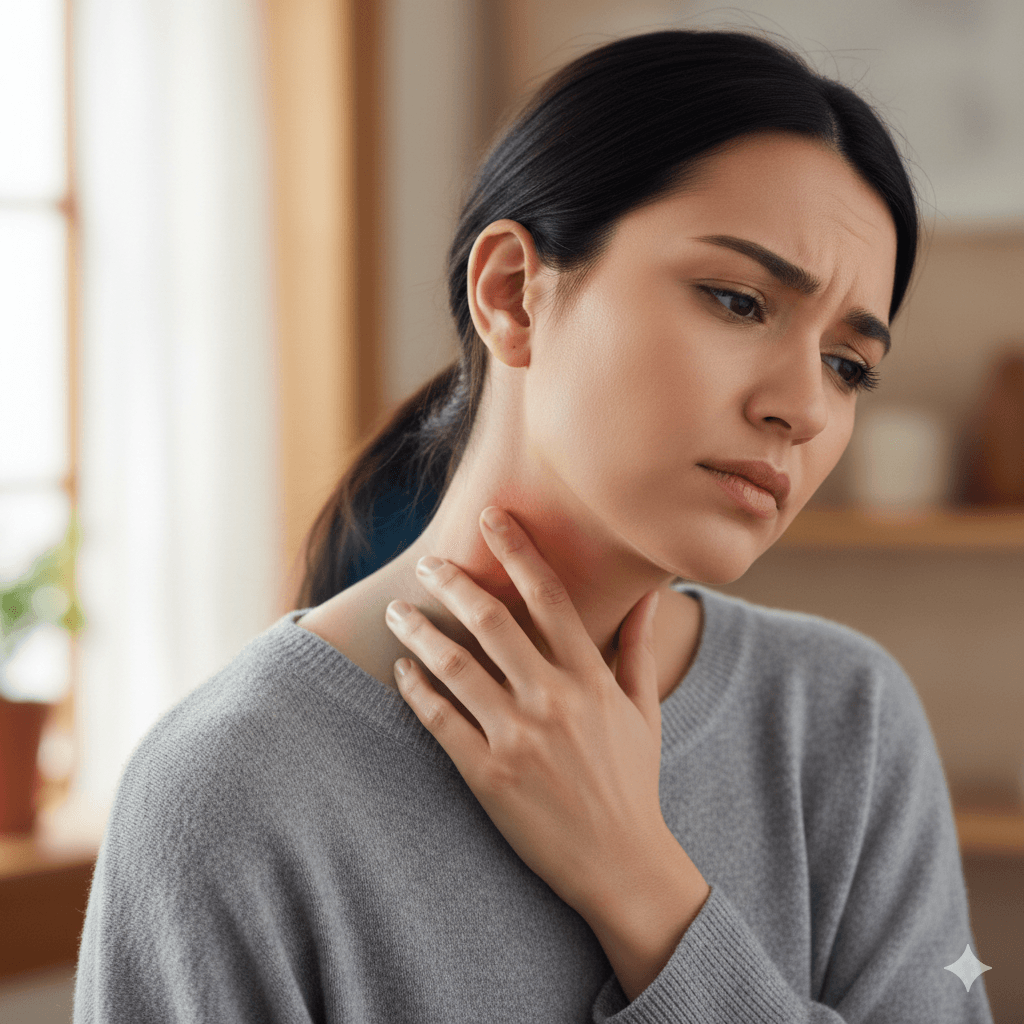
You woke up fine. Now, halfway through your morning, a sharp, nagging ache is anchoring itself to the left side of your neck — and it's not going away. Sound familiar?
Neck pain on the left side is one of the most common physical complaints in today's world — and for good reason. Between long hours at desks, phones glued to our hands, high-stress schedules, and too-little sleep on the wrong pillow, our necks are quietly bearing the brunt of modern life.
At Reset, we believe your body is your most important asset. When it sends you a signal — like that persistent ache on the left side of your neck — it deserves more than a quick fix. It deserves understanding. Because knowing why something hurts is the first step to healing it right.
This guide breaks down everything you need to know about neck pain on the left side: what's causing it, what symptoms to watch for, and — most importantly — the fastest, most effective ways to find relief today.
What Is Left-Side Neck Pain? (And Why Does It Feel Different?)
Is Left-Side Neck Pain Different From General Neck Pain?
Not all neck pain is created equal. When pain localises to just the left side of your neck, it usually points to something specific — a particular muscle group, nerve pathway, or underlying condition rather than generalised tension. This distinction matters, because targeted pain calls for targeted care.
Left-sided neck pain can feel like stiffness, a dull ache, a burning sensation, or even sharp, shooting pain that travels down into the shoulder, arm, or up into the head — depending on its root cause.
The Anatomy Behind It — Cervical Spine, Muscles & Nerves
Your neck — or cervical spine — is a marvel of engineering: seven vertebrae (C1–C7), stacked discs acting as shock absorbers, a network of muscles running along both sides, and nerve roots branching out to your arms, shoulders, and chest. When any of these structures on the left side become irritated, inflamed, or compressed, you feel it.
The key muscles involved include the sternocleidomastoid (SCM), levator scapulae, scalenes, and upper trapezius — all of which run along the left side and are highly susceptible to postural strain and stress-related tension.
Symptoms to Watch For
Common Symptoms of Neck Pain on the Left Side
Most people experience one or more of the following:
Stiffness or limited range of motion when turning left
Dull, persistent aching that worsens with movement
Sharp or burning pain radiating into the left shoulder or arm
Tension headaches originating from the base of the skull
Muscle knots or tenderness to touch on the left side
Numbness or tingling in the left arm or fingers
Red Flag Symptoms That Need Medical Attention
Seek immediate medical attention if your left-side neck pain is accompanied by any of these warning signs:
Chest pain, shortness of breath, or pain that radiates to the jaw — this can signal a cardiac event
Sudden severe headache unlike anything you've felt before
Weakness, numbness, or paralysis in the arms or legs
Difficulty swallowing or breathing
High fever alongside neck stiffness (possible meningitis)
Pain following a significant accident or trauma
Why Does Neck Pain Happen on the Left Side? (The Science)
Understanding the "why" is empowering — and with neck pain on the left side, there are usually a handful of well-understood culprits.
1. Muscle Strain & Poor Posture
This is the most common cause. Hours hunched over a laptop or looking down at your phone place asymmetrical load on your cervical muscles — and if you tend to tilt or rotate your head slightly to the left (as many people do when using a mouse or a second monitor), the left side absorbs disproportionate strain. Over time, those muscles become tight, inflamed, and painful.
2. Herniated Disc or Nerve Compression
A cervical disc that bulges or ruptures can press on a nearby nerve root — often at the C5-C6 or C6-C7 level. When this occurs on the left side, it causes radiculopathy: pain, numbness, or tingling that travels from the neck down the left arm. This is often described as an "electric" or burning sensation.
3. Sleep Position
Waking up with neck pain on the left side is a classic sign that your sleeping position is the problem. Stomach sleeping forces your head to one side for hours, compressing the muscles and joints on that side. A pillow that's too high or too flat also misaligns the cervical spine throughout the night.
4. Stress & Tension
The neck is where the body holds stress. When you're anxious or overwhelmed, the levator scapulae and upper trapezius muscles tighten reflexively — sometimes without you even noticing. This chronic low-grade tension can manifest as one-sided neck pain, particularly on the left in left-dominant individuals who unconsciously brace that side under pressure.
5. Referred Pain
Pain doesn't always originate where it's felt. Left-sided neck and shoulder discomfort can occasionally be referred pain from the heart, diaphragm, or lungs. This is why any unexplained left-side neck pain accompanied by chest or breathing symptoms should be evaluated by a doctor immediately.
6. Whiplash or Injury
A sudden impact — even a minor car accident or a sports collision — can strain the soft tissues of the neck unevenly, resulting in persistent one-sided pain. Post-traumatic neck pain often presents with muscle spasm, restricted motion, and headaches.
Home Care for Neck Pain on the Left Side (The "How")
Good news: most cases of left-side neck pain respond well to simple, consistent home care. Here's how to start today.
Rest vs. Movement — What's Right for You?
Rest is important, but complete immobilisation can actually slow recovery. The sweet spot is active rest — avoid the movements that trigger sharp pain, but keep your neck gently mobile. Think of it as moving with intention, not pushing through agony.
Heat & Cold Therapy — When to Use Which
Use cold therapy (ice pack wrapped in cloth) in the first 48–72 hours after an acute injury or flare-up to reduce inflammation. Switch to heat — a warm towel, heating pad, or warm shower directed at the left side — after the acute phase to relax tight muscles and improve circulation. Never apply ice or heat directly to bare skin.
Pro tip from Reset: A warm bath with Epsom salts before bed can work wonders for tension-driven neck pain, as magnesium penetrates the skin and helps muscles relax.
Stretches & Exercises — Step by Step
Do these gently, once or twice daily. Stop if any movement causes sharp pain.
Chin Tucks: Sit tall. Gently pull your chin straight back (like making a double chin). Hold 5 seconds. Repeat 10 times. This decompresses the cervical spine.
Left Side Lateral Stretch: Tilt your right ear toward your right shoulder. Breathe deeply. Hold 20–30 seconds. This gently lengthens the tight left-side muscles.
Neck Rotation: Slowly turn your head left, then right. Move only within a pain-free range. Repeat 10 times each side.
Levator Scapulae Stretch: Tilt your head forward and to the right at a 45-degree angle. Hold 30 seconds. This directly targets the levator scapulae — a primary contributor to left-side pain.
Shoulder Rolls: Roll both shoulders backward in large, slow circles 10 times to release upper trapezius tension.
Posture Corrections for Desk Workers
Your desk setup may be the root cause. Audit these essentials:
• Monitor height: The top of your screen should be at eye level — not lower.
• Screen distance: Arm's length away to avoid forward head posture.
• Mouse placement: Centred to your keyboard, not offset to the right.
• Chair support: Lumbar support engaged; feet flat on the floor.
• The 20-20-20 rule: Every 20 minutes, look 20 feet away for 20 seconds. Add a neck roll to this habit.
Sleep Position Adjustments
Side sleeping with a contoured pillow that keeps your cervical spine neutral is the gold standard. If you sleep on your back, a cervical pillow under your neck (not just your head) prevents extension strain. Avoid sleeping on your stomach entirely — it forces a prolonged rotational load on one side of the neck.
Fastest Relief Methods — From Science to Your Routine
Topical Pain Relief — Reset Emulsion
For fast-acting, targeted relief, topical application directly at the pain site is one of the most effective strategies. The Reset Emulsion is formulated to deliver active relief ingredients directly to the affected muscles and joints. Powered by nanotechnology, Reset's emulsion penetrates deeper into tissue than conventional pain gels — addressing inflammation and muscle spasm at the source, not just the surface.
Apply a small amount to the left side of your neck, gently massaging in a circular motion for 1–2 minutes. The warming action increases local circulation while the active botanical compounds go to work. It's science and nature, working together — exactly as Reset intends.
Self-Massage Techniques
You don't need a therapist to get results. Try these:
Trigger point release: Use two or three fingers to find the tenderest point on the left side of your neck. Apply firm, steady pressure for 30–60 seconds until you feel the muscle release.
Neck-to-shoulder sweep: Using your right hand, stroke firmly from the base of your skull down the left side of your neck to the shoulder, repeating 8–10 times.
Jaw and base-of-skull release: Many neck tension patterns begin at the suboccipital muscles. Use your fingertips to make small circular motions at the base of your skull — this often provides immediate relief for tension headaches accompanying neck pain.
Mindfulness & Stress Release
If stress is your trigger, treating only the physical symptoms is incomplete. A 5-minute body scan meditation — where you consciously relax each muscle group from head to feet — can dramatically reduce the chronic muscle guarding that drives tension neck pain. Pair this with diaphragmatic breathing (deep belly breaths) to activate the parasympathetic nervous system and signal your neck muscles that it's safe to let go.
When to See a Doctor
Home care is powerful, but it has limits. Consult a healthcare professional if:
Pain persists beyond 1–2 weeks despite consistent home care
You have numbness, tingling, or weakness in the left arm or hand
Pain wakes you from sleep or is present first thing every morning
You've experienced a recent accident, fall, or physical trauma
Pain is accompanied by unexplained weight loss, fever, or fatigue
Left-side neck pain co-occurs with chest discomfort or breathlessness
A physiotherapist, osteopath, or sports medicine physician can provide imaging referrals, manual therapy, and a personalised rehabilitation programme to get you back to full function safely.
Frequently Asked Questions
Can neck pain on the left side be heart-related?
In rare cases, yes. The heart's referred pain patterns can extend to the left neck, shoulder, and jaw — particularly during a cardiac event. If your left-side neck pain is sudden, severe, and accompanied by chest tightness, shortness of breath, sweating, or arm pain, treat it as a medical emergency and call for help immediately. For most people, however, left-side neck pain has a musculoskeletal origin.
How long does left-side neck pain usually last?
Acute muscle strain typically resolves within 3–7 days with proper rest and care. If pain stems from a herniated disc or nerve compression, recovery may take several weeks to months, especially without targeted treatment. Persistent pain beyond two weeks warrants professional evaluation.
Is it okay to exercise with neck pain?
Light, non-impact movement — walking, gentle yoga, swimming — is generally beneficial as it maintains circulation and prevents stiffness. Avoid heavy lifting, overhead pressing, or high-impact activities that load the cervical spine until acute pain has subsided. Always consult your doctor or physiotherapist before resuming a full exercise regimen.
What's the best sleeping position for neck pain on the left side?
Sleep on your back with a cervical-support pillow, or on your right side with a pillow that fills the gap between your neck and the mattress. Avoid lying on your left side during recovery, as this compresses the already-irritated tissues. Avoid stomach sleeping entirely.
Can stress really cause neck pain on one side?
Absolutely. The physiological stress response triggers muscle guarding and tension that disproportionately affects the neck and upper shoulders. Many people also carry asymmetrical tension — one side tighter than the other based on habitual postures or dominant-side bracing patterns. Addressing stress through breathwork, mindfulness, and regular movement is a legitimate part of treating one-sided neck pain.
Key Takeaways
Neck pain on the left side is almost always caused by one of a handful of identifiable factors: muscle strain, poor posture, sleep position, nerve compression, or stress.
Symptoms vary — from localised stiffness to radiating pain — and knowing your symptom pattern helps pinpoint the cause.
Home care works: targeted stretches, heat/cold therapy, posture adjustments, and quality sleep positioning resolve most cases within days to weeks.
Topical relief options like Reset Emulsion provide fast, targeted action by delivering active ingredients deep into the affected tissue.
Stress is a legitimate physiological cause of one-sided neck pain — don't overlook the mind-body connection.
Seek medical attention promptly if red-flag symptoms (cardiac, neurological) are present.
Ready to take the first step? Try the Reset Emulsion — because fast, deep, science-backed relief is your goodness, delivered.
Share this article: