
Aloe Vera Gel Explained: Benefits, Uses, Ingredients, and the Science Behind It
2026-09-14 • 4 min
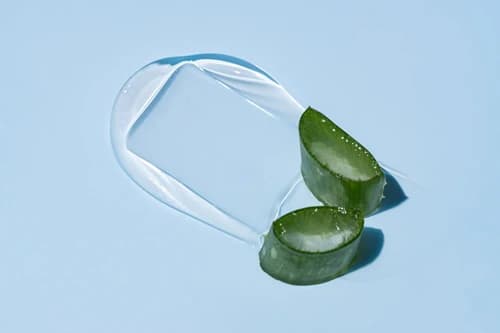
As the name suggests, Aloe Vera gel is extracted from the leaves of the Aloe Vera plant. It is widely used in skincare because of its soothing and cooling effects. It is easy for aloe vera gel to be absorbed by the skin. It can be found in a variety of cosmetics as well as in body lotions, hair shampoos, and even sunscreens. There are many natural ingredients in aloe vera, including antioxidants and enzymes. Before adding this in skin care routine, you must know its benefits and drawbacks as well as how to use it properly.
What Is Aloe Vera Gel?
Aloe vera is a succulent plant which grows well in its natural environment. It has a variety of health, skin and hair benefits, which encourage people to keep aloe vera plants in their homes. Aloe plants have thick, green leaves, which are filled with a gel-like substance called aloe vera gel. The thick, sticky aloe vera gel is an excellent moisture-retaining ingredient which is suitable for all skin types.
What Does Aloe Vera Gel Contain?
The aloe vera gel contains mostly water (up to 99%) and 75 plus ingredients like vitamins, minerals, and carbohydrates.
Major Ingredients of Pure Aloe Vera Gel
Water: makes up almost 99% of the fresh gel and provides deep hydration for the skin.
Vitamins: contain vitamins A, C, E (antioxidants) and B vitamins such as B12.
Minerals: These include valuable minerals that are beneficial to the skin and the whole body, such as calcium, magnesium, zinc, copper, and potassium.
Natural sugar compounds: These are an elaborate form of sugar, like acemannan.
Potential Benefits of Aloe Vera Gel
Maintains Skin Hydration
The natural moisture in aloe leaves helps keep the skin soft, hydrated, and cool without feeling heavy. Therefore, aloe vera gel for face care can be used daily, while those with very dry skin may need to use a richer moisturising cream in addition to this product.
Relieves Skin Irritation
Aloe vera can reduce the symptoms of heat, dry, and sore skin, and the plant components can also improve the skin’s response to irritations. As for other aloe vera gel for face benefits, it can be a part of daily skin care due to its soothing properties.
Comforts Sun-Exposed Skin
Aloe Vera gel is capable of calming sunburned skin, soothing irritated skin and providing a cooling effect after light exposure to the sun. However, it can not heal the damaged skin caused by UV rays or replace sunscreens.
Promotes Minor Skin Recovery
Aloe vera supports the formation of collagen and helps the skin repair itself. It reduces the irritation of minor cuts and bruises. Due to the soothing and hydrating nature of the plant, it will make the damaged area comfortable during the healing process. At the same time, it will protect the skin from excessive dryness and tightness.
Supports Acne-Prone Skin
Aloe is perfect for acne-prone skin because it is light and non-greasy and soaks into the skin quickly. The plant’s natural healing properties are perfect for treating irritated and inflamed skin and treating acne, blackheads and whiteheads.
Nourishes Hair and Scalp
Aloe Vera Gel for hair is excellent for use both on the hair and the scalp. It is a soothing agent for any dry and itchy scalp problems and provides a cooling effect. This is because its light consistency makes it a very pleasant product to apply to the hair without making hair greasy and straw-like. The regular use of aloe vera gel can make your hair silky, smooth, and easy to manage.
How to Use Aloe Vera Gel
Aloe Vera gel is suitable for being added to the daily skin and hair care routine. It is applied to the cleansed skin in a thin layer and left to absorb. If you want to use it for scalp treatment, massage the warmed gel into the roots and leave it for several minutes before rinsing it off. Aloe Vera is excellent for smoothing rough patches on elbows, knees, and heels.
For the face: Apply a thin layer on clean skin and allow it to absorb before completing the rest of your skin care routine.
For the body: Apply a small amount to dry or slightly uncomfortable areas of intact skin.
For scalp and hair: Massage into the scalp before washing to help keep it comfortable and refreshed.
For night skincare: If you are wondering how to use aloe vera gel on face at night, you can use a small amount after cleansing, and apply a suitable moisturiser on top when extra hydration is needed.
Possible Side Effects and Precautions
The gel of aloe vera doesn't bother the skin very often. But some people may experience itching, dryness, or a burning sensation.
There are a couple of simple tips to minimise potential issues:
If you suffer from sensitive skin, apply a patch on a small area.
Never allow it to come in contact with the eye area or other sensitive areas.
Do not use it if it causes redness, itching or a burning sensation.
When to Consult a Doctor
Aloe vera gel can be used for a daily skin care regimen, but some skin conditions require medical attention.
Severe Irritation: Redness, itching, burning, swelling or irritation which does not subside after a few days
Symptoms of allergic reaction: If you have hives, swelling of the face, trouble breathing or a rash that appears quickly.
Severe sunburn: Large blisters, fever, extreme pain, dizziness and other serious symptoms.
Severe Injuries: Skin injuries, small holes, damaged skin or burns that are not healing.
Other skin conditions: If acne persists, is severe or has caused scarring.
Conclusion
Aloe vera has been useful for ages because of the good minerals it possesses. This natural plant plays a significant role in beauty and wellness. Whether a traditional remedy or part of a modern daily routine, aloe vera is a versatile plant. This is why it can be considered one of the most popular natural ingredients in the daily practices of many people.
FAQ
1. What is aloe vera gel, and how does it benefit the skin?
Aloe vera gel is the water-rich substance found inside aloe leaves. It helps hydrate and soothe the skin and may provide comfort for mild dryness, redness, and irritation.
2. What are the scientifically proven benefits of aloe vera gel?
Research supports aloe vera’s potential role in skin hydration, soothing activity, and minor skin recovery. Certain aloe preparations have also been studied for minor burns and wound healing, although results depend on the formulation.
3. Can aloe vera gel be used daily on the face and body?
Yes, a suitable topical aloe vera gel can generally be used daily on intact skin. Follow the product directions and stop using it if redness, itching, or irritation develops.
4. What ingredients should you look for in a high-quality aloe vera gel?
Look for aloe vera or aloe leaf juice listed prominently among the ingredients, with a simple and clearly labelled formulation. People with sensitive skin may prefer products without unnecessary fragrances or harsh additives.
5. Is aloe vera gel suitable for all skin types, including sensitive skin?
Aloe vera gel is generally lightweight and suitable for many skin types, including oily and sensitive skin. Individual reactions can occur, so a patch test is recommended before wider use.
6. Are there any side effects or precautions when using aloe vera gel?
Topical aloe vera may occasionally cause redness, itching, burning, dryness, or an allergic reaction. Avoid applying it to deep wounds, serious burns, or infected skin unless advised by a healthcare professional.
7. How should aloe vera gel be stored to maintain its effectiveness?
Store commercial aloe vera gel according to the manufacturer’s instructions, usually in a cool, dry place away from direct sunlight and heat. Keep the container tightly closed and avoid using the product after its expiry date.
Share this article: