
How to Check Hair Porosity at Home (Simple Step-by-Step Guide)
2026-04-15 • 4 min
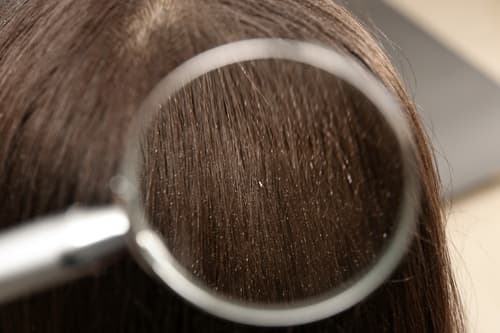
Understanding how to check hair porosity at home represents the single most valuable piece of hair care knowledge you can acquire — more important than expensive products, salon treatments, or trending techniques — because hair porosity fundamentally determines which products will work for your hair versus which will sit uselessly on the surface creating buildup, which conditioning treatments will penetrate and moisturize versus which will rinse away without benefit, which styling methods will enhance your natural texture versus which will leave hair limp and greasy, and ultimately whether your hair care routine delivers the healthy, hydrated, manageable results you desire or perpetuates the frustrating cycle of trial and error with products that work beautifully for others but fail completely on your own stubbornly resistant strands. Hair porosity — the measure of your hair's ability to absorb and retain moisture — is determined by the structure and condition of the cuticle layer, specifically whether those overlapping keratin scales lie tightly flat creating a moisture-resistant barrier, moderately raised allowing balanced absorption and retention, or significantly lifted and damaged causing rapid moisture absorption followed by equally rapid loss. Learning how to check hair porosity with water through the widely known float test provides quick initial insight, but understanding the full range of at-home assessment methods including the slip and slide texture test, the spray bottle absorption observation, the visual strand examination, and the real-world behavioral pattern recognition creates comprehensive porosity knowledge that eliminates all guesswork and allows you to confidently select products, techniques, and treatments perfectly matched to your hair's specific structural needs rather than wasting money on recommendations designed for fundamentally different porosity types that will never work for your hair regardless of price point or brand reputation.
Why Knowing Your Hair Porosity Matters
Hair porosity is not merely an academic classification or marketing buzzword — it is the structural characteristic that governs every aspect of how your hair responds to water, products, treatments, and environmental conditions.
Product Selection Depends on Porosity
Low porosity hair requires lightweight, water-based products with heat application to force moisture penetration through tightly sealed cuticles. Using heavy butters and oils recommended for high porosity hair creates surface buildup without hydration. Conversely, high porosity hair needs rich, heavy moisturizers and protein treatments to fill gaps in damaged cuticles. Using the lightweight products suited for low porosity hair provides insufficient moisture retention, leaving high porosity hair dry and frizzy. Without knowing your porosity, you are essentially guessing which product category is appropriate.
Treatment Effectiveness Is Porosity-Dependent
Deep conditioning treatments penetrate low porosity hair only when applied with heat to temporarily lift the cuticles. The same treatment applied without heat sits on the surface and rinses away, wasting time and product. High porosity hair absorbs treatments rapidly but also loses moisture quickly, requiring sealing products and anti-humectants that would create buildup on low porosity hair. Porosity knowledge transforms treatments from hit-or-miss attempts into predictably effective interventions.
Styling Results Reflect Porosity
Low porosity hair takes hours to air dry and requires blow-drying with heat. High porosity hair dries quickly but becomes frizzy in humid conditions. Styling products and techniques must match porosity type — what creates definition and hold in one porosity type creates limpness or crunchiness in another.
How to Check Hair Porosity at Home — Four Reliable Methods
Multiple simple tests provide converging evidence about your hair porosity level. Using several methods together increases accuracy:
Method 1: The Float Test (Water Glass Test)
This is the most well-known method for how to check hair porosity with water:
Step 1: Collect hair samples. Take 3–5 strands of clean, shed hair from your brush or comb. The hair must be completely product-free — wash and rinse thoroughly if necessary, then let dry completely. Avoid using hair pulled directly from your scalp as the sebum coating can affect results.
Step 2: Fill a clear glass with room temperature water. Avoid hot or cold water as temperature affects water density and surface tension.
Step 3: Gently drop the hair strands onto the water surface. Do not push them down — simply release them and observe.
Step 4: Wait 2–4 minutes and observe where the hair settles. Hair floating on top indicates low porosity — the tightly sealed cuticles resist water absorption, creating enough surface tension to support the hair's weight. Hair sinking slowly to the middle of the glass indicates normal or medium porosity — moderate water absorption with balanced cuticle structure. Hair sinking immediately to the bottom indicates high porosity — damaged, raised cuticles rapidly absorb water, making the hair heavy enough to sink.
How Long Does the Hair Porosity Test Take?
The float test requires 2–4 minutes of observation time. Results are typically clear within this timeframe. If hair remains floating after 5 minutes, you have low porosity. If hair sinks within 30 seconds, you have high porosity.
Is the Glass of Water Test Accurate?
The float test is moderately accurate for identifying extreme porosity (very low or very high) but can be ambiguous for hair in the normal range. Hair that hovers in the middle or sinks very slowly may be normal porosity but could also represent low-normal or high-normal porosity. For this reason, combining the float test with other assessment methods provides more reliable results.
Method 2: The Slip and Slide Test
This tactile test assesses cuticle condition through texture:
Step 1: Take a single clean, dry strand of hair. Hold one end between your thumb and index finger.
Step 2: With your other hand, slide your thumb and index finger along the hair shaft from the tip toward the root. Pay attention to the texture and resistance you feel.
Step 3: Interpret the texture. Smooth, slick surface with minimal friction indicates low porosity — the cuticles are flat and tightly sealed, creating a smooth surface. Moderate texture with some slight roughness indicates normal porosity — cuticles are slightly raised but generally intact. Very rough, bumpy, or uneven texture with significant resistance indicates high porosity — damaged cuticles are raised, chipped, or missing, creating a rough surface.
The slip test is highly accurate when performed correctly and provides immediate tactile feedback about cuticle condition.
Method 3: The Spray Bottle Test
This visual observation test assesses absorption speed:
Step 1: Ensure hair is completely dry and product-free. Section off a small area of hair on top of your head or side where you can easily observe.
Step 2: Mist the section with water from a spray bottle. Use 3–5 sprays to lightly dampen the hair without soaking it.
Step 3: Observe how water behaves on the hair surface. Water beads up on the surface and takes several minutes to absorb indicates low porosity. Water absorbs relatively quickly (30–60 seconds) with minimal beading indicates normal porosity. Water absorbs almost immediately with no beading indicates high porosity.
The spray test provides clear visual evidence and is particularly useful for confirming results from other tests.
Method 4: Visual Strand Examination
Examining individual hair strands under good lighting reveals cuticle condition:
Step 1: Hold a single strand of clean, dry hair up to a light source or window. Natural daylight is ideal.
Step 2: Observe the strand's appearance. Smooth, shiny, uniform appearance along the entire length indicates low porosity with intact, flat cuticles. Slight variations in shine with generally smooth appearance indicates normal porosity. Dull, rough, or uneven appearance with visible damage indicates high porosity with raised or damaged cuticles.
Hair Porosity Test Methods Compared
The table below summarizes the four main at-home testing methods:
Can I Check Hair Porosity Without Using Water?
Yes — several non-water methods accurately assess porosity:
The Absorption Speed Test
Apply a small amount of lightweight oil (argan, grapeseed) to a section of clean, dry hair. Observe how quickly the hair absorbs the oil: Slow absorption with oil sitting on the surface indicates low porosity. Moderate absorption within 1–2 minutes indicates normal porosity. Rapid absorption within seconds indicates high porosity.
The Drying Time Test
Wash your hair and allow it to air dry completely without heat or products. Track drying time: Taking 6+ hours to dry completely indicates low porosity. Drying in 2–4 hours indicates normal porosity. Drying in under 2 hours indicates high porosity.
The Product Behavior Test
Observe how hair responds to conditioning products: Products sitting on hair surface creating buildup and greasiness indicates low porosity. Products absorbing well with good moisture retention indicates normal porosity. Products absorbing rapidly but hair still feeling dry shortly after indicates high porosity.
How Often Should I Test My Hair Porosity?
Hair porosity can change over time due to chemical treatments, heat styling, environmental damage, and aging. Test your porosity:
• Initially when establishing your hair care routine
• After any chemical treatment (coloring, bleaching, relaxing, perming)
• If hair starts responding differently to previously effective products
• Every 6–12 months as a baseline check
• After significant changes in hair care practices or product usage
Hair typically increases in porosity over time due to accumulated damage from styling, environmental exposure, and aging. Previously low porosity hair may become normal porosity, and normal may shift to high porosity. Regular testing ensures your product selections and care routine remain appropriate.
What Should I Do After Finding My Hair Porosity Type?
Porosity knowledge is only valuable when translated into actionable hair care adjustments:
For Low Porosity Hair
• Use heat during deep conditioning to open cuticles (hooded dryer, warm towel wrap, steamer)
• Choose lightweight, water-based products and humectants
• Clarify regularly (every 1–2 weeks) to prevent buildup
• Apply products to damp not soaking wet hair
• Avoid heavy butters, oils, and protein-heavy treatments
• Use warm water for washing and cool water for final rinse to seal cuticles
For Normal/Medium Porosity Hair
• Use standard conditioning treatments without required heat application
• Balance protein and moisture treatments as needed
• Clarify occasionally (every 3–4 weeks) to refresh hair
• Use moderate-weight products — not too light, not too heavy
• Maintain your routine as normal porosity is the most manageable type
For High Porosity Hair
• Use rich, heavy moisturizers and leave-in conditioners
• Incorporate protein treatments to fill cuticle gaps and strengthen hair
• Seal moisture with heavier oils and butters (shea butter, coconut oil)
• Use anti-humectant products in humid weather to prevent frizz
• Apply acidic rinses (apple cider vinegar diluted) to smooth cuticles
• Protect hair from further damage with heat protectants and gentle handling
Supporting Healthy Hair Growth Regardless of Porosity
While porosity determines how you care for existing hair, the health and quality of new hair growth emerging from follicles depends entirely on systemic nutrition. Even perfectly matched porosity-specific products cannot compensate for nutritional deficiencies that compromise hair growth at the follicular level.
Biotin for Hair Growth and Keratin Synthesis
Biotin — vitamin B7 — is the rate-limiting nutrient for keratin production. Deficiency causes slow growth, thinning, brittleness, and increased breakage. While biotin cannot change your genetic porosity type, it ensures new hair grows strong, resilient, and structurally sound from the follicle.
Reset Biotin Gummies for hair growth provide biotin alongside vitamins A, C, E, B12, and zinc — the complete micronutrient profile necessary for optimal follicle function. By supporting keratin synthesis and cellular turnover at the follicle, biotin gummies ensure that regardless of whether your hair is low, normal, or high porosity, the new growth emerges healthy and strong rather than weak and damaged from nutritional insufficiency.
Vitamin B12 for Cellular Energy and Hair Follicle Function
Vitamin B12 is essential for red blood cell production and cellular energy metabolism. Deficiency impairs oxygen delivery to follicles, slowing growth and potentially triggering hair loss. B12 deficiency is particularly common in vegetarians, vegans, elderly individuals, and those with absorption disorders.
Reset Vitamin Gummies address this foundational nutritional need, ensuring follicles receive adequate oxygen and energy substrates for continuous healthy hair production. Combined with appropriate porosity-specific external care, internal B12 sufficiency creates the dual approach — systemic nutrition plus targeted topical treatment — that delivers optimal hair health outcomes across all porosity types.
Frequently Asked Questions
How can I check my hair porosity at home easily?
Use the float test: drop clean hair strands into a glass of water and observe if they float (low porosity), sink slowly to middle (normal porosity), or sink immediately (high porosity). Alternatively, use the slip test: run fingers along a hair strand — smooth texture indicates low porosity, slight roughness indicates normal, very bumpy indicates high porosity. Both methods take under 5 minutes.
What is the water test for checking hair porosity?
The water test (float test) involves dropping 3–5 clean, product-free hair strands into a glass of room temperature water and observing where they settle after 2–4 minutes. Hair that floats indicates low porosity with tightly sealed cuticles resisting water absorption. Hair sinking to the middle indicates normal porosity. Hair sinking immediately indicates high porosity with damaged cuticles rapidly absorbing water.
How long does the hair porosity test take?
The float test takes 2–4 minutes of observation after dropping hair into water. The slip and slide texture test takes 30 seconds. The spray bottle absorption test takes 1–2 minutes. Visual strand examination takes 1–2 minutes. You can complete all four tests in under 10 minutes for comprehensive porosity assessment.
Is the glass of water test for hair porosity accurate?
The float test is moderately accurate for identifying extreme low or high porosity but can be ambiguous for normal porosity hair. Combining the water test with the slip test (tactile texture), spray test (absorption observation), and visual strand examination provides much more reliable results than relying on the float test alone.
Can I check hair porosity without using water?
Yes. Use the slip test by running fingers along a hair strand to feel cuticle texture (smooth = low, rough = high). Use the oil absorption test by applying lightweight oil and observing absorption speed. Use the drying time test by tracking how long hair takes to air dry after washing (6+ hours = low, under 2 hours = high). Use product behavior observation.
How often should I test my hair porosity?
Test initially when establishing your routine, after any chemical treatment (color, bleach, relaxer, perm), if hair stops responding to previously effective products, every 6–12 months as a baseline check, and after significant changes in hair care practices. Porosity typically increases over time from accumulated damage, aging, and styling.
What should I do after finding my hair porosity type?
Adjust products and techniques to match your porosity. Low porosity: use heat with conditioning, lightweight products, regular clarifying. Normal porosity: balanced routine with moderate products. High porosity: rich moisturizers, protein treatments, heavier sealants, anti-humectants. Porosity knowledge eliminates guesswork and allows targeted product selection for maximum effectiveness.
Key Takeaways
• Knowing how to check hair porosity at home eliminates product trial-and-error by revealing whether your hair needs lightweight moisture-penetrating products for low porosity, balanced treatments for normal porosity, or heavy moisturizers and protein for high porosity — fundamentally different care approaches.
• The float test (water glass test) is the most well-known method: drop clean hair in water, observe if it floats (low porosity), sinks to middle (normal), or sinks immediately (high) after 2–4 minutes — moderately accurate for extreme porosity, less definitive for normal.
• The slip and slide texture test provides highly accurate results: run fingers along hair shaft — smooth texture indicates low porosity with flat cuticles, moderate roughness indicates normal, very bumpy indicates high porosity with raised damaged cuticles.
• The spray bottle absorption test offers clear visual evidence: mist hair with water, observe if water beads on surface taking minutes to absorb (low), absorbs in 30–60 seconds (normal), or absorbs immediately (high porosity).
• Combining multiple tests — float, slip, spray, visual strand examination, drying time observation, product behavior — provides converging evidence for accurate porosity assessment rather than relying on a single test method.
• Test porosity initially, after chemical treatments, if products stop working, every 6–12 months, and after hair care changes — porosity typically increases over time from accumulated damage requiring routine adjustments to maintain effectiveness.
• Support healthy hair growth regardless of porosity through Reset Biotin Gummies for hair growth (keratin synthesis and follicle function) and Reset Vitamin B12 Gummies (oxygen delivery and cellular energy) — systemic nutrition plus porosity-matched external care creates optimal hair health.
Share this article: