
The 30-Day Healthy Weight Gain Diet: What to Eat Without Relying on Junk Food
2026-08-17 • 5 min
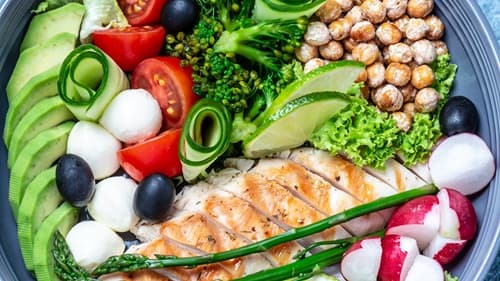
Gaining weight sounds simple: eat more calories than you burn. In practice, healthy weight gain is more complicated.
Someone trying to increase their weight could technically add more fried food, sugary drinks, desserts, and packaged snacks to their daily routine. The scale might move upward, but that does not necessarily mean their nutrition, strength, or overall health is improving.
A well-designed weight gain diet takes a different approach. The goal is to create a manageable calorie surplus while supplying enough protein, carbohydrates, healthy fats, vitamins, minerals, and fibre. In other words, you want to give your body more energy without making junk food the foundation of your diet.
This 30-day guide explains how to build a healthy diet for weight gain, what foods to prioritize, how frequently to eat, and how to gradually increase calories. It also includes a practical diet plan for weight gain that can be adapted for vegetarian and non-vegetarian preferences.
Important: Unintentional or unexplained weight loss can sometimes have an underlying medical cause. If you are losing weight without trying, have persistent digestive symptoms, or are significantly underweight, speak with a qualified healthcare professional before starting a weight-gain program.
What Does Healthy Weight Gain Actually Mean?
Healthy weight gain is not simply about making the number on the weighing scale increase as quickly as possible.
Ideally, a weight-gain program should help support:
gradual increases in body weight
muscle development when combined with resistance training
adequate energy levels
better nutrient intake
healthy digestion
physical performance
recovery from exercise
For many adults, gradual weight gain is more manageable than trying to force large amounts of food into the diet immediately.
A calorie surplus is still necessary. If your body consistently receives approximately the same amount of energy that it uses, your weight is unlikely to increase substantially.
That is why the foundation of a weight gain diet is:
Energy consumed > energy used
However, where those additional calories come from matters.
Adding nuts, milk, yoghurt, rice, oats, paneer, eggs, legumes, potatoes, seeds, whole grains, avocado, or nut butter provides more than calories alone. These foods also supply nutrients your body needs.
Why Junk Food Is Not the Best Weight Gain Strategy
Fast food and highly processed snacks can make reaching a calorie surplus extremely easy.
A burger, fries, sugary drink, pastry, or packet of chips may contain hundreds of calories. So why not simply use them to gain weight?
Because weight gain and good nutrition are not the same thing.
A diet dominated by highly processed foods may contain excessive amounts of added sugar, sodium, or saturated fat while providing relatively limited fibre and micronutrients.
The better approach is to make nutrient-rich foods the foundation of your healthy diet for weight gain.
You do not need to eat perfectly every day. An occasional dessert, pizza, or favourite snack can comfortably fit into an otherwise balanced diet.
The problem begins when those foods become the primary method of achieving your calorie surplus.
How Many Extra Calories Do You Need to Gain Weight?
Calorie requirements vary considerably between individuals.
Your needs depend on factors including:
age
sex
height
current weight
activity level
exercise routine
health status
Instead of suddenly adding an enormous amount of food, start with a moderate increase in your daily intake.
For example, adding one substantial snack or increasing portions across several meals may be easier than trying to eat one enormous dinner.
Consider this simple addition:
Banana + milk + oats + peanut butter
Depending on portions, this combination can add several hundred calories while providing carbohydrates, protein, fats, potassium, calcium, and other nutrients.
That makes it considerably more useful in a diet plan for weight gain than obtaining similar calories entirely from sweets or sugary beverages.
The Three Nutrients That Build a Better Weight Gain Diet
Calories matter, but macronutrient balance matters too.
1. Protein
Protein supplies amino acids that are needed for building and maintaining body tissues.
People who are combining a weight gain diet with resistance exercise should pay particular attention to adequate protein intake.
Useful protein sources include:
Vegetarian sources
milk
curd or yoghurt
paneer
tofu
soybeans
lentils
chickpeas
kidney beans
peas
nuts
seeds
nut butter
Non-vegetarian sources
eggs
chicken
fish
lean meat
milk
yoghurt
Rather than consuming most of your protein at dinner, distribute protein-rich foods across your meals.
For example:
Breakfast: oats with milk and nuts
Lunch: rice, dal, curd and vegetables
Snack: yoghurt with fruit and seeds
Dinner: roti with paneer and vegetables
This approach makes the overall diet more balanced.
2. Carbohydrates
Carbohydrates are an important source of energy, particularly for active individuals.
Good options include:
rice
oats
potatoes
sweet potatoes
whole-wheat roti
whole-grain bread
quinoa
poha
upma
bananas
dates
raisins
fruits
legumes
Someone trying to gain weight does not need to fear carbohydrates.
A balanced plate containing rice or roti, protein, vegetables, and healthy fats can fit perfectly into a healthy diet for weight gain.
3. Healthy Fats
Fat is especially useful when increasing calories because it is energy dense.
One gram of fat provides approximately nine calories, compared with around four calories per gram from protein or carbohydrate.
Useful fat sources include:
peanuts
almonds
walnuts
cashews
seeds
peanut butter
other nut butters
avocado
olive oil
sesame
dairy products
Small additions can make a meaningful difference.
For example, you could add nut butter to toast, seeds to yoghurt, nuts to oats, or a reasonable amount of oil to cooked meals.
This increases calories without dramatically increasing meal volume.
The Best Foods for Healthy Weight Gain
A useful weight gain diet chart should not contain only high-calorie foods. It should contain calorie-dense foods alongside nutrient-rich foods.
Milk and Dairy Products
Milk can provide protein, carbohydrates, calcium, phosphorus, and other nutrients.
Other useful dairy foods include:
paneer
curd
Greek-style yoghurt
cheese in moderation
People following plant-based diets can use suitable fortified alternatives and obtain protein from tofu, soy foods, legumes, nuts, and seeds.
Rice
Rice is convenient, affordable, easy to combine with other foods, and provides carbohydrate-rich energy.
Try combinations such as:
rice + dal + curd
rice + rajma
rice + chole
rice + paneer
rice + egg curry
rice + chicken
rice + fish
Adding vegetables and a moderate source of healthy fat can make the meal more complete.
Oats
Oats can work particularly well at breakfast.
Instead of preparing plain oats with water, try:
Oats + milk + banana + peanut butter + nuts + seeds
This turns a relatively simple breakfast into a much more substantial meal.
Nuts and Nut Butter
Nuts are one of the easiest foods to incorporate into a diet plan for weight gain.
Almonds, peanuts, walnuts, pistachios, and cashews provide calories in relatively small portions.
Nut butter can be added to:
toast
bananas
oats
smoothies
whole-grain crackers
Choose products with simpler ingredient lists when possible.
Potatoes and Sweet Potatoes
Potatoes are inexpensive, versatile, and useful for increasing carbohydrate intake.
Instead of relying on deep-fried potatoes, use preparations such as:
boiled potatoes
baked potatoes
roasted potatoes
potato sabzi
mashed potatoes
potato-paneer combinations
Sweet potatoes provide another useful carbohydrate option.
Bananas
Bananas are convenient and pair easily with calorie-rich ingredients.
Try:
Banana + peanut butter
or
Banana + milk + oats + nuts
These combinations are particularly useful for people who struggle to consume enough calories through large solid meals.
Dried Fruits
Dates, raisins, dried figs, and other dried fruits contain concentrated carbohydrates and calories.
They can be combined with nuts to make a compact snack.
Because dried fruit is concentrated, portion awareness still matters.
Eggs
For people who eat eggs, they can be an affordable source of high-quality protein and several micronutrients.
Eggs can be incorporated into breakfast, lunch, snacks, or dinner.
Examples include:
vegetable omelette with toast
boiled eggs with potatoes
egg sandwich
egg curry with rice
Paneer, Tofu and Soy
For vegetarians searching for how to gain weight vegetarian diet chart ideas, paneer, tofu, soy chunks, and soybeans can be particularly useful.
Paneer is relatively energy dense, while tofu and soy foods can help increase protein intake.
They work well in:
wraps
sandwiches
curries
rice bowls
salads
stir-fries
The 30-Day Healthy Weight Gain Strategy
Instead of completely changing your diet overnight, use the month to gradually establish habits.
Days 1–7: Build Consistency
The first week is about understanding your existing routine.
Do not immediately double your portions.
Focus on:
eating three proper meals
adding one or two snacks
avoiding long gaps between meals
including protein at every major meal
drinking enough fluids
improving breakfast quality
Sample Day
Breakfast: Oats cooked in milk with banana, nuts and seeds
Mid-morning: Fruit with yoghurt
Lunch: Rice, dal, paneer or chicken, vegetables and curd
Evening snack: Peanut butter toast with milk
Dinner: Roti, vegetable curry, paneer/tofu/egg/chicken and salad
Before bed: Milk or yoghurt if desired
During this week, pay attention to appetite and digestion.
Days 8–14: Increase Calorie Density
Once regular meals become comfortable, increase the energy content of foods you are already eating.
Instead of simply making every meal much larger, use calorie-dense additions.
Upgrade Your Meals
Instead of:
Plain toast
Try:
Toast + peanut butter + banana
Instead of:
Plain curd
Try:
Curd + fruit + nuts + seeds
Instead of:
Oats + water
Try:
Oats + milk + banana + nuts
Instead of:
Rice + vegetables
Try:
Rice + dal + vegetables + paneer + curd
This is one of the easiest ways to make a healthy diet for weight gain sustainable.
Days 15–21: Focus on Protein and Strength
By the third week, pay more attention to body composition.
Simply increasing calories can increase body weight, but resistance exercise provides a stimulus for muscle development.
Suitable exercises may include:
squats
lunges
push-ups
rows
presses
deadlift variations
resistance-band exercises
Beginners should prioritize correct technique and gradual progression.
A combination of resistance training, adequate calories, protein, and recovery is more useful for muscle gain than simply overeating.
Days 22–30: Review and Adjust
By the final stage, evaluate your progress.
Ask:
Has my average body weight increased?
Am I consistently eating enough?
Am I getting stronger?
Am I skipping meals?
Is my digestion comfortable?
Am I relying too heavily on processed foods?
Am I eating enough protein?
Are my meals balanced?
Body weight naturally fluctuates because of water, food intake, bowel movements, sodium intake, and other factors.
Instead of reacting to a single day's measurement, look at the overall trend.
If your weight has not moved after several weeks despite consistent intake, you may need to gradually increase food portions or add another calorie-rich snack.
7-Day Weight Gain Diet Chart to Repeat and Modify
This weight gain diet chart can serve as a framework throughout the 30 days.
Day 1
Breakfast: Oats, milk, banana and almonds
Snack: Yoghurt with dates
Lunch: Rice, dal, paneer, vegetables and curd
Snack: Peanut butter toast
Dinner: Roti, mixed vegetables and tofu/paneer/chicken
Bedtime: Milk
Day 2
Breakfast: Paneer paratha with curd and fruit
Snack: Banana with peanut butter
Lunch: Rajma rice, vegetables and curd
Snack: Nuts and dried fruit
Dinner: Roti with dal and paneer/egg/chicken
Bedtime: Milk or yoghurt
Day 3
Breakfast: Vegetable poha with peanuts, curd and fruit
Snack: Banana-oat smoothie
Lunch: Roti, dal, potato sabzi, paneer/tofu and curd
Snack: Whole-grain sandwich with paneer or egg
Dinner: Rice with vegetables and protein of choice
Day 4
Breakfast: Vegetable omelette or paneer bhurji with toast and milk
Snack: Dates and almonds
Lunch: Chole rice with curd and salad
Snack: Yoghurt, banana and seeds
Dinner: Roti with dal, vegetables and paneer/tofu/fish
Day 5
Breakfast: Upma with peanuts plus yoghurt and fruit
Snack: Banana and mixed nuts
Lunch: Rice, dal, vegetables and paneer/chicken
Snack: Peanut butter sandwich with milk
Dinner: Roti, potato-pea curry, curd and protein of choice
Day 6
Breakfast: Besan chilla stuffed with paneer plus curd
Snack: Fruit smoothie with oats
Lunch: Vegetable pulao with raita and paneer/tofu/egg
Snack: Trail mix containing nuts, seeds and dried fruit
Dinner: Roti, dal and mixed vegetables
Day 7
Breakfast: Oats pancakes with banana and nut butter
Snack: Yoghurt with nuts
Lunch: Rice, dal, paneer curry and vegetables
Snack: Banana smoothie
Dinner: Roti with vegetables and paneer/tofu/chicken
Bedtime: Milk if desired
Repeat the basic structure while changing fruits, vegetables, grains, legumes, and protein sources.
This prevents a diet plan for weight gain from becoming monotonous.
How to Gain Weight: Vegetarian Diet Chart Principles
A common misconception is that gaining weight or muscle is difficult without meat.
A well-planned vegetarian diet can provide both adequate calories and protein.
If you are searching for how to gain weight vegetarian diet chart recommendations, build your meals around five food groups:
1. Grains and Starchy Foods
Rice, roti, oats, potatoes, sweet potatoes, poha and whole-grain bread provide energy.
2. Pulses and Legumes
Dal, rajma, chole, black gram, peas and other legumes provide protein, carbohydrates, fibre, and micronutrients.
3. Dairy or Suitable Alternatives
Milk, curd and paneer can substantially increase both protein and calories.
Vegans can use tofu, soy foods and fortified plant-based alternatives.
4. Nuts and Seeds
Use peanuts, almonds, walnuts, sesame, pumpkin seeds, sunflower seeds and nut butter.
5. Fruits and Vegetables
Weight gain does not mean vegetables disappear from your plate.
Fruits and vegetables provide vitamins, minerals, fibre, and plant compounds that support overall nutrition.
A simple vegetarian meal might look like:
Rice + dal + paneer + vegetables + curd
Or:
Roti + chole + potato sabzi + yoghurt
This is far more balanced than trying to gain weight primarily through sweets and fried snacks.
A Sample High-Calorie Vegetarian Smoothie
Smoothies can be useful when appetite is limited because drinking calories may feel easier than eating another full meal.
Try blending:
milk or fortified soy drink
one banana
oats
peanut butter
dates
optional seeds
This should complement meals rather than automatically replacing them.
Whole foods should still form the foundation of your diet.
Weight Loss and Muscle Gain Diet: Is It Different?
The phrase weight loss and muscle gain diet usually refers to body recomposition: reducing body fat while maintaining or building muscle.
That goal is different from a conventional weight gain diet.
For weight gain, a calorie surplus is generally used.
For fat loss, a calorie deficit is generally required.
Body recomposition sits somewhere between these approaches and can be influenced by training status, body composition, protein intake, sleep, and resistance training.
A typical weight loss and muscle gain diet therefore emphasizes:
adequate protein
resistance training
controlled calorie intake
nutrient-dense carbohydrates
healthy fats
vegetables and fruits
sufficient sleep and recovery
Beginners and people returning to training after a long break may sometimes gain muscle while losing fat more readily than experienced lifters.
If your main objective is simply to increase body weight because you are underweight, however, a calorie surplus is usually more relevant than a fat-loss diet.
What to Eat When You Have a Small Appetite
One of the biggest challenges with weight gain is not knowing what to eat. It is being unable to eat enough.
If you feel full quickly, forcing huge portions can make the process unpleasant.
Instead, try:
Eat More Frequently
Five smaller meals and snacks may feel easier than three enormous meals.
Increase Calorie Density
Add small amounts of nutrient-dense, high-calorie foods.
For example:
Fruit → fruit + yoghurt + nuts
Toast → toast + peanut butter
Milk → milk + banana + oats
Rice → rice + dal + paneer + curd
Avoid Filling Up on Drinks Immediately Before Meals
Large quantities of fluids right before eating can make some people feel full.
Stay hydrated throughout the day, but experiment with timing if drinks are reducing your appetite at meals.
Use Smoothies Strategically
A homemade smoothie can provide additional calories without requiring another large plate of food.
What Should You Avoid During a Weight Gain Diet?
You do not need a long list of forbidden foods.
Instead, avoid habits that make the diet nutritionally weak.
1. Depending on Sugary Drinks
Soft drinks may increase calories but offer limited nutritional value.
Use milk, smoothies, yoghurt-based drinks, or other nutrient-containing options when appropriate.
2. Eating Fast Food Every Day
Occasional fast food is unlikely to determine the success of your entire diet.
Daily dependence on it is another matter.
3. Ignoring Vegetables
A healthy diet for weight gain still requires micronutrients and fibre.
4. Eating Very Large Meals Suddenly
If you are accustomed to eating small portions, sudden dramatic increases may cause discomfort.
Increase intake progressively.
5. Ignoring Protein
A high-calorie diet without sufficient protein is not an ideal strategy for supporting muscle development.
6. Skipping Exercise
If muscle gain is part of your goal, resistance training should be considered alongside nutrition.
Simple Ways to Add Calories Without Junk Food
You do not necessarily need completely new meals.
Modify what you already eat.
Breakfast
Add:
milk
nuts
seeds
banana
nut butter
yoghurt
Lunch
Add:
extra rice
dal
paneer
curd
legumes
a moderate amount of healthy fat
Snacks
Choose:
nuts
nut butter toast
yoghurt
fruit smoothies
dried fruit
paneer sandwiches
hummus with bread
Dinner
Combine:
Carbohydrate + protein + vegetables + healthy fat
For example:
Rice + dal + paneer + vegetables
or
Roti + chicken + vegetables + curd
What About Protein Powder?
Protein powder is not mandatory for weight gain.
It is primarily a convenient source of protein.
If your normal meals already provide adequate protein, you may not need it.
Someone struggling to meet protein requirements through food may find a suitable protein supplement convenient, but supplements should not replace a varied diet.
People with medical conditions, dietary restrictions, allergies, or medication-related concerns should discuss supplement use with an appropriate healthcare professional.
How to Track Your 30-Day Progress
Tracking does not need to become complicated.
Consider recording:
body weight
meal consistency
workout performance
appetite
sleep
energy levels
Try weighing yourself under similar conditions rather than comparing random measurements taken at completely different times of day.
For example, morning measurements under consistent conditions can make trends easier to interpret.
Remember that daily fluctuations are normal.
Focus on the trend across several weeks.
Sleep Is Part of Your Weight Gain Plan Too
Nutrition gets most of the attention, but recovery matters.
Muscle adaptation occurs between training sessions, not only while you are exercising.
Consistently poor sleep can interfere with training quality, recovery, appetite regulation, and general wellbeing.
Try to maintain a regular sleep schedule alongside your diet plan for weight gain and exercise routine.
A Practical Formula for Building Every Meal
If meal planning feels complicated, use this basic structure:
Carbohydrate + Protein + Healthy Fat + Fruit/Vegetable
Examples:
Rice + dal + paneer + vegetables
Roti + chole + curd + salad
Oats + milk + peanut butter + banana
Bread + eggs + avocado + fruit
Rice + chicken + vegetables + curd
This framework makes it easier to build a balanced weight gain diet chart without calculating every gram of food.
Your 30-Day Weight Gain Checklist
Week 1
Build meal consistency.
Eat three main meals plus appropriate snacks and include a protein source regularly.
Week 2
Increase calorie density.
Add nuts, seeds, dairy, nut butter, grains, legumes, or other nutrient-rich foods to meals.
Week 3
Improve protein distribution and introduce or progress resistance training if appropriate.
Week 4
Review your weight trend, appetite, exercise performance, digestion, and meal consistency.
If your intake is consistent but your weight is not increasing, gradually increase portions or add another nutrient-rich snack.
A successful weight gain diet should not feel like a month-long junk-food challenge.
The objective is to consistently give your body enough energy and nutrients to support gradual weight gain while maintaining a balanced diet.
Build your meals around foods such as rice, oats, potatoes, whole grains, milk, yoghurt, paneer, tofu, eggs, legumes, nuts, seeds, fruits, vegetables, and appropriate sources of healthy fats.
If you are vegetarian, the same principle applies. Instead of searching endlessly for how to gain weight vegetarian diet chart solutions, focus on combining calorie-rich plant foods with adequate protein throughout the day.
If you are pursuing a weight loss and muscle gain diet, remember that your calorie strategy will differ from someone whose primary goal is gaining body weight.
Ultimately, the best healthy diet for weight gain is not the one containing the most calories possible. It is the one you can consistently follow while getting enough energy, protein, micronutrients, and variety.
Thirty days can establish the routine. Sustainable eating habits are what make the difference beyond day 30.
Frequently Asked Questions
1. What is the best diet for healthy weight gain?
A balanced weight gain diet should provide sufficient calories along with protein, carbohydrates, healthy fats, fruits, vegetables, and micronutrient-rich foods. Rice, oats, potatoes, milk, yoghurt, paneer, eggs, tofu, legumes, nuts, seeds, and fruits are practical options.
2. How can I gain weight without eating junk food?
Increase the calorie density of normal meals. Add nuts to oats, peanut butter to toast, paneer to meals, yoghurt to snacks, or milk and oats to smoothies. This helps create a calorie surplus without relying heavily on highly processed food.
3. What should a vegetarian eat to gain weight?
A vegetarian diet plan for weight gain can include rice, roti, oats, potatoes, lentils, chickpeas, rajma, paneer, milk, curd, tofu, soy foods, nuts, seeds, fruits, and vegetables. Combining protein-rich foods with calorie-dense carbohydrates and fats makes vegetarian weight gain easier.
4. Can bananas help with weight gain?
Bananas can contribute to a calorie-surplus diet, particularly when combined with higher-calorie foods such as milk, oats, yoghurt, nuts, or peanut butter. No individual food, however, guarantees weight gain on its own.
5. How many meals should I eat for weight gain?
There is no universal number. Some people manage three larger meals comfortably, while people with smaller appetites may find three meals plus two or three snacks easier. Total daily calorie and nutrient intake matters more than following a specific meal frequency.
6. Can I gain weight and muscle at the same time?
Yes. A suitable calorie intake combined with adequate protein and progressive resistance training can support muscle development and overall weight gain. The amount of muscle gained varies depending on training experience, genetics, nutrition, recovery, and other factors.
7. What is the difference between a weight gain diet and a weight loss and muscle gain diet?
A weight gain diet typically involves consuming more calories than the body uses. A weight loss and muscle gain diet generally aims to reduce body fat while preserving or increasing muscle through controlled calorie intake, adequate protein, and resistance training.
8. How quickly should I expect to gain weight?
Weight-gain rates vary between individuals. Gradual progress is generally preferable to rapidly increasing calorie intake through low-quality foods. Monitor trends over several weeks and adjust food intake according to your progress and professional guidance when needed.
9. Is a weight gain diet chart enough to gain weight?
A weight gain diet chart is a planning tool, not a guarantee. Your overall calorie intake, consistency, physical activity, sleep, health status, and individual energy requirements all affect your results.
10. What should I do if I eat enough but still cannot gain weight?
If you have consistently increased your food intake but cannot gain weight, or if you are experiencing unexplained weight loss, persistent digestive problems, weakness, or other concerning symptoms, consult a qualified healthcare professional. An underlying condition may need to be ruled out.
Share this article: