
Tofu vs Paneer: Which Protein Is Better for Your Lifestyle and Health Goals?
2025-12-22 • 4 min
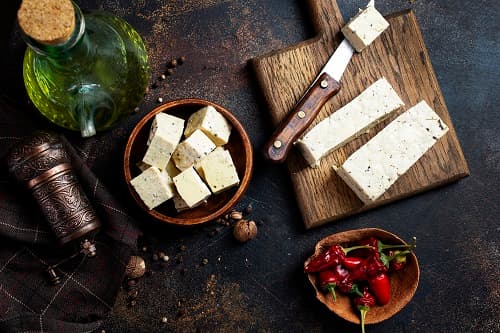
Protein is having a moment and for good reason. Whether you’re trying to build muscle, lose fat, manage cholesterol, eat cleaner, or simply stay full for longer, your protein choice matters. And if you’re vegetarian, the debate often lands here: tofu or paneer?
Here’s the thing: there isn’t one universal winner. Tofu and paneer both can be excellent proteins, but they serve different bodies, different goals, and different lifestyles. The best option depends on what you need more of right now: higher protein efficiency, lower calories, better digestion, heart health, convenience, taste, or satiety.
Let’s break it down in a way that actually helps you decide.
What They Are: A Quick Overview
Tofu
Tofu is made from soy milk, which is curdled and pressed into blocks. It’s naturally vegan and comes in textures like silken, soft, firm, and extra-firm. It absorbs flavors easily and works across cuisines.
Paneer
Paneer is a fresh cheese made by curdling milk (usually with lemon juice or vinegar). It’s a staple in Indian households because it’s easy to cook, widely available, and pairs beautifully with spices and gravies.
Both are protein-rich. But nutritionally, they behave very differently inside your body.
Tofu vs Paneer Difference: The Real Practical Gap
Most people compare tofu and paneer only by taste. But the bigger difference is how they impact:
Calories and fat
Protein density
Digestibility
Heart health
Diet suitability (vegan vs dairy-based)
Satiety and weight goals
This tofu vs paneer difference is what should guide your choice more than what your gym buddy says.
Tofu vs Paneer Protein Per 100g: What the Numbers Usually Look Like
Let’s address the most searched question first.
In general (values vary by brand and preparation):
Tofu (firm): around 10–15 g protein per 100 g
Paneer: around 18–20 g protein per 100 g
So yes, paneer often wins on raw protein count.
But protein count isn’t the whole story. You also need to consider calories and fat.
Tofu vs Paneer Protein: Which Gives “More Protein Value” for Your Goal?
If your goal is simply maximum protein, paneer is usually higher per 100 g.
But if your goal is high protein with fewer calories, tofu often becomes the smarter pick, especially if you’re cutting, trying to lose weight, or trying to improve lipid profile.
Also, tofu has a “lighter” feel for many people, meaning it can be easier to eat consistently without feeling heavy.
So when people search tofu vs paneer protein, what they’re really asking is:
Do I want more protein per bite?
Or better protein per calorie?
Both are valid. Your goal decides the winner.
Tofu vs Paneer Nutrition: The Bigger Picture
This is where the comparison gets interesting.
Paneer nutrition highlights
Paneer typically contains:
Higher protein
Higher fat (especially saturated fat)
Higher calories
Calcium and fat-soluble vitamins (depending on milk quality)
It’s great when you need:
bulking calories
high satiety
a dense meal that keeps you full for hours
But if you’re managing cholesterol or trying to reduce saturated fat, you’ll need to watch portions or choose low-fat paneer.
Tofu nutrition highlights
Tofu typically contains:
Moderate to high protein
Lower calories
Lower saturated fat
More heart-friendly fat profile (more unsaturated fats)
Plant compounds (isoflavones) that some people choose for wellness reasons
It’s great when you want:
leaner meals
better flexibility in calories
a protein option that fits vegan, dairy-free, or lighter diets
So tofu vs paneer nutrition isn’t just “which is healthier.” It’s “which fits my body and goal today.”
Which One Is Better for Weight Loss?
If you’re on a calorie deficit and trying to drop weight:
Tofu usually wins
Lower calories
Lower saturated fat
Easier to fit into a deficit
Still protein-rich enough to support satiety
That said, paneer can still work for weight loss if you:
control portions
choose low-fat versions
cook it with less oil
pair it with high-fiber sides (salads, veggies, soups)
If you tend to snack a lot because you’re hungry, paneer’s fat content can actually help you feel fuller. So it depends on what makes you stick to your plan.
Which One Is Better for Muscle Gain?
For muscle building, the game is:
total daily protein
strength training consistency
enough calories and recovery
Paneer fits bulking better
It gives you:
higher protein per 100 g
more calories (helpful for surplus)
rich taste that makes it easier to eat more
Tofu fits lean bulking better
It helps when you want:
protein without too much fat
easier digestion
more volume meals without overshooting calories
Both work. Many people do best with a mix: paneer on heavy training days, tofu on lighter days.
Heart Health and Cholesterol: A Very Real Consideration
If you have a family history of high cholesterol or you’re already tracking lipid markers:
Tofu is generally the easier choice because it’s lower in saturated fat.
Paneer can still fit, but frequent large servings of full-fat paneer can push saturated fat high, especially if the rest of your diet already includes ghee, butter, or fried foods.
If heart health is your top goal, tofu often becomes the default winner.
Digestion and Skin: What People Often Notice
This varies person to person, but a few patterns are common:
Paneer
Some people feel:
bloating
heaviness
acne flare-ups (especially if sensitive to dairy)
This isn’t true for everyone, but it’s common enough to be worth noticing.
Tofu
Some people feel:
lighter digestion
less heaviness
But if you’re sensitive to soy, tofu might cause discomfort too.
The best approach is simple: if you notice consistent bloating, skin issues, or sluggishness after one of them, your body is giving you feedback. Listen to it.
Lifestyle Fit: Busy Schedule vs Cooking Time
Paneer is simpler for most Indian kitchens
easy to find
quick to cook
familiar recipes
Tofu is more flexible if you like variety
works in stir-fries, wraps, salads, bowls, smoothies (silken tofu)
absorbs marinades and spices beautifully
If you’re someone who gets bored fast, tofu might keep your diet more exciting.
Tofu vs Paneer Which Is Better: Choose Based on Your Goal
Let’s make this decision practical.
Choose tofu if you want:
weight loss or fat loss
lower calories with solid protein
better heart-friendly fat profile
dairy-free or vegan diet
lighter digestion
Choose paneer if you want:
higher protein density per serving
bulking or weight gain support
stronger satiety from fat + protein
calcium-rich dairy option
classic taste and easy cooking
So when you ask tofu vs paneer which is better, the real answer is:
the better one is the one you can eat consistently, digest well, and align with your goal.
The Smart Middle Path: Use Both Strategically
You don’t have to “pick a side.” You can rotate them based on your week:
Tofu on weekdays when you want lighter, cleaner meals
Paneer on training-heavy days when you want more density and recovery support
Mix them across breakfast, lunch, and dinner so your diet stays enjoyable
Consistency beats perfection every single time.
Common Myths, Cleared Quickly
“Tofu isn’t real protein.”
Wrong. Tofu is a legitimate protein source and widely used by athletes and health-focused diets.
“Paneer is always unhealthy.”
Not true. Paneer becomes a problem mainly when portions are huge, cooking is oily, or the rest of the diet is already high in saturated fat.
“Soy is always bad.”
Not automatically. Many people eat soy safely. If you have a medical condition or concerns, ask a qualified professional, but for most healthy adults, tofu can be a reasonable choice.
Simple Ways to Eat Them Without Ruining Your Goals
High-protein tofu ideas
tofu bhurji with veggies
tofu tikka (air-fryer or pan grilled)
tofu stir-fry with rice or noodles
tofu salad bowl with hummus and greens
High-protein paneer ideas
grilled paneer cubes with salad
paneer bhurji with capsicum and onions
paneer in tomato-based gravy (less cream)
paneer wrap with chutney + veggies
Keep oils controlled, add fiber, and you’ll be fine with either.
A Quick Note on Recovery and Everyday Body Aches
If you’re training, sitting long hours, or dealing with stiffness, food is only part of the recovery story. Along with good sleep, hydration, and mobility work, some people also explore supportive add-ons like knee pain relief products, a pain relief roll on, lower back pain relief products, or a neck pain relief spray for day-to-day comfort. Mentioning this just once because it’s a common lifestyle overlap when people start eating more protein and working out.
Final Take: The Real Winner
Tofu and paneer are both strong options. The best choice depends on the life you’re actually living:
If you want leaner, lighter, heart-friendlier meals, tofu is a strong default.
If you want dense protein, satiety, and a bulking-friendly option, paneer shines.
Try both for two weeks. Track how you feel, how you digest, how your energy holds up, and how easy it is to stay consistent. That’s the answer your body will trust.
Share this article: