
25 Sugar Free Breakfast Ideas That Make Mornings Easier, Healthier and More Satisfying
2026-07-21 • 4 min
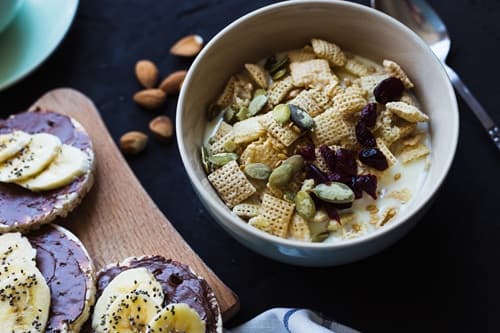
25 Sugar Free Breakfast Ideas That Make Mornings Easier, Healthier and More Satisfying
Breakfast is often described as the most important meal of the day, yet it is also one of the easiest places for added sugar to enter the diet unnoticed. Flavoured cereals, packaged granola, breakfast biscuits, sweetened yoghurt, fruit juice, spreads and instant oatmeal can all make a morning meal look healthy while delivering more sugar than expected.
Choosing a sugar free breakfast does not mean eating bland food, avoiding all carbohydrates or eliminating naturally occurring sugars from whole fruit and dairy. In most cases, it means building breakfast around minimally processed foods and avoiding ingredients that contain added sugar, syrups, sweeteners or heavily refined carbohydrates.
The best sugar free breakfast ideas are not simply “healthy recipes.” They are meals that provide enough protein, fibre, healthy fat and volume to keep you satisfied. They should also be realistic enough to prepare before work, school or a busy day.
This guide explores practical, flavourful and less commonly discussed ways to create a no sugar breakfast, including savoury bowls, protein-rich meals, quick options and make-ahead recipes.
What Does a Sugar Free Breakfast Actually Mean?
The term “sugar free” can be confusing because many whole foods naturally contain sugar.
Milk contains lactose. Fruit contains fructose. Vegetables may contain small amounts of naturally occurring sugars. These foods are different from products containing added sugar, such as table sugar, glucose syrup, corn syrup, honey, jaggery, maple syrup, fruit concentrate or sweetened flavourings.
For most people, a practical sugarless breakfast means:
No added sugar
No sweetened breakfast products
No sugary beverages
Limited highly refined carbohydrates
Greater emphasis on whole foods
Balanced amounts of protein, fibre and healthy fat
A bowl of plain yoghurt with nuts and a small portion of berries may contain natural sugar, but it can still fit within a low-added-sugar eating pattern. On the other hand, flavoured yoghurt with granola and honey may contain several sources of added sugar.
Therefore, the goal should not always be to remove every gram of sugar. A more useful objective is to reduce unnecessary sweetness and create a healthy no sugar breakfast that supports steady energy.
Why Most Breakfasts Become Sugary Without Looking Sugary
Many breakfast products use health-oriented language. Terms such as “multigrain,” “high fibre,” “made with real fruit,” “natural,” “energy,” and “fitness” can make a product seem suitable for daily consumption.
However, a breakfast can become high in sugar through several small additions:
Sweetened tea or coffee
Flavoured milk
Packaged cereal
Fruit juice
Ketchup
Sweetened peanut butter
Flavoured yoghurt
Granola
Breakfast bars
Syrups or spreads
Individually, these items may not seem excessive. Together, they can turn breakfast into the sweetest meal of the day.
One of the most effective strategies is to stop asking, “Is this product healthy?” and start asking, “What is making this food taste sweet?”
That question helps identify hidden sugar more effectively than front-of-pack claims.
The Four-Part Formula for a Healthy No Sugar Breakfast
Instead of depending on complicated recipes, use a simple four-part structure.
1. Start With Protein
Protein contributes to satiety and makes breakfast more substantial.
Useful options include:
Eggs
Plain Greek yoghurt
Cottage cheese
Paneer
Tofu
Tempeh
Unsweetened milk
Lentils
Beans
Chickpeas
Fish
Unsweetened protein powder
2. Add Fibre
Fibre adds volume and helps create a more balanced meal.
Good sources include:
Vegetables
Whole grains
Seeds
Beans
Lentils
Nuts
Berries
Avocado
3. Include Healthy Fat
A small amount of fat can improve flavour and make a low sugar breakfast more satisfying.
Options include:
Nuts
Seeds
Avocado
Olive oil
Nut butter without added sugar
Coconut
Tahini
4. Add Flavour Without Sweetness
Many people believe breakfast needs sugar because they are not using enough savoury flavour.
Try:
Fresh herbs
Black pepper
Cumin
Coriander
Turmeric
Cinnamon
Ginger
Garlic
Lemon
Chilli
Paprika
Mustard
Vinegar
Unsweetened cocoa
This structure makes it easier to create dozens of sugar free breakfast ideas from ingredients already available at home.
25 Sugar Free Breakfast Ideas
1. Masala Egg and Vegetable Bowl
Scramble eggs with spinach, tomatoes, onions, green chilli, black pepper and turmeric. Serve the mixture in a bowl rather than with white bread.
To make the meal more filling, add avocado, roasted seeds or a small portion of unsweetened curd.
This is a quick no sugar breakfast that combines protein, vegetables and flavour without requiring packaged sauces.
2. Savoury Oats With Egg and Spinach
Oats are usually paired with honey, flavoured milk or sweet fruit. However, savoury oats can be more satisfying.
Cook rolled oats in water or unsweetened milk. Add spinach, cumin, black pepper, herbs and a boiled or poached egg.
For a richer flavour, add a spoonful of plain yoghurt or grated cheese.
This version transforms oatmeal into a healthy no sugar breakfast instead of a sweet cereal substitute.
3. Besan Chilla With Mint Yoghurt
Besan chilla is made from chickpea flour and can be prepared with chopped onions, tomatoes, coriander, spinach and spices.
Serve it with plain mint yoghurt instead of sweet chutney or bottled sauce.
Because chickpea flour provides both protein and fibre, this meal can work well for people looking for filling Indian sugar free breakfast ideas.
4. Paneer and Vegetable Scramble
Crumble paneer and cook it with onions, capsicum, tomatoes, spinach and spices.
Serve it alone, inside a lettuce wrap or with a small whole-grain roti.
Check packaged paneer labels when possible, although most plain varieties do not contain added sugar.
5. Tofu Bhurji With Sesame Seeds
Tofu bhurji offers a plant-based alternative to scrambled eggs or paneer.
Cook crumbled tofu with turmeric, garlic, tomatoes, onions and green vegetables. Sprinkle sesame or pumpkin seeds on top.
This sugarless breakfast is especially useful for people following a vegan or dairy-free diet.
6. Plain Greek Yoghurt With Nuts and Seeds
Choose plain, unsweetened Greek yoghurt and add walnuts, almonds, chia seeds, pumpkin seeds and cinnamon.
A few berries may be added for natural flavour. Avoid flavoured yoghurt, sweetened granola and dried fruit, which can quickly increase sugar content.
This is one of the simplest low sugar breakfast options for busy mornings.
7. Cottage Cheese With Cucumber and Herbs
Cottage cheese is often paired with fruit, but it also works well as a savoury breakfast.
Combine it with chopped cucumber, tomatoes, black pepper, fresh herbs and a small amount of olive oil.
The result is fresh, protein-rich and easy to prepare without cooking.
8. Moong Dal Chilla With Paneer Filling
Soak and blend moong dal with ginger, chilli and spices. Cook the batter like a thin pancake and fill it with paneer, tofu or vegetables.
This meal contains more protein than many standard breakfast choices and can be prepared in advance.
It is a practical sugar free breakfast for people who want a traditional meal without sweet cereal or toast.
9. Avocado Egg Bowl
Combine chopped boiled eggs with avocado, lemon juice, pepper, herbs and a pinch of salt.
Serve it in a bowl, on cucumber slices or with a small piece of whole-grain toast that does not contain added sugar.
The combination of protein and fat makes this meal particularly satisfying.
10. Vegetable Upma Without Sweetened Accompaniments
Upma itself does not usually require sugar. The main improvement is to increase the vegetable content and pay attention to side dishes.
Add peas, carrots, beans, onions and peanuts. Serve it with plain curd rather than sweet tea, packaged juice or sugary chutney.
This is a useful reminder that a no sugar breakfast is often created by adjusting the complete meal, not replacing the main dish.
11. Sprouted Moong Breakfast Bowl
Combine steamed or lightly sautéed sprouted moong with cucumber, tomato, onion, coriander, lemon and roasted peanuts.
Add paneer, tofu or a boiled egg for more protein.
This bowl is crunchy, fresh and suitable for people who prefer a lighter breakfast.
12. Leftover Vegetable and Lentil Bowl
Breakfast does not have to use traditional breakfast foods.
Leftover dal, roasted vegetables, grilled paneer, chicken or beans can be combined into a balanced morning bowl. Add herbs, lemon or plain yoghurt to refresh the flavour.
Using leftovers is one of the most practical and overlooked sugar free breakfast ideas because it reduces waste and saves time.
13. Egg Muffins With Vegetables
Whisk eggs with chopped spinach, mushrooms, capsicum and herbs. Pour the mixture into muffin moulds and bake.
These egg muffins can be prepared in batches and stored for busy mornings.
Avoid adding sweetened sauces. Mustard, chilli flakes, pepper or homemade chutney can provide flavour without sugar.
14. Chia Seed Bowl Without Sweeteners
Most chia puddings are made with honey, dates or maple syrup. A lower-sugar version can be made with unsweetened milk, chia seeds, cinnamon, vanilla and chopped nuts.
Add a small portion of berries only when desired.
The key is to allow the bowl to taste mildly nutty rather than trying to recreate a dessert.
15. Unsweetened Peanut Butter and Seed Toast
Choose whole-grain bread without added sugar and use peanut butter made only from peanuts, or peanuts and salt.
Add chia seeds, pumpkin seeds or a few slices of cucumber for texture.
Many commercial nut butters contain sugar, so reading the ingredient list is essential.
16. Hummus and Vegetable Toast
Spread unsweetened hummus on whole-grain toast. Add cucumber, tomato, sprouts, pepper and herbs.
Hummus provides protein, fibre and fat, making it more balanced than jam or sweetened spreads.
This is a convenient sugarless breakfast for people who prefer a plant-based morning meal.
17. Breakfast Salad With Eggs or Chickpeas
A breakfast salad may sound unusual, but it is an effective way to reduce dependence on sweet morning foods.
Use leafy greens, cucumber, tomatoes, avocado, eggs or chickpeas, seeds and a lemon-based dressing.
Avoid bottled dressings unless the label confirms that no sugar or syrup has been added.
18. Quinoa and Vegetable Breakfast Bowl
Cook quinoa in water or unsweetened stock and combine it with sautéed vegetables, herbs and eggs, tofu or beans.
Quinoa has a mild flavour and works well with savoury seasonings.
Prepare it in advance and reheat it in the morning for a quick healthy no sugar breakfast.
19. Mushroom and Spinach Omelette
Cook mushrooms until they release their moisture, then add spinach and beaten eggs. Season with pepper, herbs and a small amount of cheese.
This is a classic breakfast, but it becomes especially useful when paired with vegetables rather than sugary toast, juice or flavoured coffee.
20. Savoury Yoghurt Bowl With Cucumber and Seeds
Mix plain yoghurt with grated cucumber, mint, roasted cumin and black pepper. Top with sunflower seeds, pumpkin seeds or walnuts.
This combination resembles a thick raita and can be eaten as a light breakfast.
It is a refreshing alternative to fruit-flavoured yoghurt.
21. Ragi Dosa With Protein-Rich Filling
Prepare ragi dosa without adding sugar to the batter. Fill it with paneer, egg, tofu or spiced vegetables.
Serve it with coconut chutney that has not been sweetened.
Although ragi contains carbohydrates, pairing it with protein and fat creates a more balanced low sugar breakfast.
22. Smoked Salmon or Grilled Fish Breakfast Plate
Combine fish with cucumber, tomatoes, greens, avocado and eggs.
This is not a common breakfast in every household, but it provides a high-protein alternative to cereal and baked goods.
When using smoked fish, check the label for added sugar because some curing mixtures contain it.
23. Lentil and Vegetable Patties
Combine cooked lentils with chopped vegetables, spices and ground seeds. Shape the mixture into patties and cook on a pan.
Serve with plain yoghurt, tahini or an unsweetened herb dip.
These patties can be prepared in advance and reheated, making them useful for meal planning.
24. Coconut Vegetable Poha
Prepare poha with onions, peas, peanuts, curry leaves, mustard seeds and unsweetened coconut.
Avoid adding sugar, which is included in some regional recipes. Lemon can provide brightness and balance instead.
Adding eggs, sprouts or paneer can improve the protein content.
25. Savoury Breakfast Jar
Layer plain yoghurt or cottage cheese with cucumber, tomatoes, sprouts, seeds, herbs and roasted chickpeas in a jar.
Store it overnight and eat it chilled the next morning.
This unusual make-ahead format is useful for people who need portable sugar free breakfast ideas for work or travel.
Seven-Day Sugar Free Breakfast Plan
A weekly plan can make low-sugar eating easier because it reduces morning decision-making.
Day 1
Masala egg and vegetable bowl with plain tea or coffee.
Day 2
Besan chilla with mint yoghurt and cucumber.
Day 3
Plain Greek yoghurt with walnuts, chia seeds and cinnamon.
Day 4
Paneer bhurji with spinach and a small whole-grain roti.
Day 5
Savoury oats with mushrooms and a boiled egg.
Day 6
Sprouted moong bowl with vegetables, lemon and roasted peanuts.
Day 7
Ragi dosa with tofu or paneer filling and coconut chutney.
This plan can be adjusted based on food preferences, dietary restrictions and availability.
Common Mistakes When Preparing a No Sugar Breakfast
Depending Too Heavily on “Sugar-Free” Packaged Foods
A label that says “sugar-free” does not automatically make a food nutritious. Some products contain refined starches, sugar alcohols, artificial sweeteners or highly processed ingredients.
These products may be useful occasionally, but they should not replace whole foods in every meal.
Drinking Sugar Instead of Eating It
A breakfast may look balanced while the accompanying drink contains significant sugar.
Common examples include:
Sweetened tea
Sweetened coffee
Packaged juice
Flavoured milk
Energy drinks
Café beverages
Sweet lassi
Water, plain tea, plain coffee or unsweetened milk are generally more suitable for a sugarless breakfast.
Removing Sugar but Forgetting Protein
Toast without jam may technically contain less sugar, but it may not keep you satisfied for long.
A healthy no sugar breakfast should include a protein source such as eggs, yoghurt, paneer, tofu, lentils, beans or nuts.
Using Too Many Dried Fruits
Dates, raisins, cranberries, figs and other dried fruits are often added to breakfast bowls as “natural sweeteners.”
Although they can be part of a balanced diet, dried fruit contains concentrated sugar and is easy to overeat. Some packaged varieties also contain added sugar.
Use small portions rather than treating dried fruit as an unlimited topping.
Assuming Honey and Jaggery Do Not Count
Honey, jaggery, coconut sugar, brown sugar and maple syrup may differ in flavour and processing, but they still contribute sugar.
Replacing white sugar with a “natural” sweetener does not necessarily create a no sugar breakfast.
Ignoring Sauces and Condiments
Ketchup, chilli sauce, sandwich spreads, bottled dressings and some chutneys can contain added sugar.
Use herbs, spices, lemon, vinegar, plain yoghurt, tahini or homemade chutneys to add flavour.
How to Read a Breakfast Food Label
When buying bread, yoghurt, cereal, nut butter or plant-based milk, do not look only at the nutrition panel. Read the ingredient list as well.
Added sugar may appear under names such as:
Cane sugar
Invert sugar
Glucose
Dextrose
Maltose
Corn syrup
Rice syrup
Fructose syrup
Fruit concentrate
Molasses
Malt extract
Caramel syrup
The closer an ingredient appears to the beginning of the list, the greater its relative quantity in the product.
Also compare similar products. One brand of plain yoghurt, bread or peanut butter may contain added sugar while another does not.
How to Make a Low Sugar Breakfast Taste Better
Reducing sugar can initially make food taste less exciting because the palate is accustomed to strong sweetness. The solution is not necessarily to use artificial sweeteners. It is often better to increase other forms of flavour.
Use Texture
Combine creamy, crunchy and fresh ingredients.
Examples include:
Yoghurt with seeds
Eggs with crisp vegetables
Paneer with roasted nuts
Oats with sautéed mushrooms
Hummus with cucumber
Use Acidity
Lemon juice, vinegar and plain yoghurt can make savoury foods taste brighter.
Use Aromatic Spices
Cinnamon, cardamom, cumin, pepper, ginger and herbs create flavour without sugar.
Use Natural Richness
Avocado, nuts, seeds, cheese, tahini and coconut add satisfaction and reduce the need for sweet toppings.
Use Salt Carefully
A small amount of salt can improve flavour, but heavily processed salty breakfast foods should not become the default replacement for sugary foods.
Meal Preparation Tips for Busy Mornings
The most effective breakfast is one that can be prepared consistently.
Try these methods:
Boil Eggs in Advance
Store boiled eggs in the refrigerator and use them in bowls, salads or wraps.
Chop Vegetables the Night Before
Prepare onions, cucumber, capsicum, tomatoes or spinach in advance.
Make Batter in Batches
Besan chilla, moong dal chilla and dosa batter can be prepared ahead of time.
Portion Nuts and Seeds
Create small containers with measured portions of almonds, walnuts, pumpkin seeds and chia seeds.
Prepare One Base Ingredient
Cook quinoa, lentils, chickpeas or roasted vegetables and use them in different breakfasts throughout the week.
Keep Emergency Options Available
Useful quick foods include:
Plain yoghurt
Boiled eggs
Unsweetened peanut butter
Roasted chickpeas
Paneer
Nuts
Whole-grain bread without added sugar
Preparation prevents the common situation in which a person wants a sugar free breakfast but chooses a sweet packaged food because it is faster.
Are Fruits Allowed in a Sugar Free Breakfast?
Fruit contains natural sugar, so the answer depends on the meaning of “sugar free” and the person’s nutritional needs.
For someone avoiding added sugar, whole fruit can usually be included. Whole fruit also provides water, fibre, vitamins and plant compounds.
However, portion size and fruit type may matter for people following a medically prescribed low-sugar or carbohydrate-controlled diet.
A practical approach is to:
Choose whole fruit instead of juice
Pair fruit with protein or fat
Avoid adding honey or syrup
Use smaller portions of very sweet or dried fruit
Choose berries, guava or other fibre-rich options when appropriate
A small fruit serving alongside eggs, yoghurt or nuts is different from a large smoothie containing several fruits, dates and sweetened milk.
Is a Sugarless Breakfast Suitable for Everyone?
Reducing added sugar is a practical goal for many people, but individual dietary needs vary.
Children, athletes, pregnant women, older adults, people with diabetes and individuals taking certain medicines may require personalised guidance.
A low sugar breakfast should not become unnecessarily restrictive. The goal is to improve food quality, not create fear around every source of carbohydrate.
People with a diagnosed medical condition should follow advice from a qualified healthcare professional or registered dietitian.
Frequently Asked Questions
What Can I Eat for Breakfast With No Added Sugar?
You can eat eggs, paneer, tofu, plain yoghurt, cottage cheese, vegetables, lentils, beans, unsweetened oats, nuts, seeds, avocado and whole grains that do not contain added sugar.
Is Oatmeal a Sugar Free Breakfast?
Plain oats do not usually contain added sugar. However, instant flavoured oatmeal often does. Prepare oats with unsweetened milk or water and use savoury vegetables, nuts, seeds or cinnamon for flavour.
Is Bread Suitable for a No Sugar Breakfast?
Some breads contain added sugar, while others do not. Check the ingredient list. Bread can be part of breakfast when paired with protein, vegetables and healthy fat.
What Is the Best Sugarless Breakfast for Weight Management?
There is no single best meal. A balanced option containing protein, fibre and vegetables may help improve fullness. Examples include eggs with vegetables, Greek yoghurt with nuts, paneer bhurji or moong dal chilla.
Can I Drink Tea or Coffee?
Yes, but avoid adding sugar, flavoured syrup or sweetened creamer. Gradually reducing sweetness can make the transition easier.
Are Smoothies Good Sugar Free Breakfast Ideas?
Smoothies can become high in sugar when they contain several fruits, juice, dates, honey or sweetened yoghurt. A lower-sugar smoothie may use unsweetened milk, plain yoghurt, seeds, leafy vegetables and a modest amount of whole fruit.
What Is a Quick Healthy No Sugar Breakfast?
Boiled eggs with cucumber, plain yoghurt with nuts, cottage cheese with herbs, hummus with vegetables or unsweetened peanut butter on whole-grain toast can all be prepared quickly.
Final Thoughts
The most effective sugar free breakfast ideas are not based on expensive ingredients, complicated recipes or strict food rules. They are built by removing unnecessary added sugar and replacing it with protein, fibre, vegetables, healthy fat and stronger savoury flavours.
A good sugar free breakfast should leave you satisfied rather than feeling deprived. Eggs, paneer, tofu, lentils, plain yoghurt, nuts, seeds, whole grains and vegetables can be combined in dozens of ways to create meals that are simple and enjoyable.
Instead of trying to create a perfect no sugar breakfast every morning, begin with one practical change. Replace sweetened yoghurt with plain yoghurt. Choose savoury oats instead of flavoured oats. Remove sugar from tea gradually. Check bread and peanut butter labels. Add protein to meals that are mostly carbohydrates.
These small changes make a sugarless breakfast easier to maintain. Over time, they can also reduce dependence on intensely sweet foods and make natural flavours more noticeable.
Whether you prefer an Indian breakfast, a protein-rich bowl, a portable meal or a quick office option, the central principle remains the same: build breakfast from real ingredients and make sweetness optional rather than automatic.
Share this article: