
How Much Protein is in Soya Chunks Per 100g? A Complete Breakdown
2026-02-09 • 4 min
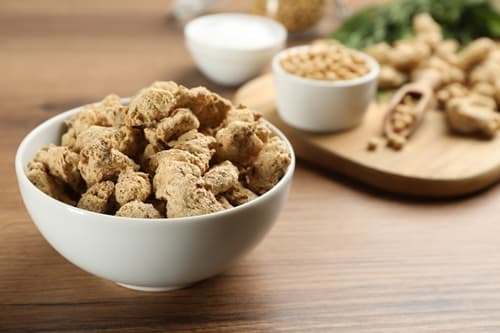
If you’re here looking for protein in soya chunks per 100g or to know the plant-based food item in detail, congratulations! You are making the right choices towards a healthy life.
The social media influence is not always bad. On the contrary, it has influenced many to shift their focus from alcohol and parties to health and fitness. It is not a niche interest anymore, but an everyday priority. And protein has become the centre of this wellness trend.
People are regularly tracking their steps, strength training, and macronutrients. At the same time, busy schedules are pushing demand for food choices that are simple, affordable, and high in nutrition.
In that search for practical protein that fits modern lifestyles, one option that keeps showing frequently, especially for vegetariains is soya chunks. They are affordable, shelf-stable, and easy to cook. Also, soya chunks are often called one of the most protein-rich vegetarian foods.
Here’s a complete guide on the food item: soya chunks protein per 100g, comparison with other protein sources, benefits, potential side effects, how you can add them to your diet, and more.
What are Soya Chunks
Soya chunks are defatted soybeans. It is a form of textured vegetable protein (TVP) made with processed soybeans. The process removes the fat from soy flour and extracts the protein. Afterwards, it is textured into dry nuggets or chunks.
Soya Chunks Nutritional Value Per 100g
Every soya chunk brand will show a slightly different dry value of raw soya chunks protein per 100g. It varies depending on how the brand processes the soybean oil and how much protein the extract contains.
Nevertheless, like every other food item, the soya chunks' nutritional value differs depending on how you consume them: raw or boiled. Here are the standard respective nutritional values:
Raw Soya Chunks Protein Per 100g
Protein in Soya Chunks Per 100g Boiled
Boiling adds water weight. Here, the soya chunks protein per 100g calories depend on how you soak, boil, and how much water you drain.
Considering that your raw 100g of soya chunks converts to 250g after boiling, here’s what you’ll get out of it.
TIP: There are some water-soluble nutrients in soya chunks that leach into the boiling water. Therefore, it is recommended to use the water in broth/gravy so the vitamins and minerals stay intact.
Comparing Soya Chunks With Other Sources
· Protein in soya chunks per 100g is more than that of 200g of chicken (~62g) and 250g of boiled eggs (~32g).
· Chicken and eggs have more fat content than 100gm boiled soya chunks, accounting for 4g and 25g, respectively.
· 350mg of calcium in 100 g of soya chunks is almost equivalent to dairy paneer, while staying vegan.
· The 20mg iron content adds up to 111% of the daily recommended value.
· Vitamins A & C in 100g of soya chunks combat anemia better than lentils.
· Unlike chicken and eggs, 100g of boiled soya chunks have ~15g of fiber, making you feel full for a longer time and aiding in dieting.
· Meat absent phytoestrogens in soya aid menopause relief and prostate health.
Health Benefits of Soya Chunks
As mentioned, soya chunks are concentrated soy protein (TVP). That’s why the benefits are real, and also why portion control matters. Surprisingly, they pack more than just protein.
High-Quality Protein
Soya chunks are among the few plat protein that are considered complete, which means it has all essential amino acids. Their addition in diet helps fill protein gaps, especially in vegetarian diets, and helps repair muscle after a workout. As a matter of fact, the protein in soya chunks per 100g keeps you fuller for longer than most carb-heavy meals.
Helps in Weight Management
Did you know protein is the most filling macronutrient? Since soya chunks are rich in fiber and protein, they promote feelings of fullness, reducing random snacking. Ultimately assisting people to cut weight and making them stronger at the same time.
Improves Heart Health
Soy is proven to reduce bad cholesterol, termed as LDL. Additionally, the active compounds in chunks are low in saturated fat compared to processed meat. This means you can swap the meat with soya and vegetables for a heart-friendly upgrade.
Aid Digestion and Blood Sugar
Unlike eggs, chicken, and paneer, soya chunks pack meaningful fiber along with protein. This aids in gut support and regular bowel movement. Moreover, it lowers the sugar spike after a meal, making it a healthy choice for diabetic patients.
Supports Hormone Balance
Studies report that the isoflavones, phytoestrogens in soya, mimic weak estrogen in the body. Therefore, they are beneficial for regulating hormonal fluctuations, especially in women, such as during menopause, PCOS, PMS, and more.
What if You Overconsume Soya Chunks?
Protein is healthy when you consume it from different sources like dal, eggs, paneer, chicken, fish, or chickpeas. Dietitians often recommend a 50g raw serving of soya chunks per day that will give around 20 - 25g of protein.
While you can consume it more than this, you might notice a few potential side effects if done for a prolonged time, such as:
· Gas, bloating, stomach discomfort, constipation, and digestive stress
· Dehydration
· Risk of kidney strain for people who already have an existing kidney issue
· It can reduce the absorption of your thyroid dosage if taken soon after the dose.
· Allergic reactions in some people
In a broader view, it is not much of a big deal for most people. But prevention is always better than a cure.
How to Incorporate Soya Chunks into Your Diet
Think of soya chunks as a base that can be used not only in curries, but across various dishes. But it is essential to prepare them by boiling and draining first, as raw chunks are not digestible.
In case you’re wondering, the protein in soya chunks per 100g boiled will appear lower per 100g raw, even though the total protein you’re eating is basically the same. Here are practical ways to use them across your menu.
· Soups: Soya soaks up the soup broth to give you a full flavor. Ensure to add them in the last 5 minutes so they don’t turn spongy.
· Salads: If you get bored with your regular vegetables, boil the soya chunks, pan-roast them, and add them to your salad bowl to improve texture and taste.
· Appetizers: Soya chunks can offer a filling starter base if prepared right. They can be cooked into soya cutlets, soya kebabs, soya popcorn, soya tikka, and more.
· Snacks: When you want something crunchy, spicy, yet healthy, try easy hacks like soya chaat, roasted soya, soya pepper dry, soya wraps, or soya rolls.
· Curries/ Dishes: Soya can replace paneer, mushrooms, or even minced meat-style fillings. Be it soya bhurji, soya curry, soya rice, kadhai soya, and more.
FAQs
1. Are soya chunks good for weight loss?
Soya chunks are high in protein that keeps you full for a longer time and supports muscle while dieting, making it a great choice for weight loss.
2. Can a diabetic patient eat soya chunks?
Yes, soya chunks are safe to consume for a diabetic person as they are protein-rich and do not release glucose into the bloodstream.
3. What can I add to soya chunks for high-protein meals (rice/roti/salad)?
To make the meal healthy, pair soya chunks with dal/sprouts/chickpeas, paneer, curd/Greek yogurt, and lots of veggies. Keep the carb (rice/roti) portion moderate.
4. Soya chunks vs. paneer: which is higher in protein?
Soya chunks. 100 g of paneer has around 18g of protein, while the same amount of raw soya chunks contains 52g of protein. Also, paneer is more calorie-dense due to fat, unlike soya chunks.
5. Are soya chunks bad for thyroid and PCOS/ PCOD?
Not inherently. However, it is advised not to take soy soon after the thyroid medicine, as it slows down the absorption. For PCOS, moderate soy intake is generally fine for most people unless.
Share this article: