Sleep Better Gummies
Enhance the quality of sleep and focus with a flavourful dose

₹489.00
4.6

2025-12-22 • 4 min
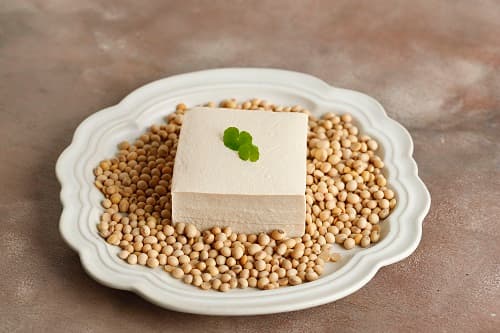
Tofu has a weird reputation. Some people see it as bland, some see it as a “diet food,” and others assume it’s only for vegans. Here’s the thing: tofu is one of the most practical, high-utility protein foods you can keep in an Indian kitchen. It’s quick, budget-friendly, easy to season, and it can genuinely help you hit your daily protein target without making your meals feel heavy.
If you’re searching for tofu because you want clear numbers, you’re not alone. People constantly look up tofu protein per 100g, 100 gm tofu protein, protein in tofu per 100g, and 100g tofu protein because they want certainty. Let’s break it down in a way that actually helps you eat better, not just memorize macros.
Tofu Protein Per 100g: The real number (and why it changes)
The most important thing to understand is this: tofu isn’t one fixed product. The protein content depends heavily on how much water is in the tofu block. More water means less protein per bite. Less water means higher protein density.
That’s why tofu comes in different types:
Silken tofu (very soft, high water)
Soft tofu
Firm tofu
Extra-firm tofu (lowest water, most dense)
So when someone asks tofu protein per 100g, the correct answer is: it depends on the type and brand. But you can still use realistic ranges that match what most nutrition labels show.
Typical protein ranges you’ll see
· Silken tofu: around 4 to 7 grams protein per 100 g
· Firm tofu: around 12 to 18 grams protein per 100 g
· Extra-firm tofu: often around 15 to 20 grams protein per 100 g
So yes, 100 gm tofu protein can look “low” if you’re using silken tofu. But if you’re using firm or extra-firm tofu, protein in tofu per 100g becomes genuinely impressive.
If your goal is protein, you want firmer tofu. That’s the biggest shortcut.
What “protein in tofu per 100g” means in real meals
Most people don’t eat exactly 100 g tofu. They eat a curry portion, a stir-fry portion, or a bhurji portion. So it helps to translate 100g tofu protein into servings.
Let’s say your tofu is firm and gives you roughly 15 g protein per 100 g. Then:
150 g tofu gives roughly 22 to 23 g protein
200 g tofu gives roughly 30 g protein
250 g tofu gives roughly 37 to 38 g protein
That’s why tofu protein per 100g matters. It tells you how quickly tofu can move your daily protein total.
If you’re trying to build muscle, lose fat, or simply stay full longer, tofu becomes a strong option because it scales easily. You can increase protein without making the meal feel greasy or overly heavy.
Tofu protein per 100g Indian: what changes in India
A lot of people specifically search tofu protein per 100g indian because Indian tofu brands vary a lot. Some local tofu is softer and waterier, even when it’s sold as “firm.” Some brands press it more. Some fortify it. Some make it crumbly.
So the “Indian” part usually comes down to three practical points:
Brand-to-brand differences can be big
Fresh tofu from local dairies can be high-water
Nutrition labels are your best friend
If you want the best tofu protein per 100g indian option, choose a pack that clearly shows higher protein per 100 g on the label, and pick firm or extra-firm tofu when possible.
Why tofu is a smart plant-based protein choice
Tofu isn’t just about numbers. It’s also about consistency. The best protein food is the one you can eat regularly without getting bored, without overspending, and without cooking stress. Tofu wins here.
It’s protein without the heaviness
Many people rely on paneer for protein. Paneer is great, but it can be calorie-dense and heavy for daily meals. Tofu gives you a lighter texture and often a leaner profile while still delivering solid protein.
If your digestion feels better with lighter meals, tofu can be a game-changer. That’s why protein in tofu per 100g is worth tracking. It helps you build meals that feel good and still meet your goals.
It’s versatile in Indian cooking
Tofu absorbs flavour. That’s not a weakness, it’s a superpower. If you treat it correctly, it tastes like whatever you want it to taste like.
Tofu works beautifully in:
Tofu bhurji (like anda bhurji, but plant-based)
Tofu tikka
Tofu butter masala style gravy
Palak tofu
Tofu do pyaza
Indo-Chinese chilli tofu
Stir-fry tofu with capsicum, onion, and sauces
This versatility makes it easier to eat tofu often, which is the real secret to hitting protein goals.
It’s easy to portion
Because tofu comes in blocks, portion control is simple. If your plan says 200 g tofu today, you can weigh it and you’re done. That makes 100g tofu protein calculations actually useful, not theoretical.
The biggest mistake people make with tofu
Most people cook tofu like paneer. And then they complain tofu is boring or rubbery.
Tofu needs a slightly different approach:
Remove extra water
Give it a strong marinade
Cook it hot for texture
Once you do this, tofu stops feeling like “healthy food” and starts feeling like real food.
How to prep tofu so it tastes good
Step 1: Press it (even if it looks firm)
Wrap tofu in a clean cloth or paper towel, place a plate on top, add weight, and press for 10 to 15 minutes.
This improves:
Browning
Texture
Flavour absorption
Pressing also helps your tofu protein per 100g feel more satisfying because the tofu becomes denser and meatier in bite, even if the label number doesn’t change.
Step 2: Marinate like you mean it
A simple Indian marinade that works every time:
Ginger-garlic paste
Salt
Red chilli powder
Turmeric
Coriander powder
Garam masala
Lemon juice
A little oil
Optional: kasuri methi, amchur, pepper
Give it 15 to 30 minutes. Longer is better if you have time.
Step 3: High heat cooking
Pan-sear tofu cubes until golden. Or air-fry. Or bake. Then add to gravy near the end so it stays firm.
This one technique can change your entire tofu experience.
Tofu vs other common protein sources (no drama, just clarity)
People often compare tofu with paneer, eggs, chicken, or dal. The point isn’t to declare a winner. The point is to use each food intelligently.
Dal is excellent but can be slow to cook and protein density depends on how thick you make it
Paneer is high protein but often higher in calories and saturated fat
Eggs are great but not everyone eats them
Chicken is high protein but not vegetarian
Tofu fills a practical gap: vegetarian, convenient, and protein-dense (especially firm tofu). That’s why tofu protein per 100g keeps trending in searches.
How to use tofu for high-protein Indian meals
Tofu bhurji power breakfast
Make tofu bhurji with onion, tomato, capsicum, and spices. Add a side of fruit or a small bowl of curd if you take dairy. This is a clean way to start the day with strong protein.
If you’re tracking, estimate your portion:
· 200 g tofu bhurji can deliver a big chunk of daily protein depending on the tofu type
That’s where 100 gm tofu protein math becomes useful.
Palak tofu dinner
Make palak gravy and add seared tofu cubes. It’s satisfying, high-protein, and feels lighter than palak paneer for many people.
Chilli tofu meal
Indo-Chinese chilli tofu with veggies is an easy way to make tofu exciting. Pair it with a small portion of rice or noodles and you’ve got a complete meal.
Tofu in dal
Add tofu cubes into dal at the end. It’s an underrated hack for increasing protein in a normal Indian meal without changing your whole routine.
Tofu, soreness, and recovery: the real-life angle
A lot of people search tofu for protein goals, but they’re also dealing with tired bodies from long workdays, workouts, or poor posture. That’s when people start searching things like medicine for lower back pain, neck pain tablet name, pain killer spray, or best anti inflammatory gel.
Those keywords show a real pattern: people want quick relief. But recovery isn’t only about quick relief. Your body also needs support from basics like sleep, hydration, movement, and steady protein intake across the day.
Tofu fits into that recovery picture because it helps you meet protein needs more consistently, especially if you’re vegetarian. More consistent protein can support muscle repair and strength maintenance over time.
Important: if you’re dealing with persistent pain, don’t self-prescribe based on internet searches like medicine for lower back pain or neck pain tablet name. Pain can have many causes. Talk to a qualified healthcare professional for proper diagnosis and safe options, including whether a pain killer spray or best anti inflammatory gel is appropriate for you.
How to choose tofu for maximum protein
If you want the highest tofu protein per 100g, follow this simple checklist:
Choose firm or extra-firm tofu
Check the nutrition label for protein per 100 g
Pick tofu that feels dense, not watery
Avoid very soft tofu if your goal is protein density
Store properly so texture doesn’t degrade (keep it chilled, use fresh)
For anyone searching tofu protein per 100g indian, this is the real answer: the label and firmness matter more than generic internet numbers.
Common tofu myths that need to die
Myth 1: Tofu is always low protein
Not true. Firm tofu can be very high protein. Silken tofu is lower. That’s why protein in tofu per 100g changes.
Myth 2: Tofu can’t taste Indian
Tofu is basically a flavour carrier. Indian cooking is flavour-rich. They match perfectly if you press and sear tofu first.
Myth 3: Tofu is only for people on diets
Tofu is for anyone who wants a practical, high-protein ingredient that can be cooked in 15 to 20 minutes.
FAQ: Quick answers people actually want
How much protein is in tofu per 100 g?
Tofu protein per 100g varies by type. Silken tofu is usually much lower, firm and extra-firm tofu are much higher. If you want a reliable number, use the pack label.
Is 100 gm tofu protein enough for a meal?
If you eat only 100 g tofu, it might be a moderate protein meal depending on the tofu type. Many people find 150 to 250 g tofu more practical as a main protein portion.
What’s the best tofu type for protein in tofu per 100g?
Extra-firm is usually best for protein density and texture. Firm is also excellent.
Is tofu good for daily eating?
For most people, tofu can be a regular part of a balanced diet. If you have specific health conditions or dietary restrictions, align with a professional.
How do I make tofu less watery and more tasty?
Press it, marinate it, sear it hot. This one rule fixes most tofu complaints.
Final thoughts
Tofu is one of the smartest plant-based protein choices because it’s realistic. You can buy it easily, cook it fast, and make it fit Indian food without forcing yourself into boring meals. And when you understand tofu protein per 100g properly, you stop underestimating tofu.
So the next time you search tofu protein per 100g, 100 gm tofu protein, protein in tofu per 100g, 100g tofu protein, or tofu protein per 100g indian, remember the key point: tofu’s protein density depends on firmness and water content. Choose firm or extra-firm, cook it correctly, and tofu becomes a reliable, high-protein staple you’ll actually enjoy eating.
Share this article:
Enhance the quality of sleep and focus with a flavourful dose
₹489.00
Dose of goodness for a healthy gut and weight management

₹529.00
₹499.00
Infused with 6 powerful essential oils

₹1,299.00
₹999.00
Your eco-friendly foundation for every flow

₹3,999.00
₹3,499.00
18/8 stainless steel, BPA free sipper.

₹1,499.00
₹1,299.00
Your eco-friendly foundation for every flow
₹3,999.00
₹3,499.00
A herbal dose of complete wellness

₹439.00
A dose of immunity and goodness with a tangy twist

₹439.00
₹419.00