
Pain Relief
L5-S1 Disc Bulge Recovery Time
2026-06-29
5 min read
2026-08-14 • 4 min read
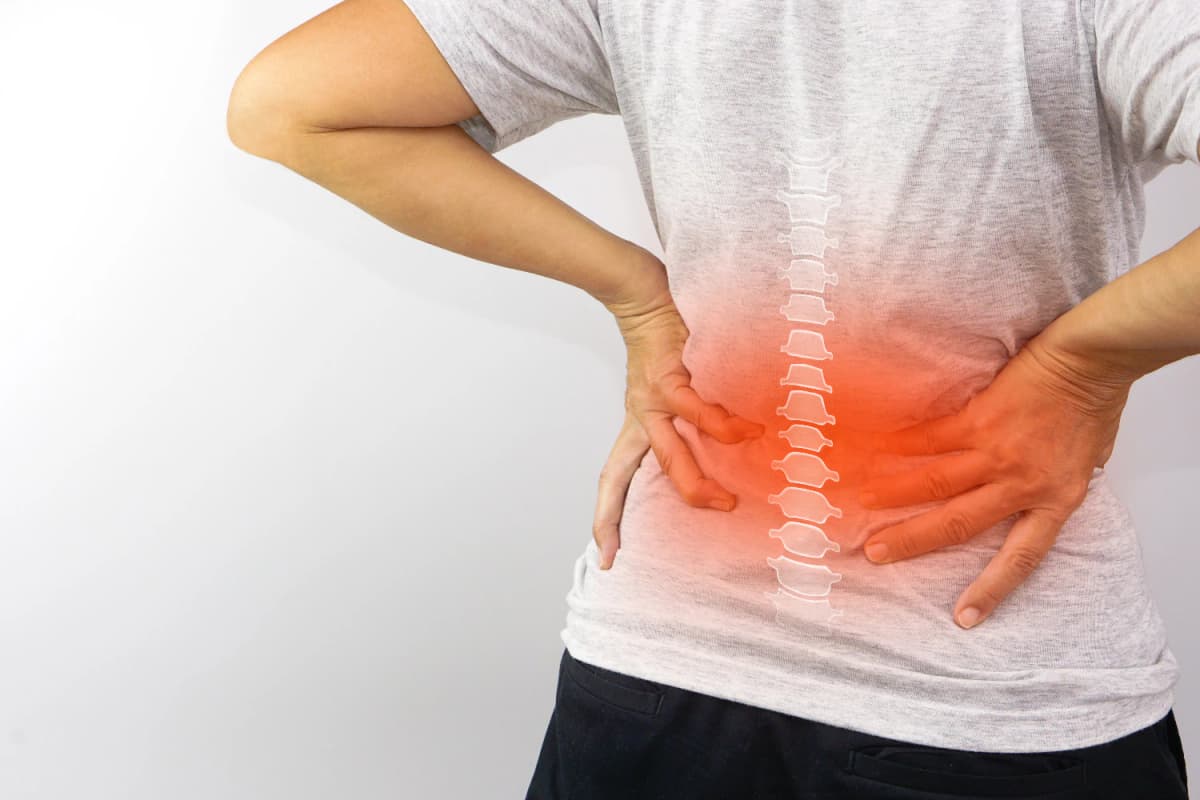
A sharp, electric pain shoots from your lower back down into your calf. Bending to tie your shoes feels like a gamble. If this sounds familiar, a herniated disc (often called a slip disc) might be behind it. Slip disc treatment is one of the most-searched pain topics in India and globally, and for good reason: herniated disc symptoms can range from mildly annoying to genuinely debilitating. The reassuring part? According to the NCBI's InformedHealth.org resource, the symptoms of a slipped disc usually resolve on their own within six weeks, and up to 80 to 90 percent of cases improve without surgery.
That still leaves a lot of confusion. Bulging disc, herniated disc, slipped disc. Are they the same thing? When should you worry? And what actually helps with bulging disc relief that doesn't involve immediately jumping to surgery? This post breaks it down, clearly and practically.
Your spine is a stack of 33 bones (vertebrae), and between most of them sits a flat, rubbery cushion called an intervertebral disc. Think of each disc like a jelly doughnut: a tough outer ring (the annulus fibrosus) surrounds a soft, gel-like center (the nucleus pulposus). These discs absorb shock, allow your back to bend and twist, and keep vertebrae from grinding against each other.
A herniated disc happens when the soft nucleus pushes through a crack or tear in the outer ring. If that leaked material presses against a nearby spinal nerve, you get pain, sometimes severe. The American Academy of Orthopaedic Surgeons (AAOS) notes that disc herniation is one of the most common causes of lower back and leg pain, with about 60 to 80 percent of people experiencing lower back pain at some point in their lives (AAOS, OrthoInfo).
Not every herniated disc causes pain, though. MRI studies have found that roughly 30 out of 100 adults aged 20 to 30 have a herniated disc without any symptoms at all (NCBI InformedHealth.org). The disc can be bulging quietly for years before something triggers the nerve irritation.
For a deeper look at disc bulge recovery timelines and treatment paths, see our detailed guides on disc bulge treatment and L5-S1 disc bulge recovery time on the Reset blog.
Herniated disc symptoms depend heavily on where the damaged disc sits and whether it is actually pressing on a nerve. Plenty of herniations cause no symptoms at all and are found incidentally on an MRI taken for something else. But when a nerve is involved, here is what people typically feel:
Lower back herniations (the most common kind, usually at the L4-L5 or L5-S1 levels) tend to produce pain in the buttock, thigh, and calf. This is the classic sciatica pattern, where pain follows the path of the sciatic nerve down the leg. You might also notice tingling, numbness, or a weak feeling in the foot. According to the NCBI StatPearls resource on sciatica, a herniated lumbar disc is one of the leading causes of sciatic nerve irritation.
Cervical herniations (in the neck) send pain into the shoulder, arm, and sometimes the hand. Thoracic herniations (mid-back) are rare and tend to cause localized pain around the ribcage.
If your pain sits at the L4-L5 level, our post on L4-L5 pain symptoms explains what your lower back may be telling you.
Red flags that need immediate medical attention: Loss of bladder or bowel control, progressive weakness in both legs, or numbness in the groin/inner thigh area (called saddle anaesthesia). These can indicate cauda equina syndrome, a rare but serious condition that the AAOS and Cleveland Clinic both flag as requiring urgent evaluation.
The primary culprit is age-related wear. Over the years, spinal discs lose water content and elasticity, making the outer ring more prone to cracking. NCBI InformedHealth.org notes that these degenerative changes are a normal part of ageing, though the pace varies significantly from person to person.
Beyond natural ageing, several factors raise the risk. Lifting heavy objects with poor form (bending at the waist instead of the knees) puts sudden, concentrated force on the disc. Prolonged sitting, especially with slouched posture, keeps discs under uneven pressure for hours. Excess body weight adds chronic load to the lumbar spine. Smoking is another factor that people overlook: it reduces blood flow to the discs, speeding up degeneration. The Cleveland Clinic also notes that a single injury rarely causes a healthy disc to herniate; it is usually a combination of degeneration and a triggering movement.
Genetics play a part too. If your parents had disc problems, your discs may be structurally more vulnerable. And some occupations (construction, nursing, warehouse work) involve repetitive bending and lifting that increase cumulative disc stress over time.
Your doctor will usually start with a physical exam. The straight leg raise (SLR) test, where you lie on your back and your doctor lifts your leg, is a classic screening tool for lumbar disc herniation. If raising the leg between 30 and 70 degrees reproduces your leg pain, it strongly suggests nerve root involvement.
An MRI is the gold standard for confirming a herniated disc. It shows the disc, the nerves, and the extent of compression in detail. Regular X-rays will not show a herniated disc, but they can help rule out other causes of back pain like fractures or alignment issues. Your doctor may also check reflexes, muscle strength, and sensation in your legs or arms.
The good news is that most herniated discs do not need an operation. The UK's National Institute for Health and Care Excellence (NICE) guidelines state that conservative treatments, including painkillers, anti-inflammatory medication, and manual therapy, are the first line of approach. Surgery (typically a microdiscectomy) is considered only when there is severe nerve compression or when symptoms persist despite weeks of conservative treatment.
Here is what the treatment progression typically looks like. In the acute phase (first one to two weeks), short-term rest combined with over-the-counter NSAIDs like ibuprofen helps manage pain and inflammation. Prolonged bed rest is no longer recommended; gentle movement is encouraged to prevent stiffness. Physiotherapy comes next, usually beginning in week two or three. A physiotherapist will guide you through core-strengthening exercises, stretches, and postural corrections. This phase is where most people start to see meaningful improvement.
If pain persists beyond six to eight weeks, epidural steroid injections may be offered to reduce nerve inflammation. These are a bridge, not a cure, but they can provide enough relief for physiotherapy to become effective.
When conservative treatment fails after roughly 12 weeks, or if there are red-flag neurological symptoms, surgery becomes a conversation. Microdiscectomy (removing the herniated fragment pressing on the nerve) is the most common procedure for lumbar herniations. The Cleveland Clinic notes that this is typically an outpatient surgery with a relatively short recovery window.
Movement matters, but the right kind of movement matters more. Walking is one of the simplest, safest activities you can do with a herniated disc. It keeps blood flowing to the spinal tissues, prevents deconditioning, and does not place heavy loads on the disc. Swimming and water-based exercises are also good options because the water supports your body weight.
Specific exercises that physiotherapists commonly recommend include pelvic tilts, partial crunches (done with proper form to engage the core without straining the back), McKenzie extensions (lying face down and gently pressing up), and bird-dog stretches. Gentle yoga can help, but avoid any pose that requires deep forward folds or twisting through the lower back.
What to avoid during a flare-up: heavy deadlifts, standing toe touches, full sit-ups, and high-impact running. These movements either compress the disc further or place the spine in a position that increases the risk of the herniation worsening.
In Ayurveda, spinal pain and sciatica are traditionally linked to aggravated Vata dosha. One of the most widely used Ayurvedic remedies for musculoskeletal inflammation is Nirgundi oil, derived from Vitex negundo. Nirgundi contains bioactive compounds like flavonoids, iridoid glycosides, and casticin, which have shown anti-inflammatory and analgesic activity in pharmacological studies. Traditionally, Nirgundi oil is applied topically to affected areas to reduce swelling and ease nerve-related pain, and it has been used in the management of conditions like sciatica, osteoarthritis, and joint stiffness for centuries.
For people looking for herbal support they can take orally alongside their treatment plan, Reset Instant Ease Tablets offer another approach. These tablets combine five Ayurvedic herbs: White Willow (which contains salicin, the natural compound that inspired aspirin), Vayavidang, Ajwain, Safed Jeera, and Pippali. The formulation is designed to provide everyday pain relief support for back pain, sciatica-related discomfort, and joint stiffness, without the gastric side effects commonly associated with conventional painkillers.
To be clear: herbal support like this is a comfort tool, not a replacement for medical treatment. If your disc herniation involves nerve compression or worsening symptoms, see a doctor. But for managing day-to-day aches alongside your physiotherapy and recovery routine, a plant-based oral option can be a practical addition.
Explore the full ingredient profile and reviews at reset.in/products/tablet.
Most herniated discs resolve within four to twelve weeks with conservative care. Surgery is a last resort, not a first step. The naming confusion (slip disc, bulging disc, herniated disc) causes more anxiety than it should; the treatment approach matters more than the label. Red-flag symptoms like bladder issues or progressive leg weakness need urgent attention. Safe, consistent movement (especially walking and core work) is one of the best things you can do during recovery. Herbal support can complement your treatment plan, but it does not replace professional medical guidance.
What is a slip disc?
A slip (herniated) disc occurs when the soft inner core of a spinal disc pushes through a tear in its outer layer. The disc does not actually slip out of place; the term is colloquial rather than medical.
Can a slip disc heal without surgery?
Yes. Most herniated discs heal within four to six weeks with rest, physiotherapy, and pain management. Up to 80 to 90 percent of cases improve without surgical intervention, according to data compiled by InformedHealth.org (NCBI).
What are the warning signs I should not ignore?
Numbness in the groin area, leg weakness that is getting worse (not just intermittent), or loss of bladder or bowel control. These symptoms may point to cauda equina syndrome, which requires urgent medical attention.
Is walking good for a herniated disc?
In most cases, yes. Walking is low-impact and helps maintain blood flow to spinal tissues. If walking increases your pain significantly, especially during an acute flare-up, rest until the inflammation subsides and consult your doctor or physiotherapist before resuming.
How long does a slip disc take to heal?
Most people feel significantly better within six weeks. Full recovery can take three to six months depending on the severity and your adherence to physiotherapy. Surgical cases typically involve a four to twelve week recovery period.
Can a herniated disc come back after treatment?
It can. Recurrence is possible, especially if the underlying causes (weak core, poor lifting habits, prolonged sitting) are not addressed. Continued core strengthening and ergonomic adjustments after recovery are the best prevention.
1. NCBI InformedHealth.org. "Slipped disc: Overview." Institute for Quality and Efficiency in Health Care (IQWiG). Last updated July 2023. https://www.ncbi.nlm.nih.gov/books/NBK279472/
2. American Academy of Orthopaedic Surgeons (AAOS). "Herniated Disk in the Lower Back." OrthoInfo. https://orthoinfo.aaos.org/en/diseases--conditions/herniated-disk-in-the-lower-back/
3. Cleveland Clinic. "Herniated Disk (Bulging Disk): Symptoms & Treatment." Updated April 2026. https://my.clevelandclinic.org/health/diseases/12768-herniated-disk
4. National Institute for Health and Care Excellence (NICE). "Indications and current treatments." Health Technology Guidance HTG399/HTG425. https://www.nice.org.uk/guidance/HTG425/chapter/2-indications-and-current-treatments
5. NCBI StatPearls. "Sciatica." National Library of Medicine, National Institutes of Health. https://www.ncbi.nlm.nih.gov/books/NBK507908/
6. Mayo Clinic. "Back pain: Symptoms and causes." https://www.mayoclinic.org/diseases-conditions/back-pain/symptoms-causes/syc-20369906
Share this article:
A 2X more powerful formula for enhanced relief.

₹799.00
₹629.00
An easy to apply potent formula with roll-on massager

₹549.00
₹449.00
An optimal choice for safe and natural pain relief.

₹349.00
₹229.00
| Term | What is happening | Outer layer intact? | Typical severity |
|---|---|---|---|
| Bulging disc | Disc expands beyond its normal boundary but the outer wall holds. No rupture. | Yes | Often mild or no symptoms |
| Herniated disc | Outer wall tears; soft nucleus pushes through the crack and may press on nerves. | No (torn) | Moderate to severe if a nerve is compressed |
| Slip disc | A colloquial (not medical) term. Usually refers to a herniated disc. The disc does not actually "slip" out of place. | Depends on the case | Varies widely |
| Disc location | Where you feel pain | Other common symptoms |
|---|---|---|
| Lumbar (L4-L5, L5-S1) | Lower back, buttock, thigh, calf, foot | Sciatica, leg weakness, numbness in foot or toes |
| Cervical (C5-C6, C6-C7) | Neck, shoulder, upper arm, hand | Tingling in fingers, grip weakness, neck stiffness |
| Thoracic (rare) | Mid-back, around the ribcage | Band-like pain around the torso, localized stiffness |
| Approach | What it involves | Typical timeline | Best suited for |
|---|---|---|---|
| Conservative care (rest + physio) | Short-term rest, NSAIDs, physiotherapy, core strengthening, postural correction | 4 to 12 weeks | Most herniated discs; mild to moderate symptoms |
| Epidural steroid injections | Corticosteroid injected near the compressed nerve to reduce inflammation | Offered at 6 to 8 weeks if conservative care stalls | Persistent nerve pain not responding to physio alone |
| Microdiscectomy | Minimally invasive surgery to remove the herniated disc fragment pressing on the nerve | Recovery: 4 to 6 weeks post-op | Severe or worsening nerve compression, failed conservative treatment |
| Laminectomy | Removal of part of the vertebral bone (lamina) to give the nerve more space | Recovery: 6 to 12 weeks post-op | Spinal stenosis alongside herniation; larger structural issues |
| Herb | Traditional use | How it may help with disc-related discomfort |
|---|---|---|
| White Willow (Salix alba) | Pain relief across cultures for centuries; active compound salicin inspired modern aspirin | May help with back and joint pain; often gentler on the stomach than synthetic alternatives |
| Vayavidang (Embelia ribes) | Used in Ayurveda as an anti-inflammatory and digestive aid | Anti-inflammatory support without the common gastric side effects of conventional painkillers |
| Ajwain (Trachyspermum ammi) | Widely used for digestive comfort and pain relief in Indian traditional medicine | Helps with pain while also protecting the stomach lining, a useful combination during recovery |
| Safed Jeera (Cuminum cyminum) | Used for digestive health and general anti-inflammatory support | Rounds out the formulation with digestive comfort and mild anti-inflammatory properties |
| Pippali (Piper longum) | One of the most important herbs in Ayurveda for inflammation and respiratory support | Traditionally used to manage inflammation and support the body's pain response |

