
Benefits of Basil Seeds: Nutrition, Uses, and Side Effects (Sabja Seeds)
2026-06-19 • 4 min
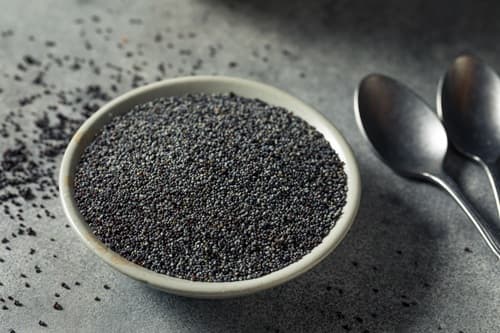
Sabja seeds, also called basil seeds, are dark black seeds widely used in beverages and desserts. However, Sabja seeds do more than enhance the flavor and appearance of the food – they are beneficial to one’s health!
Sabja seeds are rich in nutrients and have been likened to other highly nutritious foods, such as chia and flaxseeds. Sabja seeds come from the sweet basil plant (and not holy basil or Tulsi). Sabja seeds have been dubbed as nature’s wellness wonder.
By adding Sabja seeds to your daily diet, you can enjoy numerous health benefits. This blog covers everything you need to know — from their nutrition facts and uses to their amazing health benefits and possible side effects.
Nutritional Value of Sabja Seeds
Key Nutritional Benefits of Sabja Seeds (Basil Seeds) :
Fiber (Biggest Benefit): Sabja seeds are full of good fiber. When you soak them, they become jelly-like. This fiber keeps you full for longer, helps digestion, supports gut health, and controls blood sugar levels.
Protein: They have some plant protein. This helps build and repair muscles.
Omega-3 Fats: These are healthy fats that are good for your heart and brain.
Calcium: A good amount of calcium makes your bones and teeth strong.
Magnesium: Helps your muscles work well, keeps nerves healthy, and helps you sleep better.
Iron: Gives you energy and helps make red blood cells. It also prevents fatigue.
Antioxidants: These are natural protectors in the seeds. They fight harmful things in the body, reduce aging, and keep you healthy.
Nutrition Facts Per Serving:
A typical serving is 1 tablespoon (about 10–13 grams) of sabja seeds. It contains approximately:
Calories: 35–60 calories
Carbohydrates: About 7 grams (mostly fiber)
Fiber: 5–7 grams
Protein: Around 2 grams
Healthy Fats: About 2–2.5 grams (mainly omega-3)
Sabja Seeds Benefits
Supports Weight Loss: Sabja seeds are great for weight loss because they are rich in fiber. When soaked, they swell up and make you feel full for longer. This reduces hunger and helps you eat less. Drinking a glass of sabja water before meals can naturally control your appetite and prevent overeating.
Improves Digestion: Thanks to their high fiber content, sabja seeds help keep your digestion smooth. They prevent constipation, reduce bloating, and make you feel lighter and more comfortable.
Helps Control Blood Sugar Levels: Sabja seeds are very useful for people with diabetes or those who want to manage blood sugar. The fiber forms a gel-like layer in the stomach, which slows down sugar absorption. This prevents sudden spikes in blood sugar.
Keeps the Body Hydrated: Sabja seeds can absorb a lot of water and help keep your body hydrated. This makes them perfect for summer drinks like lemon water, rose milk, or fruit juice. They also help protect against heatstroke.
Supports Heart Health: These seeds contain healthy omega-3 fats and fiber. Together, they help reduce bad cholesterol, lower inflammation, and keep your arteries clean — all of which support a healthy heart.
Promotes Healthy Skin: Sabja seeds are full of antioxidants that protect your skin from damage caused by the sun, pollution, and stress. Regular use can give you clearer, glowing, and younger-looking skin. They also support health by promoting digestion and hydration.
Uses of Basil Seeds
Once soaked, you can add sabja seeds to almost any drink or soft food.
Lemon water: Add soaked seeds to fresh lemon juice, water, and a little honey.
Smoothies: Blend soaked seeds into your favorite fruit smoothie for extra fiber.
Falooda: This is a popular Indian dessert drink made with milk, rose syrup, vermicelli, and sabja seeds.
Yogurt: Mix soaked seeds into plain or fruit yogurt for a crunchy texture.
Fruit bowls: Sprinkle soaked seeds over chopped fruits like mango, banana, or berries.
Detox drinks: Add them to coconut water, mint water, or cucumber water.
Milk-based beverages: Stir them into warm or cold milk with a little honey or dates for a healthy drink.
Potential Side Effects of Sabja Seeds
Sabja seeds are safe for most people. But like anything, too much can cause problems.
Digestive problems: Due to their high fiber content, eating a lot of Sabja seeds at a time can cause gas, bloating, or abdominal discomfort. To prevent this, be sure to consume smaller amounts and drink enough water to prevent dehydration.
Choking Hazard: One should never eat dry sabja seeds because they can swell up in water to an incredible extent. They could swell when eaten without liquid and block your airway, which could be sudden and pose a serious risk of choking, especially for young children.
Allergic Reaction: Some people have allergic reactions if they eat sabja seeds. Symptoms may include rashes and/or itching, tongue swelling or throat swelling, or difficulty breathing. If you experience any symptoms, stop using it and get medical help.
Sabja Seeds React With Medicines: Sabja seeds have been found to reduce the level of blood sugar and blood pressure. Take care of these seeds if you are on medication for diabetes or high blood pressure. These seeds also help to thin the blood. They should not be eaten regularly without consulting your doctor.
Who Should Avoid Basil Seeds?
Sabja seeds are safe and good for health, but certain groups of people should be careful about eating them:
Pregnant or breastfeeding women: It is not fully known whether it is safe to take these during pregnancy and while breastfeeding, so always check with a doctor before taking these.
Children under 3 years of age: Also may be choking hazards, even if pre-soaked, because of their throat size. Please always check with your child's pediatrician before feeding your child any foods.
Patients with swallowing issues: Very soft consistency, and if they soak in too much, it could cause them to choke.
Conclusion
So, are Sabja seeds worth all the hype? Definitely – if used correctly! These small black seeds are a great remedy for health. They help you feel full, support digestion, cool you down in hot summer weather, and even add to your skin's natural luster. Also, they can easily be mixed into your favorite drinks and desserts! Consider Sabja seeds as your kitchen superfood! The golden rule is to soak first, start small, and listen to your body. The recommended dosage is 1 tablespoon per day. Their consumption either raw or in excess can be harmful. So try it and add some soaked Sabja seeds to the next glass of lemonade or smoothie! Your stomach, heart, and skin will thank you! However, if you are pregnant, have any medical conditions, or are unsure about its usage? It's always a good idea to check with your doctor.
FAQs
What are basil seeds (sabja seeds) and what is their nutritional value?
Sabja seeds are the tiny black seeds derived from the sweet basil plant and are rich in numerous essential nutrients. They offer abundant fiber, are an excellent source of antioxidants, and are also rich in calcium, iron, magnesium, potassium, and a variety of healthy fats, which enhance health.
What are the top health benefits of consuming sabja seeds?
These are the top benefits of sabja seeds: supports digestion, helps to Stay Hydrated, Aids weight loss, helps to regulate blood sugar, is great for heart health, and acts as a potent antioxidant.
Can sabja seeds help with weight loss and digestive health?
Yes. High fiber is good for your digestive health. Maybe effective for weight loss when it is a good part of a balanced life.
How should basil seeds (sabja seeds) be consumed safely?
Basil seeds need to be soaked for 15-20 minutes before consumption. Once the basil seeds are completely soaked, they should be placed into food/drink.
Are sabja seeds beneficial for managing blood sugar levels?
The Sabja seeds slow down carbohydrate absorption and stabilize sugar levels in the body. Sabja seeds are no substitute for medical advice or a doctor's treatment of diabetes.
What are the possible side effects of eating sabja seeds?
Side effects can include gas, indigestion, bloating, and allergic reactions, as well as a choking risk if swallowed dry.
Who should avoid or limit the consumption of sabja seeds?
Anyone experiencing problems swallowing, seed allergies, or any other conditions, or using any medicine, should seek the advice of their doctor before making sabja seeds a part of their diet.
Share this article: