
Omega-3 Foods for Vegetarians: Best Plant-Based Sources
2026-03-06 • Read more
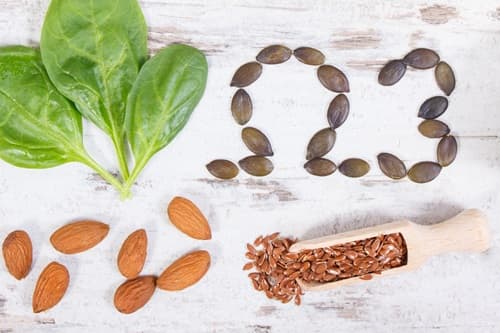
Omega-3 fatty acids are among the most extensively researched and widely recognised essential nutrients in modern nutritional science — classified as essential because the human body cannot synthesise them from other compounds and must obtain them entirely through diet or supplementation — yet despite their critical importance for brain function, cardiovascular health, joint inflammation, eye health, hormonal balance, and immune regulation, surveys consistently show that vegetarians, who avoid the fish and seafood most commonly associated with omega-3 richness, are at significantly elevated risk of omega-3 insufficiency, particularly for the long-chain forms EPA and DHA that drive the majority of omega-3's most powerful health benefits. The encouraging reality, however, is that meeting omega-3 requirements as a vegetarian is not only possible but entirely achievable through a strategically chosen combination of omega-3 rich foods veg options and, where necessary, targeted algae-based supplementation — the same primary source from which fish themselves accumulate their omega-3 content, making algae-derived omega-3 not a compromise but in fact the original and most direct plant-based source of EPA and DHA available to any species. Understanding the three distinct forms of dietary omega-3 fatty acids and how they differ in biological activity, identifying the best and most potent vegetarian omega 3 sources in the plant kingdom, learning the practical daily strategies that maximise omega-3 intake and absorption from plant foods, grasping why ALA conversion to EPA and DHA is limited and what this means for supplementation decisions, and appreciating how omega-3 intake interacts with overall inflammation, gut health, and joint function will equip every vegetarian with the knowledge to build a truly complete nutritional foundation that leaves nothing on the table for long-term health.
The Three Types of Omega-3 Fatty Acids
Not all omega-3 fatty acids are the same, and understanding the distinctions between them is fundamental for any vegetarian seeking to optimise their intake:
ALA — Alpha-Linolenic Acid
ALA is the plant kingdom's primary omega-3 fatty acid, found abundantly in flaxseeds, chia seeds, hemp seeds, walnuts, and certain green vegetables. It is the only omega-3 classified as strictly essential — meaning the body has absolutely no capacity to produce it and it must come from the diet. ALA serves as the precursor from which the body attempts to synthesise EPA and DHA, though this conversion is highly inefficient in most adults.
EPA — Eicosapentaenoic Acid
EPA is a long-chain omega-3 fatty acid with powerful anti-inflammatory properties. It directly inhibits the enzymes that produce pro-inflammatory prostaglandins and leukotrienes, reducing systemic inflammation throughout the body. EPA is the form most strongly associated with cardiovascular protection, mood regulation, and joint health. It is found naturally in fatty fish and algae — making algae the only direct vegetarian source of pre-formed EPA.
DHA — Docosahexaenoic Acid
DHA is the structural omega-3 fatty acid of the brain and nervous system, making up approximately 97% of the omega-3 found in the brain and 93% of the omega-3 in the retina of the eye. It is essential for cognitive development, visual acuity, membrane fluidity in neurons, and neurotransmitter receptor function. Like EPA, DHA is found in fatty fish and algae — and like EPA, algae represents the original biological source, making algae oil the most logical and direct DHA supplement for vegetarians.
Why Vegetarians Are at Higher Omega-3 Risk
Studies consistently show that vegetarians and vegans have significantly lower blood levels of EPA and DHA compared to omnivores — typically 30–60% lower — even when ALA intake from plant foods is adequate. This disparity exists because of the inherent inefficiency of the ALA-to-EPA-to-DHA conversion pathway in the human body.
The enzyme delta-6-desaturase converts ALA to EPA and then to DHA, but this enzyme is slow, subject to significant individual genetic variation, and competes directly with omega-6 fatty acids for enzyme access. The typical modern diet — vegetarian or otherwise — contains a dramatically elevated omega-6 to omega-3 ratio (often 15:1 or higher, compared to the optimal 4:1 or lower), driven by widespread use of sunflower, corn, and soybean oils. This omega-6 dominance competitively inhibits delta-6-desaturase, further reducing the already-limited conversion of ALA to EPA and DHA.
The practical consequence: vegetarians relying solely on ALA-rich plant omega 3 vegetarian sources may meet their ALA requirements comfortably while still having functionally inadequate EPA and DHA levels — the forms that deliver the most clinically significant health benefits.
Best Omega-3 Rich Foods for Vegetarians
Here is a detailed guide to the most valuable vegetarian omega 3 foods, covering both ALA-rich plant sources and the algae option that provides direct EPA and DHA:
1. Flaxseeds — The ALA Powerhouse
Ground flaxseeds are the richest plant-based source of ALA omega-3, providing approximately 2.3g per tablespoon — well above the daily ALA adequate intake for adults. The key word is ground: whole flaxseeds pass through the digestive tract largely undigested, meaning their omega-3 content is never absorbed. Always grind flaxseeds fresh or purchase pre-ground flaxseed meal and store it in the refrigerator to prevent oxidation.
Flaxseed oil, made by cold-pressing whole flaxseeds, is even more concentrated — delivering 7.3g of ALA per tablespoon. However, flaxseed oil should never be used for cooking as heat destroys its omega-3 content. Use it in cold dressings, drizzle over finished dishes, or blend into smoothies.
2. Chia Seeds — Versatile and Nutrient-Dense
Chia seeds deliver approximately 5g of ALA omega-3 per ounce (28g) — making them one of the most concentrated omega 3 rich foods veg options by weight. Unlike flaxseeds, chia seeds do not require grinding; their small size allows digestive enzymes to access their contents directly. They are also rich in fibre, calcium, magnesium, and antioxidants, making them nutritionally dense beyond their omega-3 contribution.
Chia seeds absorb up to twelve times their weight in liquid, forming a gel-like consistency that makes them ideal for chia puddings, overnight oats, smoothie bowls, and as a vegan egg substitute in baking (one tablespoon of chia seeds mixed with three tablespoons of water creates a gel that binds like an egg).
3. Hemp Seeds — The Balanced Ratio Champion
Hemp seeds stand out among omega 3 foods veg choices for their remarkably balanced omega-6 to omega-3 ratio of approximately 3:1 — significantly more favourable than most plant foods and helpful for reducing the omega-6-driven competitive inhibition of ALA conversion. Three tablespoons of hemp seeds provide approximately 2.6g of ALA along with a complete plant protein profile containing all nine essential amino acids.
Hemp seeds have a mild, nutty flavour that makes them easy to add to salads, yoghurt, smoothies, or sprinkled over any dish without significantly altering taste. Hemp seed oil, similarly, makes a nutritious cold dressing option.
4. Walnuts — The Omega-3 Nut
Among all tree nuts, walnuts stand alone as a meaningful source of omega-3, providing approximately 2.5g of ALA per one-ounce serving. All other commonly consumed nuts — almonds, cashews, pistachios, macadamias — contain negligible omega-3. Walnuts also deliver polyphenols, vitamin E, and magnesium, making them a multi-dimensional nutritional choice for vegetarians.
Including a small handful of walnuts as a daily snack, adding them to oatmeal, or using walnut oil as a finishing oil over salads and roasted vegetables are simple, practical ways to consistently incorporate this valuable omega-3 food into a vegetarian routine.
5. Algae and Algae Oil — The EPA and DHA Solution
Algae is the only plant source that provides pre-formed EPA and DHA directly — no conversion required. This is the ecological source from which all marine omega-3 ultimately originates: fish accumulate EPA and DHA by consuming algae and smaller fish that eat algae. Choosing algae oil supplements for EPA and DHA is therefore not a departure from nature but a return to the original source, bypassing the marine supply chain entirely.
Algae oil supplements typically provide 400–600mg of combined DHA and EPA per serving — comparable to fish oil. For vegetarians seeking to maintain adequate DHA for brain health and EPA for cardiovascular and anti-inflammatory benefits, algae oil supplementation is the most scientifically robust and ethically aligned solution. This is especially important for pregnant and breastfeeding vegetarians, as DHA is critical for foetal brain and retinal development.
6. Edamame and Soybean Products
Edamame, tofu, tempeh, and soy milk provide modest but consistent ALA omega-3 contributions. Half a cup of edamame delivers approximately 0.3g of ALA alongside complete plant protein, iron, and calcium. While not as omega-3-dense as seeds or nuts, soy products contribute meaningfully to overall omega 3 vegetarian sources intake when consumed regularly as protein staples.
7. Green Vegetables
Brussels sprouts, kale, spinach, and purslane (one of the richest vegetable sources of ALA) all contain small but cumulative amounts of omega-3. Brussels sprouts provide approximately 0.2g of ALA per cooked cup. While individually modest, daily consumption of these vegetables adds a meaningful background omega-3 contribution to a vegetarian diet, alongside their fibre, folate, vitamin C, and iron benefits.
Plant-Based Omega-3 Sources at a Glance
The table below summarises the key omega-3 vegetarian sources, their omega-3 content, type, and best dietary application:
ALA Conversion — What Vegetarians Need to Know
The conversion of ALA to EPA is estimated at approximately 5–10% in healthy adults; conversion of ALA all the way to DHA is even lower — often below 1–4%. Multiple factors further reduce this already-limited conversion rate:
• High omega-6 intake from refined vegetable oils (sunflower, corn, soybean) competitively blocks the delta-6-desaturase enzyme needed for ALA conversion
• Excess saturated fat intake can inhibit desaturase enzyme activity
• Deficiencies in zinc, magnesium, and B vitamins — co-factors for the conversion enzymes — impair the process further
• Individual genetic variation in FADS1 and FADS2 genes (encoding desaturase enzymes) means some people convert ALA to EPA/DHA significantly less efficiently than average
• Age-related decline in desaturase enzyme activity progressively reduces conversion efficiency in older adults
The practical implication is clear: while consuming abundant ALA from flaxseeds, chia seeds, and walnuts is important and beneficial, vegetarians who rely exclusively on ALA conversion for their EPA and DHA cannot guarantee adequate long-chain omega-3 status. This is the primary reason algae oil supplementation is strongly recommended for vegetarians — particularly those who are pregnant, elderly, managing inflammatory conditions, or concerned about brain and cardiovascular health.
How Much Omega-3 Do Vegetarians Need Daily?
The adequate intake (AI) established for ALA is:
• Adult men: 1.6g of ALA per day
• Adult women: 1.1g of ALA per day
• Pregnant women: 1.4g of ALA per day
• Breastfeeding women: 1.3g of ALA per day
These ALA requirements are easily met by including one tablespoon of ground flaxseeds, one tablespoon of chia seeds, or a small handful of walnuts in the daily diet. However, no official adequate intake has been established specifically for EPA and DHA for the general population, while health organisations typically recommend 250–500mg of combined EPA and DHA per day for general cardiovascular health — a target that is difficult to achieve through ALA conversion alone and requires direct algae-derived supplementation for most vegetarians.
For specific health conditions, higher intakes may be warranted: 1,000mg of EPA+DHA per day for inflammatory conditions; 200–300mg of DHA per day during pregnancy for foetal brain development; and potentially higher amounts under medical supervision for elevated triglycerides or depression.
Tips to Maximise Omega-3 Absorption and Conversion
Implementing these strategies significantly improves the impact of omega-3 foods vegetarian choices:
• Grind flaxseeds before consuming — whole flaxseeds are poorly digested and their omega-3 content is largely inaccessible. Grind fresh in a coffee grinder or buy pre-ground and refrigerate.
• Reduce omega-6 oils dramatically — switch from sunflower, corn, or soybean oil to olive oil (low omega-6) for cooking, and use flaxseed or hemp oil as finishing oils. This single change improves the omega-6:omega-3 ratio and relieves competitive inhibition of ALA conversion.
• Ensure adequate zinc, magnesium, and B vitamins — these are essential co-factors for the desaturase enzymes that convert ALA to EPA and DHA. A daily Reset Multivitamin Gummy provides magnesium, zinc, B12, and other key micronutrients that support both omega-3 conversion and overall cellular health.
• Consume omega-3 foods with healthy fats — omega-3 fatty acids are fat-soluble; consuming flaxseeds or chia seeds alongside avocado, olive oil, or nuts enhances absorption.
• Store omega-3 rich foods and oils carefully — polyunsaturated fats oxidise rapidly when exposed to light, heat, and air. Store ground flaxseed, chia seeds, and omega-3 oils in airtight containers in the refrigerator.
• Support gut health for better lipid absorption — a healthy gut lining is essential for the efficient absorption of fat-soluble nutrients including omega-3. Reset Healthy Gut Gummies, formulated with apple cider vinegar, pomegranate, and vitamin B12, support digestive lining integrity and gut microbiome balance, creating the optimal internal environment for omega-3 absorption.
Are Plant-Based Omega-3s as Effective as Fish Oil?
For ALA — yes. Plant sources provide ALA in abundance, and ALA itself has documented health benefits including reduced cardiovascular risk and anti-inflammatory effects independent of its conversion to EPA and DHA.
For EPA and DHA — algae oil is equally effective as fish oil, because the EPA and DHA in both are biochemically identical and derived from the same original source: marine algae. Studies comparing algae oil to fish oil show equivalent increases in blood EPA and DHA levels at the same doses, making algae oil the most logical choice for vegetarians who want the full-spectrum omega-3 benefits without compromise.
For vegetarians managing joint discomfort, EPA's powerful anti-inflammatory properties are particularly relevant. EPA directly inhibits leukotriene B4 and prostaglandin E2 — two of the primary mediators of joint inflammation. Combining adequate EPA intake from algae oil with Reset Instant Ease Tablets — formulated with Boswellia (Shallaki), Nirgundi, Haridra, and Shunthi — creates a dual-pathway approach to joint inflammation that addresses both the biochemical cascade (EPA from algae) and the enzymatic inflammatory pathways (Boswellia's 5-LOX inhibition), providing more comprehensive and sustained relief than either approach alone.
Frequently Asked Questions
What are the best vegetarian sources of omega-3 fatty acids?
The best vegetarian omega 3 sources for ALA are ground flaxseeds (2.3g per tablespoon), chia seeds (5g per ounce), hemp seeds (2.6g per 3 tablespoons), and walnuts (2.5g per ounce). For direct EPA and DHA, algae oil is the only plant source — and the most effective vegetarian omega-3 supplement available.
Can vegetarians get enough omega-3 without fish?
Yes, for ALA — easily, through flaxseeds, chia seeds, hemp seeds, and walnuts. For EPA and DHA, vegetarians cannot reliably obtain sufficient quantities through ALA conversion alone due to the inherent inefficiency of the conversion process. Algae oil supplementation is strongly recommended to ensure adequate EPA and DHA status.
Which seeds are richest in omega-3 for vegetarians?
Chia seeds lead at 5g of ALA per ounce, followed by ground flaxseeds at 2.3g per tablespoon and hemp seeds at 2.6g per 3 tablespoons. All three are excellent daily omega 3 rich foods veg additions. Flaxseed oil provides the highest concentrated dose at 7.3g of ALA per tablespoon, though it must be kept cold and unheated.
How much omega-3 do vegetarians need daily?
The adequate intake for ALA is 1.1g/day for women and 1.6g/day for men — easily met through one tablespoon of ground flaxseeds or chia seeds daily. For EPA and DHA, 250–500mg per day is the general cardiovascular health recommendation, requiring algae oil supplementation for most vegetarians as ALA conversion alone rarely achieves this.
Are plant-based omega-3 sources as effective as fish oil?
For ALA — yes. For EPA and DHA — algae oil is biochemically equivalent to fish oil, as both provide the same forms of EPA and DHA from the same original biological source. Studies confirm algae oil raises blood EPA and DHA levels as effectively as fish oil at equivalent doses.
How can vegetarians improve omega-3 absorption?
Grind flaxseeds before eating, reduce omega-6 cooking oils in favour of olive oil, consume omega-3 foods alongside other healthy fats, ensure adequate zinc and magnesium intake through a daily multivitamin, and support gut health for optimal fat absorption. Store all omega-3 rich foods and oils in the refrigerator to prevent oxidation.
Should vegetarians consider omega-3 supplements?
Yes — particularly algae oil supplements providing pre-formed EPA and DHA. This is especially important for pregnant and breastfeeding vegetarians (DHA is essential for foetal brain development), elderly vegetarians (declining conversion efficiency with age), those managing inflammatory or cardiovascular conditions, and anyone with confirmed low EPA/DHA blood levels.
Key Takeaways
• Omega-3 fatty acids come in three forms: ALA (plant-based, essential), EPA (anti-inflammatory, cardiovascular), and DHA (brain and eye health) — each with distinct biological roles that cannot be fully substituted by the others.
• The best ALA-rich vegetarian omega 3 sources are chia seeds, ground flaxseeds, hemp seeds, walnuts, and flaxseed oil — easily meeting the 1.1–1.6g daily ALA requirement with a single daily serving of any of these foods.
• ALA conversion to EPA and DHA is limited (5–10% for EPA; below 4% for DHA) and further reduced by high omega-6 intake, nutrient deficiencies, and genetic variation — making reliance on conversion alone an unreliable strategy for adequate long-chain omega-3 status.
• Algae oil is the most effective and scientifically validated omega-3 supplement for vegetarians, providing pre-formed EPA and DHA directly — biochemically identical to fish oil — without the ethical, sustainability, or contamination concerns associated with marine sources.
• Reducing omega-6 oils, grinding flaxseeds, consuming omega-3 foods with healthy fats, and supporting gut health with Reset Healthy Gut Gummies all meaningfully improve omega-3 absorption and conversion for vegetarians.
• Adequate zinc, magnesium, and B vitamins are essential co-factors for omega-3 conversion enzymes — a daily Reset Multivitamin Gummy helps ensure these are present at optimal levels to support conversion and overall cellular health.
• For vegetarians managing joint discomfort, combining algae-derived EPA (anti-inflammatory) with Reset Instant Ease Tablets (Boswellia and Haridra for 5-LOX and COX inhibition) provides a comprehensive, natural dual-pathway approach to joint inflammation management.
Share this article: