
Kalonji Seeds Benefits: Nutrition, Uses, Side Effects, and How to Consume Them
2026-06-15 • 4 min
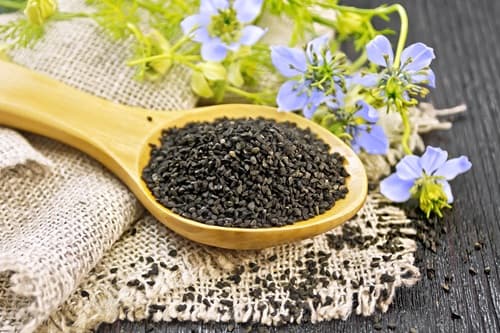
Kalonji — known as black seed, black cumin, or Nigella sativa in scientific nomenclature — is a small, angular, black-coloured seed that has been used for over two thousand years in traditional medicine systems spanning the Middle East, South Asia, and North Africa. For those wondering what is kalonji or what kalonji in english is called, the most widely used English name is black seed or black cumin seed, though it is distinct from true cumin. The kalonji seeds benefits are remarkably broad, spanning anti-inflammatory, antioxidant, antimicrobial, blood sugar regulatory, cardiovascular protective, and immune-modulatory effects — a range that has earned it the traditional Arabic description as a remedy for everything except death. Modern pharmacological research has identified thymoquinone as the primary active compound responsible for the majority of these effects, with over 900 published studies now investigating the clinical applications of Nigella sativa. This guide covers the most evidence-backed kalonji benefits, nutritional composition, practical daily consumption methods, known side effects, and how to integrate kalonji seeds uses into a practical health routine.
Nutritional Profile of Kalonji Seeds
Kalonji seeds are nutritionally dense relative to their small size. Per 100 grams, they provide approximately 345 kilocalories, 21 grams of protein, 38 grams of fat (primarily unsaturated), 15 grams of carbohydrates, and significant dietary fiber. The fat profile is predominantly linoleic acid (omega-6) and oleic acid (omega-9), both of which support cell membrane integrity and healthy inflammatory responses. Kalonji seeds contain meaningful amounts of iron, calcium, phosphorus, potassium, and zinc, along with vitamins including thiamine, niacin, and folic acid. The most pharmacologically significant component is thymoquinone, a quinone compound concentrated in the volatile oil fraction of the seed, which is responsible for the majority of the anti-inflammatory, antioxidant, and metabolic effects documented in the kalonji benefits research literature.
Top Kalonji Seeds Benefits
Anti-Inflammatory and Antioxidant Activity
Thymoquinone is a potent inhibitor of pro-inflammatory pathways, particularly the NF-kB signalling cascade that drives chronic inflammation in conditions including arthritis, metabolic syndrome, and cardiovascular disease. Kalonji seeds benefits in this domain are among the best-documented, with multiple human trials demonstrating measurable reductions in inflammatory markers including C-reactive protein (CRP) and interleukin-6 after consistent daily consumption. The antioxidant capacity of kalonji also protects cells from oxidative stress — the cumulative damage from reactive oxygen species that contributes to ageing, chronic disease, and tissue degradation across all organ systems.
Blood Sugar Regulation
Several controlled human trials have demonstrated that daily kalonji supplementation — typically one to three grams of ground seed or equivalent oil — produces statistically significant reductions in fasting blood glucose and HbA1c (a marker of long-term blood sugar control) in people with type 2 diabetes. The mechanisms include improved insulin sensitivity, reduced hepatic glucose output, and enhanced peripheral glucose uptake. These effects are complementary to — not replacements for — prescribed diabetes medications, and people with diabetes should discuss kalonji supplementation with their doctor before starting.
Cardiovascular and Heart Health
Kalonji seeds uses for cardiovascular health include documented improvements in blood lipid profiles — particularly reductions in total cholesterol, LDL cholesterol, and triglycerides — alongside modest blood pressure reductions. A meta-analysis of clinical trials found that Nigella sativa supplementation significantly improved lipid parameters compared to placebo, with effects comparable to low-dose statin therapy in some studies. The anti-inflammatory and antioxidant effects of thymoquinone also protect arterial endothelium from the oxidative damage that initiates and accelerates atherosclerotic plaque formation.
Weight Management
Clinical trials have shown that regular kalonji consumption produces modest but statistically significant reductions in body weight, BMI, and waist circumference when combined with dietary modification. The mechanisms likely include appetite modulation, improved insulin sensitivity reducing fat storage signalling, and anti-inflammatory effects that address the chronic low-grade inflammation associated with obesity and metabolic syndrome. Kalonji is not a standalone weight loss solution, but as part of a structured nutritional approach it provides a meaningful supportive contribution that compounds over weeks and months of consistent use. One clinical trial found that participants consuming two grams of ground kalonji seeds daily for twelve weeks lost significantly more body weight and waist circumference than the placebo group while following the same dietary guidelines. The anti-inflammatory effects may also reduce the chronic inflammatory state that impairs leptin signalling and contributes to appetite dysregulation in people with obesity.
Kalonji Seeds: Benefits and Evidence Summary
How to Consume Kalonji Seeds Daily
Kalonji seeds can be consumed in several practical ways depending on preference. The simplest method is adding half to one teaspoon of whole or lightly crushed seeds to food — sprinkled on salads, added to bread dough, mixed into yogurt, or incorporated into vegetable preparations. Dry roasting the seeds lightly in a pan for 30 seconds releases the volatile oils and softens the slightly bitter flavour. Kalonji oil — cold-pressed from the seeds — provides a more concentrated dose of thymoquinone and can be taken directly by the teaspoon or added to warm water, honey, or lemon juice. The seeds can also be brewed as a tea by steeping one teaspoon in hot water for five to ten minutes. For most health applications, one to three grams of ground seed per day — roughly half to one teaspoon — is the dosage range used in clinical trials that demonstrated meaningful effects.
Supporting Overall Wellness Alongside Kalonji
Kalonji seeds are a powerful single-ingredient addition to a health routine, but they work most effectively within a broader framework of nutritional and lifestyle support. The anti-inflammatory and antioxidant effects complement other whole-food and supplement-based strategies for skin, hair, and metabolic health. Many people who prioritise natural wellness also incorporate skin care oil into their daily skincare routine — nourishing oils support skin barrier health and hydration in the same way that kalonji supports internal inflammatory balance. For hair-focused wellness, biotin gummies for hair growth provide the micronutrient foundation that supports follicle function and keratin production alongside the scalp and systemic benefits of anti-inflammatory compounds like thymoquinone. Integrating internal and external natural health practices creates a more comprehensive approach than any single ingredient achieves alone.
Side Effects and Precautions
Kalonji seeds are generally well-tolerated at recommended doses of one to three grams per day. Potential side effects include mild digestive discomfort, particularly when consuming the seeds on an empty stomach for the first time, and occasional allergic skin reactions in sensitive individuals when using kalonji oil topically. Kalonji can lower blood sugar and blood pressure — people on diabetes or antihypertensive medications should consult their doctor before regular use, as dose adjustments may be needed to avoid hypoglycemia or hypotension. Pregnant women should avoid therapeutic doses of kalonji, as some animal studies have shown uterotonic effects at high doses. Culinary quantities used in cooking are generally considered safe for all populations.
Frequently Asked Questions
What are the top health benefits of kalonji seeds?
The top kalonji seeds benefits include powerful anti-inflammatory and antioxidant activity driven by the compound thymoquinone, clinically demonstrated blood sugar regulation in type 2 diabetes, improved cholesterol and lipid profiles for cardiovascular health, modest blood pressure reduction, weight management support, and immune system modulation. These effects are supported by over 900 published studies and multiple controlled clinical trials in human subjects.
What is kalonji, and what is kalonji called in English?
Kalonji is the Hindi name for Nigella sativa, a small flowering plant whose angular black seeds have been used in traditional medicine for over two thousand years. Kalonji in english is most commonly called black seed or black cumin seed. It is distinct from true cumin (Cuminum cyminum) and should not be confused with it. Other names include nigella, black caraway, and fennel flower, depending on the region.
How can you consume kalonji seeds daily for maximum benefits?
Add half to one teaspoon of whole or lightly crushed seeds to food — salads, yogurt, bread, or vegetable dishes. Alternatively, take one teaspoon of cold-pressed kalonji oil directly or mixed with honey, warm water, or lemon juice. Lightly dry-roasting the seeds softens their bitter flavour. Kalonji tea can be brewed by steeping one teaspoon in hot water for five to ten minutes. For clinical-level effects, one to three grams of ground seed per day is the standard dose range.
What are the nutritional values of kalonji seeds?
Per 100 grams, kalonji seeds provide approximately 345 kilocalories, 21 grams of protein, 38 grams of predominantly unsaturated fat, 15 grams of carbohydrates, and significant fiber. They contain iron, calcium, potassium, zinc, phosphorus, thiamine, niacin, and folic acid. The most pharmacologically important component is thymoquinone, concentrated in the seed's volatile oil fraction, which drives the anti-inflammatory, antioxidant, and metabolic effects documented in research.
What are the most common uses of kalonji seeds?
Kalonji seeds uses span both culinary and medicinal applications. In cooking, they are used as a spice in breads, pickles, curries, and vegetable preparations across South Asian, Middle Eastern, and North African cuisines. Medicinally, they are consumed for anti-inflammatory support, blood sugar and cholesterol management, immune health, digestive support, and topical application as kalonji oil for skin and hair health. The versatility of use across food and health applications is one of the reasons for their enduring popularity.
Are there any side effects of consuming kalonji seeds?
At recommended doses of one to three grams per day, side effects are uncommon. Mild digestive discomfort may occur when first consuming seeds on an empty stomach. Topical kalonji oil may cause skin irritation in sensitive individuals — a patch test is recommended. Because kalonji lowers blood sugar and blood pressure, people on diabetes or antihypertensive medications should consult their doctor before regular therapeutic use. Pregnant women should avoid therapeutic doses due to potential uterotonic effects at high concentrations.
Can kalonji seeds help with weight loss, diabetes, and heart health?
Yes — clinical evidence supports meaningful benefits across all three areas. Kalonji supplementation has been shown to reduce fasting blood glucose and HbA1c in type 2 diabetes, lower total and LDL cholesterol and triglycerides for cardiovascular health, and produce modest reductions in body weight and waist circumference when combined with dietary modification. These effects are complementary to prescribed medications and lifestyle changes, not replacements for them. Consultation with a healthcare provider is recommended before using kalonji therapeutically alongside existing medications.
Key Takeaways
• Kalonji (Nigella sativa / black seed) is a nutrient-dense seed with over two thousand years of traditional medicinal use and over 900 modern published studies.
• Thymoquinone, the primary active compound, drives potent anti-inflammatory, antioxidant, and metabolic effects that are well-documented in controlled human trials.
• Clinically demonstrated kalonji benefits include blood sugar regulation, cholesterol and lipid improvement, blood pressure reduction, and weight management support.
• One to three grams of ground seed or equivalent oil per day is the standard effective dose used across clinical research.
• Kalonji seeds can be consumed whole, crushed, roasted, brewed as tea, or taken as cold-pressed oil — making daily integration practical and flexible.
• Side effects are rare at recommended doses but include potential blood sugar and blood pressure lowering that may interact with medications for diabetes and hypertension.
• Kalonji works most effectively as part of a broader wellness strategy that combines anti-inflammatory nutrition, targeted supplementation, and consistent daily health practices.
Share this article: