
Plum Fruit: Why Nutrition Experts Recommend It More Than You Think
2026-07-15 • 5 min
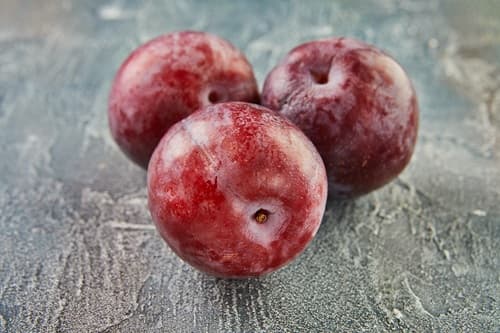
Plum fruit may not receive as much attention as apples, berries, or citrus fruits, but nutrition experts are recognising it as one of the most nutrient-rich fruits you can include in your diet. With its sweet flavour, bright colours, and impressive nutritional value, this simple fruit has a lot to offer. You can eat them fresh or dried as prunes. It fits well into healthy eating habits. Let's see what makes plum fruit so special, why experts recommend it, and what you need to consider before adding it to your daily routine.
Nutritional Profile of Plum Fruit
The fresh plum is low in calories, with about 30 calories per medium-sized fruit, making it a great weight-loss snack.
Here are the key nutrients found in plum fruit:
Top Plum Fruit Benefits for Overall Health
Adding plums to your daily meals offers numerous health benefits. Here are some of the most well-known benefits of plums.
1. Supports Digestive Health
The most well-known health advantage of consuming plums is for digestion. Fibre is present in fresh plums that promotes regular bowel movements. The prunes contain extra sorbitol, which helps to soothe constipation. Plums are a good source of fibre and help to promote the growth of healthy bacteria.
2. Promotes Heart Health
Plums are rich in several nutrients that may help promote healthy heart. Potassium supports healthy blood pressure, fibre supports healthy cholesterol, and antioxidants protect against oxidative stress.
3. Helps Maintain Healthy Blood Sugar Levels
Plums are naturally sweet, and while they are moderately glycemic, they can be eaten in small amounts. Their fibre helps to regulate blood sugar levels. If you're watching your sugar consumption, fresh plums are a better option than sugary desserts or snack crackers.
4. Strengthens Immunity
Plums are an excellent source of vitamin C, which is important for a healthy immune system. Eating plums regularly supports proper immune function, promotes wound healing, prevents the damaging effects of oxidation on your cells, and reduces inflammation.
5. Supports Bone Health
As we get older, maintaining healthy bones is even more significant. Plums boast a good amount of vitamin K, magnesium, phosphorus, and potassium, all essential for strong bones. Dried plums have been found to help maintain bone density in post menopausal women, making them a good addition to their diet.
6. Rich in Antioxidants for Healthy Ageing
Plums have antioxidant properties that contribute to healthy ageing by reducing oxidative stress. This helps to neutralise the free radicals that speed up the ageing process and result in various diseases. Consuming plums helps maintain good skin health and brain function, and helps to decrease inflammation, which is beneficial for cells in general.
Fresh Plums vs. Dried Plums (Prunes)
Both fresh plums and prunes offer excellent nutrition, but each has unique advantages.
Easy Ways to Add Plums to Your Diet
One of the greatest advantages of plums is their versatility. Plum fruit can be combined with both sweet and savoury dishes.
Use fresh as a snack: Wash and eat plums as a whole or in slices as a snack. They are a naturally sweet, refreshing, and nutritious snack.
Use as ingredients: Plums can be used in smoothies, almond milk, bananas, Berries, Greek yoghurt or spinach.
Add to breakfast: Include the fruit in oatmeal, overnight oats, yoghurt or whole-grain cereal. They add fibre and decrease the need for refined sugar, while also adding to the flavour.
Serve in salads: Plums taste great as slices on top of green or fruit salad. They complement nicely with a variety of leafy greens, nuts, seeds and light dressings.
In baked goods and desserts: Add plums to home-baked oatmeal, fruit tarts, baked oatmeal, whole grain muffins, cakes or baked crumbles.
Use in savoury dishes: Serve plums alongside grilled vegetables, poultry or lean meat, as a chutney or sauce. They have a unique sweet-tart flavour and can enhance savoury dishes.
How to Differentiate Plums Based on Colour
1. Black Plums
Skin & Flesh: Black or dark purple skin and golden yellow or deep red flesh.
Taste: Rich, juicy, and aromatic, with a slightly tart taste.
Best Uses: Good to eat raw and for desserts, and do not melt down easily when baked.
2. Red Plums
Skin & Flesh: Ranging from light red to dark burgundy colored skin with either yellow or amber colored flesh.
Taste: Ideal combination of sweet and sour flavour with highly acidic or sour skin.
Best Uses: For snacking bars, cooking, and stewing.
3. Yellow Plums
Skin & Flesh: Skin golden yellow and flesh bright yellow.
Taste: Extremely sweet and juicy with a mild honey taste and no tartness.
Best Uses: Suited to jams, jellies, and desserts that require a bright colour.
4. Green Plums
Skin & Flesh: Translucent green or greenish-yellow skin, and greenish-yellow flesh.
Taste: Extremely sweet, rich taste; also with an identifiable taste of honey.
Best Uses: Poached or fresh eating; also for gourmet jams and tarts.
Potential Side Effects
Although plum fruit is highly nutritious, moderation remains important.
Digestive Discomfort
Eating too many plums or prunes may cause bloating, gas, abdominal pain, or soft stools because they are naturally high in fibre and sorbitol, a sugar alcohol that can have a mild laxative effect when consumed in excess.
Natural Sugars and Portion Control
Despite the fact that plums are naturally high in sugar and not added sugar, the amount to be eaten is important to consider. For individuals with diabetes or those watching their calories, they should take plums in moderation, in combination with other foods in the diet. Fresh plums are usually lower in calories and sugars compared to prunes.
Digestive Conditions and Allergies
People who have certain digestive problems such as irritable bowel syndrome can be affected by sorbitol. Individuals who are allergic to stone fruits need to stay away from plums as well.
Takeaway
Healthy eating is not always about the newest super food; sometimes it's all about making better use of fruits that have been around for ages. Whether it's in the form of fresh, ripe, juicy plums or pickled, thin-skinned, and preserved in a jar, plums are a reminder that simple, seasonal foods are important in a balanced diet, without the need for complicated meal plans. Eating fresh, good-quality superfoods is one of the most sustainable ways to help maintain your long-term health, as long as it is part of a well-rounded diet.
Faq
Does the colour of a plum (red, black, yellow, or green) affect its nutritional value?
Yes, all plum varieties are nutritious, but darker plums generally contain higher levels of anthocyanin antioxidants. Yellow and green plums are also rich in vitamins, fibre, and beneficial plant compounds.Are fresh plums and dried plums (prunes) equally beneficial, or do they offer different health advantages?
Fresh plums are lower in calories and higher in water, making them a refreshing snack, while prunes provide more fibre and sorbitol, which are especially beneficial for digestive health. Both offer valuable nutrients and antioxidants.Can the ripeness of a plum influence its antioxidant content and overall nutritional profile?
Yes, ripe plums usually have higher antioxidant levels and a sweeter taste as natural sugars develop. However, overripe fruit may lose some vitamin C during storage.Is there an ideal time of day to eat plum fruit for better digestion or sustained energy?
Plums can be enjoyed at any time, but eating them as a morning snack or between meals provides fibre for digestion and natural sugars for steady energy. Pairing them with protein or nuts can help keep you fuller for longer.What are the most common mistakes people make when buying, storing, or consuming plum fruit?
Choosing soft or bruised plums, refrigerating unripe fruit, and peeling off the skin are common mistakes that can reduce quality and fibre intake. Let plums ripen at room temperature before refrigerating and eat them with the skin whenever possible.
Share this article: