
Prunes Benefits: What Happens When You Eat Them Every Day?
2026-09-15 • 5 min
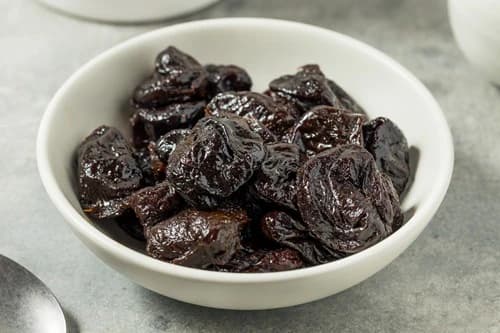
Prunes may not be the most fashionable dry fruit in your kitchen, but their nutritional value deserves attention. Made by drying specific varieties of plums, prunes have a naturally sweet taste, a soft texture and an impressive combination of fibre, vitamins, minerals and plant compounds.
Eating prunes every day may improve bowel regularity, support digestive health and help you feel fuller between meals. Research also suggests possible benefits for bone and heart health. However, portion size matters. Eating too many at once may cause gas, bloating or loose stools.
So, what really happens when you add them to your daily diet? Let’s examine the most important prunes benefits, how many you can eat and who should be careful.
What Are Prunes?
Prunes are dried plums, usually produced from European plum varieties that can be dried without fermentation. Removing water during drying concentrates the fruit’s natural sugars, fibre and nutrients, giving prunes their distinctive sweetness and chewy texture.
Although people sometimes search for prunes dry fruit, the more accurate term is simply dried plums or prunes. They can be eaten directly, soaked in water, blended into smoothies or added to porridge, yoghurt, salads and baked dishes.
Prunes contain:
Dietary fibre
Sorbitol, a naturally occurring sugar alcohol
Potassium
Vitamin K
Copper
Polyphenols and other antioxidant compounds
Small amounts of iron and several B vitamins
Because dried fruit is concentrated, prunes generally contain more calories and sugar per gram than fresh plums. That does not make them unhealthy, but it does make portion control important. Nutritional values can differ by product, so check the packaging when tracking calories or carbohydrates. The USDA FoodData Central database provides detailed nutritional data for different prune products.
1. Your Bowel Movements May Become More Regular
The best-known benefit of prunes is their effect on bowel regularity. They support digestion through a combination of dietary fibre and sorbitol.
Fibre adds bulk to stool and helps it move through the digestive tract. Sorbitol draws water into the intestine, which may soften hard stool and make it easier to pass. Prunes also contain plant compounds that may contribute to their digestive effect.
A randomized controlled trial found that prune juice improved hard stools and constipation-related complaints in adults with chronic constipation. Importantly, the researchers did not observe a significant increase in watery stools or urgent bowel movements during the study. However, the research was partly industry-funded, which should be considered when interpreting the results. Read the study on PubMed.
This evidence helps explain why people commonly use prunes for constipation. Still, the response differs from person to person. Some may notice a change within a day, while others may need several days of consistent intake.
2. Your Stool May Become Softer
Constipation is not only about how frequently you visit the toilet. Stool consistency also matters. Hard, dry stools can be difficult or painful to pass even when bowel movements occur regularly.
The fibre in prunes holds water, while sorbitol may increase water in the bowel. Together, these effects can make stool softer. Drinking enough water throughout the day supports this process, especially when you are increasing your fibre intake.
If your usual diet contains very little fibre, begin with two or three prunes rather than immediately eating a large serving. Increase the portion gradually according to your comfort. This can reduce the chance of bloating and abdominal discomfort.
3. You May Feel Fuller Between Meals
Prunes provide fibre and require more chewing than juice, sweets or many processed snacks. These qualities can help slow down eating and may improve satisfaction after a meal or snack.
Their natural sweetness can also make them a practical substitute when you want something sweet. For example, a few chopped prunes added to plain yoghurt or oats may reduce the need for added sugar.
However, prunes are not a weight-loss treatment. Eating them in addition to your usual snacks can increase your overall calorie intake. Their role in weight management depends on what they replace, the quantity consumed and the rest of your diet.
For a more balanced snack, combine a moderate portion with a source of protein or healthy fat, such as:
Plain yoghurt
A few almonds or walnuts
Unsweetened porridge
Cottage cheese
Seeds
4. They May Support a Healthier Gut Environment
One of the lesser-discussed prunes benefits is their possible role in supporting the gut environment. Some of the fibre and plant compounds in prunes reach the large intestine, where gut bacteria can break them down.
This fermentation process produces substances that help support the cells lining the colon. However, fermentation can also produce gas. If you are not accustomed to high-fibre foods, a sudden increase in prunes may leave you feeling bloated.
People with irritable bowel syndrome or sensitivity to sorbitol may be particularly likely to experience digestive discomfort. In such cases, smaller servings may be better tolerated.
5. Daily Prunes May Support Bone Health
Prunes contain vitamin K, potassium, copper and polyphenols, all of which are relevant to normal bone health. Researchers have also studied whether regular prune consumption may help preserve bone mineral density, particularly in postmenopausal women and older adults.
Recent research reviews suggest a potentially beneficial effect, but findings are not strong enough to treat prunes as a replacement for established bone-health measures. Exercise, adequate protein, calcium, vitamin D and medical treatment where prescribed remain essential.
In other words, prunes may be a useful part of a bone-supportive diet, but they cannot prevent or treat osteoporosis on their own. A recent systematic review of randomized trials offers more detail on the current evidence.
6. They Can Contribute to Potassium Intake
Potassium is needed for normal muscle function, nerve signalling and fluid balance. It also plays an important role in maintaining healthy blood pressure.
As a dried fruit, prunes provide a concentrated source of potassium. Eating them alongside vegetables, pulses, dairy products and other fruits can contribute to your overall intake.
This does not mean that eating prunes alone will lower high blood pressure. Heart health depends on the complete dietary pattern, physical activity, sleep, tobacco use and any medical conditions or medications.
People with kidney disease may need to restrict potassium. If you have impaired kidney function or have received dietary restrictions from your doctor, ask a qualified healthcare professional before eating prunes regularly.
7. Your Antioxidant Intake May Increase
Prunes contain polyphenols, which are naturally occurring plant compounds with antioxidant properties. Antioxidants help the body manage oxidative stress, a process linked with cellular damage.
This is a useful nutritional quality, but claims that antioxidant-rich foods detoxify the body or cure disease are misleading. Your liver, kidneys, lungs and digestive system manage the body’s normal waste-removal processes.
The practical takeaway is simpler: prunes can help add variety to a diet rich in fruits, vegetables, pulses, whole grains, nuts and seeds.
8. Your Blood Sugar Response Will Depend on the Portion
Because prunes taste sweet, people often assume they must cause a rapid blood sugar spike. Their fibre can slow digestion compared with many refined sugary foods, but prunes still contain concentrated natural sugars and carbohydrates.
Eating a few whole prunes is different from consuming a large bowl or drinking a substantial amount of prune juice. Whole prunes retain their fibre and are easier to portion, while juice can deliver more sugar quickly and may be less filling.
People with diabetes do not necessarily have to avoid prunes, but serving size and total carbohydrate intake matter. Pairing them with yoghurt, nuts or another protein-containing food may create a more balanced snack. Personal advice from a doctor or registered dietitian is especially useful if blood glucose is difficult to manage.
How Many Prunes Should You Eat Every Day?
There is no single ideal quantity for everyone. A reasonable starting point for many adults is approximately three to five prunes per day. If they are well tolerated, the serving can be adjusted according to your digestive needs, calorie requirements and overall diet.
If you are eating prunes for constipation, begin with a small serving and drink enough water. Avoid eating a large quantity on the first day, as the combined effects of fibre and sorbitol may cause cramping or loose stools.
Children require smaller portions based on their age, appetite and overall diet. Speak with a paediatrician if a child has persistent constipation rather than relying only on home remedies.
What Is the Best Time to Eat Prunes?
There is no medically established best time that works for everyone. You can eat prunes:
In the morning with breakfast
As a mid-morning or afternoon snack
With yoghurt after a meal
In the evening if they do not cause nighttime bloating
Morning intake is convenient because you can drink water and observe your digestive response throughout the day. People who experience reflux, gas or an urgent bowel movement may prefer not to eat them immediately before sleeping.
Consistency and portion size are usually more important than the exact time.
Are Soaked Prunes Better Than Regular Prunes?
Soaking prunes overnight makes them softer and may make them easier to chew. The soaking water may also contain some dissolved sugars and compounds from the fruit.
However, soaked prunes are not automatically more nutritious than unsoaked ones. The main advantage is texture and personal comfort. If you drink the soaking water, remember that it may contain some natural sugar.
Whether soaked or eaten directly, whole prunes retain more fibre than strained prune juice.
Easy Ways to Add Prunes to Your Diet
A prunes dry fruit serving does not have to be eaten on its own. Try these simple options:
Chop prunes and mix them into oatmeal.
Blend one or two into a smoothie.
Add them to plain yoghurt with nuts and seeds.
Use prune purée as a natural sweetener in baking.
Add chopped prunes to a fruit or grain salad.
Pair them with nuts for a convenient travel snack.
Include them in homemade energy bites without added sugar.
When buying packaged prunes dry fruits, check whether sugar, syrup, artificial flavouring or preservatives have been added. Plain, unsweetened prunes are generally the simplest choice.
Can Eating Prunes Every Day Cause Side Effects?
Yes, particularly if the serving is too large or your digestive system is sensitive.
Possible side effects include:
Gas
Bloating
Loose stools
Diarrhoea
Increased calorie and sugar intake
Prunes contain sorbitol, which some people absorb poorly. Large portions can therefore have a laxative effect. Anyone following a low-FODMAP diet should seek individual guidance because dried fruits and sorbitol may trigger symptoms.
You should speak with a healthcare professional if constipation is severe, lasts for several weeks or occurs with blood in the stool, unexplained weight loss, vomiting, fever or significant abdominal pain. These symptoms require evaluation and should not be managed only by eating prunes.
Frequently Asked Questions
Are prunes and dried plums the same?
Yes. Prunes are dried plums, although they are generally produced from plum varieties particularly suitable for drying.
Can prunes relieve constipation?
Prunes may support bowel regularity because they contain fibre and sorbitol. Clinical research has found improvements in stool consistency and some symptoms of chronic constipation. Their effectiveness and tolerance vary between individuals.
How long do prunes take to work for constipation?
Some people may notice an effect within several hours or by the following day, while others may need a few days of regular intake. Start with a small portion and avoid repeatedly eating more in quick succession.
Are prunes good for weight loss?
They may support fullness and serve as an alternative to highly processed sweets, but they do not directly burn fat. Weight management depends on overall calorie intake, food quality, physical activity and other lifestyle factors.
Can people with diabetes eat prunes?
They may be included in some diabetes-friendly diets in controlled portions. Because they contain carbohydrates and concentrated natural sugars, individual serving size and blood glucose response should be considered.
Is prune juice as healthy as whole prunes?
Prune juice can help with constipation, but whole prunes generally provide more intact fibre and may be more filling. Juice is also easier to consume in larger quantities.
Can I eat prunes at night?
Yes, if you tolerate them comfortably. If they cause gas, reflux or an urgent bowel movement, eating them earlier in the day may be more suitable.
Eating a moderate amount of prunes every day may improve bowel regularity, soften hard stools and contribute fibre, potassium, vitamin K and antioxidant plant compounds to your diet. Emerging evidence also suggests that regular intake may support bone health, although prunes should be viewed as part of a balanced diet rather than a treatment.
The most reliable way to experience prunes benefits is to start with a small portion, eat them consistently and pay attention to how your digestive system responds. For many people, three to five prunes can be a practical starting point. More is not always better, especially when the goal is constipation relief.
Ultimately, prunes are a nutritious and versatile dried fruit—but their everyday value comes from sensible portions, adequate hydration and a balanced overall diet.
Share this article: