
Pain Relief
Abdominal & Stomach Pain Guide: Causes, Quadrants, Left & Right Side Pain, Relief & Best Tablets
2026-04-20
5 min read

2026-04-02 • 4 min
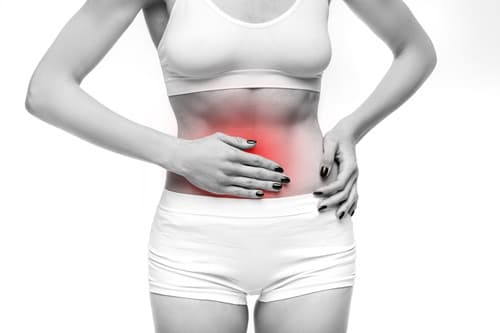
Left side stomach pain — whether manifesting as a dull persistent ache that worsens after meals, sharp stabbing episodes triggered by movement or deep breathing, cramping waves that come and go throughout the day, or sudden severe pain that doubles you over and demands immediate attention — is an extraordinarily common complaint affecting people of all ages and backgrounds, yet it is also one of the most diagnostically challenging symptoms in medicine due to the sheer number of organs, structures, and systems packed into the left upper and lower abdominal quadrants, each capable of producing pain with overlapping characteristics that require careful clinical assessment to differentiate. The left side stomach pain reasons span a wide spectrum of severity and urgency: from the entirely benign gas and bloating that resolves spontaneously within hours and requires nothing more than patience and perhaps an over-the-counter antacid, to the moderately concerning constipation or irritable bowel syndrome that responds well to dietary modifications and lifestyle changes, to the potentially serious diverticulitis requiring antibiotics and close medical monitoring to prevent life-threatening complications like perforation or abscess formation, to the acutely painful but typically self-limited kidney stones that demand aggressive pain management and hydration, and critically, to the rare but catastrophic emergencies like splenic rupture, bowel obstruction, or ectopic pregnancy that require immediate surgical intervention to prevent death. Understanding the anatomical structures residing in the left abdomen, recognizing the most common causes of pain in the left side of stomach based on pain location, character, duration, and associated symptoms, knowing which red flag signs warrant immediate emergency department evaluation versus which symptoms can be safely managed with conservative home treatment, learning practical dietary and lifestyle strategies that prevent recurrent digestive-related left abdominal pain, and appreciating when chronic or recurrent left side stomach pain warrants thorough medical investigation to rule out inflammatory bowel disease, celiac disease, gynecologic pathology in women, or other systemic conditions empowers individuals to navigate abdominal pain episodes with informed judgment — neither ignoring potentially dangerous warning signs through denial or fear of medical evaluation, nor seeking emergency care for every minor digestive upset, but instead responding proportionately and effectively to protect health while avoiding unnecessary alarm.
The left abdomen contains multiple organs and structures, each capable of producing distinct pain patterns:
Intestinal gas is the most common and benign cause of left side stomach pain. Swallowed air, carbonated beverages, and bacterial fermentation of undigested carbohydrates in the colon produce gas that causes cramping, pressure, and distension. Pain is typically shifting (moves from one area to another), intermittent, and relieved by passing gas or having a bowel movement. While uncomfortable, gas pain is harmless and self-limiting.
Infrequent or difficult bowel movements cause stool to accumulate in the descending colon and sigmoid colon on the left side, producing dull aching or cramping pain in the lower left abdomen. Associated symptoms include hard stools, straining, feeling of incomplete evacuation, and abdominal fullness. Constipation-related pain responds well to increased fiber intake, hydration, physical activity, and over-the-counter laxatives when needed.
Diverticulitis is inflammation or infection of small pouches (diverticula) that form in the wall of the colon, most commonly in the sigmoid colon on the lower left side. It produces sudden, severe, localized lower left abdominal pain, often accompanied by fever, nausea, vomiting, and changes in bowel habits (diarrhea or constipation). Diverticulitis requires medical evaluation and treatment with antibiotics; severe cases may require hospitalization or surgery if complications like abscess, perforation, or obstruction develop.
Kidney stones originating in the left kidney or passing through the left ureter produce severe colicky pain that radiates from the left flank (below the ribs on the back) around to the lower left abdomen and groin. The pain comes in intense waves, often described as the worst pain ever experienced. Associated symptoms include blood in the urine (hematuria), painful urination, nausea, vomiting, and inability to find a comfortable position. Most stones pass spontaneously with hydration and pain management, though large stones may require intervention.
IBS is a chronic functional gastrointestinal disorder characterized by abdominal cramping, altered bowel habits (diarrhea, constipation, or alternating), bloating, and mucus in stool. Pain is typically relieved by bowel movements and worsens with stress or certain trigger foods. IBS does not cause structural damage or increase disease risk but significantly impacts quality of life. Management focuses on dietary modification (low FODMAP diet), stress reduction, and symptom-targeted medications.
Inflammation of the stomach lining (gastritis) or functional dyspepsia can produce burning or gnawing pain in the upper left abdomen, particularly after eating. Causes include H. pylori infection, NSAIDs, alcohol, stress, and autoimmune conditions. Associated symptoms include nausea, vomiting, loss of appetite, and feeling of fullness after small meals. Treatment includes acid suppression, H. pylori eradication if present, and avoiding triggers.
The spleen, located in the upper left abdomen beneath the ribcage, can cause left-sided pain when enlarged (splenomegaly) from infections (mononucleosis), blood disorders, or liver disease, or when injured (splenic rupture) from trauma. Splenic pain is often deep, aching, and may radiate to the left shoulder. Splenic rupture is a medical emergency causing severe pain, dizziness, and signs of internal bleeding.
In women, left side stomach pain reasons for female include ovarian cysts (particularly when rupturing or twisting), ectopic pregnancy (fertilized egg implanting outside the uterus), endometriosis (uterine tissue growing outside the uterus), and pelvic inflammatory disease (infection of reproductive organs). These conditions often produce lower abdominal pain that may be one-sided, accompanied by abnormal vaginal bleeding, discharge, or menstrual irregularities.
Muscle strain, rib injuries, or abdominal wall hernias can mimic internal abdominal pain. Musculoskeletal pain typically worsens with movement, coughing, or palpating the affected area, and improves with rest. Unlike visceral (internal organ) pain, it is usually localized to a specific tender point.
The table below summarizes common causes with key differentiating features:
Most left abdominal pain is benign and self-limited. However, certain symptoms indicate serious conditions requiring urgent or emergency medical evaluation:
• Severe, sudden abdominal pain that is constant and progressively worsening
• Abdominal pain with fainting, dizziness, confusion, or altered mental status
• Rigid, board-like abdomen that is extremely tender to touch
• Vomiting blood or blood in stool (black, tarry, or bright red)
• Abdominal pain with signs of shock: rapid pulse, rapid breathing, cold clammy skin, low blood pressure
• Abdominal pain with inability to pass gas or stool (possible bowel obstruction)
• Abdominal pain in pregnancy, particularly with vaginal bleeding or shoulder pain (possible ectopic pregnancy)
• Severe left-sided pain after abdominal trauma or injury
• Persistent abdominal pain lasting more than 24 hours without improvement
• Abdominal pain with fever over 101°F (38.3°C)
• Severe pain that prevents normal activities or sleep
• Pain accompanied by persistent vomiting or inability to keep fluids down
• New onset abdominal pain in individuals over 50 or with cancer history
• Abdominal pain with unexplained weight loss or loss of appetite
Yes — digestive issues are the most common source of left side stomach pain. The descending colon and sigmoid colon, which constitute the final segments of the large intestine before the rectum, run along the left side of the abdomen. Conditions affecting these structures produce characteristic left-sided pain:
• Gas accumulation: Fermentation of undigested carbohydrates produces gas that distends the colon, creating cramping and pressure
• Constipation: Stool buildup in the descending and sigmoid colon produces dull aching pain in the lower left quadrant
• Diverticulitis: Inflammation of colonic diverticula most commonly occurs in the sigmoid colon on the lower left
• Inflammatory bowel disease: Ulcerative colitis and Crohn's disease can produce left-sided cramping when affecting the descending colon
• Food intolerances: Lactose intolerance, fructose malabsorption, and other sensitivities cause bloating, cramping, and diarrhea that may be left-sided
Identifying and addressing digestive triggers through dietary modification, adequate hydration, regular physical activity, and stress management significantly reduces digestive-related left abdominal pain.
For mild, non-emergency abdominal pain, conservative home measures often provide relief:
Drink plenty of water throughout the day — 8–10 glasses minimum. Adequate hydration softens stool, prevents constipation, supports kidney function, and helps flush kidney stones. Avoid excessive caffeine and alcohol, which can worsen dehydration and irritate the digestive tract.
Apply a heating pad or hot water bottle to the painful area for 15–20 minutes at a time. Heat relaxes abdominal muscles, reduces cramping, and improves blood flow. This is particularly effective for gas, constipation, menstrual-related pain, and muscle strain.
Identify and avoid trigger foods. Common culprits include beans, cruciferous vegetables (broccoli, cabbage, cauliflower), carbonated beverages, artificial sweeteners, high-fat foods, spicy foods, and dairy products in lactose-intolerant individuals. Increase fiber gradually through fruits, vegetables, and whole grains to prevent constipation. Consider a low FODMAP diet trial for IBS symptoms.
Probiotic supplements or probiotic-rich foods (yogurt, kefir, sauerkraut, kimchi) support healthy gut microbiome balance, improve digestion, reduce gas and bloating, and may alleviate IBS symptoms. Choose multi-strain probiotics with at least 10 billion CFUs daily.
Light physical activity like walking stimulates intestinal motility, helps move trapped gas, relieves constipation, and reduces stress. Avoid vigorous exercise during acute pain episodes, but regular moderate activity prevents recurrent digestive pain.
Gas relief: Simethicone (Gas-X) breaks up gas bubbles. Constipation: Fiber supplements (psyllium), stool softeners (docusate), or gentle laxatives (polyethylene glycol). Acid reflux: Antacids (calcium carbonate), H2 blockers (famotidine), or proton pump inhibitors (omeprazole). Always follow dosing instructions and consult a doctor if symptoms persist beyond a few days.
While digestive-focused interventions address the primary source of most left abdominal pain, overall wellness — particularly stress management and musculoskeletal health — significantly influences digestive function and pain perception.
The gut and brain communicate bidirectionally through the gut-brain axis. Chronic stress, anxiety, and poor sleep quality directly worsen digestive symptoms, increase visceral pain sensitivity, and trigger IBS flares through autonomic nervous system dysregulation and inflammatory pathway activation. Conversely, chronic digestive discomfort creates stress and disrupts sleep, perpetuating a vicious cycle.
Addressing stress through evidence-based interventions — meditation, breathwork, adequate sleep, and adaptogenic support — breaks this cycle and reduces digestive pain independent of dietary changes. For individuals experiencing stress-related digestive symptoms or difficulty achieving restorative sleep that allows the body's natural repair processes to function optimally, Reset Neck Pain Relief Tablet — while primarily formulated for musculoskeletal discomfort — contains natural anti-inflammatory ingredients that support overall comfort and may help individuals achieve the relaxed state necessary for quality rest and stress recovery, indirectly supporting digestive wellness through improved nervous system regulation.
Prolonged sitting, poor posture, and sedentary behavior compress abdominal organs, slow intestinal motility, worsen constipation, and create musculoskeletal tension that mimics or exacerbates visceral pain. Chronic lower back pain — itself worsened by sitting and poor core strength — frequently refers pain to the abdomen, creating diagnostic confusion.
Regular movement breaks, proper ergonomic setup, core strengthening, and addressing any existing musculoskeletal pain supports digestive function and reduces abdominal discomfort. For individuals managing chronic lower back pain that may be contributing to or complicating abdominal symptoms, Reset Lower Back Pain Medicine provides targeted musculoskeletal support, helping to differentiate and address the musculoskeletal component of abdominal discomfort while digestive interventions address the gastrointestinal sources.
Prevention is always preferable to treatment. These evidence-based strategies reduce the frequency and severity of left abdominal pain episodes:
• Eat regular, balanced meals: Avoid skipping meals or overeating. Consistent meal timing supports regular digestive rhythm
• Chew food thoroughly and eat slowly: Reduces swallowed air and supports proper digestion
• Stay hydrated: 8–10 glasses of water daily prevents constipation and supports kidney function
• Increase dietary fiber gradually: Target 25–30g daily from fruits, vegetables, whole grains, legumes
• Exercise regularly: 150 minutes weekly of moderate activity stimulates motility and reduces stress
• Manage stress: Daily meditation, adequate sleep, social connection, professional support when needed
• Limit trigger foods: Identify personal triggers through food diary and eliminate or reduce
• Moderate alcohol and caffeine: Both irritate the digestive tract and worsen symptoms in sensitive individuals
• Maintain healthy weight: Obesity increases risk of digestive disorders and musculoskeletal pain
• Don't ignore symptoms: Early medical evaluation of persistent or worsening pain prevents complications
What are the common causes of left side abdominal pain?
Common causes include gas and bloating (most frequent — cramping, shifting pain), constipation (dull lower left ache), diverticulitis (sudden severe lower left pain with fever), kidney stones (severe colicky flank-to-groin pain), IBS (chronic cramping with bowel habit changes), gastritis (upper left burning pain), splenic conditions, gynecological issues in females (ovarian cysts, ectopic pregnancy), and musculoskeletal strain.
When should left side abdominal pain be a cause for concern?
Seek immediate emergency care for severe sudden pain, rigid abdomen, vomiting blood, blood in stool, signs of shock, inability to pass gas/stool, abdominal pain in pregnancy with bleeding, or pain after trauma. Seek urgent medical evaluation within 24 hours for persistent pain over 24 hours, fever over 101°F, severe pain preventing activities, persistent vomiting, or unexplained weight loss.
Can digestive issues cause pain on the left side of the abdomen?
Yes — digestive issues are the most common source of left abdominal pain. The descending and sigmoid colon run along the left side, so gas, constipation, diverticulitis, IBS, inflammatory bowel disease, and food intolerances commonly produce left-sided cramping, aching, or sharp pain. Addressing digestive triggers through diet, hydration, and lifestyle significantly reduces symptoms.
What home remedies may help relieve left side abdominal pain?
Effective home remedies include staying well-hydrated (8–10 glasses water daily), applying heat therapy (heating pad 15–20 minutes), avoiding trigger foods (beans, dairy, carbonated drinks, high-fat foods), taking probiotics for gut health, gentle walking to stimulate motility, and over-the-counter remedies (simethicone for gas, fiber supplements for constipation, antacids for reflux). Seek medical care if symptoms persist.
Is left side abdominal pain related to gas or bloating?
Yes, frequently. Intestinal gas from swallowed air, carbonated beverages, or bacterial fermentation of undigested carbohydrates is the most common cause of left abdominal cramping and pressure. Gas pain is shifting (moves around), intermittent, and relieved by passing gas or bowel movements. While uncomfortable, gas-related pain is harmless and self-limiting, responding to dietary changes and simethicone.
What symptoms along with left abdominal pain require medical attention?
Seek medical attention for left abdominal pain accompanied by fever, persistent vomiting, blood in vomit or stool, inability to pass gas or stool, severe pain lasting over 24 hours, rigid or extremely tender abdomen, dizziness or fainting, unexplained weight loss, pain during pregnancy with bleeding, or pain after abdominal trauma. These indicate potentially serious conditions requiring professional evaluation.
How can lifestyle and diet help prevent abdominal pain on the left side?
Prevention strategies include eating regular balanced meals, chewing thoroughly, staying hydrated (8–10 glasses daily), gradually increasing fiber (25–30g daily), exercising regularly (150 minutes weekly), managing stress through meditation and sleep, identifying and avoiding trigger foods, moderating alcohol and caffeine, maintaining healthy weight, and seeking early medical evaluation for persistent symptoms rather than ignoring warning signs.
• Left side stomach pain causes range from benign self-limited gas and constipation to serious conditions like diverticulitis, kidney stones, splenic rupture, and ectopic pregnancy — recognizing differentiating symptoms and red flags determines appropriate urgency of medical evaluation.
• Emergency evaluation required for severe sudden pain, rigid abdomen, vomiting blood, blood in stool, shock signs, inability to pass gas/stool, or abdominal pain in pregnancy with bleeding — these may indicate perforation, obstruction, internal bleeding, or other life-threatening emergencies.
• Digestive issues are the most common left abdominal pain source — gas, constipation, diverticulitis, IBS, food intolerances affect the descending and sigmoid colon on the left side, producing cramping, aching, or sharp pain that responds to dietary modification, hydration, and lifestyle changes.
• Effective home remedies for non-emergency pain include adequate hydration (8–10 glasses daily), heat therapy (15–20 minutes), avoiding trigger foods (beans, dairy, carbonated drinks, high-fat foods), probiotics for gut health, gentle walking, and targeted over-the-counter remedies for gas, constipation, or acid reflux.
• Prevention through regular balanced meals, gradual fiber increase to 25–30g daily, consistent exercise (150 minutes weekly), stress management, trigger food avoidance, and healthy weight maintenance significantly reduces frequency and severity of recurrent left abdominal pain episodes.
• The gut-brain axis connects stress and digestive function bidirectionally — Reset Neck Pain Relief Tablet supports overall comfort and relaxed states necessary for stress recovery and nervous system regulation that indirectly benefits digestive wellness.
• Chronic lower back pain can refer to or exacerbate abdominal discomfort — Reset Lower Back Pain Medicine addresses musculoskeletal components, helping differentiate and manage the overlap between spinal and abdominal pain sources for comprehensive symptom relief.
Share this article:
Rejuvenating blend of herbal ingredients for your liver detox.

₹559.00
₹449.00
Dose of goodness for a healthy gut and weight management

₹529.00
₹499.00
Enhance the quality of sleep and focus with a flavourful dose

₹489.00
| Cause | Pain Character | Associated Symptoms | Urgency Level |
|---|---|---|---|
| Gas and Bloating | Cramping, pressure, shifting pain | Belching, flatulence, abdominal distension | Low — resolves spontaneously |
| Constipation | Dull ache, cramping, lower left | Infrequent bowel movements, hard stools, straining | Low — responds to fiber, fluids, laxatives |
| Diverticulitis | Sudden severe lower left pain | Fever, nausea, change in bowel habits | HIGH — requires antibiotics, possible hospitalization |
| Kidney Stones | Severe colicky waves, flank to groin | Blood in urine, nausea, vomiting, painful urination | HIGH — seek medical evaluation for pain management |
| Irritable Bowel Syndrome (IBS) | Cramping, intermittent, relieved by bowel movement | Diarrhea, constipation, bloating, mucus in stool | Low — chronic functional disorder |
| Gastritis/Gastric Issues | Burning, gnawing upper left pain | Nausea, vomiting, loss of appetite, fullness | Moderate — may require acid suppression |
| Splenic Conditions | Deep ache or sharp upper left | Fullness, early satiety, sometimes shoulder pain | Moderate to HIGH — depends on cause |

