Emulsion Pain relief roll on
An easy to apply potent formula with roll-on massager

₹549.00
₹449.00
4.6

2026-03-06 • 4 min
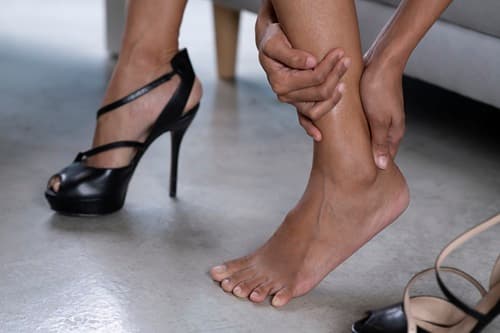
Heel pain affects people who spend long hours standing, walking on hard surfaces, or wearing improper footwear, creating discomfort that interferes with work performance, daily activities, and overall quality of life while potentially signalling underlying conditions requiring attention and lifestyle modifications. Reset Instant Ease tablets provide natural relief for heel discomfort through traditional Ayurvedic herbs including Nirgundi for pain management, Shallaki for inflammation reduction, Haridra for tissue healing, Shunthi for circulation enhancement, and Rasna for comprehensive analgesic effects, all working together to address multiple aspects of heel pain without gastric side effects or dependency concerns associated with conventional pain medications. Understanding common causes of heel pain from plantar fasciitis to fat pad atrophy, recognizing biomechanical factors that contribute to heel stress, learning natural pain relief approaches including both supplementation and self-care strategies, discovering proper footwear selection and supportive interventions, and implementing preventive measures to protect foot health empowers individuals experiencing heel discomfort to manage symptoms effectively while addressing underlying causes for long-term relief. This comprehensive guide explores heel anatomy and pain mechanisms including fascial strain and inflammatory processes, examines various heel pain causes from occupational demands to age-related changes, details how Reset Instant Ease tablets work through multiple pathways to reduce heel discomfort and support healing, presents evidence-based foot care strategies including stretching and strengthening exercises, discusses footwear considerations and orthotic support options, and provides practical guidance for managing heel pain while maintaining necessary activities and identifying when professional medical evaluation becomes necessary for persistent or severe discomfort.
Plantar fasciitis represents the most prevalent cause of heel pain, affecting millions annually. This condition involves inflammation and microtearing of the plantar fascia—a thick band of connective tissue running along the foot's bottom from heel to toes. The fascia helps maintain the foot's arch and absorbs shock during walking. Repetitive stress from prolonged standing, walking, or running creates cumulative damage exceeding the tissue's repair capacity, resulting in inflammation and pain typically most severe with first steps after rest periods.
The characteristic pattern involves intense heel pain upon waking, gradually improving with movement as the fascia warms and stretches, then often worsening again after prolonged standing or at day's end. This pattern reflects how overnight rest allows inflammatory fluid to accumulate while shortened fascia positions create sudden stretching forces with initial weight-bearing. Movement gradually reduces inflammation and lengthens the fascia, providing temporary relief until fatigue and renewed inflammation develop.
Heel fat pad atrophy causes pain through different mechanisms. The heel's underside contains specialized fat pads that cushion impact forces during walking. With aging, these pads naturally thin and lose shock-absorbing capacity. Prolonged standing or walking on hard surfaces accelerates this process. Without adequate cushioning, bones and tissues experience excessive impact stress, creating pain particularly noticeable on hard floors or during barefoot walking.
Heel spurs—bony growths on the heel bone—often accompany plantar fasciitis though they don't always cause pain themselves. The spurs develop from chronic tension where the plantar fascia attaches to the heel bone. The body deposits calcium in response to ongoing stress, gradually building visible spurs on X-rays. While previously blamed for heel pain, research shows many people with heel spurs experience no discomfort, while others with severe plantar fasciitis have no spurs. The underlying fascia inflammation and strain cause pain more than the spur itself.
Achilles tendinitis affects the heel's posterior aspect where the Achilles tendon—body's largest and strongest tendon—attaches to the heel bone. Overuse from running, jumping, or sudden activity increases create inflammation and microtears. The pain localizes to the tendon itself and worsens with activities stretching or loading the tendon. Unlike plantar fasciitis affecting the heel's underside, Achilles issues create posterior heel and lower calf discomfort.
Reset Instant Ease tablets address heel pain through multiple complementary mechanisms. The natural formulation provides pain relief while supporting the inflammatory control and tissue healing necessary for addressing underlying causes rather than merely masking symptoms. This comprehensive approach proves particularly valuable for heel pain, which typically requires weeks to months of consistent management for complete resolution.
Nirgundi's analgesic properties help reduce heel pain intensity, allowing more comfortable walking and standing necessary for daily activities. Unlike strong pain medications that completely block pain signals and may encourage overactivity on injured tissues, Nirgundi provides moderate relief that reduces discomfort while preserving protective pain awareness. This balanced approach supports activity modification—continuing necessary movements while avoiding aggravating activities.
Shallaki contributes anti-inflammatory benefits particularly relevant for plantar fasciitis and Achilles tendinitis where inflammation drives symptoms. By reducing inflammatory mediators, Shallaki helps decrease swelling and associated pain. This anti-inflammatory action complements mechanical interventions like stretching and footwear modifications, creating more comprehensive treatment approaches than single-modality strategies.
Haridra provides both anti-inflammatory and antioxidant support. Chronic inflammation generates oxidative stress that impairs tissue healing. By neutralizing free radicals and supporting cellular repair processes, curcumin in turmeric helps damaged plantar fascia or Achilles tissues heal more effectively. This healing support proves essential since heel pain often requires extended recovery periods—weeks to months depending on severity and contributing factors.
Shunthi enhances circulation to the feet—important since lower extremities naturally receive less blood flow than upper body regions. Improved circulation delivers nutrients and oxygen supporting tissue repair while removing inflammatory waste products more efficiently. Better blood flow also helps resolve chronic inflammation that perpetuates heel pain even after initial injury healing begins.
Reset Instant Ease provides safe, effective relief for chronic heel pain requiring extended management periods.
Proper footwear dramatically affects heel pain. Shoes should provide adequate arch support maintaining the foot's natural contours rather than allowing arch collapse that strains the plantar fascia. Cushioned heels absorb impact forces reducing stress on heel structures. Avoid completely flat shoes like flip-flops or ballet flats that provide minimal support—these force feet and legs to work harder maintaining stability and shock absorption.
Replace worn shoes regularly. Shoe cushioning and support degrade with use, typically requiring replacement every 300-500 miles of walking or 6-12 months of regular wear. Continuing to use worn-out shoes with compressed cushioning and broken-down support structures accelerates heel problems. This proves particularly important for people spending long hours on their feet professionally.
Calf and plantar fascia stretching helps address tissue tightness contributing to heel strain. Tight calf muscles pull on the Achilles tendon and indirectly stress the plantar fascia through altered foot mechanics. Regular stretching—holding positions 30 seconds, repeating 2-3 times, performed 2-3 times daily—gradually improves flexibility reducing heel stress. Morning stretching before weight-bearing proves particularly beneficial for plantar fasciitis.
Ice application reduces inflammation and pain. Apply ice packs 15-20 minutes several times daily, particularly after activities aggravating symptoms. Some find rolling feet over frozen water bottles provides simultaneous icing and massage, addressing both inflammation and tissue mobilization. Avoid applying ice directly to skin—use towel barriers preventing cold injury.
What causes heel pain from standing all day?
Prolonged standing creates sustained stress on heel structures including the plantar fascia and heel fat pads. Without movement variation allowing tissue rest, cumulative damage exceeds repair capacity, causing inflammation and pain. Hard surfaces amplify stress through reduced shock absorption.
How long does plantar fasciitis take to heal?
Most cases improve within 3-6 months with consistent treatment including stretching, proper footwear, activity modification, and pain management. Some resolve faster, others take up to a year. Compliance with treatment recommendations significantly influences recovery speed.
Can I continue working with heel pain?
Many people manage heel pain while continuing work through proper footwear, supportive insoles, pain relief with Reset Instant Ease, regular stretching, and activity modifications when possible. However, jobs requiring extensive standing or walking may need temporary accommodation during acute flare-ups.
Do heel pain tablets cure the problem?
No. Tablets like Reset Instant Ease manage pain and inflammation while supporting healing, but don't address underlying biomechanical or lifestyle causes. Complete resolution requires combining pain management with stretching, proper footwear, activity modification, and sometimes physical therapy or orthotics.
Should I rest completely or stay active?
Avoid complete rest. Continue low-impact activities like swimming or cycling that maintain fitness without stressing heels. Modify rather than eliminate walking—reduce duration and intensity while incorporating rest breaks. Complete immobilization often worsens symptoms when activity resumes.
When should I see a doctor for heel pain?
Seek evaluation for severe pain limiting walking, symptoms persisting beyond 2-3 months despite self-treatment, pain accompanied by swelling or redness suggesting infection, numbness or tingling indicating nerve involvement, or pain following injury or trauma.
•Heel pain commonly stems from plantar fasciitis, fat pad atrophy, or Achilles issues, often related to prolonged standing, improper footwear, or biomechanical factors.
•Reset Instant Ease provides natural pain relief while supporting inflammation control and tissue healing through traditional herbs safe for extended use.
•Proper footwear, regular stretching, ice application, and activity modification complement pain relief for comprehensive heel pain management.
•Most heel pain improves within 3-6 months with consistent treatment; persistent or severe symptoms warrant professional evaluation.
Share this article:
An easy to apply potent formula with roll-on massager
₹549.00
₹449.00
An eco-conscious and powerful solution designed for sustainable living and effective pain management

₹999.00
₹899.00
A 2X more powerful formula for enhanced relief.

₹799.00
₹794.00
A value pack for natural pain relief with a harmonious blend of natural herbs.

₹419.00
₹379.00
| Aspect | Reset Instant Ease (Natural) | Conventional Pain Pills |
|---|---|---|
| Healing support | Addresses pain, inflammation, and tissue repair | Pain relief only; no healing support |
| Extended use safety | Safe for weeks-to-months recovery periods | Increasing risks with prolonged use |
| Gastric tolerance | Gentle on stomach; minimal GI side effects | Stomach irritation, ulcer risk |
| Circulation support | Shunthi enhances blood flow supporting healing | No circulatory benefits |
| Suitable for | People on feet all day; chronic heel pain; plantar fasciitis | Short-term acute pain; not ideal for chronic conditions |