
Heel Pain: Causes, Symptoms and Natural Relief for Heel Pain
2026-08-20 • 4 min read
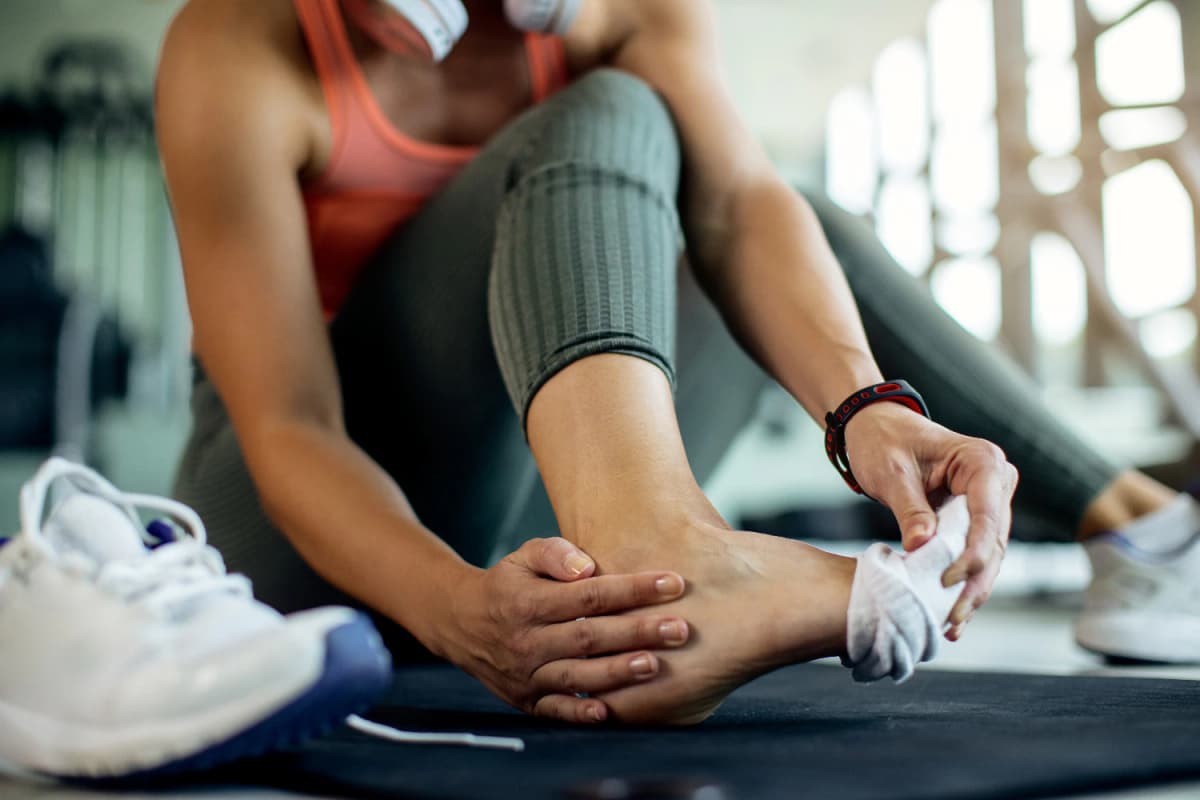
You swing your legs out of bed, stand up, and the first step feels like landing on a pebble. Or a nail. A few minutes of hobbling later it eases, and by lunchtime you've half forgotten it. Then you sit through a long meeting, stand up, and there it is again.
That pattern, heel pain in the morning and after rest, is one of the most recognizable in all of foot care. This guide explains what's behind it, how back side heel pain differs from pain under the heel, and the practical, natural steps that help most people recover. Heel pain is common and usually very treatable, but it rewards patience more than quick fixes.
Where does it hurt? Reading your heel pain
The exact spot tells you a lot. The NHS groups the likely causes by where and how the pain shows up, while warning against trying to diagnose it yourself (NHS). Treat the table below as a starting point for a conversation with a doctor or physio, not a diagnosis.
Heel pain by location
Why it happens: the science behind heel pain
The plantar fascia, explained
The plantar fascia is a thick band of tissue running along the sole, from the heel almost to the base of the toes. It supports your arch and acts as a shock absorber every time your foot lands (Gloucestershire Hospitals NHS). When it's overloaded again and again, the spot where it anchors to the heel bone gets irritated and sore. That's plantar fasciitis, the most common reason for pain under the heel.
Why heel pain in the morning is so sharp
While you sleep, your feet rest pointed slightly downward. The fascia and calf muscles settle into a shortened position for hours. Then you stand, and your full body weight suddenly stretches that tight band in one go. It protests. As you walk, the tissue warms and lengthens, so the pain fades. Sit for an hour and the whole cycle starts again, which is why heel pain after sitting follows the same script.
Who is most at risk
NHS physiotherapy guidance lists the usual triggers: lots of walking, running or standing, especially when you're not used to it, shoes with poor cushioning, being overweight or gaining weight quickly, and a tight Achilles tendon (NHS Scotland). Flat feet and high arches both change how load travels through the foot. In India, add long hours standing at a shop counter, in a kitchen, or on a factory floor, often on concrete or stone.
A note on heel spurs
Plenty of people are told they have a heel spur after an X-ray. A spur is a small bony growth where the fascia attaches. It sounds alarming, but many people with spurs feel no pain at all, and many with plantar fasciitis have no spur. The irritated tissue usually causes the pain, not the spur, so treatment targets the tissue.
Back side heel pain: when it's the Achilles
If the pain sits at the back of your heel rather than underneath, the Achilles tendon is the likely suspect. It is the thick tendon joining your calf muscles to your heel bone. Symptoms include tenderness over the tendon, morning stiffness that eases after a few minutes of walking, and more pain when you rise onto your toes (Mersey Care NHS). It usually develops when the tendon can't keep up with the load, often after a sudden jump in activity. Diabetes, tight and weak calves, and stiff ankles raise the risk.
Plantar fasciitis vs Achilles problems
How to ease heel pain starting today
Take the load off without stopping movement
The NHS advises against walking or standing for long periods, especially barefoot, and suggests resting and raising your heel when you can (NHS). That doesn't mean total rest. Gentle walking, swimming and cycling are generally fine alongside stretching (NHS Scotland). Swap a long evening walk for a cycle for a couple of weeks, and your fitness keeps ticking over while the heel settles.
Cool it down
An ice pack or bag of frozen peas wrapped in a towel, for up to 20 minutes every 2 to 3 hours, can take the edge off (NHS). A popular variation is rolling the sole over a frozen water bottle, with a thin cloth in between. It cools and gently massages the fascia at the same time, and most people find it oddly satisfying.
The India factor: barefoot on hard floors
Many of us walk barefoot at home on marble, granite or vitreous tiles for hours a day. For a sore heel, that is about the worst surface there is. One NHS trust goes as far as advising house shoes or trainers at all times, and avoiding slippers, slip-ons, flip-flops and backless shoes during recovery (Gloucestershire Hospitals NHS). A pair of cushioned, closed-back indoor sandals is a small change that makes a real difference.
Best footwear for plantar fasciitis
NHS advice is simple: wide, comfortable shoes with a low heel and soft sole, soft insoles or heel pads, and no high heels or tight, pointy shoes (NHS). Here's how common Indian options stack up.
Footwear: what helps and what hurts
A foot-stretch routine for every part of the day
Stretching is where the long-term change happens, because tight calves put more load through the plantar fascia (Royal Orthopaedic Hospital NHS). Stretches should never make you worse. If they do, cut back or pause for a day or two (NHS Scotland).
Daily heel stretch routine
One more reason to take heel pain seriously: limping to protect one heel changes how you walk, and that can load the knees and hips differently. If your knees have started complaining too, our guide on pills for knee pain covers what to know before reaching for tablets.
Topical relief: where Reset Deep Penetrating Spray fits
Stretching and good shoes fix the cause, but they take weeks. In the meantime, comfort matters, because it's much easier to do your stretches and stay active when every step doesn't hurt.
Reset Deep Penetrating Spray combines seven herbal actives: Wintergreen, Neelgiri (eucalyptus), Menthol, Nirgundi, Camphor, Boswellia serrata and Ajmoda. Menthol and camphor bring a cooling feel, wintergreen a gentle warmth, and those sensations help dull how pain registers. The spray format is handy for feet, since you can mist the heel and back of the ankle without rubbing a tender spot. Lightly spray the area 2 to 3 times a day, perhaps after your morning stretches and again in the evening.
The same safety rules apply to any rub or spray of this type. The US FDA has warned that products with menthol and methyl salicylate can, rarely, cause skin burns, so avoid broken skin, don't bandage tightly over the area, and never add a heating pad on top (FDA, via US Pharmacist). Methyl salicylate is related to aspirin, so check with a doctor first if you have an aspirin allergy or take blood thinners.
Patience and the mental side of heel pain
This is the part nobody enjoys hearing. Plantar fasciitis heals slowly. One NHS trust notes it usually settles by itself within 12 to 18 months, and that stretching regularly can speed recovery (Gateshead Health NHS). Most people improve well before that, but progress comes in weeks, not days. It helps to measure small wins: the morning you took five steps before it hurt instead of one, or the day you forgot about it until evening. Consistency beats intensity here. Ten minutes of stretching every day will do more than an hour once a week.
When to see a doctor
The NHS advises seeing a GP if any of these apply (NHS):
•the pain is severe or stops you doing normal activities
•it's getting worse or keeps coming back
•it hasn't improved after 2 weeks of home treatment
•you have tingling or loss of feeling in your foot
•you have diabetes, since foot problems can be more serious
Seek urgent help after an injury if you heard a snap or pop, can't walk or stand on tiptoe, or your foot looks misshapen (NHS). For more on everyday relief options, see our guide to pain relief for heels.
Frequently asked questions
Why does my heel hurt most in the morning?
The plantar fascia tightens overnight, causing sharp pain with the first steps.
Who is most at risk of plantar fasciitis?
People who stand for long hours, runners, and those with flat feet or high arches. Extra weight and tight calves add to the risk.
What helps plantar fasciitis at home?
Calf and foot stretches, supportive footwear, and topical pain relief sprays. Stretches and shoes address the cause; the spray makes the recovery period more comfortable.
Why does my heel hurt after sitting for a while?
The same reason it hurts in the morning. The fascia shortens while you rest, then gets stretched suddenly when you stand. A few ankle circles before getting up can soften that first step.
Is walking good for heel pain?
Gentle walking in supportive shoes is usually fine. Long walks or standing for hours, especially barefoot, tend to make it worse. Cycling and swimming are easier options while it settles.
How long does plantar fasciitis take to heal?
It varies. Many people improve over a few months with regular stretching and better shoes, but it can take up to a year or more to fully settle.
Can heel spurs cause pain?
Sometimes, but less often than people think. Many spurs cause no symptoms, and the pain usually comes from the irritated fascia around them.
Is it bad to walk barefoot at home with heel pain?
Yes, on hard floors especially. Marble and tile offer no cushioning. Wear supportive indoor footwear with a back until the pain settles.
Key takeaways
•Heel pain in the morning that eases as you walk is the classic sign of plantar fasciitis.
•Back side heel pain usually points to the Achilles tendon and needs a slightly different approach.
•Cushioned, supportive shoes and no barefoot walking on hard floors take pressure off the heel.
•Daily calf and foot stretches, especially before your first steps, do the long-term work.
•A topical spray can make stretching and walking more comfortable while the tissue heals.
•See a doctor for heel pain that is severe, not improving after 2 weeks, or comes with numbness or diabetes.
References
•NHS. Heel pain. https://www.nhs.uk/conditions/foot-pain/heel-pain/
•NHS. Heel pain: urgent advice. https://www.nhs.uk/symptoms/foot-pain/heel-pain/
•Gloucestershire Hospitals NHS Foundation Trust. Plantar fasciitis patient leaflet. https://gloshospitals.nhs.uk/your-visit/patient-information-leaflets/plantar-fasciitis
•NHS Scotland Right Decisions. Plantar fasciitis physiotherapy leaflet. https://www.rightdecisions.scot.nhs.uk/patient-information-leaflets/primary-community-services/physiotherapy/plantar-fasciitis
Share this article: