Ultra potent gel - Refill pack
An eco-conscious and powerful solution designed for sustainable living and effective pain management

₹999.00
₹899.00
4.6

2026-02-23 • 4 min
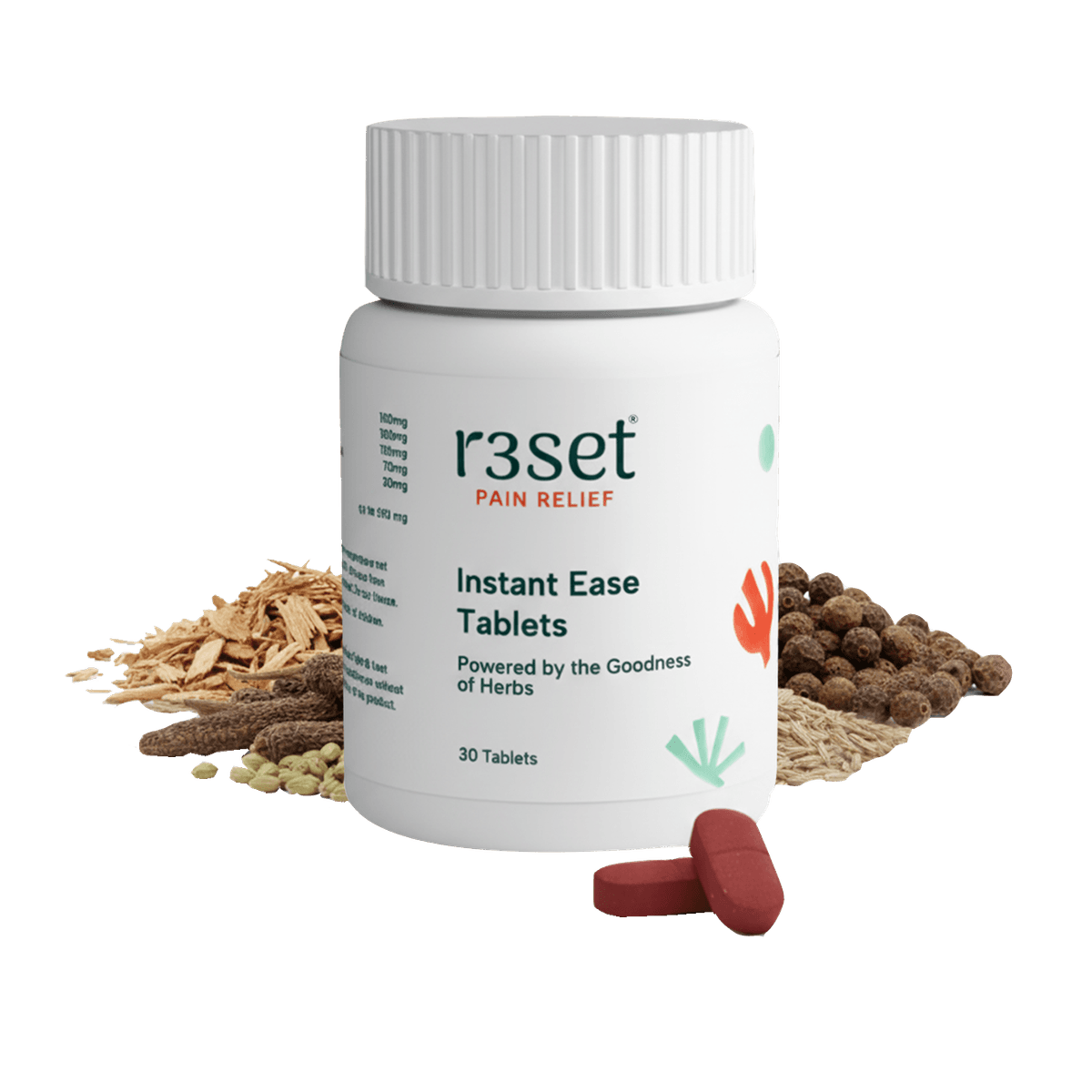
Knee pain affects millions of people daily, limiting mobility, reducing quality of life, and interfering with routine activities from climbing stairs to enjoying recreational pursuits, making effective pain management crucial for maintaining independence and wellbeing. Reset Instant Ease tablets provide natural relief for knee discomfort through carefully selected Ayurvedic ingredients including Nirgundi, Shallaki, Shunthi, Haridra, and Rasna that have been traditionally used for centuries to address joint pain, reduce inflammation, support mobility, and promote comfortable movement without the harsh side effects associated with conventional pain medications. Understanding common causes of knee pain from arthritis to overuse injuries, recognizing when professional medical evaluation becomes necessary, learning about different pain relief options including natural alternatives to synthetic medications, discovering how lifestyle modifications complement pharmaceutical or natural interventions, and implementing preventive strategies to protect knee health empowers individuals to make informed decisions about pain management that balance immediate relief with long-term joint wellness. This comprehensive guide explores knee anatomy and pain mechanisms including cartilage wear and inflammatory processes, examines various pain relief pill options from over-the-counter NSAIDs to natural formulations, details important safety considerations and potential side effects of conventional medications, presents natural approaches to knee pain management including anti-inflammatory herbs and movement therapies, discusses complementary strategies like weight management and strengthening exercises, and provides practical guidance for selecting appropriate pain relief approaches that support both symptom management and underlying joint health for sustainable mobility throughout life.
The knee represents one of the body's largest and most complex joints, bearing significant weight during daily activities while allowing the flexibility necessary for walking, running, bending, and pivoting movements. This combination of load-bearing responsibility and mobility requirements makes knees particularly vulnerable to various pain-causing conditions affecting different structural components including bones, cartilage, ligaments, tendons, and surrounding soft tissues.
Osteoarthritis ranks as the most common cause of chronic knee pain, particularly among older adults. This degenerative condition involves gradual wearing away of articular cartilage—the smooth tissue cushioning bone ends within the joint. As cartilage deteriorates, bones rub together causing pain, stiffness, swelling, and progressive loss of function. While aging increases osteoarthritis risk, other factors including obesity, previous injuries, genetic predisposition, and occupational stresses accelerate cartilage breakdown.
Acute injuries create sudden onset knee pain from specific incidents. Ligament tears like ACL or MCL ruptures occur during sports involving rapid direction changes or direct impacts. Meniscus tears affect the cartilage cushions between thigh and shin bones, often from twisting movements. Tendinitis develops from repetitive stress on tendons connecting muscles to bones around the knee. These acute conditions require prompt evaluation and often benefit from rest, ice, compression, and elevation alongside appropriate pain management.
Overuse syndromes develop gradually from repetitive activities exceeding the joint's recovery capacity. Runner's knee (patellofemoral pain syndrome) creates pain around the kneecap from tracking abnormalities during knee bending. IT band syndrome causes lateral knee pain from friction where the iliotibial band crosses the joint. Bursitis involves inflammation of fluid-filled sacs cushioning the knee, often from prolonged kneeling or repetitive movements. These conditions respond well to activity modification, gradual strengthening, and anti-inflammatory approaches.
Inflammatory arthritis including rheumatoid arthritis creates knee pain through immune system attacks on joint tissues. Unlike osteoarthritis's mechanical wear, inflammatory arthritis involves active inflammation causing warmth, swelling, and systemic symptoms beyond just knee discomfort. These conditions require medical management to control inflammation and prevent progressive joint damage, though natural anti-inflammatory approaches may complement medical treatment.
Over-the-counter NSAIDs (nonsteroidal anti-inflammatory drugs) like ibuprofen, naproxen, and aspirin represent first-line pharmaceutical approaches for knee pain. These medications reduce pain and inflammation by blocking prostaglandin production—chemicals that cause inflammation and sensitize pain receptors. While effective for many people, NSAIDs carry risks including stomach ulcers, cardiovascular effects with long-term use, and kidney strain, particularly at higher doses or with prolonged use.
Acetaminophen (paracetamol) provides pain relief without anti-inflammatory effects. It works through different mechanisms than NSAIDs, making it suitable for people who cannot tolerate NSAIDs due to stomach sensitivity or cardiovascular concerns. However, acetaminophen offers no inflammation reduction—a significant limitation for arthritis-related knee pain where inflammation drives discomfort. Liver toxicity risk exists with excessive doses or chronic use, particularly when combined with alcohol.
Prescription medications include stronger NSAIDs like celecoxib, which selectively targets specific inflammatory pathways with potentially fewer stomach side effects than traditional NSAIDs, though cardiovascular risks remain. Opioid pain relievers may be prescribed for severe acute pain following injury or surgery, but their addiction potential, side effects, and minimal long-term effectiveness make them inappropriate for chronic knee pain management. Topical NSAIDs applied directly to the knee offer localized relief with reduced systemic side effects compared to oral medications.
Reset Instant Ease tablets offer natural relief for knee pain through traditional Ayurvedic herbs, providing effective symptom management with enhanced safety profile for long-term use.
All medications including over-the-counter options carry potential risks requiring informed decision-making. NSAIDs increase gastrointestinal bleeding risk, particularly with prolonged use, higher doses, older age, or concurrent anticoagulant use. Taking NSAIDs with food reduces stomach irritation but doesn't eliminate ulcer risk. Proton pump inhibitors may be prescribed alongside NSAIDs for high-risk individuals to protect stomach lining.
Cardiovascular effects represent another significant NSAID concern. These medications may increase blood pressure and elevate heart attack and stroke risks, especially with long-term use. Individuals with existing cardiovascular disease should use NSAIDs only under medical supervision, with careful consideration of benefit-risk balance. Naproxen appears to carry lower cardiovascular risk than some other NSAIDs, though concerns remain.
Kidney function may decline with chronic NSAID use, particularly in older adults or those with existing kidney disease, diabetes, or heart failure. Regular monitoring of kidney function becomes important for individuals requiring long-term NSAID therapy. Adequate hydration helps minimize kidney stress, though it doesn't eliminate risk entirely.
Traditional herbal approaches offer pain relief with potentially fewer side effects than conventional medications. Turmeric containing curcumin demonstrates anti-inflammatory properties comparable to some NSAIDs in research studies. Boswellia (Shallaki) reduces inflammation and may slow cartilage breakdown. Ginger provides analgesic and anti-inflammatory effects through multiple pathways. These herbs work gradually, requiring consistent use over weeks to achieve full benefits.
Supplements like glucosamine and chondroitin support cartilage health and may reduce pain in some individuals with osteoarthritis, though effects develop slowly over months. Omega-3 fatty acids from fish oil possess anti-inflammatory properties that may benefit inflammatory arthritis. Vitamin D deficiency correlates with increased pain sensitivity—ensuring adequate levels may help pain management.
Weight management proves crucial for knee health since each pound of excess body weight creates four pounds of pressure on knees during walking. Even modest weight loss significantly reduces knee pain and slows arthritis progression. Combining calorie reduction with regular physical activity optimizes weight loss while building strength that supports joint stability.
Exercise paradoxically helps knee pain despite seeming counterintuitive. Low-impact activities like swimming, cycling, and elliptical training maintain fitness without excessive joint stress. Strength training particularly for quadriceps and hamstrings provides dynamic knee stability reducing cartilage stress. Flexibility work maintains range of motion preventing compensatory movement patterns that increase injury risk.
Can I take knee pain pills long-term?
Natural formulations like Reset Instant Ease are generally safe for extended use. Conventional NSAIDs carry increasing risks with long-term use including stomach, cardiovascular, and kidney effects. Discuss prolonged pain medication use with healthcare providers for appropriate monitoring and risk assessment.
How quickly do knee pain pills work?
Conventional NSAIDs typically provide relief within 20-30 minutes. Natural formulations may take 30-60 minutes for initial effects, with optimal benefits developing over consistent use. Chronic conditions benefit more from regular use than sporadic dosing for acute flare-ups.
Are natural knee pain pills effective?
Research supports effectiveness of herbs like turmeric, boswellia, and ginger for knee pain, particularly with osteoarthritis. While they may work more gradually than conventional medications, natural options offer comparable relief with better long-term safety profiles for many individuals.
Can I combine knee pain pills with other treatments?
Yes. Pain pills complement physical therapy, exercise, weight management, and other non-pharmaceutical approaches. Combining treatments often produces better results than single interventions. However, avoid combining multiple pain medications without medical guidance to prevent interactions or excessive side effects.
When should I see a doctor for knee pain?
Seek medical evaluation for severe pain, significant swelling, inability to bear weight, knee instability or giving way, pain persisting beyond several weeks, or symptoms accompanied by fever. These may indicate serious conditions requiring professional diagnosis and treatment beyond self-care measures.
What lifestyle changes help knee pain?
Weight management, regular low-impact exercise, strength training for leg muscles, proper footwear with adequate support, activity modification avoiding excessive stress, and maintaining flexibility through stretching all support knee health. These strategies amplify benefits of pain medications whether conventional or natural formulations.
• Knee pain stems from various causes including osteoarthritis, acute injuries, overuse syndromes, and inflammatory conditions, each requiring appropriate management approaches.
•Conventional pain pills including NSAIDs provide effective relief but carry risks with long-term use including gastrointestinal, cardiovascular, and kidney effects.
• Natural alternatives like Reset Instant Ease offer effective knee pain relief through traditional Ayurvedic herbs with enhanced long-term safety profiles.
•Complementary strategies including weight management, appropriate exercise, strength training, and flexibility work amplify medication benefits and support overall knee health.
Share this article:
An eco-conscious and powerful solution designed for sustainable living and effective pain management
₹999.00
₹899.00
For instant action and faster absorption

₹369.00
₹349.00
An easy to apply potent formula with roll-on massager

₹549.00
₹449.00
An optimal choice for safe and natural pain relief.

₹349.00
₹249.00
| Aspect | Reset Instant Ease (Natural) | Conventional NSAIDs |
|---|---|---|
| Formulation | Ayurvedic herbs (Nirgundi, Shallaki, Haridra, Shunthi) | Synthetic compounds (ibuprofen, naproxen) |
| Mechanism | Multi-pathway anti-inflammatory and analgesic effects | Prostaglandin synthesis inhibition |
| Gastric side effects | Minimal; natural ingredients gentle on stomach | Common: nausea, ulcers, bleeding risk |
| Long-term safety | Safe for extended use; supports joint health | Cardiovascular, kidney, liver risks with chronic use |
| Onset time | Instant long lasting relief | Gradual action within 20-30 minutes |
| Joint health support | Herbs like Shallaki support cartilage health | No joint protective properties |
| Drug interactions | Minimal interactions with medications | Multiple interactions: blood thinners, blood pressure meds |
| Best suited for | Chronic knee pain, arthritis, long-term management | Acute pain, short-term relief (under medical guidance) |