
A Complete Guide to Lower Limb Anatomy: Bones, Muscles & Functions
2026-01-12 • 5 min
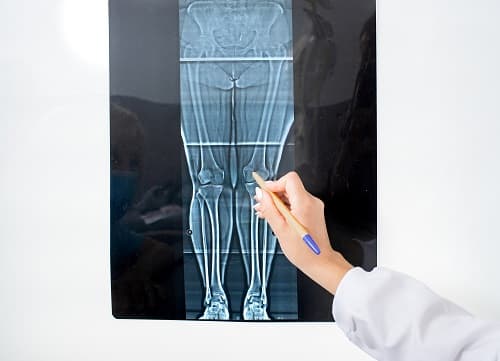
What do your lower limbs or legs do apart from getting you from point A to point B? They hold you up, support your body weight, absorb shock, keep you balanced, and do much more.
Let’s learn more about your lower limb anatomy in simple terms. What are the major bones, key joints, and lower limb muscles, and how it all adds up to your overall movement? Along the way, see how the anatomy of the leg connects to common aches and the potential treatments to make everyday movement easier.
What is the Lower Limb
Before going into the details, let’s understand what the lower limb is. No, it’s not just legs. In fact, they are only a section. Even more, the parts of the leg are divided into categories. The lower limb anatomy includes from the hip down to the toes.
The leg part names that make up the lower limb are the hip and pelvis region, thigh, knee, ankle, and foot. In a broader view, it has 3 functions: support, locomotor, and stability.
Let’s dive deeper into this segment.
What Consists of the Lower Limb
The easiest way to understand lower limb anatomy is to break it into four core pieces. These put together make up the lower limb. They are bones, joints, muscles, and nerves.
Bones
Bones provide the support and structure that make movement possible. They protect joints, anchor muscles, and store minerals. Key bones in the lower limb include:
Hip And Thigh Bones
· Pelvis: It is the hip bone that forms the socket for the hip joint that holds the head of the femur.
· Femur: Often called the thigh bone, it is the biggest, strongest bone in the body. It handles forces during activities like walking, climbing stairs, or jumping.
Knee Bones
· Patella (kneecap): It is embedded in the tendon at the front of the knee joint. It improves muscle efficiency, gives the thigh muscles better leverage, and protects the knee joint from trauma.
Leg Bones (Knee to Ankle)
· Tibia: Also known as the shin bone, it is the main weight-bearing bone in the lower leg.
· Fibula: The outer and slimmer bone of the lower leg that provides muscle attachment and ankle stability.
Foot Bones
· Tarsals: The ankle and midfoot bones that form the heels.
· Metatarsals: The long bones in the midfoot between the ankle and the toes.
· Phalanges: The toe bones are responsible for fine movements like grasping and pinching.
These are the bony parts of the leg that form the lower limb. The next step in the anatomy is the joints.
Joints
Bones alone are rigid. Where two bones meet, they form a joint. This is where the motion happens. The major joints in the anatomy of the leg are:
Hip Joint
This includes a ball and a socket joint that functions for a range of motion. This includes rotation, knee up, leg rotation, front, and back leg extension. It has strong ligaments and deep muscles built for mobility, stability, and
Knee Joint
Often described as a hinge, it connects the thigh bone to the shin bone. It is responsible for minor rotation, bending, and extending the leg. In daily life, it is vital for walking, running, jumping, and other physical activities.
Ankle and Foot Joints
The part of the leg where the leg bone meets the foot bone is the ankle joint. It enables up-and-down motion, twist, walking, maintaining balance, and adapting to rough areas.
All of your regular life aches like a shoulder, back, or neck is usually joint pain caused by the degeneration of the bones, cartilage, ligaments, or tendons.
Muscles
Lower limb muscles not only create motion, but they also protect the joints by controlling alignment. In addition, they keep you steady when you’re standing still. Here is a group of lower limb muscles and what they do.
Hip and Buttocks Region
· Gluteus Maximus: Powerful hip extension, in function when you are climbing, sprinting, or standing up.
· Gluteus Medius and Minimus: The smallest muscles in the anatomy of the leg, they keep the pelvis stable when you stand on one leg.
· Deep Rotators: Perform the function of fine-tuning hip rotation, stability, and positioning.
Thigh Muscles
· Quadriceps: Front thigh muscle that straightens the knee, controls squatting, stairs, and supports shock absorption.
· Hamstrings: Back thigh muscles assist in bending the knee and extending the hip. Additionally, it helps slow down the legs during running.
· Adductors: Inner thigh muscles pull the leg inward and help stabilize the hip and pelvis.
Leg Muscles
These are the muscles extending from the knees to the ankle. This includes:
· Tibialis Anterior: Front muscles that function for foot lifting. They help you lift your foot while walking and prevent tripping
· Peroneals: Also known as fibularis muscles, they are located on the sides. They help with ankle stability to prevent rolling, especially on uneven ground.
· Gastrocnemius and Soleus: Commonly known as calf muscles, they provide power for walking and running.
· Tibialis Posterior: These back compartment muscles support the arch and control foot motion.
Foot Muscles
They are the smaller muscles within the parts of the leg that support the arch and toe control. It functions to balance weight and enable an effective walk.
Nerves and Arteries
Have you ever experienced pain without knowing its source? Is it muscle pain, nerve pain, or joint pain? That’s because of nerve referral and circulation issues.
To simplify it, if your symptoms include numbness, tingling, burning, cramping, or coldness, it is likely related to the nerves.
Here’s what they consist of:
· Femoral Nerve: It is a major nerve that supplies the front thigh, back thigh, and goes down to the lower leg nerves.
· Sciatic Nerve: It is the largest nerve that runs down the back of the thigh and splits into branches towards the lower leg and foot.
· Tibial and Common Peroneal Nerves: Extension of the sciatic nerve that serves the calf, shin, and foot.
Arteries
· Femoral Artery: It supplies blood behind the knee and continues into the lower leg and foot through its branches.
Functions of the Lower Limb
As mentioned earlier, the lower limb is built for three major functions: support, locomotor, and stability. Here are the details:
1. Support
The large bones, including the femur and tibia, support the body's weight. While the hip stabilizers keep the pelvis level. Also, the load is managed by the knees, and the foot spreads pressure across the ground. This implies that the lower limb anatomy keeps your weight stable even while walking.
2. Locomotor
While you use parts of the leg for many activities, it’s the muscles in the hip, thigh, knee, ankle, calf, and foot that work together. The quadriceps and glutes control deceleration, the calf helps manage impact, the hips drive power, and the hamstrings and glutes help with speed control
3. Balance
Your body needs balancing while dancing, on uneven grounds, stairs, turns, or any sudden steps. For this, the ankle and foot joints work with the lower limb muscles to take control.
What’s in it for you?
Knowing the lower limb anatomy is not just educational. It is essential to know if you want to figure out your personal health. Sometimes, you might feel a spot aching, but the cause can be different from what you think.
Here’s a clear picture for you to make a better decision.
Knee Pain: Poor hip control and overuse of the quadriceps tendon or patellar tendon
Shin Pain: Training load or wrong footwear can impact the tibia or surrounding muscles.
Ankle Sprains: Affect the outside ligament because of stiffness and weak stabilizers
Heel and Arch Pain: Calf tightness often occurs from travel or incorrect foot mechanics.
How to Manage Lower Limb Pain?
No matter how complex it seems, managing lower limb pain is an easy job. All you need is consistency and some supporting elements.
Lifestyle Changes
Any pain, including in the lower limb, can be fixed via lifestyle changes. To begin with, try low-stress movements like walking, swimming, or cycling. Furthermore, make a habit of doing light stretching daily. If your posture is causing leg tension, use a back pain relief gel after activity for quick relief.
Topical Treatment
While you work on your mobility and strength, use topical products to calm soreness. They can help you perform better every time. If you feel tightness in the back or hips, try the back pain relief gel. In case the soreness is running from the top, consider shoulder pain treatment gels to regain mobility.
Dietary Restrictions
When moving towards a healthy lifestyle, the first thing to change is diet. Cut down on ultra-processed snacks. Lean into anti-inflammatory choices and support recovery with protein, hydration, and minerals. While supplements and options like hot & cold therapy or shoulder pain treatment gel are always available, diet remains the core.
FAQs
What are the main bones that make up the lower limb?
The main bones that make up the lower limb are the hip bone, femur, patella, tibia, fibula, and the foot bones.
2. Which muscles are responsible for movement in the lower limb?
The lower limb muscles responsible for movement include:
· Gluteals for hip movement
· Quadriceps, adductors, and hamstrings for knee movement
· Tibialis anterior, calf muscles, tibialis posterior, peroneals, and foot muscles for ankle and foot movement.
3. How do lower limb bones and muscles work together to support the body?
Lower limb muscles and bones provide body support by using joints as pivot points. Alongside, muscles pull through tendons to stabilize the body during movement.
4. What are the key joints in the lower limb and their functions?
The key joints in the lower limb and their functions are:
· Hip joint: wide-range motion and weight transfer
· Knee joint: bending, straightening, and walking
· Ankle joint: up-and-down foot control and pushing against the ground
· Foot joint: stability, shock absorption, and balance
· Subtalar joint: side-to-side foot adaptation
5. How does understanding lower limb anatomy help in preventing injuries and improving mobility?
Understanding lower limb anatomy allows you to identify weak or tight areas. Also, it enables you to correct your regular movement patterns, improving alignment, stability, and efficiency.
Share this article: