
Vitals/Immunity
The Anti-Inflammatory Diet: What to Eat and Avoid
2025-08-07
5 min

2026-08-19 • 4 min read
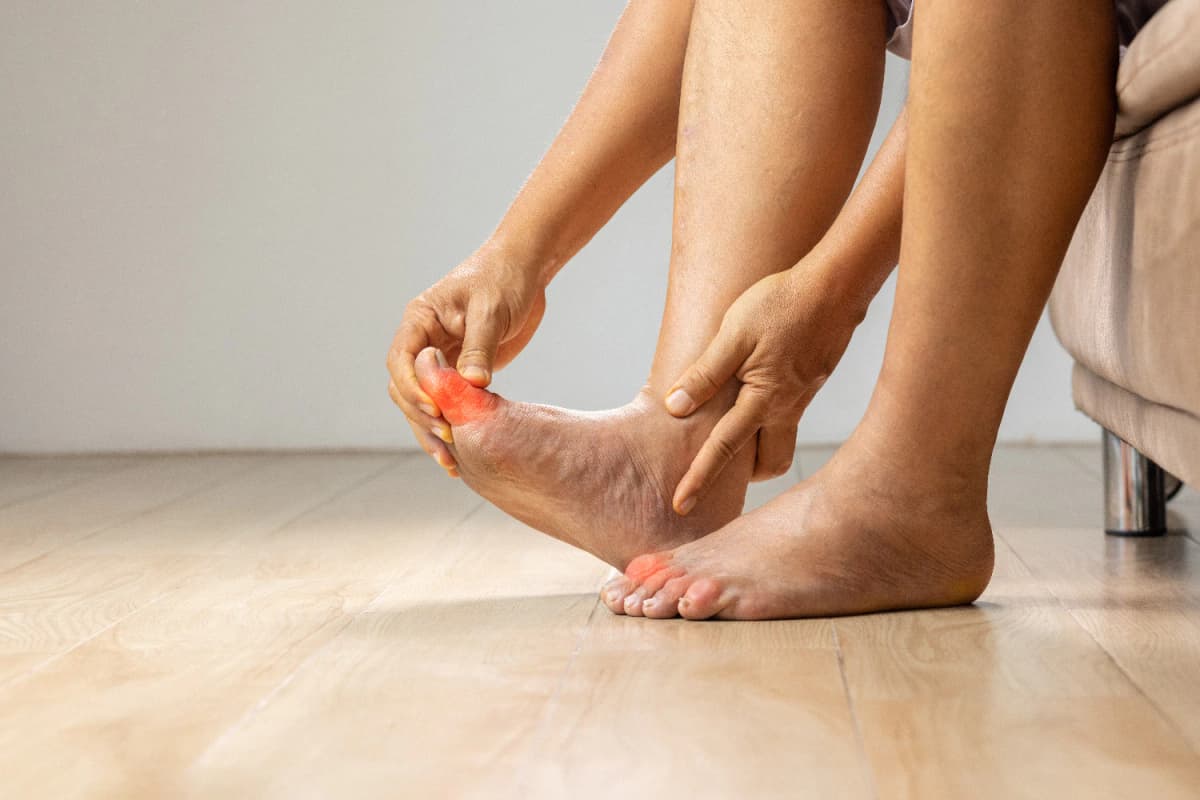
It usually starts at 3 a.m. A sharp, burning pain in the big toe that wakes you out of a dead sleep. The joint is hot, swollen, and so tender that even the weight of a bedsheet feels unbearable. That's gout. It's one of the most painful forms of arthritis, and it's more common than most people realize, affecting roughly 3 to 6 percent of adults. The gout symptoms can feel alarming the first time, but the condition is well understood and very manageable once you know what's driving the uric acid joint pain behind it. Diet, hydration, and the right gout home remedies can make a real difference, especially when used alongside medical treatment.
Gout is a form of inflammatory arthritis, but it works differently from the types most people know. Osteoarthritis comes from wear and tear on cartilage over decades. Rheumatoid arthritis is an autoimmune disease where the immune system attacks the joints. Gout is a metabolic problem. It happens when uric acid, a waste product from the breakdown of substances called purines, builds up in the blood and forms sharp, needle-like crystals inside a joint.
The NHS describes it simply: gout is caused by too much uric acid, which leads to crystals forming around your joints, causing pain. The body normally produces uric acid, sends it through the blood to the kidneys, and excretes it in urine. Trouble starts when either too much is produced or the kidneys can't clear it fast enough.
If you're trying to understand where gout fits relative to other joint conditions, a look at the four stages of rheumatoid arthritis can help clarify how different types of arthritis progress.
Purines are natural compounds found in the body's cells and in many foods. When broken down, the end product is uric acid. In most people, this clears through the kidneys without issue. When the balance tips, uric acid accumulates and crystallizes.
The dietary triggers are well documented. The Mayo Clinic lists red meat, organ meats, shellfish, beer, distilled spirits, and fructose-sweetened drinks as the main culprits. A study in the Annals of Rheumatic Diseases found that high-purine intake increased flare risk fivefold.
Diet isn't the whole story, though. Genetics play a part. So does obesity, which raises production and reduces excretion. Kidney disease, diabetes, and certain medications (especially diuretics) also raise uric acid. Men are more likely to develop gout, though the gap narrows after menopause.
A gout attack hits fast. The NHS lists the main symptoms as sudden severe pain in a joint (usually the big toe, but also ankles, knees, wrists), hot and swollen skin over the area, and redness. Most attacks come at night, peak within 12 to 24 hours, and can last one to two weeks untreated.
Between flares, you may feel completely normal, which is part of what makes gout deceptive. The Cleveland Clinic notes that a first attack typically lasts 3 to 10 days, and the next one could be months or years later, but intervals tend to shorten over time.
Gout has stages worth knowing. Early on, uric acid may be high with no symptoms (asymptomatic hyperuricemia). Then acute flares. Between flares is the intercritical period. Untreated over years, chronic tophaceous gout develops: uric acid deposits form visible lumps (tophi) near joints, and permanent damage becomes a real risk.
There's a reason gout tends to strike while you sleep. Uric acid crystallizes more readily at lower temperatures, and the extremities (feet especially) cool down at night. When you lie flat, fluid redistributes from your legs into circulation, which can concentrate uric acid in the blood. You're also mildly dehydrated after hours without water, and dehydration is one of the fastest ways to tip the balance.
The crystals themselves are shaped like needles. When they deposit in a joint, the immune system reacts as if there's an infection, sending white blood cells to attack. That immune response is what produces the intense swelling, heat, and pain. It's inflammation turned up to eleven, which is why anti-inflammatory treatment (whether medical or natural) is the core of gout management.
Medical treatment for gout typically includes NSAIDs, colchicine, or corticosteroids for acute attacks, and drugs like allopurinol for long-term management. But there's a lot you can do at home to support those treatments.
Stay hydrated. The Arthritis Foundation recommends up to 16 cups of water a day during a flare. Even outside of flares, consistent hydration is one of the simplest preventive measures.
Eat tart cherries or drink cherry juice. Cherries contain anthocyanins, natural compounds with anti-inflammatory properties. Some research links regular cherry intake to lower uric acid levels.
Apply ice during a flare. A cloth-covered ice pack for 20 minutes can reduce swelling and numb the pain temporarily.
Adjust your diet. Cut back on organ meats, shellfish, red meat, beer, and high-fructose drinks. Increase low-fat dairy, fruits, vegetables, and whole grains.
Manage your weight gradually. Crash diets can actually trigger flares by spiking uric acid. Slow, steady weight loss helps.
Get enough vitamin C. Some evidence suggests vitamin C helps the kidneys excrete uric acid. Citrus fruits, bell peppers, and strawberries are good sources.
If you've been managing post-workout muscle soreness alongside joint issues, the overlap in anti-inflammatory strategies is worth noting.
Gout is a systemic condition. The uric acid buildup happens in the blood, and inflammation radiates from inside the joint. An oral anti-inflammatory approach makes sense as a complement to topical relief or standard medications.
White Willow bark contains salicin, the natural precursor to aspirin, used across cultures for pain and swelling. Vayavidang provides anti-inflammatory support without the stomach irritation of conventional NSAIDs. Ajwain protects the stomach lining while helping with pain, which matters for gout patients already taking NSAIDs. Safed Jeera supports digestive comfort and inflammation management. Pippali is traditionally used in Ayurveda for the body's inflammatory response.
Reset Instant Ease Tablets combine all five of these herbs in a simple oral format. They're designed for everyday joint and body pain, and the stomach-friendly formulation matters if you're someone who's already dealing with the gastric side effects of gout medication. Take one tablet three to four times daily after meals. For chronic joint stiffness, give it two to three consistent weeks for the herbs to build up. Not a substitute for medical treatment, but a complementary layer of support.
Not every gout flare needs an emergency visit, but some situations do need medical attention. See a doctor if it's your first-ever attack (you need a proper diagnosis to rule out infection or other conditions), if you have a high fever alongside a swollen joint (this could indicate a joint infection, which is a medical emergency), if flares are becoming more frequent, or if you notice visible lumps near your joints (tophi), which signal advanced disease.
Long-term, a doctor may prescribe uric-acid-lowering medication to prevent flares and protect your joints from permanent damage. The NHS notes that leaving gout untreated may cause lasting joint damage.
Gout is painful, but it's one of the most treatable forms of arthritis once you understand what's causing it. Uric acid buildup from purine-rich foods, dehydration, obesity, and genetic factors drives the crystal formation behind every flare. Hydration, dietary adjustments (less red meat, shellfish, and alcohol), tart cherries, and anti-inflammatory herbal support (like White Willow and Vayavidang) can all reduce flare frequency and severity alongside medical treatment. Don't ignore recurring attacks. They're a signal that something needs to change.
What triggers a gout attack?
High-purine foods like red meat, organ meats, shellfish, and alcohol (especially beer) can raise uric acid levels. Dehydration, crash diets, and certain medications like diuretics can also trigger flares.
Which joint does gout affect most?
The big toe is the most common site, but gout can also affect the ankles, knees, wrists, and elbows.
Can gout pain be managed naturally?
Yes. Hydration, dietary changes (reducing purines), tart cherry juice, ice therapy, and herbal anti-inflammatory tablets can all help alongside medical treatment.
Is gout the same as arthritis?
Gout is a type of arthritis, specifically an inflammatory arthritis caused by uric acid crystals. It's different from osteoarthritis (wear and tear) and rheumatoid arthritis (autoimmune). The causes and treatment approaches are distinct.
Does drinking water help gout?
Yes. The Arthritis Foundation recommends up to 16 cups of water a day during a flare. Consistent hydration helps the kidneys flush uric acid and reduces the risk of crystal formation.
Can gout be cured permanently?
Gout can be very effectively managed, but the underlying tendency to produce excess uric acid usually persists. With the right combination of medication, diet, and lifestyle changes, many people stop having flares entirely. Ongoing management is important.
1. NHS UK, "Gout." https://www.nhs.uk/conditions/gout/
2. Mayo Clinic, "Gout: Symptoms and Causes." https://www.mayoclinic.org/diseases-conditions/gout/symptoms-causes/syc-20372897
3. Cleveland Clinic, "Gout: Symptoms, Causes & Treatment." https://my.clevelandclinic.org/health/diseases/4755-gout
4. NIAMS (National Institute of Arthritis and Musculoskeletal and Skin Diseases), "Gout." https://www.niams.nih.gov/health-topics/gout
5. Arthritis Foundation, "Gout." https://www.arthritis.org/diseases/gout
Share this article:
A herbal dose of complete wellness

₹439.00
₹419.00
A 2X more powerful formula for enhanced relief.

₹799.00
₹629.00
An easy to apply potent formula with roll-on massager

₹549.00
₹449.00
| Feature | Gout | Osteoarthritis | Rheumatoid arthritis |
|---|---|---|---|
| Cause | Uric acid crystal deposits | Cartilage wear and tear | Autoimmune attack on joints |
| Onset | Sudden, often at night | Gradual, over years | Gradual, symmetrical joints |
| Most affected joint | Big toe (commonly) | Knees, hips, hands | Hands, wrists, knees |
| Key indicator | Uric acid blood levels | X-ray changes | Rheumatoid factor in blood |
| High-purine (limit or avoid) | Low-purine (safe to eat) |
|---|---|
| Organ meats (liver, kidney) | Fruits and vegetables |
| Red meat (beef, lamb) | Whole grains, rice |
| Shellfish (shrimp, mussels) | Low-fat dairy |
| Beer and distilled spirits | Water, coffee, herbal tea |
| Sugary drinks (high-fructose) | Eggs |
| Ingredient | Traditional use | Relevance to gout pain |
|---|---|---|
| White Willow (salicin) | Natural pain relief | Joint pain and swelling |
| Vayavidang | Anti-inflammatory | Reduces flare-related inflammation |
| Ajwain | Stomach-protective pain support | Pain relief without gastric stress |
| Safed Jeera | Digestive comfort, anti-inflammatory | Supports inflammation management |
| Pippali | Inflammation management | Supports natural pain response |
| Manage at home | See a doctor |
|---|---|
| Mild flare, known gout diagnosis | First-ever attack (needs diagnosis) |
| Responds to ice, hydration, rest | High fever with joint swelling |
| Pain reduces within a few days | Frequent recurring flares |
| No signs of infection | Visible lumps (tophi) near joints |

