
How Many Calories Are in 1 Bowl of Rice?
2026-04-15 • 4 min
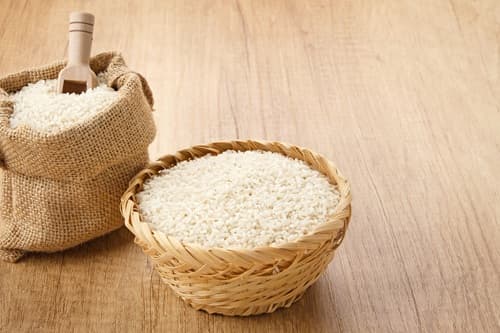
Rice is a dietary staple for billions of people worldwide, yet it remains one of the most misunderstood foods when it comes to calorie counting and weight management. A single bowl of rice can range from as few as 130 calories to well over 400 calories depending on the type of rice, the size of the bowl, and how the rice is prepared and served. Understanding exactly how many calories are in 1 bowl of rice requires accounting for all these variables — and knowing what a "bowl" actually means in measurable terms. For many people in South Asia, East Asia, and the Middle East, rice forms the centerpiece of nearly every meal, which makes accurate calorie knowledge essential for those monitoring energy intake or managing their body weight. This article provides a comprehensive breakdown of rice calories across different varieties and portion sizes, explores how preparation methods affect caloric content, and offers practical guidance on eating rice as part of a calorie-conscious diet without sacrificing satisfaction or nutrition.
What Is a 'Bowl' of Rice in Calorie Terms?
The word 'bowl' is frustratingly imprecise. A small rice bowl used in Japanese cuisine holds about 150 grams of cooked rice, while a large dinner bowl commonly used in South Asian households might contain 300 grams or more. For calorie counting purposes, it is most useful to think in terms of grams. A standard, commonly referenced serving of cooked rice is typically defined as 150 to 180 grams, which approximates a medium-sized bowl. Using this as a baseline, the calorie count for a medium bowl of plain cooked white rice falls in the range of 195 to 235 calories. Brown rice, slightly lower in calories per gram, would deliver approximately 168 to 202 calories for the same bowl size.
For everyday reference, it helps to know the calories per 100 grams as a unit — and then scale up or down based on your actual portion. White rice contains about 130 calories per 100g cooked, while brown rice contains approximately 112 calories per 100g cooked. Uncooked (raw) rice has dramatically higher caloric density — around 360 to 370 calories per 100g — because it hasn't yet absorbed the water that dilutes its energy content during cooking.
Calories in Rice by Type: A Comparison
White Rice Calories
White rice is the most commonly consumed variety globally. Its mild flavor, soft texture, and quick cooking time make it a universal favorite. Per 100g cooked, white rice delivers approximately 130 calories. A small bowl (about 150g) provides 195 calories, a medium bowl (about 180g) around 234 calories, and a large bowl (250g) over 325 calories. These numbers assume plain boiled rice with no oil, butter, or other additions.
Brown Rice Calories
Brown rice is the whole-grain version of rice, retaining its bran and germ. While it is lower in calories per 100g cooked (approximately 112 kcal), the difference per bowl is relatively modest — typically 25 to 45 fewer calories compared to white rice of the same weight. The more significant advantage of brown rice lies not in its calorie count but in its greater fiber, mineral, and vitamin content. Higher fiber also means greater satiety — you may feel fuller for longer with brown rice than with the same calorie quantity of white rice, which is a practical advantage for calorie management.
Basmati and Other Long-Grain Rice
Basmati rice, particularly the aged variety, contains slightly more calories per 100g than standard white rice (approximately 120 kcal per 100g cooked). However, its elongated grains expand significantly when cooked, meaning a smaller dry weight produces a larger finished volume — which can naturally reduce the amount you eat by weight. Jasmine rice is similar in calorie content to white basmati. Long-grain varieties generally have a lower glycemic index than short-grain white rice, which can be advantageous for blood sugar management.
How Preparation Affects Rice Calories
The preparation method can dramatically change the caloric content of what ends up in your bowl. Plain boiled or steamed rice is the leanest option. Adding oil during cooking — a common practice in many Indian, Middle Eastern, and South Asian households — adds approximately 40 calories per teaspoon of oil. Ghee, often added for flavor and richness, adds around 45 calories per teaspoon. A bowl of rice prepared with a tablespoon of ghee or oil can easily have 120 to 135 additional calories compared to the same amount of plain boiled rice.
Fried rice is perhaps the most calorie-dense preparation. A bowl of restaurant-style fried rice typically contains 350 to 500 calories per serving, depending on the oil used, additions like egg, vegetables, and sauces. Coconut rice — rice cooked in coconut milk — also adds significant calories from fat. Conversely, rice cooked with stock instead of water adds minimal calories while enhancing flavor. For those tracking calories closely, plain steamed rice remains the most calorie-predictable preparation.
100 Gm Rice Calories: Raw vs Cooked
One of the most common sources of calorie confusion is the difference between raw and cooked rice measurements. Raw white rice contains approximately 365 calories per 100g. When cooked, the same 100g of dry rice absorbs water and expands to approximately 300g of cooked rice, reducing its calorie density to about 130 calories per 100g cooked. This means that if you measure 100g of dry rice before cooking and then weigh your portion after cooking, you will significantly undercount your calories if you use the cooked calorie figure for the pre-cooked weight.
The practical rule of thumb: cooked rice weighs roughly 2.5 to 3 times more than uncooked. A 100g portion of dry rice yields approximately 280 to 300g of cooked rice, providing about 365 calories in total. This is an important distinction for calorie tracking apps and food diaries — always verify whether a nutritional entry refers to raw or cooked weight.
Rice and Weight Management
Rice has developed an undeserved reputation in some weight-loss circles as a fattening food to be avoided. In reality, rice itself — consumed in reasonable portions — is not inherently problematic for weight management. It is calorie-dense relative to vegetables but significantly less calorie-dense than most processed foods, oils, or sweets. The key factors in whether rice supports or hinders weight goals are portion size, preparation method, and what accompanies it on the plate.
A practical strategy is to use rice as one component of a balanced plate rather than the entire meal. Filling half the plate with vegetables, a quarter with lean protein, and a quarter with rice keeps calorie intake manageable while providing nutritional diversity. Brown rice, with its higher fiber and slightly lower calorie content per gram, is a marginally better choice for sustained fullness. For individuals who eat rice daily and are monitoring their overall calorie and nutrient intake, complementing the diet with targeted wellness tools can be helpful — for instance, incorporating health-supporting gummy supplements or Detox candy as part of a broader daily wellness routine.
Is Eating One Bowl of Rice Daily Good for Weight Loss?
One bowl of cooked white rice (approximately 180g) provides around 234 calories. In the context of a 2,000-calorie daily allowance, this represents just under 12% of total daily energy — a very manageable portion. Whether this supports or hinders weight loss depends entirely on the rest of the diet. If a single bowl of rice is part of a well-balanced, calorie-appropriate diet that includes plenty of vegetables, adequate protein, and minimal processed foods, it presents no obstacle to weight loss or healthy weight maintenance.
Problems arise when rice is consumed in oversized portions — multiple large bowls per meal — or when it is accompanied by high-calorie curries, gravies, or fried accompaniments. Being mindful of total meal calories rather than singling out rice as the culprit is a more effective and sustainable approach to dietary management.
Frequently Asked Questions
How many calories are in one bowl of cooked rice?
A medium bowl of cooked white rice (approximately 180g) contains around 234 calories. A small bowl (150g) has about 195 calories, and a large bowl (250g) provides roughly 325 calories. Brown rice is slightly lower, offering about 202 calories for a medium bowl of the same size.
Does the calorie count change between white rice and brown rice?
Yes, but the difference is modest. White rice contains approximately 130 calories per 100g cooked, while brown rice contains about 112 calories per 100g cooked. The more meaningful difference is in fiber, nutrients, and glycemic index — not just raw calories. Brown rice is more filling and nutritionally richer, which indirectly supports better calorie management.
How many calories are in a small vs large bowl of rice?
A small bowl (150g cooked white rice) contains approximately 195 calories. A large bowl (250g) contains about 325 calories. The difference of roughly 130 calories between a small and large bowl is significant for anyone tracking intake, making portion awareness a critical habit for rice-eating households.
Does adding ghee or oil increase rice calories?
Yes, significantly. One tablespoon (13g) of ghee adds approximately 112 calories. One tablespoon of vegetable oil adds about 120 calories. If you add ghee or oil while cooking or serving rice, a bowl that would have contained 234 calories can quickly exceed 350 calories. Tracking added fats is essential for accurate calorie counting when eating rice-based meals.
How many calories are in rice per 100g compared to one bowl?
Cooked white rice contains approximately 130 calories per 100g. A standard medium bowl of rice (180g) therefore contains about 234 calories. A large bowl (250g) provides about 325 calories. Remembering that bowl sizes vary widely is important — the safest approach is to weigh your portion or measure using a standardized cup (one cup of cooked rice = approximately 186g, or about 242 calories).
Is eating one bowl of rice daily good for weight loss?
One bowl of rice per day is perfectly compatible with weight loss when it is part of an overall calorie-controlled diet. A medium bowl of white rice provides about 234 calories — less than 12% of a standard 2,000-calorie daily target. The key is to pair rice with high-fiber vegetables and lean protein to create balanced, filling meals that stay within your daily energy budget.
How can I reduce calorie intake while eating rice?
Several strategies help: choose brown rice over white for more fiber and slightly fewer calories; cook rice with water or low-sodium stock instead of oil or ghee; cool and reheat rice to increase resistant starch content (which reduces effective calorie absorption); control portion sizes by using a food scale or measuring cup; and fill the majority of your plate with vegetables and protein so rice occupies only a quarter of your meal.
Key Takeaways
• A medium bowl (180g) of cooked white rice contains approximately 234 calories; brown rice contains about 202 calories for the same portion.
• Raw rice has roughly 365 calories per 100g — about 3x more than cooked rice by weight due to water absorption during cooking.
• Preparation method significantly impacts calorie count — ghee, oil, and fried preparations can add 100-200+ calories per bowl.
• Brown rice offers fewer calories per gram than white rice and provides more fiber, supporting better satiety and blood sugar control.
• Portion size is the most controllable variable — measuring rice by weight rather than by bowl is the most accurate approach.
• Cooling and reheating rice increases resistant starch, which reduces glycemic impact and effective calorie absorption.
• One bowl of rice per day can be part of a healthy, weight-conscious diet when balanced with vegetables, protein, and mindful accompaniments.
Share this article: