
Brown Rice Protein per 100g: Nutrition Facts & Benefits
2026-04-15 • 4 min
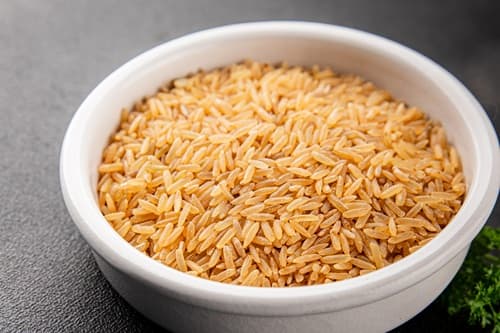
Understanding the precise protein in brown rice per 100g — typically ranging from 2.6 to 2.8 grams in cooked brown rice and 7.5 to 8 grams in uncooked dry brown rice — provides essential context for anyone evaluating brown rice as a protein source within their diet, whether you are an athlete calculating daily protein requirements, a vegetarian or vegan seeking plant-based protein options, someone managing blood sugar through low-glycemic complex carbohydrates, or simply a health-conscious individual trying to make informed decisions about which grains deliver the most nutritional value per serving. Brown rice protein, while significantly lower per gram than concentrated sources like chicken breast (31g protein per 100g), eggs (13g per 100g), or legumes like lentils (9g per 100g cooked), nonetheless contributes meaningfully to daily protein intake when consumed as a dietary staple, particularly in populations where rice forms the foundation of multiple meals daily and total protein accumulation across the day matters more than the concentration in any single food. The broader nutritional profile of brown rice per 100g extends well beyond protein content to encompass approximately 112 calories in cooked brown rice, 23 grams of complex carbohydrates providing sustained energy release, 1.8 grams of dietary fiber supporting digestive health and satiety, essential minerals including magnesium, phosphorus, selenium, and manganese, and B vitamins that white rice loses during the refining process that strips away the nutrient-rich bran and germ layers. Learning whether brown rice protein is complete or incomplete in terms of essential amino acid profile, understanding how brown rice protein per 100g cooked compares to white rice and other grains, recognizing the specific health benefits that extend beyond basic macronutrient provision, and knowing how to strategically combine brown rice with complementary protein sources to maximize biological value and support muscle growth, recovery, and overall health transforms brown rice from a simple carbohydrate filler into a nutrient-dense whole grain that contributes substantially to balanced nutrition when incorporated intelligently into daily eating patterns.
How Much Protein Is in Brown Rice per 100g?
The protein content of brown rice varies significantly depending on whether you measure it cooked or uncooked (dry):
Brown Rice Protein per 100g Cooked
Cooked brown rice contains approximately 2.6 to 2.8 grams of protein per 100g. This represents the form in which brown rice is typically consumed — after boiling or steaming with water, which causes the rice to absorb liquid and expand in volume while diluting nutrient concentration per unit weight.
A standard serving size of cooked brown rice is typically 150-200g (about 3/4 to 1 cup), which provides approximately 4 to 5.6 grams of protein per serving — a modest but meaningful contribution when rice forms the base of a meal alongside protein-rich accompaniments.
Brown Rice Protein per 100g Uncooked (Dry)
Uncooked dry brown rice contains approximately 7.5 to 8 grams of protein per 100g. This higher concentration reflects the absence of water weight. When you cook 100g of dry brown rice, it absorbs water and expands to approximately 250-300g of cooked rice, which is why the protein concentration per 100g appears lower in cooked rice — the protein content remains the same in absolute terms but is distributed across a greater total weight once water is absorbed.
Factors Affecting Protein Content
Brown rice protein content varies slightly based on rice variety (long-grain, short-grain, basmati, jasmine), growing conditions (soil quality, climate), and cultivation practices. However, these variations are minor — most brown rice falls within the 2.6-2.8g per 100g cooked range.
Is Brown Rice a Good Source of Protein?
The answer depends on how you define 'good source' and what you are comparing brown rice against:
Brown Rice as a Complementary Protein Source
Brown rice is not a high-protein food compared to animal products, legumes, or protein-concentrated plant foods. At 2.6-2.8g protein per 100g cooked, it provides approximately 5% of daily protein needs per serving (assuming a 50-60g daily protein requirement for a sedentary adult). However, when rice forms a dietary staple consumed 2-3 times daily, the cumulative protein contribution becomes significant — potentially 12-15g protein daily from rice alone.
Brown Rice in Plant-Based Diets
For vegetarians and vegans, brown rice serves as an important complementary protein source when combined with legumes (beans, lentils, chickpeas). While neither rice nor beans alone provides a complete amino acid profile in optimal ratios, consuming both within the same day provides all essential amino acids in amounts that support protein synthesis and health. This is the traditional dietary pattern across many cultures — rice and beans, rice and dal, rice and tofu — that has sustained populations for millennia.
Brown Rice for Athletes and Active Individuals
Athletes with high protein requirements (1.6-2.2g per kg body weight) cannot rely on brown rice as a primary protein source. A 70kg athlete needing 140g protein daily would need to consume over 5kg of cooked brown rice — clearly impractical. However, brown rice contributes as a secondary source alongside concentrated proteins (chicken, fish, eggs, legumes, protein powder), providing both protein and the carbohydrates necessary for glycogen replenishment and energy.
How Does Brown Rice Protein Compare to White Rice?
Brown rice and white rice have surprisingly similar protein content despite significant differences in overall nutritional profile:
Protein Content Comparison
White rice (cooked): 2.4 to 2.7g protein per 100g. Brown rice (cooked): 2.6 to 2.8g protein per 100g. The difference is minimal — brown rice contains slightly more protein, but the gap is negligible (0.1-0.4g per 100g). If choosing brown rice over white rice, protein content should not be the primary deciding factor.
Overall Nutritional Superiority of Brown Rice
While protein content is similar, brown rice vastly outperforms white rice in other nutritional dimensions. The table below illustrates these differences:
Brown rice retains the bran and germ layers removed during white rice processing. These outer layers contain fiber, B vitamins, minerals, antioxidants, and healthy fats — nutrients almost entirely absent in white rice unless artificially fortified. This makes brown rice nutritionally superior overall despite nearly identical protein content.
Can Brown Rice Protein Support Muscle Growth?
Brown rice can contribute to muscle growth as part of a complete diet but cannot serve as the sole or primary protein source for muscle building:
Protein Requirements for Muscle Growth
Building muscle requires consuming adequate total protein (1.6-2.2g per kg body weight for those engaged in resistance training), distributed across multiple meals throughout the day, with sufficient essential amino acids — particularly leucine — to trigger muscle protein synthesis after training.
Brown Rice's Role in Muscle Building
Brown rice provides some protein and all the carbohydrates needed to fuel intense training and replenish glycogen stores post-workout. However, its protein content is too low to serve as a primary source. A 70kg individual needing 140g protein daily would get only 5-6g from a typical rice serving — 4% of daily needs. The remaining 134g must come from concentrated protein sources.
Brown rice works best as the carbohydrate foundation of muscle-building meals, paired with high-protein foods: Grilled chicken breast (200g = 62g protein) + brown rice (200g = 5.6g protein) = 67.6g protein. Salmon fillet (150g = 31g protein) + brown rice (200g = 5.6g protein) = 36.6g protein. Tofu (200g = 16g protein) + chickpeas (150g cooked = 12g protein) + brown rice (200g = 5.6g protein) = 33.6g protein.
Brown Rice Protein Powder for Muscle Building
Brown rice protein powder — a concentrated protein supplement made by extracting and isolating protein from brown rice — contains 80-90% protein by weight compared to whole brown rice's 7-8% (dry weight). This makes brown rice protein powder suitable as a muscle-building supplement for vegans or those with dairy/soy allergies. However, it must be combined with pea protein or other complementary sources to provide optimal amino acid ratios, as brown rice protein is low in lysine.
Is Brown Rice Protein Complete or Incomplete?
Brown rice protein is technically a complete protein but with significant caveats that affect its quality for supporting human health:
What Makes a Protein Complete?
A complete protein contains all nine essential amino acids — histidine, isoleucine, leucine, lysine, methionine, phenylalanine, threonine, tryptophan, and valine — that the human body cannot synthesize and must obtain from food. By this definition, brown rice is complete because it contains measurable amounts of all nine essential amino acids.
The Quality Caveat
However, protein quality is determined not merely by presence of all essential amino acids but by their amounts relative to human requirements. Brown rice is low in lysine — one of the nine essential amino acids — containing only about 60-70% of the lysine required for optimal protein synthesis compared to reference proteins like egg or milk. This lysine limitation makes brown rice protein less efficient at supporting growth and tissue repair compared to animal proteins or complementary plant protein combinations.
Complementary Proteins Solve the Problem
Lysine deficiency in rice is complemented by lysine abundance in legumes (beans, lentils, chickpeas, peas), while legumes are low in methionine — an amino acid abundant in rice. Consuming rice and legumes together, even if not in the same meal but within the same day, provides complete, high-quality protein with optimal amino acid ratios. This complementarity is why traditional diets worldwide pair grains with legumes.
Brown Rice Protein per 100g Calories and Macronutrient Breakdown
Understanding the complete macronutrient profile provides context for incorporating brown rice into calorie-controlled or macronutrient-balanced diets:
Cooked Brown Rice per 100g
• Calories: 112-120 kcal
• Protein: 2.6-2.8g (10-11 kcal from protein, 9-10% of calories)
• Carbohydrates: 23-24g (92-96 kcal from carbs, 82-83% of calories)
• Fat: 0.9-1.0g (8-9 kcal from fat, 7-8% of calories)
• Fiber: 1.6-1.8g (supports satiety and digestive health)
Brown rice is predominantly a carbohydrate source (over 80% of calories from carbs) with modest protein and minimal fat. This macronutrient distribution makes it ideal as an energy-providing base for meals, paired with protein and fat sources to create balanced nutrition.
Micronutrient Highlights
• Magnesium: 43-44mg per 100g (supports muscle and nerve function, blood sugar control, bone health)
• Phosphorus: 83-103mg per 100g (bone health, energy metabolism)
• Selenium: 9-11mcg per 100g (antioxidant function, thyroid health)
• Manganese: 0.8-1.1mg per 100g (bone development, wound healing, metabolism)
• B Vitamins: Thiamin, niacin, B6 (energy production, nervous system function)
Health Benefits Beyond Protein Content
While brown rice's protein contribution is modest, its broader health benefits make it a valuable dietary staple:
Digestive Health and Gut Support
The 1.6-1.8g fiber per 100g in brown rice supports regular bowel movements, feeds beneficial gut bacteria, and promotes satiety. Unlike white rice which is low in fiber and can contribute to constipation, brown rice supports digestive regularity. The resistant starch content — starch that resists digestion in the small intestine and ferments in the colon — acts as a prebiotic, feeding beneficial bacteria and supporting gut microbiome diversity.
For comprehensive gut health support beyond dietary fiber alone, incorporating targeted gut health supplements addresses the full spectrum of digestive wellness. Reset Gut Health gummies — formulated with apple cider vinegar, pomegranate, and vitamin B12 — support digestive balance, stomach acid optimization, and gut lining integrity. Combining whole food fiber sources like brown rice with evidence-based gut health supplementation creates a multi-layered approach to digestive wellness that dietary changes alone may not fully achieve.
Blood Sugar Control
Brown rice has a lower glycemic index (50-55) compared to white rice (70-75), meaning it causes a slower, more gradual rise in blood sugar rather than sharp spikes. The fiber, magnesium, and intact bran layer slow digestion and glucose absorption. This makes brown rice preferable for individuals managing diabetes, prediabetes, or insulin resistance. However, portion control remains important — even brown rice will raise blood sugar if consumed in excessive amounts.
Cardiovascular Health
The magnesium, fiber, and antioxidant content in brown rice support cardiovascular health by helping regulate blood pressure, reduce inflammation, improve lipid profiles, and support healthy blood vessel function. Epidemiological studies consistently show that whole grain consumption, including brown rice, correlates with reduced cardiovascular disease risk compared to refined grain consumption.
Nutrient Support for Skin, Hair, and Overall Vitality
The B vitamins, selenium, and trace minerals in brown rice contribute to cellular energy production, antioxidant defense, and tissue repair — supporting overall vitality including skin and hair health. However, targeted supplementation often provides these nutrients in therapeutic doses more effectively than diet alone.
Reset Biotin Gummies — combining biotin with vitamins A, C, E, B12, and zinc — deliver concentrated micronutrient support for keratin synthesis (hair, skin, nails), collagen production, and cellular turnover. Pairing whole food nutrition from brown rice and other whole grains with strategic supplementation covering potential dietary gaps creates comprehensive nutritional support for both foundational health and aesthetic wellness outcomes.
Frequently Asked Questions
How much protein is in brown rice per 100g?
Cooked brown rice contains 2.6 to 2.8 grams of protein per 100g. Uncooked dry brown rice contains 7.5 to 8 grams of protein per 100g. The difference reflects water absorption during cooking — 100g dry rice becomes approximately 250-300g cooked rice, diluting nutrient concentration per unit weight. A typical 150-200g serving of cooked brown rice provides approximately 4 to 5.6 grams of protein.
Is brown rice a good source of protein?
Brown rice is a complementary protein source but not a high-protein food. At 2.6-2.8g per 100g cooked, it provides modest protein compared to animal products (chicken 31g/100g, eggs 13g/100g) or legumes (lentils 9g/100g cooked). However, when consumed as a daily staple 2-3 times daily, cumulative protein contribution becomes significant (12-15g daily). Best used alongside concentrated protein sources rather than as primary protein.
How does brown rice protein compare to white rice?
Brown rice (2.6-2.8g/100g cooked) and white rice (2.4-2.7g/100g cooked) have nearly identical protein content — the difference is negligible. However, brown rice is vastly superior overall, providing 3x more fiber (1.6-1.8g vs 0.4-0.6g), 3-4x more magnesium (43-44mg vs 12-13mg), more B vitamins, antioxidants, and healthy fats retained in the bran and germ layers that white rice processing removes.
Can brown rice protein support muscle growth?
Brown rice contributes to muscle growth as part of a complete diet but cannot serve as primary protein source. Athletes needing 1.6-2.2g protein per kg body weight cannot obtain sufficient protein from rice alone due to low concentration. Brown rice works best providing carbohydrates for training fuel and glycogen replenishment while concentrated proteins (chicken, fish, eggs, legumes, protein powder) meet protein requirements. Brown rice protein powder (80-90% protein) is suitable for muscle building when combined with complementary sources.
Is brown rice protein complete or incomplete?
Brown rice is technically complete (contains all nine essential amino acids) but low in lysine, containing only 60-70% of optimal lysine levels compared to reference proteins. This lysine limitation reduces protein quality and efficiency for tissue repair. Combining brown rice with legumes (high in lysine, low in methionine) within the same day provides complete high-quality protein with optimal amino acid ratios — the basis for traditional rice and beans dietary patterns.
How many calories are in brown rice per 100g?
Cooked brown rice contains 112 to 120 calories per 100g, comprising approximately 82-83% from carbohydrates (23-24g), 9-10% from protein (2.6-2.8g), and 7-8% from fat (0.9-1.0g). Fiber content is 1.6-1.8g. This macronutrient distribution makes brown rice predominantly an energy-providing carbohydrate source rather than a protein or fat source, ideal as a meal base paired with protein and fat sources for balance.
What are the health benefits of brown rice protein?
Beyond modest protein contribution, brown rice provides digestive health support through 1.6-1.8g fiber and resistant starch feeding gut bacteria, blood sugar control via lower glycemic index (50-55) compared to white rice (70-75), cardiovascular benefits from magnesium and antioxidants, essential minerals (magnesium, phosphorus, selenium, manganese), and B vitamins supporting energy metabolism and nervous system function. Most health benefits derive from whole grain nutrients beyond protein alone.
Key Takeaways
• Brown rice protein per 100g cooked is 2.6 to 2.8 grams (7.5-8g per 100g dry) — modest compared to animal proteins or legumes but meaningful when rice forms a daily dietary staple consumed 2-3 times daily, potentially contributing 12-15g protein cumulatively.
• Brown rice is a complementary protein source best paired with concentrated proteins rather than serving as primary protein — a typical 150-200g serving provides 4-5.6g protein, approximately 8-10% of daily needs for most adults.
• Brown rice and white rice have nearly identical protein content (2.6-2.8g vs 2.4-2.7g per 100g cooked) but brown rice is nutritionally superior overall, providing 3x more fiber, 3-4x more magnesium, and higher B vitamins and antioxidants retained in bran and germ layers removed during white rice processing.
• Brown rice protein is technically complete but low in lysine (60-70% of optimal levels), making it less efficient alone but highly effective when combined with legumes within the same day — the complementary amino acid pattern underlying traditional rice and beans dietary combinations worldwide.
• Brown rice cannot serve as primary protein for muscle building due to low concentration (athletes would need 5kg+ cooked rice daily for protein needs) but provides essential carbohydrates for training fuel and glycogen replenishment alongside concentrated protein sources.
• Health benefits extend beyond protein to include digestive support through fiber and resistant starch feeding gut bacteria (complemented by Reset Gut Health gummies for comprehensive digestive wellness), blood sugar control via lower glycemic index, cardiovascular benefits, and essential minerals.
• Strategic supplementation with Reset Biotin Gummies (biotin, vitamins A, C, E, B12, zinc) delivers concentrated micronutrient support for skin, hair, and cellular health that brown rice and whole foods provide in foundational amounts but supplements optimize through therapeutic doses.
Share this article: