
Benefits of Vitamin E Capsules for Skin, Hair, and Overall Health
2026-03-23 • 4 min
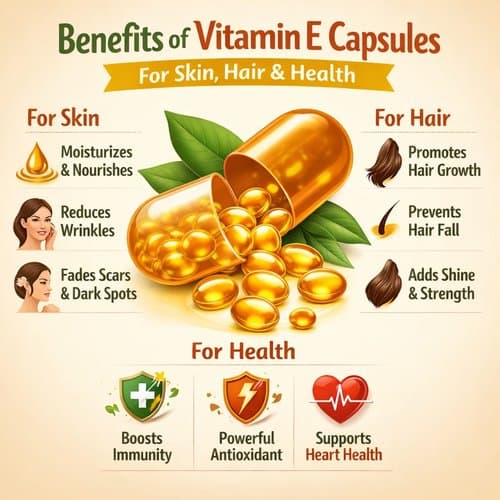
Vitamin E — a fat-soluble antioxidant essential for protecting cell membranes from oxidative damage, supporting immune function, maintaining cardiovascular health, and preserving skin and hair vitality — has emerged as one of the most widely used dietary supplements globally, with vitamin E capsules appearing in medicine cabinets, skincare routines, and wellness regimens across cultures and demographics. Yet despite its ubiquity and the near-universal recognition of its importance, most people remain unclear about what vitamin E actually does at the cellular and biochemical level, which specific health benefits are robustly supported by scientific evidence versus those perpetuated by wellness industry marketing, how the various forms of vitamin E differ in bioavailability and therapeutic application, what the optimal dosage is for different health goals, whether topical application of vitamin E capsule oil delivers meaningful skin benefits or is largely cosmetic theatre, and critically, who should exercise caution or avoid vitamin E supplementation due to interactions, contraindications, or the risk of excessive intake in an era where many fortified foods already contain added vitamin E. Understanding the comprehensive vitamin E capsule benefits — from its role as a potent free radical scavenger that protects against cellular ageing and chronic disease, to its specific applications for skin hydration and wound healing, hair strength and scalp health, immune resilience, cardiovascular protection, and reproductive wellness — alongside the practical knowledge of vitamin E capsule uses in both oral supplementation and topical skincare application, empowers individuals to make informed, evidence-based decisions about incorporating this essential nutrient into their health and beauty routines in ways that are safe, effective, and genuinely beneficial rather than simply following trends or unsubstantiated claims.
What Is Vitamin E and Why Is It Essential?
Vitamin E is not a single compound but a family of eight fat-soluble antioxidant molecules: four tocopherols (alpha, beta, gamma, delta) and four tocotrienols (alpha, beta, gamma, delta). Alpha-tocopherol is the most biologically active form in humans and the form most commonly found in vitamin E capsule supplements.
As an antioxidant, vitamin E's primary function is to neutralise free radicals — unstable molecules with unpaired electrons that cause oxidative damage to cell membranes, proteins, and DNA. Free radicals are generated continuously through normal metabolism, but their production accelerates dramatically with exposure to pollution, UV radiation, smoking, processed foods, chronic stress, and intense physical exercise. Left unchecked, oxidative stress from excess free radicals drives cellular ageing, inflammation, and contributes to the development of chronic diseases including cardiovascular disease, cancer, neurodegenerative conditions, and diabetes.
Vitamin E integrates directly into cell membranes — the lipid bilayers that protect every cell in your body. Positioned within these membranes, vitamin E intercepts and neutralises free radicals before they can damage membrane lipids, preventing the chain reaction of lipid peroxidation that would otherwise compromise cell integrity and function. This membrane protection is particularly critical in cells exposed to high oxidative stress: red blood cells, endothelial cells lining blood vessels, neurons, skin cells, and immune cells.
Beyond antioxidant defense, vitamin E modulates immune function, supports platelet aggregation and blood clotting regulation, participates in cell signaling pathways, and influences gene expression — demonstrating that its biological roles extend well beyond simple free radical scavenging.
Health Benefits of Vitamin E Capsules
The therapeutic applications and vitamin E capsule benefits span multiple organ systems and health outcomes:
1. Powerful Antioxidant Protection
Vitamin E's primary and most extensively documented benefit is its antioxidant activity. By neutralising free radicals throughout the body, vitamin E reduces oxidative stress — the underlying mechanism driving cellular ageing and chronic disease. This protection is particularly important for lipid-rich tissues including the brain, nervous system, eyes, and cardiovascular system. Clinical studies demonstrate that adequate vitamin E status correlates with reduced markers of oxidative stress and lower rates of age-related decline in cognitive and physical function.
2. Cardiovascular Health Support
Oxidative modification of LDL cholesterol is a critical step in the development of atherosclerosis — the buildup of fatty plaques in arteries that leads to heart attacks and strokes. Vitamin E inhibits LDL oxidation, potentially slowing the progression of atherosclerotic disease. Large observational studies show inverse associations between vitamin E intake and cardiovascular disease risk, though clinical trials using high-dose synthetic vitamin E have produced mixed results, highlighting the importance of natural forms and balanced intake rather than megadose supplementation.
3. Immune System Enhancement
Vitamin E plays a direct role in immune function, particularly T-cell mediated immunity. Deficiency impairs immune responses, increasing susceptibility to infections. Supplementation in elderly individuals — who often have suboptimal vitamin E status — has been shown to enhance T-cell function, improve antibody responses to vaccination, and reduce infection rates. This immune support is especially valuable during periods of increased immune demand such as seasonal illness, recovery from infection, or advancing age.
4. Skin Health and Anti-Ageing
Vitamin E accumulates in skin tissue, where it protects against UV-induced oxidative damage, supports skin barrier function, reduces transepidermal water loss, and accelerates wound healing. Topical application of vitamin E capsule oil has been shown to improve skin hydration, reduce the appearance of scars and hyperpigmentation, and provide photoprotective benefits when combined with vitamin C. Oral supplementation increases skin vitamin E levels, providing systemic photoprotection and supporting collagen integrity for long-term skin elasticity and firmness.
5. Hair Growth and Scalp Health
Oxidative stress and poor circulation at the scalp contribute to hair thinning and premature hair loss. Vitamin E's antioxidant properties protect hair follicles from oxidative damage, while its role in supporting microcirculation improves nutrient and oxygen delivery to follicles. Clinical studies show that vitamin E supplementation increases hair growth in individuals with alopecia, likely through combined antioxidant and circulatory mechanisms. Topical application of vitamin E oil to the scalp is a traditional remedy for dry scalp, dandruff, and brittle hair.
6. Eye Health and Macular Protection
The retina — the light-sensitive tissue at the back of the eye — is highly susceptible to oxidative damage due to constant light exposure and high metabolic activity. Vitamin E, along with other antioxidants like vitamin C, lutein, and zeaxanthin, protects the retina from oxidative stress. Epidemiological studies show that higher dietary vitamin E intake is associated with reduced risk of age-related macular degeneration (AMD) and cataracts, two leading causes of vision loss in older adults.
7. Neuroprotection and Cognitive Function
The brain is particularly vulnerable to oxidative stress due to its high oxygen consumption, high lipid content, and relatively low antioxidant defenses. Vitamin E, especially the tocotrienol forms, demonstrates neuroprotective properties by reducing oxidative damage to neurons, inhibiting neuroinflammation, and supporting myelin integrity. Some research suggests vitamin E may slow cognitive decline in Alzheimer's disease, though results are inconsistent and further study is needed.
8. Reproductive Health
Vitamin E supports reproductive health in both men and women. In men, vitamin E improves sperm motility and reduces oxidative damage to sperm DNA, potentially enhancing fertility. In women, vitamin E may support hormonal balance, reduce menstrual pain, and improve uterine lining health. Its role in supporting circulation and reducing oxidative stress likely underlies these reproductive benefits.
Vitamin E Capsule Uses — Oral and Topical Applications
Oral Supplementation
Vitamin E capsules are most commonly taken orally as a daily dietary supplement. The recommended dietary allowance (RDA) for adults is 15 mg (22.4 IU) of alpha-tocopherol per day. Therapeutic doses for specific health conditions may range from 100–800 IU daily, though doses above 400 IU should only be taken under medical supervision due to potential risks.
Take vitamin E capsules with a meal containing fat to enhance absorption, as vitamin E is fat-soluble. Avoid taking vitamin E supplements simultaneously with iron supplements, as they can interfere with each other's absorption — separate by at least two hours.
Topical Skin Application
Vitamin E capsules can be pierced with a needle and the oil applied directly to the skin. Common topical vitamin E capsule uses include:
• Scar reduction: Apply to healing scars twice daily to improve texture and reduce discoloration
• Dry skin and eczema: Mix with a carrier oil and apply to affected areas for deep moisturization
• Dark circles: Gently pat under eyes before bed to reduce oxidative stress and improve skin tone
• Cuticle and nail care: Massage into cuticles and nails to strengthen and hydrate
• Sunburn relief: Apply to sunburned skin to reduce inflammation and support healing (not a substitute for sunscreen)
Note: Some individuals experience skin irritation from topical vitamin E. Always perform a patch test on a small area before widespread application.
Hair and Scalp Treatment
Massage vitamin E capsule oil into the scalp and along hair shafts, leave for 30–60 minutes, then shampoo out. This treatment nourishes the scalp, reduces oxidative damage to hair follicles, and adds shine and moisture to dry, brittle hair.
How to Choose Quality Vitamin E Capsules
Not all vitamin E supplements are created equal. Understanding the differences ensures you select the most effective and bioavailable form:
Natural vs Synthetic
Natural vitamin E (d-alpha-tocopherol) is derived from plant oils and is approximately twice as bioavailable as synthetic vitamin E (dl-alpha-tocopherol). Check the label: 'd' indicates natural, 'dl' indicates synthetic. Natural vitamin E is preferable for supplementation.
Mixed Tocopherols
Supplements containing mixed tocopherols (alpha, beta, gamma, delta) more closely mimic the vitamin E profile found in whole foods and may provide broader antioxidant protection than alpha-tocopherol alone. Look for 'mixed tocopherols' on the label.
Tocotrienols
Tocotrienols — the less common form of vitamin E — exhibit superior neuroprotective and cardiovascular benefits compared to tocopherols. Supplements combining both tocopherols and tocotrienols offer comprehensive vitamin E coverage.
Vitamin E Forms Compared
The table below summarises the key differences between vitamin E forms:
Dosage Recommendations and Safety Considerations
Recommended Daily Intake
• Adults: 15 mg (22.4 IU) alpha-tocopherol per day
• Pregnant women: 15 mg per day
• Breastfeeding women: 19 mg per day
• Therapeutic doses: 100–800 IU daily for specific conditions under medical supervision
Safety and Side Effects
Vitamin E is generally safe at recommended doses. However, high-dose supplementation (above 400 IU daily) carries potential risks:
• Increased bleeding risk: Vitamin E has mild anticoagulant properties. Those on blood thinners (warfarin, aspirin) should consult a doctor before supplementing
• Prostate cancer risk: Some studies suggest high-dose synthetic vitamin E (400 IU+ daily) may increase prostate cancer risk in men — use natural forms and avoid megadoses
• Interactions with statins: High-dose vitamin E may interfere with the cholesterol-lowering effects of statin medications
• Hemorrhagic stroke: Very high doses may increase risk of bleeding in the brain
Who Should Avoid or Use Cautiously
• Those on anticoagulant or antiplatelet medications
• Individuals scheduled for surgery (discontinue 2 weeks prior)
• People with vitamin K deficiency (vitamin E antagonises vitamin K)
• Those with bleeding disorders
Supporting Vitamin E with Comprehensive Nutrition
While vitamin E capsules provide targeted antioxidant support, they work most effectively as part of a complete nutritional strategy that addresses multiple micronutrient needs:
Vitamin E does not work in isolation — it functions synergistically with other antioxidants including vitamin C (which regenerates oxidised vitamin E back to its active form), selenium (an essential cofactor for antioxidant enzymes), and beta-carotene. Deficiencies in any of these nutrients compromise the full protective capacity of vitamin E, highlighting the importance of comprehensive micronutrient adequacy rather than single-nutrient supplementation.
Reset Multivitamin Gummies provide a complete spectrum of essential vitamins and minerals — including vitamin A, C, D, E, B12, magnesium, and zinc — in a convenient, delicious daily dose. By covering the full micronutrient foundation, Reset Multivitamin Gummies ensure that vitamin E from your diet and targeted supplements can function optimally within the larger antioxidant network rather than being limited by deficiencies in complementary nutrients.
For individuals specifically targeting skin, hair, and nail health through vitamin E supplementation, pairing with Reset Biotin Gummies — formulated with biotin, vitamins A, C, E, B12, and zinc — creates a comprehensive beauty-from-within strategy. Biotin supports keratin infrastructure in hair and nails, vitamin C drives collagen synthesis, zinc supports wound healing and skin renewal, and the combined antioxidant profile of vitamins A, C, and E protects against UV damage and oxidative ageing. This multi-nutrient approach addresses the full spectrum of factors influencing skin radiance, hair strength, and nail integrity far more effectively than vitamin E alone.
Frequently Asked Questions
What are the health benefits of vitamin E capsules?
Vitamin E capsules provide powerful antioxidant protection that reduces oxidative stress, supports cardiovascular health by preventing LDL oxidation, enhances immune function, protects skin from UV damage and ageing, supports hair growth and scalp health, preserves eye health and reduces macular degeneration risk, offers neuroprotection and cognitive support, and promotes reproductive health in both men and women.
How do vitamin E capsules benefit the skin?
Vitamin E protects skin from UV-induced oxidative damage, improves skin hydration and barrier function, reduces transepidermal water loss, accelerates wound healing, improves the appearance of scars and hyperpigmentation, and supports long-term collagen integrity for skin elasticity. Both oral supplementation and topical application provide skin benefits, with combined use offering maximum protection.
Can vitamin E capsules help improve hair growth and strength?
Yes. Vitamin E's antioxidant properties protect hair follicles from oxidative damage, while its circulatory benefits improve nutrient and oxygen delivery to the scalp. Clinical studies show vitamin E supplementation increases hair growth in individuals with alopecia. Topical scalp application nourishes follicles, reduces dandruff, and adds moisture and shine to hair.
How should vitamin E capsules be used for skin and hair care?
For skin: Pierce the capsule and apply oil directly to scars, dry patches, dark circles, or entire face after cleansing. For hair: Massage oil into scalp and along hair shafts, leave 30–60 minutes, then shampoo. Always perform a patch test first. For internal benefits, take capsules orally with a fat-containing meal to enhance absorption.
Is it safe to take vitamin E capsules every day?
Yes, for most healthy adults, daily supplementation at the recommended dose of 15 mg (22.4 IU) or moderate therapeutic doses up to 400 IU is safe. Doses above 400 IU daily should only be taken under medical supervision. Those on blood thinners, scheduled for surgery, or with bleeding disorders should consult a doctor before supplementing.
Are there any side effects of using vitamin E capsules?
At recommended doses, side effects are rare. High doses (above 400 IU daily) may increase bleeding risk, interact with blood thinners and statins, potentially increase prostate cancer risk in men (synthetic forms), and rarely cause nausea, diarrhea, or fatigue. Topical application may cause skin irritation in sensitive individuals — always patch test first.
Who should consider taking vitamin E capsules for better health?
Individuals at higher risk of deficiency or who may benefit from supplementation include: elderly adults with declining immune function, those with fat malabsorption disorders (Crohn's disease, cystic fibrosis), people exposed to high oxidative stress (smokers, high pollution exposure), individuals with family history of cardiovascular disease or macular degeneration, those experiencing hair loss or skin ageing concerns, and anyone with inadequate dietary vitamin E intake from nuts, seeds, and plant oils.
Key Takeaways
• Vitamin E is a family of eight fat-soluble antioxidant molecules that protect cell membranes from oxidative damage, with alpha-tocopherol being the most biologically active and commonly supplemented form in vitamin E capsules.
• Science-backed vitamin E capsule benefits include powerful antioxidant protection, cardiovascular health support through LDL oxidation prevention, immune system enhancement, skin anti-ageing and photoprotection, hair growth and scalp health, eye health preservation, neuroprotection, and reproductive wellness.
• Vitamin E capsule uses span both oral supplementation (15 mg–400 IU daily with fat-containing meals) and topical application (pierced capsules applied to skin for scars, dryness, dark circles, or to scalp for hair nourishment and follicle protection).
• Natural vitamin E (d-alpha-tocopherol) is twice as bioavailable as synthetic (dl-alpha-tocopherol) — choose natural forms, ideally mixed tocopherols or tocopherol-tocotrienol combinations for comprehensive antioxidant coverage.
• High-dose supplementation above 400 IU daily carries risks including increased bleeding (especially with blood thinners), potential prostate cancer risk (synthetic forms), and interactions with medications — use cautiously under medical supervision.
• Vitamin E works synergistically with vitamin C, selenium, and other antioxidants — Reset Multivitamin Gummies provide the complete micronutrient foundation that allows vitamin E to function optimally within the larger antioxidant network.
• For comprehensive skin, hair, and nail support, pairing vitamin E with Reset Biotin Gummies — containing biotin, vitamins A, C, E, B12, and zinc — creates a multi-nutrient beauty strategy more effective than vitamin E supplementation alone.
Share this article: