
Pain Relief
How Long Does Sciatica Pain Last?
2026-04-05
5 min read

2026-04-21 • 5 min read
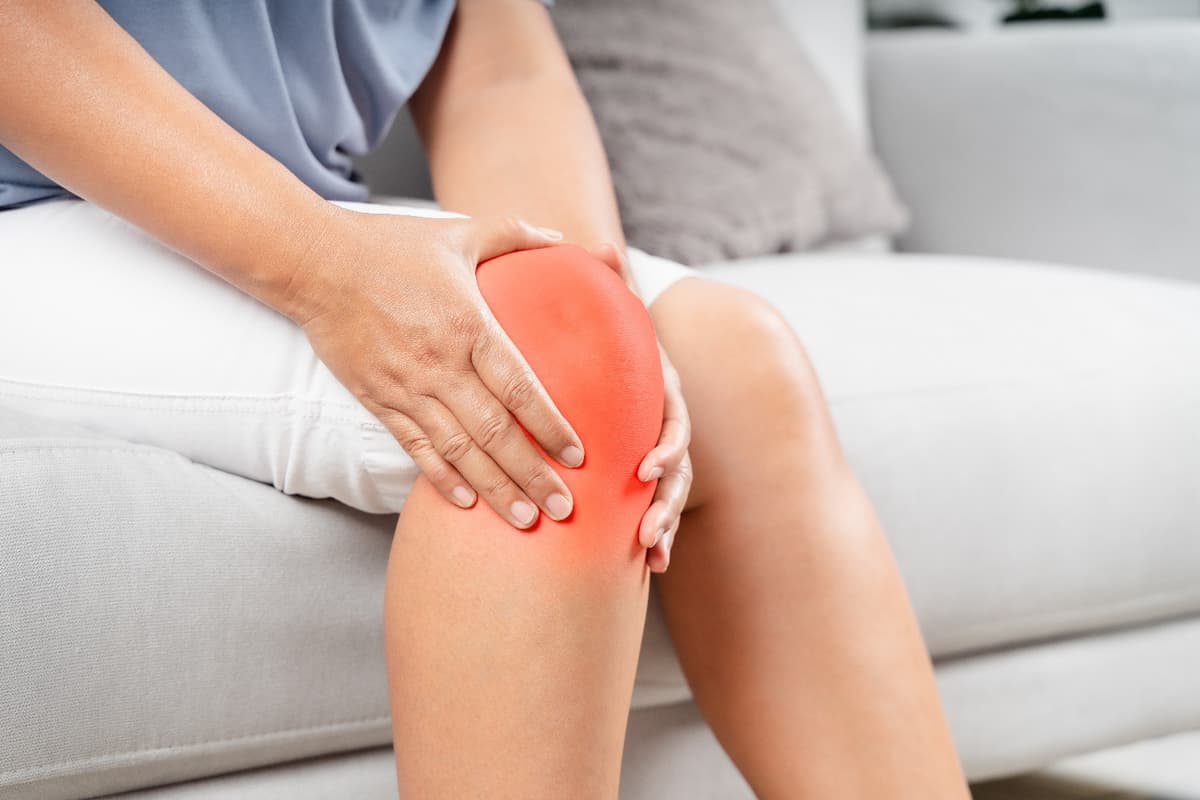
If you've ever paused at the bottom of a staircase, braced before standing up from a chair, or woken to a stiff, aching joint, you already know how loudly a knee can demand your attention. You're far from alone - knee pain is one of the most common reasons people across India quietly reshape their day around discomfort. So when you find yourself asking what is the best painkiller for knee pain, the honest answer is more empowering than the quick fix most people expect: the best painkiller is the one matched to the cause of your pain. At Reset, we believe relief should never come at the cost of your long-term wellbeing, so this guide walks you through every option - oral medicines, topical gels, and time-tested herbal relief - so you can choose with clarity and confidence.
English: Arthritis
Hindi: गठिया (Gathiya) / संधिशोथ (Sandhishoth – medical term)
Punjabi: ਗਠੀਆ (Gathia)
Urdu: گٹھیا (Gathiya)
Bengali: বাত (Bat) / আর্থ্রাইটিস (Arthritis)
Gujarati: ગઠિયો (Gathiyo)
Marathi: संधिवात (Sandhivaat)
Tamil: மூட்டுவாதம் (Mootu Vaatham)
Telugu: కీళ్లవాతం (Keella Vaatham)
Kannada: ಸಂಧಿವಾತ (Sandhivaata)
Malayalam: സന്ധിവാതം (Sandhivatham)
Odia: ବାତ (Baata)
Assamese: বাত (Bat)
Nepali: गठिया (Gathiya)
Spanish: Artritis
French: Arthrite
German: Arthritis
Choosing a painkiller without understanding the source of your pain is like silencing a smoke alarm without checking for fire. Most knee pain traces back to one of two mechanisms - and often both at once. The first is inflammation: the swelling, warmth, and tenderness your body produces in response to wear, strain, or an immune flare. The second is structural change: the gradual thinning of cartilage and stiffening of tissue that comes with age, repetitive load, or old injuries.
That distinction matters enormously. A sharp twinge from a weekend hike behaves very differently from the dull, persistent ache of osteoarthritis, and the relief that helps one may do little for the other. Understanding your pattern is the first, most practical step toward lasting comfort.
Table 1 - Common Causes of Knee Pain & What They Respond To
If you're trying to pinpoint your own pattern, our deeper dive on what causes knee pain in females is a helpful companion read, especially given how differently hormonal and structural factors can present.
When most people picture a painkiller, they picture a pill. And oral medicines genuinely have their place. Acetaminophen (paracetamol) dulls pain signals and is gentle on the stomach, though it does little for swelling. Nonsteroidal anti-inflammatory drugs, or NSAIDs - ibuprofen and naproxen among them - tackle both pain and inflammation, which is why they're so widely reached for during a flare.
The catch is one the wellness world is increasingly vocal about. Taken often or over long stretches, oral NSAIDs carry well-documented risks to the stomach lining, kidneys, and heart, and they're not a habit worth building casually. This is precisely why so many people now search for relief that works without the systemic toll.
Table 2 - Oral Painkillers Compared
For a closer look at oral options - and a frank take on what helps versus what to skip - see our guides on pills for knee pain and knee pain relief pills: what works fast and what to avoid.
Here's a quiet revolution worth knowing about. Leading rheumatology guidance now points to topical anti-inflammatories as a sensible first choice for knee osteoarthritis - ahead of pills. The logic is beautifully simple: a gel applied directly over the knee delivers its active ingredients right where the pain lives, while sparing your stomach and kidneys the burden of processing medicine through your whole body.
Modern topicals do more than create a fleeting cooling distraction. The better formulations are built to penetrate past the skin's surface into the deeper tissue layers where stiffness and inflammation actually originate. That targeted, lower-risk profile is exactly why topical relief has become the smart starting point for everyday knee discomfort.
Table 3 - Oral vs. Topical Relief at a Glance
There's a reason the search for herbal relief keeps growing. People want comfort that respects the body rather than overriding it - and Ayurveda has been refining that approach for centuries. Several botanicals now have a genuine evidence base behind their traditional reputations.
Boswellia serrata - known in Ayurveda as Shallaki - is among the most studied, valued for calming inflammation through pathways that ordinary painkillers don't touch. Wintergreen offers a natural source of methyl salicylate, a relative of the compound in aspirin. Menthol delivers that welcome cooling sensation while easing the area, and herbs like Nirgundi, Eucalyptus (Neelgiri), Camphor, and Celery seed round out a tradition of soothing, anti-inflammatory care. The appeal is clear: meaningful relief, without dependency. If you prefer an oil-based routine, our note on which oil is best for knee pain relief is a good next step.
Here's the empowering truth: there is no single best painkiller for knee pain that works for everyone - there's only the best one for your situation. For a sudden injury, short-term rest and pain relief make sense. For the steady ache of arthritis, a targeted anti-inflammatory approach you can sustain matters far more than anything dramatic.
For most everyday knee pain, the wisest path is an "inside-outside" approach: support the joint from within through movement, nutrition, and rest, while treating the pain from the outside with a targeted topical that's gentle enough for daily use. It's a strategy that respects both your comfort today and your mobility for years to come.
Relief doesn't have to wait for an appointment. A few grounded, practical habits can ease most flare-ups starting now:
•Respect the flare. When pain spikes after activity, ease off and let inflammation settle before pushing again.
•Reach for cold early, warmth later. Cooling helps fresh swelling; gentle warmth soothes stiff, chronic aches.
•Apply topicals well. Use clean, dry skin and massage the gel in fully so the actives reach deeper tissue - never on broken skin.
•Keep moving gently. Low-impact movement like walking, swimming, or cycling nourishes the joint rather than straining it.
•Know when to seek help. Pain lasting beyond a week or two, severe swelling, or instability deserves a doctor's eyes.
Want the quickest route to comfort? Our guide on the fastest way to relieve knee pain lays out a simple, immediate plan.
When you want targeted relief that genuinely reaches deep, the Reset Ultra Potent Gel was built for exactly this. It's the strongest formulation in the Reset Pain Relief range - delivering 2X the potency of standard pain gels and 54% improved analgesic activity compared to conventional topicals - powered by advanced nanotechnology that breaks the herbal actives into ultra-fine particles so they penetrate past the surface into the deeper muscle and joint layers where discomfort begins.
What makes it different is what's inside: a concentrated blend of trusted Ayurvedic herbs working together, not a single chemical doing all the heavy lifting. For age-related knee stiffness, morning soreness, and the puffiness that often shadows joint discomfort, it offers deep, non-sticky relief you can fold into your daily routine without worrying about systemic side effects.
Table 4 - Reset Ultra Potent Gel: Ingredient Snapshot
•There's no universal answer to what is the best painkiller for knee pain - the right choice depends on the cause of your pain.
•Oral NSAIDs work for flares but carry stomach, kidney, and heart risks with frequent use.
•Topical relief is now a sensible first choice for knee osteoarthritis - targeted action, fewer systemic side effects.
•Herbal actives like Boswellia, Wintergreen, and Menthol offer meaningful relief without dependency.
•An "inside-outside" approach - supporting the joint while treating pain topically - serves you best long term.
What is the fastest way to relieve knee pain?
For sudden pain, rest, cooling, and a fast-absorbing topical gel applied directly to the knee usually bring the quickest comfort. A targeted gel often eases discomfort within minutes, while a short break from aggravating activity lets the inflammation settle.
Are topical gels really as effective as pills for knee pain?
For localized knee pain, leading guidance increasingly favors topicals as a first choice. They deliver relief right where it's needed with far fewer whole-body side effects, which makes them a smart everyday option for many people.
What is the best natural painkiller for knee pain?
Among natural options, Boswellia serrata (Shallaki) stands out for calming inflammation, alongside Wintergreen and Menthol for soothing relief. Used in a well-formulated topical, these herbs can ease pain without the dependency concerns of oral medicines.
Is it safe to use a pain relief gel every day?
A quality herbal topical is generally suitable for regular external use as directed. Apply it to clean, intact skin and follow the usage guidance on the product. If pain persists beyond a week or two, check in with a doctor.
When should I see a doctor about knee pain?
Seek medical advice if pain lasts more than a couple of weeks, if there's significant swelling, instability, or locking, or if the joint can't bear weight. These signs deserve a proper diagnosis rather than self-treatment alone.
Your knees carry you through every chapter of your life - they deserve care that's as thoughtful as it is effective. The best painkiller for your knee pain isn't about masking discomfort and hoping it fades; it's about choosing relief that works with your body, not against it. When you're ready for targeted, deep-reaching comfort you can trust day after day, the Reset Ultra Potent Gel is here to help you move freely again. Reset, and rediscover what it feels like to move without wincing.
Share this article:
An easy to apply potent formula with roll-on massager

₹549.00
₹449.00
A 2X more powerful formula for enhanced relief.

₹799.00
₹794.00
An optimal choice for safe and natural pain relief.

₹349.00
₹249.00
Get your glow from within.

₹1,499.00
₹849.00
| Likely Cause | What It Feels Like | Tends to Respond To |
|---|---|---|
| Osteoarthritis | Deep, stiff ache; worse in the morning or after rest | Anti-inflammatory relief, gentle movement, consistent topical care |
| Acute injury or sprain | Sudden sharp pain, swelling after a specific event | Rest, cold therapy, short-term pain relief |
| Overuse or strain | Soreness after activity, eases with rest | Cooling topicals, recovery, load management |
| Inflammatory flare | Warmth, puffiness, pain in multiple joints | Targeted anti-inflammatory support, medical guidance |
| Painkiller | Best For | Watch-outs |
|---|---|---|
| Acetaminophen (paracetamol) | Mild pain without much swelling | Hard on the liver in high or frequent doses |
| Ibuprofen | Inflammatory pain and swelling | Stomach irritation; caution with kidney issues |
| Naproxen | Longer-lasting inflammatory relief | Similar NSAID risks; not for long-term casual use |
| Prescription medicines | Severe or persistent pain | Doctor-supervised only; stronger side-effect profile |
| Factor | Oral Painkillers | Topical Relief |
|---|---|---|
| How it works | Travels through the whole body | Targets the painful area directly |
| Onset | Usually 30-60 minutes | Often felt within minutes |
| Systemic side effects | Stomach, kidney, heart concerns | Minimal, when used as directed |
| Best use case | Severe or widespread pain | Localized knee pain and daily comfort |
| Herb | Role in the Formula |
|---|---|
| Wintergreen | Natural source of methyl salicylate; classic analgesic action |
| Boswellia serrata (Shallaki) | Renowned anti-inflammatory; eases joint puffiness and stiffness |
| Nirgundi (Vitex negundo) | Traditional anti-inflammatory and analgesic for joint comfort |
| Menthol | Cooling sensation that soothes and eases the painful area |
| Eucalyptus (Neelgiri) | Antioxidant-rich essential oil traditionally used for pain relief |
| Camphor | Calming, warming support that aids comfort and circulation |
| Celery seed (Ajmoda) | Valued in Ayurveda for its anti-inflammatory properties |
