
Vitamin A Foods You Actually Eat: 20 Everyday Sources Ranked by Serving Size
2026-09-28 • 4 min
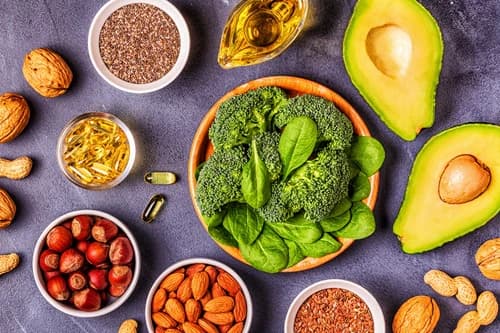
In India, you can find vitamin A foods in many everyday meals without spending money on expensive supplements or unusual ingredients. A simple plate of palak dal with carrot salad, followed by a few slices of mango or muskmelon, can provide different natural sources of vitamin A. These foods help support normal vision, immunity, healthy skin, and growth.
But not all vitamin A sources work in the same way. Liver and eggs provide preformed vitamin A, while carrots, sweet potatoes, pumpkin, spinach, and mango contain plant-based carotenoids that the body converts into vitamin A. In this guide, you will discover 20 practical foods ranked by serving size, along with simple ways to add them to familiar Indian meals.
Benefits of Vitamin A Foods
Getting enough vitamin A does a lot more for your body than most people realise.
Supports eyesight: Vitamin A helps keep your cornea healthy and supports clear vision, especially in dim light. That is why people often include vitamin A foods for eyes in a healthy diet.
Strengthens immune system: Vitamin A works to strengthen the natural barriers that shield your body from any kind of threat from pathogens – your skin as well as the mucous membranes of your nose, mouth, and gut.
Helps to keep the skin healthy: This nutrient is vital for the renewal process in your skin cells so that they can function normally.
Important for development at all stages: In this case, it will be especially important for you in times of rapid change – being a child or a teenager, pregnant or nursing.
Promotes reproductive health: Sufficient intake of vitamin A is also beneficial for your reproductive system.
Vitamin A actually comes in two different forms. There's preformed vitamin A, also called retinol, which you get mainly from animal foods — think liver, eggs, dairy, and fish. Then there are plant foods, which give you provitamin A carotenoids like beta-carotene instead, and your body takes care of converting those into vitamin A when it needs to.
20 Vitamin A Foods Ranked by Serving Size
The ranking below is a practical guide rather than a laboratory comparison. Some foods contain a very concentrated amount in a small serving, while others are useful because they are easy to include regularly.
1. Beef Liver
Beef liver is one of the most concentrated sources of preformed vitamin A. A 3-ounce cooked serving can provide around 6,582 mcg RAE, far more than the daily requirement for most adults.
That sounds impressive, but more is not always better. Beef liver should be eaten occasionally and in moderate portions because excess preformed vitamin A can build up in the body. People who are pregnant or taking vitamin
2. Cod Liver Oil
Cod liver oil is packed with preformed vitamin A, and it often comes with the bonus of vitamin D and omega-3 fats. That said, how much vitamin A you're actually getting can vary quite a bit from one brand to another.
Treat it like a supplement, not an ordinary cooking oil. Read the label carefully and stick to the recommended serving size. It's best to avoid combining it with other high-dose vitamin A products unless your doctor gives the go-ahead. The same goes for certain multivitamin gummies — especially if you're already taking a few different supplements at once.
3. Baked Sweet Potato
A baked sweet potato is one of the most useful plant-based sources of vitamin A. One whole baked sweet potato can provide approximately 1,403 mcg RAE, depending on its size. It’s great as a side dish, in grain bowls, mashed into a curry, or as a base for a filling lunch. Its natural sweetness also makes it easy to give to kids.
4. Cooked Spinach
Cooked spinach is a convenient leafy-green source of provitamin A carotenoids. Half a cup of boiled spinach provides around 573 mcg RAE in standard nutrient tables.
Add spinach to dal, omelettes, soups, pasta sauces, or savoury pancakes. Cooking reduces its volume, so you can eat more spinach in a smaller portion than you might manage when it is raw.
5. Carrots
Carrots are among the most familiar vitamin A foods. Their bright orange colour comes largely from carotenoids, including beta-carotene. Half a cup of raw carrots can provide a useful amount of vitamin A, while cooked carrots may offer even more per cup because they become softer and more concentrated.
Eat them raw with hummus, roast them with spices, grate them into salads, or add them to soups, pulao, and curries.
6. Pumpkin
Pumpkin is another colourful food that supplies provitamin A carotenoids. It works especially well in soups, curries, roasted vegetable dishes, stuffed breads, and baked recipes.
A bowl of pumpkin soup is a simple way to add more vitamin A-rich foods during cooler months. You can also cook pumpkin with lentils, beans, or mild spices for a balanced meal.
7. Winter Squash
Winter squash varieties such as butternut squash and acorn squash are sources of carotenoids and can be used in savoury and sweet dishes. Their soft texture makes them a good choice for soups, warm salads, roasted dishes and blended sauces.
If you usually make potatoes as a side dish, try substituting some of the potatoes with squash. It adds colour, sweetness and variety to your plate.
8. Mustard Greens
Dark leafy greens, including collard greens and mustard greens, provide plant-based vitamin A. Mustard greens are especially easy to use in Indian-style cooking because they can be combined with spinach, fenugreek, lentils, or other seasonal greens.
Cook them with a small amount of oil and spices, or add chopped greens to soups and stews. Eating different leafy greens helps you get a broader range of nutrients rather than depending on only one vegetable.
9. Banana
Bananas are not usually the first food people mention when discussing vitamin A, but they can still contribute some provitamin A carotenoids. Ripe bananas work well in breakfast bowls, smoothies, and snacks.
In some cuisines, less-ripe bananas or plantains are added to stir-fries, soups, curries, and crispy snacks. Their exact vitamin a content varies by variety and ripeness, so think of bananas as one small part of an overall balanced diet.
10. Red Bell Pepper
Red bell peppers add colour, crunch, and carotenoids to everyday meals. Slice them into salads and sandwiches, chop them into noodles, roast them with other vegetables, or add them to omelettes.
They are also useful when you want to increase the number of colourful foods on your plate without making a meal feel heavy.
11. Broccoli
Broccoli provides a moderate amount of vitamin A and fits easily into many diets. It also adds fibre and texture to meals.
Don’t cook it too much until it’s soft and dull: steam or roast it instead. Add broccoli to fried rice, pasta, stir-fry, soup or grain bowls. Adding a little oil, nuts, seeds, or cheese to it might improve the absorption of fat-soluble carotenoids.
12. Muskmelon
Muskmelon, also called cantaloupe in some regions, is a refreshing fruit source of provitamin A carotenoids. It makes an easy summer snack and can be added to fruit bowls, chilled soups, smoothies, or breakfast plates. Choose fresh fruit more often than sweetened juices, since whole fruit also provides fibre and takes longer to consume.
13. Mango
Mango is a common fruit that provides vitamin A through carotenoids. Enjoy it in a fruit bowl, smoothie, overnight oats, yoghurt or as a fresh snack. It is naturally sweet, so even if you’re watching your overall sugar or calorie intake, portion size still matters. For a more satisfying breakfast or snack, try pairing mango with plain yoghurt, nuts or seeds.
14. Dried Apricots
Dried apricots are convenient and can contribute provitamin A carotenoids. They are easy to carry to work or school and can be added to trail mix, porridge, cereal, or baked recipes. Since drying removes water, dried fruit is more concentrated in natural sugar and calories than fresh fruit. Enjoy a small portion and check the ingredient list for added sugar.
15. Eggs
Eggs provide preformed vitamin A, particularly in the yolk. They are affordable, easy to cook, and useful at breakfast, lunch, or dinner. Try boiled eggs in salads, scrambled eggs with spinach, or an omelette with red pepper and broccoli. Eggs can also help make a vegetable-based meal more filling.
16. Milk
Milk, especially when fortified, can supply vitamin A in its preformed state. The amount varies by product, fat content, processing and local practices of fortification. Add it to tea, smoothies, sauces, or drink it with a meal. When choosing a plant-based milk, look at the nutrition label, as the amount of added vitamin A varies among brands.
17. Cheese
Cheese provides some preformed vitamin A in a relatively small serving. It can be added to sandwiches, salads, wraps, omelettes, pasta, and vegetable dishes. Because cheese can also be high in saturated fat and sodium, use it as a flavourful addition rather than the main part of the meal. A small amount can make vegetables or whole-grain foods more appealing
18. Yoghurt
Yoghurt is an easy addition to breakfast, smoothies, raita, dips, and snacks. Some varieties provide vitamin A naturally, while others may be nutritious. Choose plain yoghurt more often if you want to limit added sugar, then add fruit, cinnamon, seeds, or chopped nuts for flavour. Greek-style yoghurt can also make a filling base for a breakfast bowl.
19. Salmon
Salmon is a fish-based source of vitamin A and also contributes protein and omega-3 fats. You can bake it, grill it, steam it, or use it in salads and grain bowls. The vitamin A content may be less than that of liver or some nutrition products, but salmon can still be part of a balanced eating pattern. If you eat fish, change the type of fish you eat and follow local advice on the safest fish to eat.
20. Vitamin A-Enriched Breakfast Cereals
Some cereals have vitamin A added during production, which can make them a handy way to boost your intake — though it's worth noting the amount really depends on the brand, so a quick check of the nutrition label will tell you exactly how much you're getting per serving. For a more balanced breakfast, try picking a cereal that's lower in added sugar and pairing it with milk or yoghurt and some fresh fruit. That way you're rounding it out with protein, calcium, and fibre too, rather than just relying on the cereal alone.
How to Absorb More Vitamin A
Your body absorbs these plant nutrients better when you eat colourful veggies with a bit of fat. You don't need much — just a small amount will do. Cooking your veggies in a little oil, or adding a spoonful of yoghurt, some nuts, seeds, avocado, or eggs, can go a long way in rounding out a veggie-based meal.
Try these practical habits:
Cook leafy greens, pumpkin, carrots, and squash instead of eating every vegetable raw.
Add a small amount of healthy fat to salads or cooked vegetables.
Combine orange, red, yellow, and dark-green foods across the week.
Eat vegetables with protein sources such as lentils, eggs, yoghurt, tofu, fish, or beans.
Focus on variety instead of relying on one “superfood.”
Cooking does not make every nutrient higher, but it can soften plant tissues and make certain carotenoids easier for the body to access. A mixed meal is often more useful than eating one food in isolation.
Easy Ways to Add Vitamin A Foods
You can add more vitamin A foods without completely changing your routine.
Add chopped spinach to dal, omelettes, soups, pasta, or savoury pancakes.
Roast carrots and sweet potatoes with cumin, pepper, garlic, or herbs.
Include mango or muskmelon in breakfast bowls during the season.
Keep boiled eggs ready for a quick meal or snack.
Add pumpkin or squash to soups, curries, and warm grain bowls.
Choose milk, yoghurt, or eggs regularly if they suit your diet.
Add red bell pepper and broccoli to noodles, sandwiches, and stir-fries.
Check labels on fortified cereals and plant-based milk.
Combine colourful vegetables with a little oil, nuts, seeds, or yoghurt.
Conclusion
The best way to get enough vitamin A is to include a mixture of colourful plant foods and suitable animal or fortified foods. Sweet potatoes, carrots, spinach, pumpkin, mangoes, eggs, milk, yoghurt, and fortified cereals can all fit into ordinary meals.
Liver and cod liver oil are much more concentrated, so moderation matters. For most people, the simplest strategy is to build variety into breakfast, lunch, dinner, and snacks instead of depending on supplements or one highly promoted food.
FAQ
1. What everyday foods are highest in vitamin A?
Think liver, egg yolks, and dairy on the animal side, and carrots, sweet potatoes, and pumpkin on the plant side. Spinach and other leafy greens sneak in as good options too.
2. Which food provides the most vitamin A per serving?
Nothing really beats liver — a tiny portion can blow past your daily need several times over. If you're sticking to plants, sweet potato and carrot are your best bet.
3. How much vitamin A do you need each day?
Men should aim for roughly 900 mcg RAE a day, while women need a bit less, around 700 mcg. That number creeps up a little during pregnancy or while breastfeeding.
4. Which vegetables are naturally rich in vitamin A?
Carrots, sweet potatoes, pumpkin, spinach, and kale all pack a solid punch. As a rule of thumb, the more vivid the orange or green, the more beta-carotene it's likely hiding.
5. Which fruits contain the most vitamin A?
Mango, papaya, apricot, and cantaloupe are the standouts here. That bright orange colour they share isn't a coincidence — it's basically beta-carotene showing off.
6. What are the best vegetarian sources of vitamin A?
Eggs and dairy give you vitamin A in a form your body can use right away, while carrots, spinach, sweet potatoes, and mangoes hand it over as beta-carotene instead. Eating a bit of both types is really the way to go.
7. Is one carrot a day enough for vitamin A?
Surprisingly, yes — one medium carrot can cover your whole day's need, sometimes with room to spare. Still, it's worth mixing in other sources so you're not relying on just one food.
8. Is vitamin A from plant foods different from vitamin A in animal foods?
It is, actually. Plants give you beta-carotene, which your body has to convert into vitamin A first, whereas animal foods hand you retinol — a form that's already good to go.
9. Does cooking affect the vitamin A content of foods?
A little cooking is actually a good thing — it softens plant cells and makes the beta-carotene easier for your body to absorb. Boil or overcook things for too long, though, and you'll start losing some of that benefit.
10. Can you get too much vitamin A from food?
From plant sources, barely — your body's smart enough to only convert what it needs. Animal sources are a different story, though; overdoing liver or similar foods regularly can push you into excess territory.
Share this article: