
Tattoo Pain Chart: Which Body Parts Hurt the Most?
2026-04-15 • 4 min
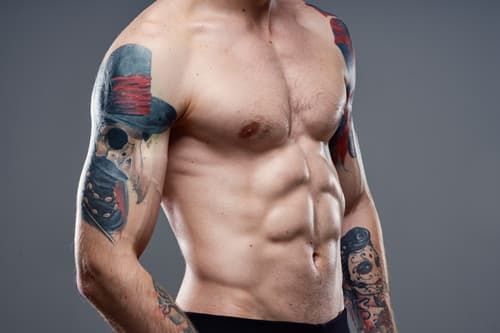
Getting a tattoo is one of the most personal and permanent decisions a person can make — and for first-timers especially, the question of pain is often the most pressing concern before walking into a studio. Pain tolerance during tattooing varies considerably from person to person, but the location of the tattoo on the body is consistently one of the most reliable predictors of how much it will hurt. This is because different areas of the body have vastly different densities of nerve endings, amounts of soft tissue padding, proximity to bone, and skin thickness — all of which directly influence how painful a tattoo session will be. A tattoo pain chart is a practical reference tool that ranks body parts by their typical level of pain intensity, helping prospective clients make informed decisions about placement, session length, and pain preparation. Whether you are planning your first tattoo or looking to add to an existing collection, understanding where tattoos hurt the most and why can help you choose placement strategically, set realistic expectations, and take steps to manage discomfort before, during, and after your session. This guide covers the full tattoo pain chart for both men and women, explains the anatomy behind pain differences, and provides evidence-based tips for getting through the chair comfortably.
Why Does Tattoo Pain Vary by Body Part?
Tattoo pain is caused by a needle repeatedly puncturing the skin at high speed — between 50 and 3,000 times per minute depending on the machine and technique. The skin has multiple layers, and the tattoo needle is designed to deposit ink into the dermis, the second layer beneath the visible epidermis. How much this hurts depends on several anatomical factors at the specific location being tattooed.
Areas with dense concentrations of nerve endings — such as the fingers, feet, and face — are significantly more sensitive because there are simply more pain receptors being activated. Areas with thin skin and close proximity to bone — like the ribs, shins, and spine — transmit vibration directly through the periosteum (the nerve-rich membrane covering bone), creating an intense, sharp pain. Conversely, areas with thick muscle and fat padding — such as the outer thigh, buttocks, or upper arm — absorb more of the needle's impact, resulting in a more manageable, dull sensation. Skin over joints also tends to be more painful because it stretches and moves more, and because the artist has less stable surface to work on.
Tattoo Pain Chart: Body Parts Ranked
High Pain Areas (7-10 out of 10)
These locations are widely considered the most painful for tattooing and are generally recommended for experienced tattoo recipients rather than first-timers.
Moderate Pain Areas (4-6 out of 10)
These placements are manageable for most people, including those with moderate pain tolerance. Experienced artists often recommend these areas for first tattoos.
• Outer forearm — muscular, good skin thickness, low nerve density
• Outer thigh — large surface, ample fat and muscle cushioning
• Upper arm (bicep/tricep) — one of the most forgiving placements
• Calves — significant muscle mass reduces bone-transmitted pain
• Shoulder blade — moderate padding, though bony area nearby
• Upper back — broad, padded surface with good skin consistency
Low Pain Areas (1-3 out of 10)
If you are getting your first tattoo and are worried about pain, these areas are widely recommended for their relative comfort and manageable sensation.
• Outer shoulder — thick skin, dense muscle, excellent for beginners
• Outer upper arm — classic first tattoo location for a reason
• Buttocks — substantial fat and muscle, very low nerve density at surface
• Upper outer thigh — broad, cushioned, far from sensitive inner structures
• Chest (pectoral muscle area) — moderate for men; more sensitive near sternum
Tattoo Pain Chart: Female vs Male Differences
One of the most searched questions in tattoo research is whether tattoo pain differs between men and women. The general consensus, supported by clinical pain research, is that biological sex does correlate with pain sensitivity — women tend to report higher pain intensity for equivalent stimuli in controlled experimental settings. However, individual pain tolerance varies enormously regardless of gender, and the anatomical location remains a far stronger predictor of tattoo pain than gender alone.
For women, areas over hormonal tissue — such as the chest, hips, and lower abdomen — can be especially sensitive and may vary in perception depending on hormonal cycle phases. The inner thigh tends to be rated slightly higher in pain by women than men, likely due to differences in skin sensitivity and fat distribution. For men, areas with higher muscle density may feel less intense in terms of sharp pain but can produce more fatigue during long sessions due to the needle working through denser tissue. The tattoo pain chart for female and male recipients is broadly similar, with the main differences occurring at specific hormonally sensitive or fat-distributed locations.
How to Manage Tattoo Pain Effectively
Before Your Session
Preparation significantly affects pain experience. Arriving well-rested, hydrated, and fed reduces anxiety and increases physical resilience. Sleep deprivation and low blood sugar are known to amplify pain perception. Avoid alcohol before your appointment — it thins the blood and can actually make the tattooing process more uncomfortable and the healing messier. Some clients apply a topical numbing cream to the area approximately one hour before the session begins; these are available over the counter and can reduce surface sensitivity, though their effectiveness varies by skin type and application.
During the Session
Breathing steadily and deeply is one of the most effective in-session pain management techniques. Focused breathing activates the parasympathetic nervous system and reduces the physiological stress response that amplifies pain. Taking breaks during longer sessions is also advisable — most reputable tattoo artists will accommodate reasonable break requests. Listening to music or podcasts, focusing on conversation, or using controlled breathing exercises can all help redirect attention away from the sensation. Keeping the body still is essential both for pain management and tattoo quality — tensing or flinching moves the skin and disrupts the artist's work.
After Your Tattoo Session
Post-session care matters for both healing and residual discomfort. Freshly tattooed skin is essentially an open wound and will be sore, swollen, and sensitive for several days. Applying a fragrance-free moisturizer and following your artist's aftercare instructions is the foundation of tattoo healing. For localized discomfort during healing, some individuals find topical support helpful — a gentle pain relief gel applied around (not directly on) a fresh tattoo can help with surrounding muscle or skin soreness, though any topical product should be kept away from the tattooed area itself during active healing. Anti inflammatory gels may help reduce swelling in surrounding tissue during the first 24 to 72 hours, but always consult your tattoo artist or a medical professional before applying anything new to or near a fresh tattoo.
Factors That Influence Individual Pain Tolerance
Beyond body part location, several individual factors modulate how painful a tattoo session will be. Overall baseline pain tolerance — which is partly genetic and partly conditioned through experience — is a primary factor. Prior tattoo experience also plays a role: many experienced tattoo collectors report that subsequent tattoos feel less intense than the first, partly because anxiety is reduced and partly through psychological habituation. Skin condition matters too — dry, sun-damaged, or highly aged skin may be more sensitive or harder to work with, potentially extending session time and increasing cumulative discomfort.
Mental state and anxiety level have a measurable physiological impact on pain perception. High anxiety activates the sympathetic nervous system, releases stress hormones, and lowers the pain threshold. Practicing calming techniques in the days before your appointment — including adequate sleep, mindfulness exercises, and reducing stimulant intake — can meaningfully improve the experience. Body size and composition also play a role: individuals with higher body fat percentages in specific areas often report lower pain intensity there, while those with less subcutaneous tissue tend to feel more of the needle's impact transmitted to underlying nerves and bone.
Frequently Asked Questions
Which body parts hurt the most during a tattoo?
The most painful tattoo locations consistently include the ribs, spine, sternum, armpits, inner elbow, hands and fingers, feet, shins, and neck. These areas share common characteristics: thin skin, high nerve density, and proximity to bone. The ribcage and spine are frequently cited as the most intense placements even by experienced tattoo collectors.
What are the least painful areas to get a tattoo?
The least painful tattoo locations are generally the outer upper arm, outer shoulder, outer thigh, buttocks, and calves. These areas have thick skin, substantial muscle or fat cushioning, and comparatively lower surface nerve density. The outer upper arm is widely recommended for first tattoos for this reason.
How is tattoo pain measured on a pain chart?
Tattoo pain charts typically use a scale of 1 to 10, where 1 represents virtually no discomfort and 10 represents extreme pain. These ratings are based on aggregated self-reports from tattoo recipients and professional artists' observations across thousands of sessions. They represent general tendencies rather than absolute predictions, as individual pain tolerance varies considerably.
Does tattoo pain vary from person to person?
Yes, significantly. Individual pain tolerance is influenced by genetics, prior pain experience, anxiety levels, sleep quality, hydration status, hormonal factors, and overall health. Two people getting an identically placed tattoo from the same artist may report very different pain experiences. This is why general pain charts are useful as guides but should not be taken as precise predictions.
Why do some body parts hurt more during tattooing?
Body parts hurt more during tattooing for three primary anatomical reasons: higher density of nerve endings in the skin and underlying tissue (more pain receptors being activated), proximity of bone to the skin surface (bone conducts vibration and the periosteum is highly innervated), and thinner skin with less fat or muscle cushioning to absorb the needle's impact.
How can I reduce tattoo pain during the session?
Practical strategies include: arriving well-rested and properly fed; using a topical numbing cream applied before the session; breathing steadily and deeply throughout; taking scheduled breaks during longer sessions; using distraction techniques like music or conversation; staying hydrated; and avoiding alcohol or stimulants beforehand. Communicating openly with your artist also helps — experienced artists adjust their technique and pace to support client comfort.
How long does tattoo pain last after getting inked?
The acute pain of the tattooing process ends immediately when the needle stops. Post-session soreness — similar to sunburn — typically peaks in the first 24 to 48 hours and gradually subsides over 3 to 7 days depending on the size and location of the tattoo. Bony and ribcage tattoos may remain tender for up to two weeks. Following proper aftercare protocols significantly reduces both healing time and post-session discomfort.
Key Takeaways
• Body part location is the single strongest predictor of tattoo pain — areas over bone, with thin skin, or high nerve density hurt most.
• The ribcage, spine, armpits, hands, feet, and neck are consistently rated the most painful tattoo placements across both men and women.
• The outer upper arm, outer thigh, buttocks, and calves are among the least painful placements — ideal for first tattoos.
• Individual pain tolerance varies significantly; anxiety, sleep quality, hydration, and prior tattoo experience all influence pain perception.
• Women may experience higher sensitivity in hormonally influenced areas; however, body placement matters far more than biological sex.
• Preparation strategies — rest, hydration, topical numbing, and breathing techniques — can meaningfully reduce session discomfort.
• Post-tattoo soreness typically resolves within 3 to 7 days; bony placements may take longer, and proper aftercare accelerates healing.
Share this article: