
How to Get Rid of Strawberry Legs Naturally at Home
2026-06-18 • 4 min
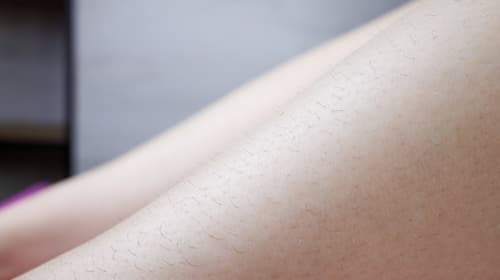
You shave your legs, step out of the shower, and notice those small dark dots still sitting there on your skin. Sometimes they look like a pattern of seeds pressed just under the surface. Sometimes the skin feels rough no matter how much you moisturize. It can be tiring — especially when you're doing everything you think you're supposed to be doing.
Strawberry legs are more common than most people realize. They're not a sign of poor hygiene, and they're not permanent. With the right approach — consistent, simple, and done at home — the appearance improves significantly over time.
This guide covers what's actually causing the problem, which home remedies work, how to shave without making things worse, and how long a natural routine takes to show real results.
What Strawberry Legs Really Are
The term refers to the dotted or speckled appearance that shows up on the legs — and sometimes the arms — after shaving or hair removal. Each dot corresponds to a hair follicle or an open pore. When these get clogged with dead skin, oil, or oxidized sebum, they darken and become visible against the surrounding skin. The result looks similar to the seeds on the surface of a strawberry — hence the name.
Strawberry hands follow the same pattern. The skin on the hands and fingers develops a similar rough, dotted texture when the skin and pores become blocked or irritated. It's less talked about than strawberry legs but just as common, and responds to the same kinds of treatments.
The condition itself is cosmetic. It doesn't hurt, it doesn't spread, and it isn't caused by anything contagious. But it's also not something that resolves on its own without attention.
The Most Common Causes Behind the Problem
Clogged hair roots are the main culprit. When dead skin cells, oil, and debris build up, the trapped material oxidizes when exposed to air and turns dark. This is the same process behind blackheads on the face — just happening on the legs instead.
Shaving with a dull blade is one of the biggest contributing factors. A blunt razor drags rather than cuts cleanly; this causes ingrown hairs and leaves behind a darkened appearance at the base of each hair. Using the same razor for too long is something most people do without thinking about it — and it makes a noticeable difference to how the skin looks afterwards.
Dry skin makes everything worse. When the skin lacks moisture, dead cells accumulate faster. People with naturally dry skin or those who skip moisturizer tend to deal with more pronounced strawberry legs than those who keep their skin well hydrated.
Keratosis pilaris — a condition where keratin builds up — produces a similar dotted appearance and is often mistaken for strawberry legs. It's harmless but does require frequent exfoliation and moisturizing to manage effectively.
Exfoliation — The First Step That Makes Everything Else Work Better
Exfoliation removes dead skin cells that sit on the surface and block the follicles. Without it, moisturizers sit on top of the buildup rather than reaching the skin underneath, and shaving cuts through layers of dry skin instead of getting close to the hair.
Two to three times a week is the right frequency for most people. More than that and you risk irritating the skin, which can worsen the appearance of strawberry legs. Physical exfoliation — a gentle scrub, a dry brush, or an exfoliating mitt — works well for the legs. Chemical exfoliation using products with lactic acid or salicylic acid is effective too, particularly for people with sensitive skin who find scrubbing too abrasive.
Home Remedies That Genuinely Deliver Results
Baking soda mixed with water into a paste is one of the most widely used and straightforward options for how to get rid of strawberry legs at home. Apply it to damp skin, leave it for a few minutes, then rinse off. It acts as a mild physical exfoliant. Use it once or twice a week — daily use is too harsh for most skin types.
Sugar scrubs are gentler and work well for regular use. Mix raw sugar with coconut oil or olive oil and massage it into the legs in circular motions before showering. The sugar physically removes damaged skin while the oil conditions the skin. It's a two-in-one step that makes the skin noticeably smoother within a few weeks of daily use.
Aloe vera applied after shaving or exfoliating calms inflammation and supports faster skin repair. Fresh aloe is best, but a pure aloe vera gel with no added alcohol or fragrance works just as well. Apply it while the skin is still slightly damp for better absorption.
Apple cider vinegar diluted with water and applied with a cotton pad helps with strawberry legs treatment at home by loosening the oxidized material in the pores. Leave it on for a few minutes, then rinse thoroughly. It's mildly acidic, so always dilute it — undiluted application irritates.
Shaving the Right Way to Stop Making Things Worse
Shaving is the single biggest variable in how to get rid of strawberry legs. The technique matters as much as the products you use before and after.
Replace your razor more often than you think you need to. A blade dulls quickly, especially on the legs, which have a larger surface area than most people factor in. After five to seven uses, the blade is already dragging rather than cutting. That drag is what irritates the skin and creates that darkened dot pattern at the base of each hair.
Always shave with a shaving gel or cream — never dry, never with just soap. Shaving gel creates a protective layer between the blade and skin that reduces friction significantly. Shave in the direction of hair growth first, then against it if needed. Going against the grain immediately increases the chance of ingrown hairs.
Rinse the blade after every two or three strokes. A razor is almost as ineffective as a dull one. After shaving, rinse your legs with cool water — not hot —before applying any product. Hot water keeps them open and increases the risk of irritation setting in.
Moisturizing — The Step Most People Skip
Moisturizing every day is not optional if you're serious about treating strawberry legs. Keeping the skin hydrated reduces the rate at which dead cells accumulate and makes the overall texture smoother over time.
Look for moisturizers that contain urea, lactic acid, or glycerin. These ingredients don't just hydrate — they actively loosen buildup over time, which makes them particularly effective for strawberry legs treatment at home. Used daily, they reduce the need for manual exfoliation because they're doing some of that work passively.
Consistency is everything here. One week of good moisturizing won't transform the skin. Four to six weeks of doing it every day after every shower will.
Targeted Relief for Irritated and Inflamed Skin
Sometimes the skin doesn’t just look dark — it gets inflamed, tender, or itchy. This happens most often after shaving over already irritated skin, or during the early weeks of a new exfoliation routine when the skin is adjusting to more frequent treatment.
For localized inflammation and discomfort, a pain killing gel applied directly to irritated areas provides fast-acting relief without disrupting the rest of your skincare routine. Products containing lidocaine or menthol reduce surface inflammation and calm the itching or sensitivity that sometimes accompanies strawberry legs— particularly useful in the days immediately after shaving over an area that was already reactive.
For more stubborn or deeply inflamed areas, an ultra potent gel with stronger anti-inflammatory active ingredients — such as diclofenac or high-concentration arnica — targets deeper tissue irritation and helps reduce the kind of chronic low-level inflammation. Apply it to the affected area after exfoliation and before moisturizing for the best result.
Managing inflammation alongside your skincare routine speeds up the overall progress. Inflamed follicles darken faster and take longer to clear — keeping that irritation under control makes every other step more effective.
How Long a Natural Routine Actually Takes
Two to four weeks in, most people notice the skin feeling smoother and the rough texture starting to ease. The dots don't disappear overnight — but the overall appearance begins to shift noticeably within the first month of committed effort.
Six to eight weeks is when the real results tends to show up. By this point, the skin is holding moisture better, and the darkened appearance has reduced. Some people see faster results depending on how frequently they're exfoliating and moisturizing and how quickly they switched to a better shaving routine.
Frequently Asked Questions
What causes strawberry legs on the skin?
Blocked hair follicles and open pores that darken when exposed to air. The main triggers are dead skin buildup, dull razor blades, dry skin, and shaving without adequate preparation. Keratosis pilaris also produces a similar appearance.
How to get rid of strawberry legs naturally at home?
The most effective natural approach combines regular exfoliation two to three times a week, daily moisturizing with a product containing urea or lactic acid, and switching to a fresh razor with proper shaving gel. Home remedies like sugar scrubs, aloe vera, and diluted apple cider vinegar add to this routine. Consistency over four to eight weeks is what produces visible results.
How to get rid of strawberry legs fast?
There's no overnight fix, but combining exfoliation and a fresh razor in the same session produces noticeable results faster than either step alone. Exfoliate first, shave with a new blade and shaving gel, then apply aloe vera and a thick moisturizer immediately after. Done every few days, this routine produces faster improvement than a slower, less structured approach.
Can exfoliation help reduce strawberry legs?
Yes — exfoliation is the most important step in any strawberry legs treatment at home. Physical exfoliation with a scrub or mitt and chemical exfoliation with lactic or salicylic acid both work well. Two to three times a week is sufficient — more than that irritates the skin and slows progress.
Which home remedies work best for strawberry legs?
Sugar scrubs with coconut oil, baking soda paste, aloe vera gel, and diluted apple cider vinegar are the most effective home remedies. Sugar scrubs work best for regular maintenance. Baking soda paste is useful for exfoliation once or twice a week. Aloe vera is most effective as a post-shave calming step. Apple cider vinegar helps loosen oxidized debris from clogged pores when used consistently.
Does shaving make strawberry legs worse?
Shaving with a dull blade, without proper preparation, or on dry skin makes strawberry legs significantly worse. The blade drags rather than cuts, which irritates the skin and creates the darkened dot pattern at the base of each hair. Shaving correctly — with a fresh blade, after exfoliating, using shaving gel — actually reduces the appearance of strawberry legs rather than worsening it.
How long does it take to treat strawberry legs naturally?
Most people notice smoother skin within two to four weeks. Visible reduction in the dotted appearance typically takes four to eight weeks of exfoliation, daily moisturizing, and better shaving habits.
Can moisturizing help prevent strawberry legs?
Moisturizing daily is one of the most effective preventive steps available. Hydrated skin sheds dead cells more evenly. Products with urea, lactic acid, or glycerin do double duty — they hydrate and gently loosen the buildup over time. Applied after every shower, a good moisturizer slows the rate at which strawberry legs return after the skin has cleared.
Conclusion
Strawberry legs are fixable. Not overnight, and not with one product — but with a simple routine that addresses the actual cause rather than just masking the surface.
Exfoliate regularly. Moisturize every day. Shave with a fresh blade and the right preparation. Use targeted relief when the skin gets inflamed. Give it six to eight weeks, and the difference in how your skin looks and feels will be significant.
The routine is simple. The results are real. Start tonight.
Share this article: