
Runner’s Lunge Explained: How to Do the Runner’s Lunge Stretch Correctly
2026-01-29 • 4 min
Introduction: What Is the Runner’s Lunge and Why It Matters
Stretching is often overlooked in fitness routines, yet it plays a critical role in flexibility, mobility, and injury prevention. Among the many stretches used in yoga and functional fitness, the runner’s lunge stands out as one of the most effective movements for improving lower-body mobility and posture.
The runner’s lunge is a deep hip-opening stretch commonly used in yoga flows, warm-ups, and cooldown routines. Despite its name, this stretch isn’t just for runners. It benefits anyone who sits for long hours, exercises regularly, or experiences tight hips, hamstrings, or lower back stiffness.
In this guide, we’ll break down what the runner’s lunge stretch is, how to do it correctly, the muscles it targets, common mistakes to avoid, and how often you should practice it for best results.
What Is the Runner’s Lunge Stretch?
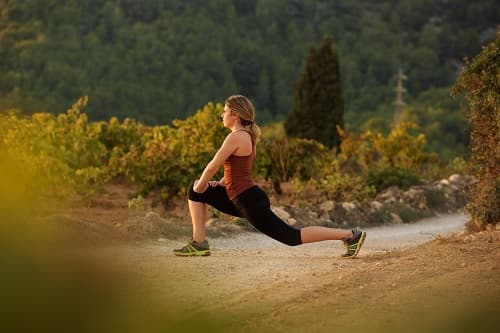
The runner’s lunge is a deep forward lunge position where one leg is bent in front while the other leg extends backward, creating a stretch across the hips, thighs, and groin.
In yoga, it is often referred to as:
Runner’s lunge pose
Yoga runner’s lunge
Low lunge variation
This pose is commonly included in yoga sequences, mobility drills, and athletic warm-ups because it effectively targets tight muscle groups caused by sitting, running, or repetitive movement.
What Muscles Does the Runner’s Lunge Target?
One of the reasons the runner’s lunge stretch is so effective is because it works multiple muscle groups at the same time.
Primary Muscles Targeted:
Hip flexors (especially the iliopsoas)
Quadriceps
Hamstrings
Glute muscles
Secondary Muscles Engaged:
Core stabilizers
Lower back muscles
Inner thighs
Tight hip flexors are a common issue, particularly for people who sit for long periods. The runner’s lunge helps counteract this tightness and restore natural hip mobility.
Benefits of Practicing the Runner’s Lunge Regularly
Incorporating the runner’s lunge into your routine offers both short-term relief and long-term mobility benefits.
Physical Benefits:
Improves hip flexibility
Reduces lower back stiffness
Enhances running and walking mechanics
Supports better posture
Improves balance and coordination
Performance Benefits:
Prepares muscles for physical activity
Improves stride length for runners
Reduces injury risk
Enhances strength and stability
Whether you’re an athlete or someone who simply wants to move better, this stretch is highly effective.
How to Do the Runner’s Lunge Stretch Correctly
Correct form is essential to get the benefits and avoid strain.
Step-by-Step Instructions:
Start in a standing position
Step one foot forward into a deep lunge
Bend the front knee so it stacks over the ankle
Extend the back leg straight behind you
Lower your hips toward the floor
Place hands on the floor or on your front thigh
Keep your chest lifted and spine long
Hold the position while breathing deeply
Switch sides after holding the stretch.
Proper Breathing During Runner’s Lunge
Breathing plays a crucial role in deep stretching.
Inhale to lengthen the spine
Exhale to relax deeper into the hips
Avoid holding your breath
Slow, controlled breathing helps release muscle tension and increases flexibility safely.
How Long Should You Hold the Runner’s Lunge Stretch?
A common question is how long to stay in the pose.
Recommended Duration:
Beginners: 15–20 seconds
Intermediate: 20–30 seconds
Advanced or yoga practice: 30–60 seconds
Holding the runner’s lunge stretch too briefly limits benefits, while holding it too long without proper control can cause discomfort.
Is Runner’s Lunge Suitable for Beginners?
Yes, the runner’s lunge pose is beginner-friendly when modified properly.
Beginner Modifications:
Keep hands on blocks or a chair
Avoid dropping hips too low
Keep the back knee slightly bent
Focus on comfort, not depth
As flexibility improves, you can gradually deepen the stretch.
Common Mistakes to Avoid During the Runner’s Lunge
Incorrect form can reduce effectiveness or cause strain.
Mistakes to Watch Out For:
Letting the front knee collapse inward
Arching the lower back excessively
Rounding the shoulders
Forcing the hips too low
Holding breath during the stretch
Maintaining alignment ensures safety and better results.
Runner’s Lunge vs Traditional Forward Lunge
While they may look similar, these two movements serve different purposes.
Runner’s Lunge:
Focuses on flexibility
Emphasizes hip opening
Static hold
Forward Lunge:
Strength-based movement
Focuses on muscle activation
Dynamic repetition
Both are valuable, but the runner’s lunge is better for mobility and recovery.
Yoga Runner’s Lunge in Flow Sequences
In yoga, the yoga runner’s lunge is often used as a transition pose in sequences such as Sun Salutations and Vinyasa flows.
It helps:
Prepare the body for deeper poses
Connect breath with movement
Improve flow and balance
Yoga practitioners often use this pose to link standing and floor-based postures smoothly.
When Is the Best Time to Do the Runner’s Lunge Stretch?
The timing of stretching matters.
Best Times:
After a workout as a cooldown
During yoga practice
After long sitting hours
Before bed to reduce stiffness
Avoid deep stretching without a warm-up if muscles feel tight or cold.
How Often Should You Do the Runner’s Lunge Stretch?
Consistency is more important than intensity.
Frequency Guidelines:
Beginners: 3–4 times per week
Active individuals: Daily
Athletes or runners: Before and after workouts
Regular practice improves mobility gradually without overloading muscles.
Runner’s Lunge for People with Tight Hips
Tight hips are common due to prolonged sitting. The runner’s lunge specifically targets this issue by stretching the hip flexors and surrounding muscles.
With regular practice, people often notice:
Reduced hip stiffness
Less lower back discomfort
Improved walking posture
This makes it especially useful for desk workers.
Runner’s Lunge and Injury Prevention
Limited hip mobility increases strain on knees and lower back. The runner’s lunge helps distribute movement more evenly across joints, reducing injury risk.
For runners and athletes, it supports:
Better stride mechanics
Reduced muscle imbalance
Faster recovery
How Runner’s Lunge Supports Daily Movement
Even outside of workouts, flexibility affects everyday activities such as walking, climbing stairs, and bending.
A consistent runner’s lunge stretch routine supports smoother movement and better body awareness throughout the day.
Final Thoughts: Why You Should Add Runner’s Lunge to Your Routine
The runner’s lunge is a simple yet powerful stretch that supports flexibility, posture, and injury prevention. It requires no equipment, takes only a few minutes, and delivers noticeable benefits when practiced consistently.
Whether you’re a runner, yoga practitioner, or someone looking to reduce stiffness from daily life, this stretch deserves a place in your routine.
FAQs
1. What muscles does the runner’s lunge target?
It targets the hip flexors, quadriceps, hamstrings, glutes, and lower back muscles.
2. Is runner’s lunge suitable for beginners?
Yes, beginners can safely perform it using modifications and shallow depth.
3. How long should you hold the runner’s lunge stretch?
Typically 20–30 seconds per side, depending on flexibility and comfort.
4. When is the best time to do the runner’s lunge stretch?
It’s best done after workouts, during yoga sessions, or after long periods of sitting.
5. How often should you do the runner’s lunge stretch?
You can practice it daily or at least 3–4 times per week for best results.
Share this article: