
How to Increase Haemoglobin : Natural Ways to Boost Your Levels Fast
2026-03-06 • 4 min
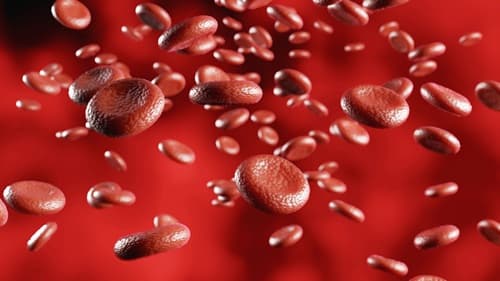
Haemoglobin — the iron-rich protein at the heart of every red blood cell, responsible for carrying oxygen from your lungs to every organ, muscle, and tissue in your body — is one of the single most important indicators of your health, energy, and physical capacity, yet low haemoglobin levels affect an estimated 1.6 billion people worldwide according to the World Health Organisation, and the vast majority of those affected never fully understand why their energy is chronically depleted, why they feel breathless climbing stairs, why their concentration drifts and their mood flatlines, or why their hair falls away in the shower long after they have tried every product on the shelf. The answer, in most cases, lies not in any mysterious medical condition but in a correctable nutritional and lifestyle imbalance — a gap between what the body needs to produce healthy haemoglobin and what it is actually receiving through diet, supplementation, and daily habits. Knowing how to increase haemoglobin levels naturally and effectively requires a comprehensive, multi-layered strategy that addresses iron intake and absorption simultaneously, ensures the full complement of co-factor nutrients including folate, vitamin B12, vitamin C, and copper are present at adequate levels, eliminates the dietary and lifestyle factors that actively sabotage haemoglobin synthesis, and supports the gut health infrastructure that makes all of this nutritional investment actually reach the bloodstream. Whether you are wondering how to increase haemoglobin in a week for an upcoming blood test or medical procedure, seeking to understand how to increase haemoglobin naturally over the longer term for sustained energy and vitality, or simply trying to understand why your levels remain stubbornly low despite your best dietary efforts, this comprehensive guide provides the science-backed, practical strategies you need to take meaningful control of your blood health starting today.
What Causes Low Haemoglobin Levels?
Before implementing any strategy for how to increase haemoglobin levels, it is essential to understand the root cause in your specific situation, as different causes require different approaches:
• Iron deficiency: The most common cause globally — insufficient dietary iron, poor absorption, or iron losses through menstruation, pregnancy, gastrointestinal bleeding, or frequent blood donation deplete the iron needed for haemoglobin synthesis.
• Vitamin B12 deficiency: Essential for DNA synthesis and red blood cell maturation. B12 deficiency causes megaloblastic anaemia — large, dysfunctional red blood cells with reduced oxygen-carrying capacity. Particularly common in vegetarians, vegans, and older adults.
• Folate (Vitamin B9) deficiency: Folate works alongside B12 in red blood cell production. Deficiency causes identical megaloblastic changes to B12 deficiency. Risk factors include poor diet, pregnancy, alcohol excess, and certain medications.
• Chronic disease: Kidney disease, inflammatory conditions, cancer, and autoimmune disorders can suppress haemoglobin through multiple mechanisms including reduced erythropoietin production, iron sequestration, and direct bone marrow suppression.
• Haemolytic conditions: Thalassaemia, sickle cell disease, and other inherited disorders cause premature destruction of red blood cells faster than the bone marrow can replace them.
• Bone marrow disorders: Aplastic anaemia and certain cancers impair the bone marrow's red blood cell production capacity directly.
• Heavy menstrual bleeding: A primary cause of iron deficiency anaemia in women of reproductive age — losses exceeding 80ml per cycle can outpace dietary and supplemental iron intake.
Understanding your specific cause through blood testing — including a full blood count, serum ferritin, serum iron, total iron binding capacity, vitamin B12, and folate levels — allows you to target your intervention precisely and avoid the frustration of treating the wrong deficiency.
Normal Haemoglobin Ranges — What to Aim For
Knowing your target is the first step in tracking progress toward how to increase haemoglobin levels effectively:
• Adult men: 13.5–17.5 g/dL
• Adult women: 12.0–15.5 g/dL
• Pregnant women: 11.0 g/dL minimum (WHO threshold for anaemia in pregnancy)
• Children aged 6–12 years: 11.5–15.5 g/dL
• Older adults (65+): Same as standard adult ranges, though levels may naturally trend slightly lower
Levels below these ranges indicate anaemia. Mild anaemia (haemoglobin 10–12 g/dL in women) often responds well to dietary and supplemental strategies. Moderate anaemia (8–10 g/dL) typically requires supplementation under medical supervision. Severe anaemia (below 8 g/dL) may require medical intervention beyond self-management, including IV iron or in extreme cases, transfusion.
How to Increase Haemoglobin Naturally — Top Strategies
1. Prioritise Iron-Rich Foods at Every Meal
Iron is the primary building block of haemoglobin. Without adequate iron, the bone marrow simply cannot manufacture sufficient haemoglobin regardless of how optimally everything else is managed. The most effective Haemoglobin increase food strategy combines both haem and non-haem iron sources:
• Haem iron (animal sources — highest absorption at 15–35%): Chicken liver, oysters, clams, red meat, dark poultry meat, sardines
• Non-haem iron (plant sources — absorption 2–20%, improved dramatically by vitamin C): Lentils, chickpeas, kidney beans, spinach, tofu, pumpkin seeds, fortified cereals, dark chocolate, dried apricots, figs
For vegetarians and vegans, the critical strategy is always pairing non-haem iron foods with vitamin C at the same meal — this single habit can increase plant-based iron absorption by up to 300%, fundamentally changing the calculus of vegetarian iron intake.
2. Maximise Iron Absorption with Vitamin C
Vitamin C is the most powerful natural enhancer of non-haem iron absorption. It reduces ferric iron (Fe³⁺) — the poorly absorbed form — to ferrous iron (Fe²⁺) which is efficiently taken up by intestinal transporters. Including a vitamin C source at every iron-rich meal is non-negotiable for anyone working on how to increase haemoglobin naturally, particularly for those relying on plant-based iron.
Practical pairings: lemon squeezed over lentil soup, orange juice with fortified cereal, tomatoes in bean dishes, bell peppers in tofu stir-fries, or taking Reset Vitamin C Gummies — enriched with natural vitamin C and curcumin for added anti-inflammatory benefit — alongside plant-based iron meals ensures this critical absorption enhancement is never missed.
3. Ensure Adequate Folate Intake
Folate is essential for DNA synthesis in rapidly dividing cells — and the bone marrow producing red blood cells is among the most rapidly dividing tissues in the body. Without adequate folate, the bone marrow produces large, immature, dysfunctional red blood cells (megaloblasts) with reduced haemoglobin content and shorter lifespans. Even when iron is plentiful, folate deficiency prevents haemoglobin from reaching normal levels.
The best dietary folate sources are dark leafy greens (spinach, kale, fenugreek), lentils, chickpeas, asparagus, avocado, broccoli, and fortified cereals. The recommended daily intake for adults is 400 mcg of dietary folate equivalents, rising to 600 mcg during pregnancy. Women planning pregnancy should begin folate supplementation at least one month before conception.
4. Address Vitamin B12 Deficiency
Vitamin B12 works synergistically with folate in haemoglobin synthesis and red blood cell maturation. B12 deficiency is particularly common in vegetarians and vegans — as B12 is found almost exclusively in animal products — and in older adults where gastric acid production and intrinsic factor secretion decline, impairing B12 absorption regardless of dietary intake.
Signs of B12 deficiency include fatigue, weakness, pale skin, tingling or numbness in hands and feet, sore tongue, mood changes, and memory difficulties. For those following plant-based diets or over age 50, B12 supplementation is strongly recommended. Reset Multivitamin Gummies provide vitamin B12 alongside vitamin D, magnesium, and zinc, offering convenient multi-nutrient support that covers several of the key haemoglobin co-factors in a single daily dose.
5. Include Copper-Rich Foods
Copper is a frequently overlooked but essential co-factor in haemoglobin production. The enzyme ceruloplasmin — copper-dependent — is responsible for converting stored iron into the form that can be loaded onto haemoglobin. Without adequate copper, iron accumulates in tissues but cannot be effectively incorporated into haemoglobin. Copper-rich foods include shellfish (especially oysters), nuts (cashews, hazelnuts, almonds), seeds (sesame, sunflower), dark chocolate, lentils, and mushrooms.
6. Cook in Cast-Iron Cookware
Cooking acidic foods — tomato-based sauces, citrus-marinated dishes, tamarind curries — in cast-iron cookware transfers small but meaningful amounts of elemental iron into the food. This traditional technique, used across cultures for generations, can increase the iron content of a meal by 2–3 mg per serving without any additional dietary effort. It is a particularly practical strategy for vegetarian households looking for every marginal iron gain.
7. Reduce Iron Absorption Inhibitors Strategically
Several common dietary habits significantly impair iron absorption and must be timed carefully when haemoglobin optimisation is a priority:
• Tea and coffee: Polyphenols and tannins bind non-haem iron in the gut — avoid for at least 60 minutes before and after iron-rich meals or supplementation
• Calcium: Directly competes with iron for intestinal transporters — separate calcium supplements and dairy from iron-rich meals by at least two hours
• Unsoaked legumes and grains: Phytic acid in unprocessed plant foods binds iron — always soak legumes for 8+ hours, sprout grains, or use fermented products to reduce phytate content by 50–80%
• Alcohol: Impairs folate metabolism, damages gut lining reducing absorption, and directly suppresses bone marrow — minimise or eliminate when actively working to increase haemoglobin
8. Support Gut Health for Maximum Absorption
The most iron-rich diet in the world delivers limited haemoglobin benefit if the gut lining is compromised and cannot efficiently absorb what you consume. Conditions such as leaky gut, small intestinal bacterial overgrowth (SIBO), inflammatory bowel disease, and coeliac disease dramatically reduce iron, folate, and B12 absorption — and are far more common than most people realise.
Maintaining a healthy gut microbiome and intestinal lining is foundational to haemoglobin improvement. Reset Healthy Gut Gummies — formulated with apple cider vinegar, pomegranate, vitamin B12, and digestive-supporting ingredients — help maintain the gut environment and lining integrity that makes iron and nutrient absorption possible, particularly valuable for individuals who have not responded as expected to dietary and supplemental interventions alone.
9. Regular, Moderate Exercise
Moderate aerobic exercise stimulates erythropoiesis — the production of new red blood cells — by increasing the body's oxygen demand and triggering erythropoietin (EPO) release from the kidneys. Activities such as brisk walking, swimming, cycling, and yoga all support red blood cell production over time. Importantly, exercise should be moderate rather than excessive — very intense training in iron-depleted individuals can actually worsen haemoglobin by increasing iron losses through sweat, foot-strike haemolysis, and gastrointestinal microbleeding.
10. Manage Stress
Chronic psychological stress elevates cortisol, which promotes systemic inflammation and can suppress erythropoietin production — the hormone that stimulates red blood cell formation. Stress also worsens gut health, further reducing nutrient absorption. Incorporating stress management practices — breathwork, meditation, adequate sleep, and regular movement — supports the hormonal and gut environment in which haemoglobin production can thrive.
How to Increase Haemoglobin Level Quickly — Realistic Timelines
Setting realistic expectations is essential when working on how to increase haemoglobin level quickly. The table below outlines typical timelines across different intervention approaches:
The fastest results always come from combining dietary changes with targeted supplementation rather than relying on either approach alone. For those asking specifically how to increase haemoglobin in a week — it is important to be realistic: haemoglobin itself takes a minimum of two to three weeks to show measurable increases even with optimal supplementation, though energy improvements from restored cellular iron can begin within seven to ten days. Blood tests should be repeated every four to six weeks to track progress accurately.
Lifestyle Factors That Affect Haemoglobin Levels
Beyond diet and supplementation, several lifestyle factors significantly influence haemoglobin production and maintenance:
Sleep
Growth hormone — released in greatest quantities during deep sleep — stimulates red blood cell production. Chronic sleep deprivation reduces growth hormone secretion and elevates cortisol, impairing erythropoiesis. Seven to nine hours of quality sleep per night supports the hormonal environment for healthy haemoglobin production.
Altitude
Living or spending time at high altitude naturally increases haemoglobin production as the body adapts to lower oxygen availability. This is the biological basis of altitude training among endurance athletes. While practically inaccessible as a treatment for most people, it illustrates the body's remarkable capacity to up-regulate haemoglobin when physiologically stimulated.
Hydration
Severe dehydration can artificially elevate haemoglobin readings by concentrating the blood, while overhydration dilutes it. Maintaining consistent, adequate hydration gives the most accurate picture of true haemoglobin status and supports the healthy blood volume in which haemoglobin functions optimally.
Smoking
Smoking causes carboxyhaemoglobin formation — carbon monoxide from cigarette smoke binds to haemoglobin with 200 times greater affinity than oxygen, displacing oxygen and reducing the effective oxygen-carrying capacity of the blood. Smokers may have apparently normal haemoglobin levels but significantly impaired functional oxygen delivery. Cessation is one of the most impactful single interventions for blood health.
When to See a Doctor
While dietary and supplemental strategies are effective for mild to moderate nutritional anaemia, medical evaluation is essential in the following situations:
• Haemoglobin below 10 g/dL in women or below 11 g/dL in men — medical supervision required
• Symptoms not improving after 4–6 weeks of consistent dietary and supplemental intervention
• Severe symptoms: breathlessness at rest, chest pain, rapid heart rate, fainting
• Suspected non-nutritional cause: family history of haemolytic conditions, chronic kidney disease, inflammatory bowel disease, or unexplained significant weight loss alongside anaemia
• Pregnancy with haemoglobin below 11 g/dL — requires prompt medical management
• Men or postmenopausal women with unexplained iron deficiency — always warrants investigation for gastrointestinal bleeding
Frequently Asked Questions
What are the fastest ways to increase haemoglobin levels naturally?
The fastest natural approach is combining iron-rich foods with vitamin C at every meal, adding folate and B12 sources, taking targeted iron supplementation if dietary intake is insufficient, and supporting gut health for maximum absorption. Iron supplementation typically improves energy within 1–2 weeks and raises haemoglobin measurably within 2–4 weeks — significantly faster than dietary changes alone.
How to increase haemoglobin in a week?
Haemoglobin itself requires a minimum of two to three weeks to show measurable increases in blood tests even with optimal supplementation. However, within one week of starting iron supplementation and vitamin C pairing, many people notice improved energy and reduced fatigue as cellular iron enzymes begin to recover. For meaningful haemoglobin improvement, four to six weeks is the realistic minimum timeframe.
How to increase haemoglobin naturally without supplements?
Focus intensively on iron-rich foods (liver, lentils, pumpkin seeds, spinach, tofu), always paired with vitamin C sources at every meal. Include folate-rich foods (dark leafy greens, lentils, avocado) and B12 sources daily. Soak and sprout legumes, cook in cast iron, eliminate tea and coffee around meals, and avoid alcohol. For mild deficiency, this approach can restore levels over 8–12 weeks with disciplined consistency.
Which foods increase haemoglobin levels quickly?
The fastest-acting foods are those highest in bioavailable haem iron: chicken liver (11mg/100g), oysters (8mg/100g), and red meat. For plant-based options, lentils (6.6mg/cup cooked), pumpkin seeds (8.8mg/100g), and fortified cereals provide the highest non-haem iron content. All plant-based sources should always be paired with vitamin C for maximum absorption speed and efficiency.
Can vitamin C help increase haemoglobin?
Vitamin C does not directly build haemoglobin, but it dramatically increases non-haem iron absorption — by up to 300% — making it essential for anyone relying on plant-based iron sources. It also supports folate stability in the gut. Taking Reset Vitamin C Gummies alongside iron-rich plant meals is a practical and effective way to ensure this absorption benefit is consistently applied.
How long does it take to increase haemoglobin naturally?
With dietary changes alone, measurable haemoglobin improvement takes 4–8 weeks. With iron supplementation combined with dietary changes, haemoglobin begins rising within 2–4 weeks and energy improvements are often felt within 1–2 weeks. Full replenishment of iron stores (ferritin) takes 3–6 months even after haemoglobin normalises — this is why supplementation should continue for several months beyond the point when blood tests return to normal.
Is low haemoglobin dangerous?
Mild anaemia causes fatigue, reduced concentration, and impaired immune function — reducing quality of life but not immediately life-threatening. Moderate anaemia significantly impacts physical and cognitive performance. Severe anaemia (haemoglobin below 7–8 g/dL) can cause heart failure, organ damage, and pregnancy complications — requiring urgent medical treatment. Any unexplained haemoglobin below 10 g/dL warrants prompt medical evaluation.
Key Takeaways
• Low haemoglobin is most commonly caused by iron deficiency, though vitamin B12, folate, copper, and gut absorption issues all play critical roles — identify your specific cause through blood testing before designing your intervention strategy.
• The most effective approach to increasing haemoglobin naturally combines iron-rich foods (both haem and non-haem sources) with vitamin C at every meal — this single pairing can increase plant-based iron absorption by up to 300%.
• Folate and vitamin B12 are essential haemoglobin co-factors that are frequently deficient alongside iron — addressing all three simultaneously produces faster and more complete results than focusing on iron alone.
• Gut health is the often-overlooked foundation of haemoglobin improvement — Reset Healthy Gut Gummies support the gut lining integrity essential for iron, folate, and B12 absorption, particularly for those who have not responded to dietary changes alone.
• Reset Vitamin C Gummies — enriched with curcumin — provide a convenient way to ensure the vitamin C pairing that maximises non-haem iron absorption at every plant-based meal, removing guesswork from one of the most impactful absorption strategies.
• Realistic timelines for how to increase haemoglobin level quickly: energy improvements in 1–2 weeks with supplementation; measurable haemoglobin rise in 2–4 weeks; full ferritin store replenishment in 3–6 months — patience and consistency are non-negotiable.
• Reset Multivitamin Gummies provide vitamin B12, vitamin D, magnesium, and zinc — covering the essential haemoglobin co-factor and absorption nutrients in a single convenient daily supplement that complements a haemoglobin-focused dietary strategy comprehensively.
Share this article: