Stretch easy oil
Infused with 6 powerful essential oils

₹1,299.00
₹999.00
4.6

2026-03-06 • 4 min
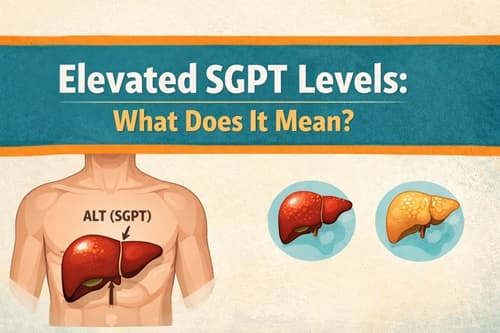
Elevated SGPT levels discovered through routine blood testing or liver function panel assessments signal potential liver stress, cellular damage, or metabolic dysfunction requiring careful interpretation within broader clinical context including other laboratory values, medical history, lifestyle factors, and physical symptoms to determine underlying causes and appropriate interventions. Reset Detox Candy supports liver wellness and healthy enzyme balance through traditional Ayurvedic herbs including Kalmegh known for hepatoprotective properties, Manjishta supporting natural detoxification pathways, Punarnava promoting liver cellular regeneration, Guduchi enhancing immune function and reducing inflammation, and Daru Haldi providing antioxidant protection against oxidative stress that damages liver cells. Understanding what SGPT elevation actually indicates about liver health beyond simple numerical values, recognizing diverse causes from reversible lifestyle factors to serious medical conditions requiring immediate intervention, learning natural approaches to supporting liver function and enzyme normalization through dietary modifications and herbal supplementation, discovering when medical evaluation becomes urgently necessary versus when self-care proves appropriate, and implementing comprehensive liver wellness strategies empowers individuals to respond appropriately to elevated SGPT findings while supporting long-term liver health through informed lifestyle choices and natural wellness practices.
SGPT or alanine aminotransferase represents an enzyme concentrated primarily within liver cells where it performs essential metabolic functions converting the amino acid alanine into pyruvate during energy production and protein metabolism processes. Under normal healthy conditions, only minimal amounts of SGPT circulate in bloodstream since the enzyme functions inside intact liver cells. When liver cells become damaged, stressed, or die through various mechanisms, their cellular membranes become permeable or rupture entirely, releasing SGPT into the bloodstream where standard laboratory tests can detect and measure it.
Elevated SGPT levels indicate that more enzyme than normal has leaked from liver cells into blood, suggesting some degree of liver cellular injury, inflammation, or dysfunction occurring. The elevation degree often correlates roughly with liver damage extent though this relationship isn't perfectly linear. Mild elevations may indicate relatively minor reversible liver stress while dramatic elevations often signal serious acute liver injury requiring immediate medical attention. However, SGPT elevations alone don't specify the underlying cause, making additional clinical information including symptoms, other lab tests, imaging studies, and risk factor assessment essential for proper diagnosis.
Non-alcoholic fatty liver disease represents the most prevalent cause of mild to moderate SGPT elevation in developed countries. This increasingly common condition occurs when excess fat accumulates within liver cells even without significant alcohol consumption. The fatty infiltration creates cellular stress triggering inflammation and oxidative damage that releases SGPT into bloodstream. NAFLD closely associates with obesity, insulin resistance, metabolic syndrome, and type 2 diabetes. Lifestyle modifications including weight loss through calorie reduction and increased physical activity, improved dietary quality emphasizing whole foods while minimizing processed items and added sugars, and regular aerobic exercise often normalize SGPT in fatty liver cases over several months of consistent effort.
Alcohol consumption elevates SGPT proportional to intake amounts and frequency. Even moderate drinking can raise levels in susceptible individuals while heavy regular drinking causes substantial elevations. Alcohol metabolism produces toxic acetaldehyde and other byproducts that directly damage liver cells while chronic consumption leads to progressive inflammation, fatty changes, and eventually more serious liver disease including alcoholic hepatitis and cirrhosis if continued. Complete alcohol cessation allows SGPT normalization in many cases though recovery timeline depends on existing liver damage extent and individual healing capacity.
Certain medications cause transient or sustained SGPT elevations as side effects. Common culprits include some antibiotics particularly those used for longer treatment courses, cholesterol-lowering statin medications especially at higher doses, nonsteroidal anti-inflammatory drugs with chronic regular use, certain seizure medications, and some diabetes medications. Most medication-induced elevations resolve after discontinuation though alternatives may be needed for ongoing treatment of underlying conditions. Always inform healthcare providers about all prescription medications, over-the-counter products, supplements, and herbal remedies when investigating elevated SGPT since the cumulative hepatotoxic burden from multiple products sometimes causes problems that single agents wouldn't produce.
Viral hepatitis infections including hepatitis A, B, C, and others cause liver inflammation often producing dramatic SGPT elevations. These infections require medical diagnosis through specific viral testing and appropriate management which may include antiviral medications for chronic hepatitis B or C. Autoimmune liver diseases where immune system mistakenly attacks liver cells, hereditary conditions affecting iron metabolism like hemochromatosis or copper metabolism like Wilson's disease, and other inflammatory or infiltrative liver diseases represent more serious causes requiring specialized medical management beyond lifestyle interventions alone.
SGPT interpretation requires considering the elevation degree, pattern over time, relationship to other liver enzymes and function tests, and individual clinical context rather than focusing solely on isolated numerical values. Mild elevations typically defined as values 1.5 to 3 times the upper limit of normal often indicate potentially reversible conditions like fatty liver, recent alcohol use, or certain medication effects. These cases frequently respond well to lifestyle modifications and may not require immediate extensive medical workup unless accompanied by concerning symptoms or risk factors.
Moderate elevations ranging from 3 to 10 times normal suggest more significant liver inflammation or injury warranting medical evaluation to identify underlying causes and determine appropriate treatment strategies. Healthcare providers typically order additional testing including other liver enzymes, viral hepatitis screening, autoimmune markers, imaging studies like ultrasound, and sometimes liver biopsy to establish definitive diagnosis. The pattern of enzyme elevations provides diagnostic clues: predominantly SGPT elevation suggests hepatocellular injury while alkaline phosphatase elevation indicates cholestatic or bile duct problems.
Severe elevations exceeding 10 times normal often indicate acute liver injury requiring urgent medical attention to rapidly identify and address the cause preventing potentially life-threatening complications. Acute viral hepatitis, drug-induced liver injury from acetaminophen overdose or other hepatotoxic medications, autoimmune hepatitis flares, and acute bile duct obstruction can all produce severe SGPT elevations. These situations demand immediate healthcare evaluation and may require hospitalization for monitoring, supportive care, and specific interventions addressing underlying causes before permanent liver damage or acute liver failure develops.
Reset Detox Candy provides convenient daily liver support through traditional Ayurvedic herbs used for centuries to promote liver wellness. The formulation contains Kalmegh known scientifically as Andrographis paniculata which demonstrates significant hepatoprotective properties in research studies protecting liver cells from various toxic insults while supporting regeneration and function. Manjishta or Rubia cordifolia supports natural detoxification pathways helping liver process and eliminate accumulated toxins and metabolic waste products. Punarnava scientifically named Boerhavia diffusa promotes liver cellular regeneration and repair while also supporting kidney function.
Dietary modifications support liver health and enzyme normalization. Emphasize whole plant foods including vegetables particularly cruciferous varieties like broccoli and cauliflower, colorful fruits rich in antioxidants especially berries, whole grains providing complex carbohydrates and fiber, lean protein sources, and healthy fats from sources like olive oil, avocados, nuts, and fatty fish providing omega-3 fatty acids. Minimize or eliminate refined carbohydrates, added sugars, highly processed foods, excessive saturated fats, and trans fats which promote insulin resistance and liver fat accumulation contributing to NAFLD progression.
Regular physical activity supports liver health through multiple mechanisms including improving insulin sensitivity, promoting weight loss, reducing liver fat content, and enhancing overall metabolic health. Aim for at least 150 minutes weekly of moderate-intensity aerobic exercise like brisk walking combined with resistance training twice weekly. Even modest activity increases produce measurable liver benefits with studies showing significant SGPT reductions and liver fat improvements in previously sedentary individuals who adopt regular exercise programs.
Reset Detox Candy provides convenient natural liver support complementing healthy lifestyle for enzyme balance.
What does elevated SGPT mean for my liver health?
Elevated SGPT indicates liver cells are damaged or stressed causing enzyme leakage into blood. The elevation degree and pattern help determine severity. Mild elevations often indicate reversible conditions like fatty liver while severe elevations may signal serious injury requiring immediate medical attention.
Can lifestyle changes normalize elevated SGPT?
Yes for many causes. Weight loss, improved diet, regular exercise, and alcohol cessation often normalize SGPT in fatty liver disease. However, some causes like viral hepatitis or autoimmune disease require medical treatment. Always consult healthcare providers for proper evaluation and treatment planning.
How long does SGPT normalization take?
Timeline varies by cause and intervention. Medication-induced elevations often resolve within weeks of discontinuation. Fatty liver improvement requires months of consistent lifestyle modification. Viral hepatitis treatment extends over many months. Regular monitoring tracks progress and guides treatment adjustments.
Should I be worried about mildly elevated SGPT?
Mild elevations warrant attention and lifestyle optimization but don't necessarily indicate serious disease. They provide early warning allowing preventive intervention before significant damage occurs. Discuss findings with healthcare providers for proper evaluation and monitoring recommendations.
Can supplements help with elevated SGPT?
Traditional liver-supporting herbs in Reset Detox Candy provide natural support for liver health and enzyme balance. While not replacing medical treatment for serious conditions, herbal support complements lifestyle modifications for maintaining healthy liver function.
When should I see a doctor immediately?
Seek immediate care for severe SGPT elevations especially with symptoms like jaundice, severe abdominal pain, confusion, or bleeding tendencies. These may indicate acute liver injury requiring urgent intervention to prevent life-threatening complications.
•Elevated SGPT indicates liver cellular injury with causes ranging from reversible lifestyle factors to serious medical conditions requiring professional evaluation and treatment.
•Interpretation requires considering elevation degree, pattern over time, other lab values, and clinical context rather than focusing solely on isolated numbers.
•Lifestyle approaches including weight management, dietary improvement, regular exercise, and natural liver support with Reset Detox Candy effectively address many causes of SGPT elevation.
•Severe elevations or concerning symptoms require immediate medical evaluation while mild elevations benefit from lifestyle optimization and monitoring.
Share this article:
Infused with 6 powerful essential oils
₹1,299.00
₹999.00
Your eco-friendly foundation for every flow

₹3,999.00
₹3,499.00
Enhance the quality of sleep and focus with a flavourful dose

₹489.00
Dose of goodness for a healthy gut and weight management

₹529.00
₹499.00
An eco-conscious and powerful solution designed for sustainable living and effective pain management

₹999.00
₹899.00
| Aspect | Natural Lifestyle Approach | Medical Pharmaceutical Approach |
|---|---|---|
| Target | Prevention and maintenance of healthy enzyme levels | Treatment of diagnosed liver disease |
| Intervention | Diet, exercise, weight loss, herbal support | Prescription medications for specific liver conditions |
| Timeline | Gradual improvement over weeks to months | Varies; some acute, some chronic treatment required |
| Side effects | Minimal with natural ingredients | Potential drug interactions and organ stress |
| Best for | Mild elevations; NAFLD; prevention focus | Severe elevations; viral hepatitis; autoimmune disease |