
How Much Does a Barbell Weigh? (The No-Nonsense Guide)
2025-11-11 • 5 min
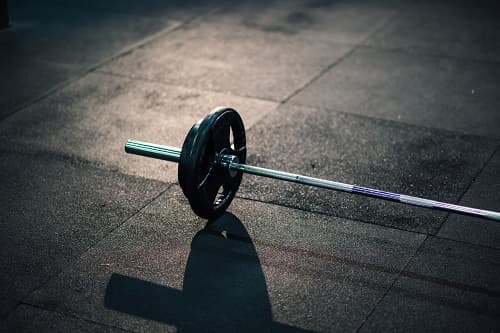
You walk up to the rack, load the plates, and then it hits you: how much does the bar weigh? If you lift at multiple gyms—or shop for a home setup—this question matters. Your training numbers, progress, and even competition readiness depend on it.
Let’s break it down once and for all. You’ll get the quick answers first, then a deep dive into every common bar type, why the weights differ, how to verify the weight of barbell in your gym, and a practical FAQ that repeats the key numbers in plain English for easy recall.
Quick Answers: Standard Barbell Weight by Type
Olympic Men’s Barbell — 45 lb (20 kg). About 220+ cm long with 28–29 mm shaft and 50 mm sleeves.
Olympic Women’s Barbell — 33 lb (15 kg). 25 mm shaft, a bit shorter than the men’s bar.
Powerlifting Squat Bar — 55 lb (25 kg). Extra stiff and thick with aggressive center knurl.
Powerlifting Deadlift Bar — 44–45 lb (20 kg). Longer with more “whip” for deadlifts.
Technique / Training Bar — 15–22 lb (7–10 kg). Light bar for beginners and form practice.
Standard (1-inch) 7-ft Bar — 35–45 lb (16–20 kg). Weight varies a lot by brand.
Standard (1-inch) 5–6-ft Bar — 12–25 lb (5–11 kg). Common in home gyms; lighter/shorter.
EZ-Curl Bar — 10–20 lb (5–9 kg). Curved grip; weight depends on brand and length.
Trap / Hex Bar — 45–60 lb (20–27 kg). Open-back designs can be lighter or heavier.
Safety Squat Bar — 60–70 lb (27–32 kg). Cambered with yoke pads; usually on the heavier side.
Swiss / Multi-Grip Bar — 35–55 lb (16–25 kg). Lots of designs, so weight varies widely.
If you only need one answer for how much is the bar at the gym, you’re usually safe assuming 45 lb / 20 kg—but as you’ll see next, that’s not always right.
Why “45 lb” Isn’t Always the Right Answer
Most commercial gyms stock a mix of barbells. The classic chrome bar on the flat bench might be 45 lb, but the curl bar, trap bar, or shorter “standard” bar could be anything from 12 to 60 lb. That’s why “how much does a bar weigh at the gym?” gets a careful answer: it depends on the bar.
Three variables drive barbell weight:
Shaft diameter and length
Olympic men’s bars are usually 28–29 mm; women’s are 25 mm; squat bars can hit 29–32 mm. More steel = more mass.
Deadlift bars run longer with thinner shafts for whip—same nominal barbell weight (20 kg) but different feel.
Sleeve design
Olympic sleeves are 50 mm and house rotating bushings or bearings. Standard bars have 1-inch (≈25 mm) fixed sleeves. Construction changes weight a lot.
Purpose
Powerlifting bars are built stiffer or whip-pier for sport rules. Technique bars are intentionally light. Specialty bars (safety squat, trap/hex, Swiss) add structure and hardware—hence heavier numbers.
Olympic Barbells (Most Common in Strength Gyms)
Men’s Olympic Bar – 20 kg / 45 lb
This is the answer most lifters expect when they ask how much does the bar weigh. If your gym has platforms, bumper plates, or competition racks, the main straight bar is almost certainly 20 kg.
Key features:
28–29 mm shaft, 2.2 m length
50 mm rotating sleeves (bushings or bearings)
Knurl marks set for Olympic or powerlifting standards
Some have a center knurl, some don’t
Women’s Olympic Bar – 15 kg / 33 lb
Smaller shaft (25 mm) for better grip and slightly shorter length. If you’re logging numbers, record it as 15 kg. When someone asks how many pounds is a barbell for the women’s bar, the answer is 33 lb.
Technique Bars – 7–10 kg / 15–22 lb
Used for teaching or rehabbing. If you’re bridging from a PVC pipe to a standard barbell, these help groove the pattern without jumping straight to 33–45 lb.
Powerlifting Bars
“Power bars” share dimensions with Olympic men’s bars in weight, but feel different.
Power Bar – 20 kg / 45 lb
Knurl: Aggressive for secure grip
Shaft: ~29 mm, stiff
Use: Bench, squat, deadlift in general powerlifting training
Squat Bar – 25 kg / 55 lb
When lifters ask how much does a standard barbell weigh for squats in some federations, the answer is 25 kg—not 20. The extra mass and thickness (often 29–32 mm) cut whip and keep the bar from walking on heavy squats.
Deadlift Bar – 20 kg / 44–45 lb
Same weight of barbell as a power bar, but longer and slightly thinner (≈27–28 mm) to increase whip off the floor. If the pull feels “snappy,” you might be on a deadlift bar even though the scale says 20 kg.
Standard (1-Inch) Bars vs Olympic (2-Inch) Bars
A big source of confusion in commercial gyms is the “standard” 1-inch bar. These aren’t built to the same spec as Olympic bars, and how much do barbells weigh in this category varies wildly.
7-ft standard bar: often 35–45 lb (16–20 kg)
6-ft standard bar: often 18–25 lb (8–11 kg)
5-ft standard bar: often 12–20 lb (5–9 kg)
If you ever wonder how much does a barbell weigh kg in a general-use area with no platforms, it might be one of these lighter 1-inch bars—don’t assume 20 kg.
Specialty Bars You’ll See (And Their Typical Weights)
EZ-Curl Bar – 10–20 lb / 5–9 kg
Great for arms and rehab. Because they’re shorter with bends, people often overestimate their mass. Don’t. If you’re logging accessory work, note the actual bar.
Trap/Hex Bar – 45–60 lb / 20–27 kg
Closed or open-back trap bars vary a lot. Some manufacturers chase balance and loadable space more than weight. When someone asks how much does a gym bar weigh and points at a hex bar, verify the model—many sit right at 50–60 lb.
Safety Squat Bar – 60–70 lb / 27–32 kg
Thick cambered shaft, handles, and pads add mass. It runs heavier than most straight bars, so adjust your training maxes accordingly.
Swiss/Multi-Grip Bar – 35–55 lb / 16–25 kg
Neutral grips, cutouts, and different steel layouts create big swings in barbell weight. Always check the side stamp or a placard.
What This Really Means for Your Training
When you track your lifts, the bar counts. If you ask how much does a bar weigh at the gym and get a shrug, do this:
Look for a marking
Many bars are etched or laser-marked with “20 kg,” “15 kg,” or “25 kg.” Some gyms put stickers near the rack: “Bench Bar = 45 lb.”Measure basics
Olympic sleeves: 50 mm (use Olympic plates).
Standard sleeves: ~25 mm (use 1-inch hole plates).
Men's bar length ≈ 2.2 m; women’s ≈ 2.01 m.
These clues often tell you the answer to how much is a barbell weight before you even weigh it.Use a scale
Quick, accurate, decisive. If management allows, weigh the bare bar. Record it for your log so you’re never guessing how much the bar weighs again.Don’t forget collars
Spring collars are light, but heavy lockdown collars can add 1–5 lb (0.5–2.5 kg) per pair. In weightlifting meets, collars are 2.5 kg per side—that’s 5 kg (11 lb) total. If you’re chasing precision, count them.
Plate Math: Converting Your Numbers
If your program is in kilograms but your gym speaks pounds—or vice versa—here’s a fast reference tied to how many pounds is a barbell:
20 kg bar = 44.09 lb (logged as 45 lb in most gyms)
15 kg bar = 33.07 lb
25 kg squat bar = 55.12 lb
Example: Building 100 kg on a 20 kg Bar
Target system: 100 kg total
Subtract the standard barbell weight (20 kg) → 80 kg of plates
Load: 2 × 20 kg + 2 × 10 kg + 2 × 5 kg + 2 × 2.5 kg = 80 kg
Example: Building 225 lb on a 45 lb Bar
Target: 225 lb
Subtract bar (45 lb) → 180 lb of plates
Load: 2 × 45 lb + 2 × 25 lb + 2 × 10 lb = 180 lb
How to Tell Which Bar You’re Holding (Fast Checklist)
Knurl feel: Aggressive = power bar; mild with center-knurl deleted = weightlifting bar.
Diameter: Feels slimmer? Could be a women’s 25 mm bar. Feels thick and rigid? Possibly a 29–32 mm squat bar (often 25 kg).
Length/whip: Longer and whippy = deadlift bar (still 20 kg).
Sleeves: Spinning sleeves with end caps = Olympic. Fixed sleeves with tiny hex bolts = standard.
Run through this list and you’ll answer how much does barbell weigh with confidence.
Common Gym Scenarios (So You Don’t Have to Guess)
Commercial chain gym, mixed equipment
Benches might have 45 lb bars; the squat rack may hold a 35 lb standard bar. Ask staff or weigh it.
CrossFit or weightlifting gym
Almost all straight bars: 20 kg men’s, 15 kg women’s. Technique bars for warm-ups. Collars are often 0.5–2.5 kg pairs.
Powerlifting gym
Mix of power bars (20 kg), deadlift bars (20 kg), and squat bars (25 kg). Each rack could have a different bar on purpose.
Home gym
Anything goes. If you bought a budget 1-inch set years ago, your 7-ft bar might be 35–40 lb, not 45 lb.
Safety Note: Bars Have Limits
If you’re loading a light, non-Olympic 1-inch bar and asking it to behave like a competition bar, you’ll feel sleeve wobble and flex you don’t want. Check the rating:
Entry standard bars: often 150–250 lb capacity
Decent Olympic bars: 700–1,500 lb+ tested
Specialty bars: manufacturer specifies—open-back traps and SSBs vary
Knowing how much weight is a barbell can save your set. Knowing how much weight the bar can handle can save your back.
Answer Bank: Repeating the Key Questions in Plain English
Use this section like flash cards. It intentionally echoes the exact phrases people type into search so you can sanity-check your numbers quickly.
How much does the bar weigh?
Most straight bars in strength gyms: 45 lb / 20 kg. But verify the specific bar.Barbell weight?
Men’s Olympic: 20 kg (45 lb). Women’s Olympic: 15 kg (33 lb). Squat bar: 25 kg (55 lb).How much does a barbell weigh?
Usually 45 lb for men’s Olympic/power bars, 33 lb for women’s, 55 lb for squat bars.How much is the bar at the gym?
Often 45 lb, but standard 1-inch bars can be 35–40 lb, and specialty bars range 10–70 lb. Ask or weigh.How much do barbells weigh?
Straight Olympic bars are 15–20–25 kg depending on type; specialty bars vary.How much weight is a barbell?
Base your math on 20 kg (45 lb) unless you know you’re using a women’s (15 kg) or squat bar (25 kg).How much does a barbell weigh kg?
Men’s: 20 kg. Women’s: 15 kg. Squat: 25 kg. Technique: 7–10 kg.How much does a bar weigh at the gym?
If it’s a straight, full-length Olympic bar: 20 kg / 45 lb. If it’s shorter or looks “skinny,” it may be 12–25 lb. If it’s a trap or safety bar, it could be 45–70 lb.How much does the bar weigh at the gym?
Same as above—most often 45 lb, but don’t assume across all stations.How much does a gym bar weigh?
Depends which bar: straight Olympic (45 lb), women’s (33 lb), squat (55 lb), curl (10–20 lb), trap (45–60 lb), SSB (60–70 lb).How much does a bar weight?
Standard answer people log: 45 lb. Confirm the exact bar before heavy work.How much does a standard barbell weigh?
If “standard” means competition spec: 20 kg. If “standard” means 1-inch, non-Olympic: often 35–45 lb—and sometimes less.How many pounds is a barbell?
Men’s Olympic barbell is 45 lb; women’s is 33 lb; squat bar is 55 lb.How much is a barbell weight?
Usually 20 kg in strength gyms; specialty bars vary.
How to Log Your Workouts Accurately (Simple System)
Create a “Bar ID” note in your phone:
Bench station: “45 lb power bar”
Platform 1–2: “20 kg weightlifting bars”
SSB: “65 lb”
Trap bar: “55 lb”
Count collars if they’re heavy. Add +5 lb / +2.5 kg to totals when relevant.
Track by bar type, not just lift
“Deadlift (deadlift bar)” vs “Deadlift (stiff bar)”—your 1RM can differ.
Buying for a Home Gym? Here’s the Shortlist
General training: 20 kg power bar (stiff, 28.5–29 mm), or a hybrid Olympic bar if you do cleans.
Smaller hands or weightlifting focus: 15 kg women’s bar.
Back issues or shoulder comfort: safety squat bar (note that how much does a barbell weigh here is typically 60–70 lb).
Pull specialty: deadlift bar (still 20 kg, but more whip).
Accessory work: EZ-curl bar (10–20 lb).
Trap/hex bar: check the model weight; many are 50–60 lb.
Bottom Line
When someone asks how much does the bar weigh, the best general answer is 45 lb / 20 kg—for a men’s Olympic/power bar.
But how much does a bar weigh at the gym depends on the exact bar in your hands: women’s bars (33 lb), squat bars (55 lb), standard 1-inch bars (12–45 lb), and specialty bars (10–70 lb).
If your progress matters—and it does—verify the barbell weight, write it down, and train accordingly.
Now you’ve got the numbers, the context, and the quick checks. Load with confidence.
Share this article: