
What Is Holozoic Nutrition? Definition, Steps & Real-Life Examples
2026-05-06 • 4 min
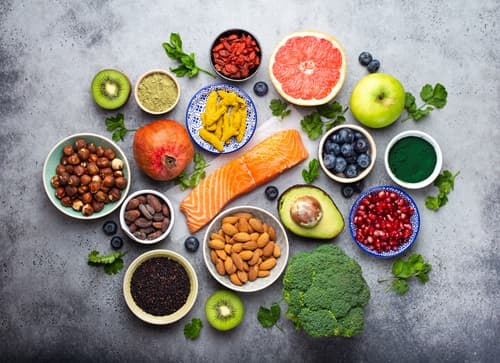
Nutrition is one of the most fundamental concepts in biology, and the way different organisms obtain their food varies dramatically across the living world. Some organisms make their own food from sunlight. Others break down dead matter to absorb its nutrients. And then there is the mode of nutrition that most of us are intimately familiar with — the one that lets a person eat breakfast, digest it, and use the energy to get through the morning. This is holozoic nutrition, the process by which animals, including humans, take in solid food, break it down internally, and use the resulting nutrients for life. Understanding the holozoic mode of nutrition is essential for anyone studying biology at school or university level, and it is also a useful lens for understanding how the human digestive system actually works in everyday life. This guide walks through what holozoic nutrition is, the five steps it involves, clear real-life examples, and how it compares with other modes of nutrition found in nature.
What Is Holozoic Nutrition?
Holozoic nutrition is a mode of heterotrophic nutrition in which an organism ingests complex, solid food, digests it inside its body, absorbs the useful nutrients, and eliminates the undigested waste. The term comes from the Greek words "holos" meaning whole and "zoon" meaning animal, reflecting that the organism consumes whole food rather than absorbing pre-dissolved nutrients. The hallmark of holozoic nutrition is internal digestion within a specialised digestive system. This is what distinguishes it from saprophytic or parasitic modes, where digestion happens outside the organism or at the expense of a host. Holozoic nutrition is the dominant mode across the animal kingdom, from microscopic amoeba to the largest whales on Earth.
Why It Is Called "Holozoic"
The name itself describes the process. "Whole animal" nutrition emphasises that the organism takes in whole pieces of food and processes them entirely within its own body. This is a distinct survival strategy that evolved alongside the development of muscular movement, sensory systems, and eventually nervous systems capable of coordinating food search and capture. Holozoic nutrition and the evolution of active animal life are deeply linked — the ability to find, capture, and digest whole food enabled the complex biological capabilities we see in animals today.
The Five Stages of Holozoic Nutrition
Holozoic nutrition is not a single event; it is a sequence of five distinct biological processes that together convert food into usable energy and raw materials. Each stage builds on the one before it, and together they form a complete pathway from mouth to cell to waste. Understanding each stage individually is the clearest way to understand the whole system.
1. Ingestion
Ingestion is the act of taking food into the body. In humans, this happens through the mouth, typically accompanied by chewing, which mechanically breaks food into smaller pieces. In other organisms, ingestion can take many forms — a lion biting off pieces of meat, a snake swallowing prey whole, a frog catching insects with its tongue, or an amoeba extending pseudopods to engulf a smaller particle. Regardless of the specific mechanism, ingestion is always the first step because no digestion can occur until food is inside the organism.
2. Digestion
Digestion breaks complex food molecules into simpler absorbable units. Large carbohydrates become simple sugars such as glucose, proteins become amino acids, and fats become fatty acids and glycerol. This happens through both mechanical action — chewing, muscular mixing in the stomach — and chemical action involving enzymes secreted by the digestive organs. In humans, digestion starts in the mouth with salivary amylase, continues in the stomach with pepsin, and finishes in the small intestine with pancreatic enzymes and bile. Supporting digestive health with foods rich in fibre, fermented products, and where helpful, gentle herbal supports like Detox Candy, can keep this complex machinery running smoothly over time.
3. Absorption
Once food is broken down into small enough units, absorption moves those nutrients from the digestive tract into the bloodstream or lymph. In humans, most absorption occurs in the small intestine through finger-like projections called villi, which vastly increase surface area. Water-soluble nutrients such as sugars and amino acids enter the bloodstream directly, while fats are first absorbed into lymph vessels before eventually joining circulation.
4. Assimilation
Assimilation is the stage at which absorbed nutrients are actually put to use. Cells throughout the body take in glucose, amino acids, and fatty acids from the blood and incorporate them into energy production, tissue building, hormone synthesis, and every other biochemical function. This is where nutrition becomes life — the food that was eaten becomes part of the body and powers its activities. In cases where diet alone does not cover the full micronutrient spectrum, options such as Multivitamin Gummies can help bridge minor gaps, ensuring cells receive what they need for efficient assimilation.
5. Egestion
Egestion is the removal of undigested material from the body. In humans, this includes dietary fibre, some shed cells from the digestive lining, and bacteria from the gut microbiome. It happens through the large intestine and is completed at the rectum. Egestion is sometimes confused with excretion, but they are different — excretion removes metabolic waste like urea from the body’s cells, while egestion removes undigested food from the digestive tract.
Holozoic Nutrition Examples in the Natural World
The best way to understand holozoic nutrition is to look at how different organisms practise it. While the basic stages are the same, the specific methods vary fascinatingly across species. Studying a few clear holozoic nutrition examples makes the concept more concrete than any definition alone.
Holozoic Nutrition vs Other Modes of Nutrition
Not all living things eat the way animals do. Nature has produced several different strategies for obtaining nutrients, and understanding how holozoic nutrition compares with the others deepens appreciation for this mode’s specific features.
Autotrophic Nutrition
Plants, algae, and some bacteria manufacture their own food from simple inorganic substances like carbon dioxide and water, using sunlight as the energy source in photosynthesis. They do not need to ingest anything. This mode supports life at the base of nearly every ecosystem.
Saprophytic Nutrition
Fungi and many bacteria practise saprophytic nutrition, secreting enzymes onto dead or decaying organic matter to break it down externally and then absorbing the resulting nutrients. There is no ingestion of solid food and no internal digestion, which is the key difference from holozoic nutrition.
Parasitic Nutrition
Parasites obtain their nutrients directly from a living host organism, often to the host’s detriment. Tapeworms, leeches, and certain parasitic plants like the Indian pipe follow this mode. Some parasites have evolved simplified digestive systems or none at all, relying instead on nutrients already processed by the host.
Why Holozoic Nutrition Matters in Biology and Everyday Life
Holozoic nutrition matters for two reasons. Biologically, it represents one of the most efficient systems in the natural world for extracting complex nutrients from concentrated food sources, enabling the muscular, neural, and behavioural sophistication we associate with animal life. Educationally, understanding holozoic nutrition forms the foundation for studying human digestion, nutrition science, medicine, and physiology. Every concept from gut health to metabolic disease ultimately rests on the mechanics of the holozoic process — ingestion, digestion, absorption, assimilation, and egestion. For students preparing for biology examinations, grasping this framework early makes the rest of the subject significantly easier to navigate.
Frequently Asked Questions
What is holozoic nutrition in simple terms?
Holozoic nutrition is the process by which an organism takes in complex, solid food from the environment, breaks it down inside its body, absorbs the useful nutrients, and removes the waste. In simple terms, it is the way most animals — including humans — eat and digest their food. The word comes from Greek roots meaning "whole" and "animal," reflecting the fact that the organism consumes whole food rather than absorbing dissolved nutrients directly. It differs from other modes of nutrition such as autotrophic nutrition in plants, which manufacture their own food, or saprophytic nutrition in fungi, which absorb nutrients from decaying matter.
What are the main steps involved in holozoic nutrition?
Holozoic nutrition involves five sequential steps. The first is ingestion, the act of taking food into the body through the mouth. The second is digestion, where complex molecules such as carbohydrates, proteins, and fats are broken down into simpler, absorbable forms. The third is absorption, in which the digested nutrients pass through the walls of the digestive tract into the bloodstream. The fourth is assimilation, where absorbed nutrients are used by cells for energy, growth, and repair. The fifth is egestion, the removal of undigested material from the body as waste. Together, these five stages convert food from the environment into the energy and raw materials an animal needs to live.
Which organisms follow holozoic nutrition?
Holozoic nutrition is found across nearly the entire animal kingdom. Humans and other mammals follow this mode, as do birds, reptiles, amphibians, fish, and most invertebrates including insects, molluscs, and arthropods. Single-celled organisms such as amoeba also exhibit holozoic nutrition, although on a microscopic scale — they engulf food particles through a process called phagocytosis. Whether large or small, organisms that follow holozoic nutrition share the common feature of taking in complex food and processing it internally. This contrasts with plants, which manufacture their food through photosynthesis, and fungi, which absorb pre-digested nutrients directly from their environment.
What is an example of holozoic nutrition in real life?
The clearest real-life example of holozoic nutrition is a human eating a meal. When a person eats a chapati with dal and vegetables, the food is first chewed in the mouth, where saliva begins breaking down starch. It is then swallowed and passes to the stomach, where acids and enzymes continue digestion. The small intestine finishes breaking the food down and absorbs the nutrients into the bloodstream. These nutrients are then assimilated by cells throughout the body for energy and repair. Finally, the undigested fibre and waste material are removed through egestion. Other real-life examples include a lion consuming prey, a frog catching insects, and an amoeba engulfing a smaller microbe.
How does holozoic nutrition occur in humans?
In humans, holozoic nutrition begins with ingestion in the mouth, where food is chewed and mixed with saliva containing the enzyme amylase that starts carbohydrate digestion. The food then travels through the oesophagus to the stomach, where gastric juices and the enzyme pepsin break down proteins. In the small intestine, bile from the liver emulsifies fats, while pancreatic enzymes and intestinal secretions complete the digestion of carbohydrates, proteins, and fats. The broken-down nutrients are absorbed through finger-like projections called villi into the bloodstream and transported to cells throughout the body. Assimilation occurs as cells use these nutrients for energy, growth, and repair, and undigested material is eliminated through the large intestine as faeces.
What is the difference between holozoic and other modes of nutrition?
Holozoic nutrition is one of several modes that organisms use to obtain food. Autotrophic nutrition, seen in plants and some bacteria, involves manufacturing food from simple inorganic substances using sunlight or chemical energy. Saprophytic nutrition, seen in fungi and some bacteria, involves absorbing nutrients from dead or decaying organic matter through external digestion. Parasitic nutrition involves obtaining nutrients from a living host at the host’s expense. Holozoic nutrition differs from all three because the organism actively ingests solid or liquid food, digests it internally within a specialised digestive system, and then absorbs and uses the resulting nutrients. It is the most complex of these modes and is associated with the animal kingdom.
Why is holozoic nutrition important for living organisms?
Holozoic nutrition is important because it allows organisms to obtain concentrated energy and a wide variety of complex nutrients from other living sources, supporting larger body sizes, greater activity levels, and more sophisticated biological functions. By consuming whole food and digesting it internally, animals can extract macronutrients, vitamins, minerals, and water from a single meal, which enables the development of complex organ systems, muscular movement, nervous systems, and behaviour. This mode of nutrition is also efficient — a single meal can provide energy for hours or even days. For humans specifically, holozoic nutrition is the biological foundation that makes our physical capabilities, cognitive function, and growth possible from birth through old age.
Key Takeaways
• Holozoic nutrition is the mode of nutrition in which organisms ingest complex food, digest it internally, and absorb the nutrients.
• The five stages of holozoic nutrition are ingestion, digestion, absorption, assimilation, and egestion.
• Most animals, including humans, mammals, birds, reptiles, fish, and even single-celled amoeba, follow holozoic nutrition.
• In humans, holozoic nutrition occurs through the mouth, stomach, and small intestine, with specific enzymes and organs for each stage.
• Holozoic nutrition differs from autotrophic, saprophytic, and parasitic modes in that it involves internal digestion of whole food.
• The process allows complex nutrients to be extracted efficiently, supporting larger body sizes and sophisticated organ systems.
• Understanding holozoic nutrition provides the foundation for understanding human digestion, nutrition science, and biology.
Share this article: