
Rice Nutritional Value per 100g: Calories, Carbs & Protein Explained
2026-04-15 • 4 min
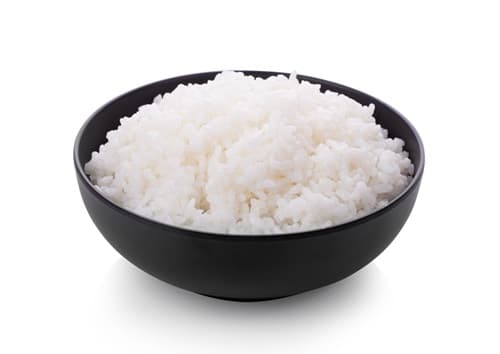
Rice is among the most widely consumed staple foods on the planet, feeding more than half the world's population on a daily basis. Whether it forms the base of a traditional Indian thali, a Japanese bento, a Middle Eastern pilaf, or a simple home-cooked meal, rice holds an irreplaceable position in global cuisine. Yet despite its ubiquity, many people remain surprisingly unfamiliar with what rice actually delivers in terms of nutrition. Understanding the rice nutritional value per 100g is essential for anyone trying to manage their calorie intake, balance macronutrients, or make more informed food decisions. Rice is primarily a carbohydrate-rich food, but it also contains modest amounts of protein, very little fat, and a range of important micronutrients including B vitamins, magnesium, phosphorus, and manganese. The type of rice you choose — white, brown, red, or black — significantly affects its nutritional profile and health benefits. This article breaks down exactly what rice contains per 100 grams, compares different varieties, and helps you understand how rice fits into a balanced, health-conscious diet.
Understanding Rice: Types and Their Nutritional Differences
Not all rice is created equal. The nutritional differences between white rice and brown rice, for example, are substantial. White rice undergoes milling and polishing that strips away the outer bran and germ layers, leaving primarily the starchy endosperm. This process removes a significant portion of the fiber, vitamins, and minerals naturally present in the grain. Brown rice, on the other hand, retains its bran and germ, making it a whole grain with a richer nutritional profile, including higher fiber, B vitamins, and essential minerals. Other varieties like red rice and black rice contain additional phytonutrients and antioxidants such as anthocyanins, which give them their distinctive colors and added health benefits.
Basmati rice and jasmine rice, both long-grain aromatic varieties, tend to have slightly lower glycemic indices than short-grain white rice, making them somewhat better choices for blood sugar management. Parboiled rice, which is partially boiled in the husk before milling, retains more of its nutritional content than standard white rice. Understanding these distinctions is the first step in using rice wisely as part of your dietary pattern.
Rice Nutritional Value per 100g: A Detailed Breakdown
White Rice (Cooked) — Nutritional Values per 100g
Cooked white rice per 100g contains approximately 130 calories, 28 grams of carbohydrates, 2.7 grams of protein, and less than 0.3 grams of fat. It provides trace amounts of iron, calcium, and B vitamins — primarily thiamine and niacin — though these are often added back through enrichment after the milling process removes them naturally.
Brown Rice (Cooked) — Nutritional Values per 100g
Brown rice is notably superior in fiber content, providing approximately 1.8 grams per 100g compared to white rice's 0.4 grams. Its higher fiber helps slow digestion, promotes satiety, and supports healthy blood sugar levels. Brown rice also contains significantly more magnesium, phosphorus, and manganese — minerals essential for bone health, energy metabolism, and antioxidant defense systems. It is a smart dietary upgrade for those focused on long-term health and metabolic wellbeing.
Macronutrient Profile of Rice
Carbohydrates: The Primary Energy Source
The dominant macronutrient in rice is carbohydrates, and this is by design — rice is an energy-dense staple food intended to fuel physical activity and daily life. In 100g of cooked white rice, carbohydrates account for approximately 28 grams, predominantly in the form of starch. These starches are rapidly broken down into glucose, providing quick energy. The glycemic index (GI) of white rice ranges from 64 to 72, which is considered moderate to high, meaning it raises blood sugar fairly quickly. Brown rice has a lower GI (around 50-55), making it a more favorable choice for people managing blood sugar or following a low-GI diet.
Protein Content of Rice
While rice is not considered a high-protein food, it does contribute some protein to the diet. Per 100g of cooked white rice, you get about 2.7 grams of protein. Brown rice provides slightly less per 100g cooked, around 2.6 grams, though uncooked brown rice is significantly higher. Rice protein is considered incomplete, meaning it lacks some essential amino acids, particularly lysine. However, when combined with legumes such as lentils or beans — as is common in many traditional cuisines — it forms a complete amino acid profile. For those interested in boosting their overall nutrition, pairing rice-based meals with wholesome wellness supplements like vitamin b12 gummies can help bridge nutritional gaps, particularly for those on plant-based diets.
Fat Content
Rice is naturally very low in fat, making it a suitable base for both weight management and heart-health-focused diets. White rice contains less than 0.3 grams of fat per 100g cooked, while brown rice contains about 0.9 grams — slightly higher due to the presence of the germ and bran layers, which contain small amounts of healthy oils and fatty acids.
Vitamins and Minerals in Rice
While rice is not a micronutrient powerhouse, it does contain several important vitamins and minerals, particularly in its whole-grain form. Brown rice is an excellent source of manganese, providing over 1 milligram per 100g cooked, which supports enzyme function, bone development, and antioxidant activity. It also provides meaningful amounts of magnesium, which plays roles in more than 300 enzymatic processes in the body including muscle function, nerve transmission, and blood pressure regulation.
B vitamins are present in both white and brown rice, though brown rice contains significantly higher levels. Thiamine (B1), niacin (B3), and pyridoxine (B6) are all found in brown rice and are important for energy metabolism and nervous system health. White rice is often enriched with iron and B vitamins to compensate for those lost during milling. For individuals whose diet is largely rice-based, supplementing with a broad-spectrum B-vitamin product such as Detox candy — which combines detoxification support with energy-boosting nutrients — may help maintain micronutrient sufficiency.
How Rice Fits Into a Balanced Diet
Rice is a versatile, affordable, and easily digestible food that can support a balanced diet when consumed thoughtfully. Its simplicity as a base food allows it to pair well with vegetables, lean proteins, and healthy fats, creating a nutritionally complete meal. Portion size is key — a standard serving of cooked rice is typically around 150 to 180 grams, providing roughly 200 to 230 calories from white rice. For those managing weight or blood sugar, opting for brown rice, controlling portion sizes, and combining rice with fiber-rich vegetables and lean protein sources can significantly improve its nutritional impact.
The glycemic impact of rice can also be modulated through preparation methods. Cooling cooked rice and then reheating it increases its resistant starch content, which functions similarly to dietary fiber, slowing glucose absorption and feeding beneficial gut bacteria. This is a simple, practical strategy for improving the functional nutritional quality of rice without changing the ingredient itself.
Comparing Rice Varieties: A Nutritional Snapshot
When comparing different rice types, the differences can be meaningful depending on your health goals. Basmati rice, particularly brown basmati, has one of the lower glycemic indices among common rice varieties, making it a preferred choice for those managing diabetes or insulin sensitivity. Red rice, rich in anthocyanins, offers antioxidant properties not found in white or standard brown rice. Black rice — sometimes called 'forbidden rice' — contains some of the highest antioxidant activity of any grain, along with higher protein and fiber compared to white rice. Wild rice, though technically a grass seed rather than true rice, delivers approximately 4 grams of protein per 100g cooked, making it the most protein-dense 'rice-like' grain commonly eaten.
Frequently Asked Questions
What is the nutritional value of rice per 100g?
Per 100g of cooked white rice, there are approximately 130 calories, 28g carbohydrates, 2.7g protein, and 0.3g fat. Brown rice per 100g cooked contains around 112 calories, 23g carbohydrates, 2.6g protein, and 0.9g fat, along with significantly more fiber and minerals.
How many calories are in rice per 100g?
Cooked white rice contains approximately 130 calories per 100g, while cooked brown rice contains around 112 calories per 100g. Uncooked rice has roughly 360-370 calories per 100g because it has not absorbed water. The calorie difference between varieties is relatively small, but nutrient density varies significantly.
How many carbs are in rice per 100g?
White rice (cooked) contains approximately 28 grams of carbohydrates per 100g, mainly as starch. Brown rice (cooked) contains around 23 grams of carbs per 100g, with a higher proportion coming from complex carbohydrates and fiber. The lower carbohydrate count in brown rice, combined with higher fiber, gives it a lower glycemic index.
How much protein does rice contain per 100g?
Rice provides modest protein — about 2.6 to 2.7 grams per 100g of cooked rice for both white and brown varieties. Uncooked rice contains more protein per 100g (around 6-7g) since cooking with water dilutes the concentration. Rice protein is incomplete but becomes complementary when paired with legumes or dairy.
Is rice high in carbohydrates and low in protein?
Yes, rice is carbohydrate-dominant. Approximately 85-88% of its calories come from carbohydrates, while protein accounts for about 8-10% and fat contributes very little. This makes rice a high-energy, easily digestible food — excellent as a fuel source but not a significant protein contributor on its own.
What is the difference between white rice and brown rice nutrition?
Brown rice is a whole grain that retains its bran and germ, giving it more fiber (1.8g vs 0.4g per 100g cooked), more magnesium, phosphorus, B vitamins, and antioxidants compared to white rice. White rice has more calories per 100g cooked and a higher glycemic index. The overall macronutrient difference is modest, but micronutrient and fiber differences are significant.
Is rice healthy to eat daily based on its nutritional value?
Rice can be part of a healthy daily diet when consumed in appropriate portions and balanced with other nutrient-dense foods. Choosing brown rice over white, controlling serving sizes, and pairing rice with vegetables, lean proteins, and healthy fats maximizes its dietary value. For populations with high rice consumption, ensuring adequate micronutrient intake through diverse foods or targeted supplementation is advisable.
Key Takeaways
• White rice (cooked) provides approximately 130 calories, 28g carbs, and 2.7g protein per 100g.
• Brown rice is nutritionally superior — offering more fiber, magnesium, manganese, and B vitamins than white rice.
• Rice is a carbohydrate-dominant food with very low fat content, suitable for energy-focused and low-fat diets.
• Cooling and reheating rice increases its resistant starch, which supports gut health and reduces glycemic impact.
• Pairing rice with legumes creates a complete amino acid profile, making it a nutritionally sufficient protein source.
• Brown basmati, red, and black rice offer additional nutritional benefits including antioxidants and lower glycemic impact.
• Portion control and balanced accompaniments are key to incorporating rice healthily into a daily diet.
Share this article: