
Hand Gripper: Benefits, Exercises, Uses, and Everything You Need to Know for Stronger Hands and Forearms
2026-06-17 • 5 min
Hand strength is often overlooked in fitness routines. Most people focus on building bigger arms, stronger legs, or a well-defined chest while ignoring one of the most important aspects of physical performance: grip strength. Whether you're lifting weights, playing sports, carrying groceries, working on a computer, or performing daily activities, your grip plays a crucial role.
This is where a hand gripper becomes valuable. Simple, affordable, and highly effective, a hand gripper can help improve hand strength, forearm endurance, finger control, and overall grip power.
In this guide, you'll learn everything about the hand gripper, including its benefits, uses, exercises, training methods, common mistakes, and how to get the best results from your workouts.
What Is a Hand Gripper?
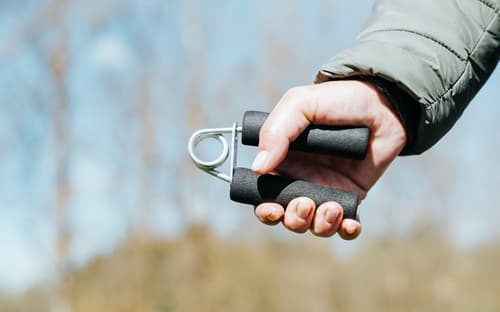
A hand gripper is a compact exercise tool designed to strengthen the muscles of the hands, fingers, wrists, and forearms. It usually consists of two handles connected by a spring mechanism. When you squeeze the handles together, resistance is created, forcing your muscles to work.
Hand grippers come in various resistance levels, ranging from beginner-friendly models to professional-grade grippers used by athletes and strength enthusiasts.
The primary purpose of a hand gripper is to develop:
Grip strength
Finger strength
Hand endurance
Wrist stability
Because of their portability, hand grippers can be used almost anywhere, making them one of the most convenient fitness tools available.
Why Grip Strength Matters
Many people underestimate the importance of grip strength until they struggle with tasks such as:
Opening jars
Carrying heavy bags
Holding weights during workouts
Playing sports
Climbing
Typing for extended periods
A stronger grip improves performance in both athletic and everyday activities.
Research has even shown that grip strength can be an indicator of overall physical health and functional fitness.
Uses of Hand Gripper
The uses of hand gripper extend far beyond building stronger hands.
1. Improving Grip Strength
The most obvious use is increasing crushing grip strength, which helps in lifting, pulling, and carrying tasks.
2. Building Forearm Muscles
Regular hand gripper training stimulates the muscles of the forearm, leading to improved strength and muscular development.
3. Enhancing Sports Performance
Athletes involved in:
Tennis
Cricket
Golf
Wrestling
Rock climbing
Martial arts
can benefit significantly from stronger grip and forearm control.
4. Supporting Weight Training
Deadlifts, rows, pull-ups, and shrugs often become limited by grip strength before larger muscles become fatigued.
Using a hand gripper helps overcome this weakness.
5. Rehabilitation and Recovery
Many physiotherapists recommend controlled grip exercises to help restore hand function after injuries.
6. Improving Hand Endurance
Hand grippers help develop endurance, allowing hands to maintain force for longer periods.
Hand Gripper Benefits
There are numerous hand gripper benefits that make this simple tool worth adding to your fitness routine.
1. Increased Grip Strength
One of the biggest benefits of hand gripper training is stronger grip power.
A stronger grip improves:
Pull-ups
Deadlifts
Rows
Farmers walks
Sports performance
The stronger your hands become, the more efficiently you can perform various physical activities.
2. Stronger Forearms
Many people search for a forearm gripper because they want bigger and stronger forearms.
While hand grippers primarily target the hands, they also heavily engage the forearm flexor muscles.
Over time, consistent training can lead to noticeable forearm development.
3. Better Athletic Performance
Athletes often depend on hand strength for performance.
Examples include:
Holding a tennis racket
Gripping a cricket bat
Controlling a golf club
Maintaining holds in wrestling
Climbing walls and ropes
Improved grip translates directly into better control and performance.
4. Improved Muscle Endurance
Hand gripper exercises train muscles to resist fatigue.
This endurance helps during:
Long workouts
Sports competitions
Manual labor
Repetitive hand tasks
5. Enhanced Wrist Stability
Strong hands and forearms contribute to better wrist stability.
This reduces the risk of strain during:
Weightlifting
Sports
Everyday activities
6. Increased Functional Strength
Functional strength refers to strength that helps in real-life situations.
Examples include:
Carrying luggage
Holding shopping bags
Moving furniture
Opening tight containers
Regular hand gripper training improves your ability to perform these tasks with ease.
7. Portable and Convenient
Unlike large gym equipment, a hand gripper fits into your pocket.
You can use it:
At home
In the office
While traveling
During breaks
This convenience makes it easier to stay consistent.
8. Better Mind-Muscle Connection
Hand gripper workouts improve neuromuscular coordination.
Over time, you gain better control over finger, hand, and forearm movements.
Muscles Worked by a Hand Gripper
Many people think a hand gripper only works the hands.
In reality, it targets several muscles:
Forearm Flexors
Responsible for closing the hand and gripping.
Forearm Extensors
Help stabilize wrist movement.
Finger Flexors
Generate squeezing power.
Thumb Muscles
Support grip stability.
Wrist Stabilizers
Assist in maintaining control during movement.
This combination makes the hand gripper an excellent tool for comprehensive grip development.
Best Hand Gripper Exercises
To maximize results, include different hand gripper exercises rather than simply squeezing repeatedly.
1. Standard Squeeze
The most basic exercise.
How to Perform
Hold the hand gripper comfortably.
Squeeze handles together.
Pause briefly.
Slowly release.
Sets and Reps
3–4 sets
10–20 repetitions
This exercise develops overall grip strength.
2. Hold and Crush
How to Perform
Squeeze handles fully.
Hold for 10–30 seconds.
Release slowly.
Benefits
Improves grip endurance
Builds static strength
3. Negative Repetitions
How to Perform
Close the gripper using both hands.
Remove one hand.
Slowly resist the opening movement.
Benefits
Develops maximum strength
Improves control
4. Timed Holds
How to Perform
Squeeze gripper closed.
Hold for as long as possible.
Benefits
Builds endurance
Increases grip stamina
5. Finger Pulses
How to Perform
Squeeze the gripper halfway.
Perform small controlled pulses.
Benefits
Improves finger strength
Enhances muscular control
6. Single-Hand Maximum Squeeze
How to Perform
Use a higher resistance gripper.
Perform powerful single repetitions.
Benefits
Builds explosive grip power
Develops crushing strength
Beginner Hand Gripper Workout
If you're new to grip training, start with this routine:
Day 1
Standard Squeeze: 3 × 15
Hold and Crush: 3 × 20 seconds
Day 2
Rest
Day 3
Standard Squeeze: 4 × 12
Timed Hold: 3 sets
Day 4
Rest
Day 5
Standard Squeeze: 3 × 20
Finger Pulses: 3 × 15
Weekend
Light recovery work
This routine helps build a strong foundation.
Advanced Hand Gripper Workout
For experienced users:
Strength Focus
Heavy Gripper: 5 × 5
Negative Reps: 4 × 6
Timed Holds: 4 × 30 seconds
Endurance Focus
Standard Squeezes: 4 × 25
Hold and Crush: 4 × 45 seconds
Finger Pulses: 3 × 30
Hand Gripper for Forearm Development
Many people specifically look for a forearm gripper to build thicker forearms.
While genetics influence forearm size, hand grippers can help stimulate growth when combined with:
Wrist curls
Reverse curls
Farmer's walks
Dead hangs
Using a hand gripper consistently increases muscle activation throughout the forearm.
How Often Should You Use a Hand Gripper?
The ideal frequency depends on your goals.
Beginners
3–4 times per week
Intermediate Users
4–5 times per week
Advanced Users
5–6 times per week with proper recovery
Avoid excessive daily training with high resistance, as the hand muscles also require recovery.
Common Mistakes to Avoid
Using Too Much Resistance
Starting with a gripper that is too difficult can lead to poor form and frustration.
Choose a manageable resistance level.
Training Every Day Without Recovery
Muscles grow during recovery, not during training.
Allow adequate rest between intense sessions.
Ignoring Hand Position
Proper alignment improves effectiveness and reduces strain.
Keep wrists neutral.
Only Training One Hand
Always train both hands equally to maintain balance.
Rushing Repetitions
Slow and controlled repetitions provide better results than rapid squeezing.
Can Hand Grippers Increase Muscle Size?
Yes, but with realistic expectations.
Hand grippers primarily improve:
Strength
Endurance
Neuromuscular efficiency
However, consistent training can also contribute to forearm hypertrophy, especially when combined with other resistance exercises.
Are Hand Grippers Good for Weightlifters?
Absolutely.
One of the most important uses of hand gripper training is improving performance in weightlifting.
Benefits include:
Better deadlift grip
Stronger pull-ups
Improved rowing exercises
Enhanced barbell control
Many lifters find that stronger grip strength allows them to lift heavier weights overall.
Hand Gripper for Office Workers
Office professionals spend hours typing and using computers.
Hand gripper exercises can:
Improve circulation
Strengthen fingers
Reduce hand fatigue
Enhance grip endurance
When used in moderation, they can be a useful addition to a healthy work routine.
Choosing the Right Hand Gripper
When selecting a hand gripper, consider:
Adjustable Resistance
Ideal for beginners and progression.
Comfortable Handles
Prevent discomfort during training.
Durable Spring Mechanism
Ensures long-term performance.
Appropriate Resistance Level
Choose resistance that challenges you while allowing proper technique.
Frequently Asked Questions
Is hand gripper good for beginners?
Yes. It is one of the simplest and safest tools for developing grip strength.
How long does it take to see results?
Most users notice improvements in grip strength within 2–4 weeks of consistent training.
Can I use a hand gripper every day?
Light training can be done daily, but intense sessions should include recovery days.
Does hand gripper reduce belly fat?
No. Hand grippers strengthen the hands and forearms but do not specifically burn belly fat.
Is a hand gripper useful for athletes?
Yes. Athletes across many sports use grip training to improve performance and control.
A hand gripper may be small, but its impact on strength and performance can be significant. Whether your goal is building stronger hands, developing powerful forearms, improving athletic performance, or enhancing everyday functionality, regular grip training can deliver impressive results.
The key hand gripper benefits include increased grip strength, improved endurance, stronger forearms, better sports performance, enhanced wrist stability, and greater functional fitness. By incorporating a variety of hand gripper exercises into your routine and using proper progression, you can steadily improve both strength and endurance.
If you're looking for an affordable fitness tool that offers substantial value, a hand gripper is one of the best investments you can make. Start with manageable resistance, stay consistent, and you'll soon experience the many benefits of hand gripper training for yourself.
Frequently Asked Questions (FAQs) About Hand Grippers
What is a hand gripper and how does it work?
A hand gripper is a compact fitness tool designed to strengthen the muscles in your hands, fingers, wrists, and forearms. It works by providing resistance when you squeeze its handles together, helping improve grip strength and endurance over time.
What are the main benefits of a hand gripper?
The key hand gripper benefits include stronger grip strength, improved forearm development, better hand endurance, enhanced sports performance, increased wrist stability, and improved ability to perform everyday tasks that require hand strength.
Can a hand gripper help build forearm muscles?
Yes. While a hand gripper primarily targets grip strength, it also activates the forearm muscles responsible for finger and wrist movement. Consistent training can contribute to stronger and more defined forearms.
How often should I use a hand gripper?
Beginners can use a hand gripper 3–4 times per week, performing 2–4 sets of 10–20 repetitions. More advanced users may train more frequently, but recovery is important to avoid overtraining the hand and forearm muscles.
Is a hand gripper useful for athletes and gym-goers?
Absolutely. Hand grippers can improve performance in activities such as weightlifting, rock climbing, tennis, cricket, golf, wrestling, and martial arts by increasing grip strength, control, and endurance.
How long does it take to see results from hand gripper exercises?
Most people notice improvements in grip strength within 2–4 weeks of consistent training. Visible forearm development may take longer, depending on workout intensity, nutrition, and individual genetics.
Can I use a hand gripper every day?
Light grip training can be done daily, but intense sessions with high resistance should be limited to a few times per week. Giving your muscles time to recover helps maximize strength gains and reduces the risk of overuse injuries.
Share this article: