
Body Pain Relief Is Changing: Why Natural Options Like Reset Are Gaining Attention
2026-05-06 • 4 min
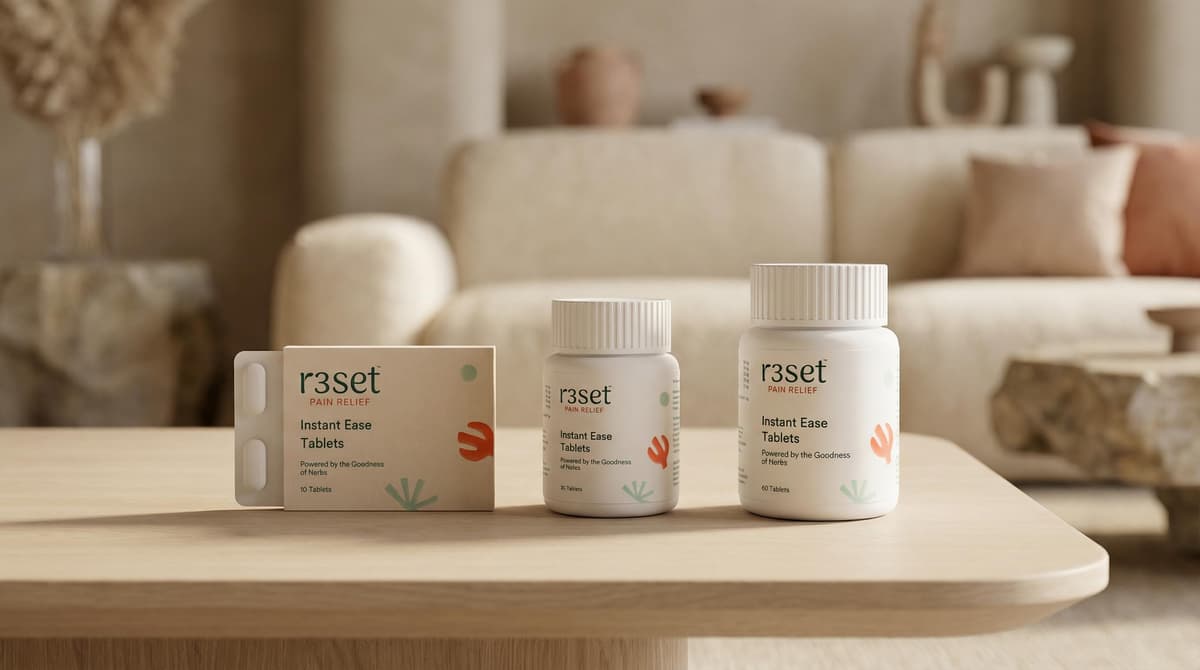
For decades, the first response to body pain in most households was to reach for a tablet. A long day, a sore back, a stiff neck, a tough workout — the assumption was that an oral painkiller was the fastest, most reliable way forward. That assumption is quietly shifting. Conversations around the cumulative impact of regular oral medication, the widening evidence base for plant-based topical alternatives, and the growing desire for gentle, daily-use solutions have moved natural pain relief from the margins of the wellness conversation to its centre. People searching for the best tablet for body pain in india or the best pain killer tablet for body pain are, increasingly, also searching for alternatives — not to replace medicine entirely, but to avoid depending on it for the everyday soreness that modern life routinely produces. This piece looks at the reasons behind that shift, the science supporting natural relief, where products like Reset fit into the picture, and how to build a balanced approach to managing body pain over the long term.
Why the Conversation Around Body Pain Relief Is Shifting
The traditional body pain tablet has not disappeared, and for good reasons — in specific scenarios it remains the appropriate choice. But the assumption that oral medication should be the default response to every kind of discomfort is weakening. Three factors are driving that change.
Awareness of Long-Term Trade-Offs
Non-steroidal anti-inflammatory drugs, the most common oral pain relief tablets, are effective but come with well-documented long-term concerns when used frequently. Gastric irritation, ulcers, kidney strain, and cardiovascular considerations are all on record. For mild, frequent, everyday discomfort, this trade-off is increasingly viewed as disproportionate. People living actively into their sixties, seventies, and beyond are particularly motivated to find gentler options that will not compromise organ health over years of use.
A Stronger Evidence Base for Natural Alternatives
A decade ago, natural pain relief was associated more with tradition than with rigorous research. That has changed. Menthol, camphor, methyl salicylate, turmeric-based compounds, and several essential oils now have substantial peer-reviewed literature supporting their role in localised pain management. Formulation science has also matured, meaning that today’s natural products deliver consistent concentrations of actives in well-designed bases — a different category of product from the hand-made remedies of the past. Options like the herbal Instant Ease Tablets, which combine traditional botanicals in a modern tablet format, reflect this newer generation of natural pain relief.
Consumer Preference for Daily-Usable Solutions
The third driver is simple: people want products they can use every day without anxiety. The Deep Penetrating Pain Relief Spray, for instance, can be reached for after a long commute, a workout, or a stiff morning, offering a non-touch application that fits into hurried routines. None of these introduce the internal side-effect calculus that comes with repeated oral dosing, which makes them psychologically easier to integrate into regular life.
What Natural Pain Relief Actually Means
"Natural" is a frequently overused word. In the context of serious pain relief products, it should mean something specific: formulations built around plant-derived or naturally occurring actives with evidence supporting their role in reducing pain, combined with clean bases that avoid unnecessary synthetic fillers, harsh fragrances, or known skin irritants. It does not mean ineffective or weak, and it does not mean exclusively herbal. The best natural pain relief today combines traditional botanicals with modern formulation standards.
Well-Studied Natural Actives
Menthol activates cold-sensing receptors in skin, producing a cooling effect that reduces pain perception. Camphor acts as a counterirritant, generating gentle warmth that stimulates circulation. Methyl salicylate, derived originally from wintergreen, has genuine analgesic properties and reduces inflammatory chemical signals at the application site. Eucalyptus, clove, and ginger oils add antioxidant and mild anti-inflammatory support. Used together at appropriate concentrations, these ingredients produce consistent, measurable relief for a wide range of everyday musculoskeletal complaints.
Natural Topicals vs Oral Painkillers: A Practical Comparison
Where Body Pain Tablets Still Make Sense
The shift toward natural relief is not a rejection of oral medication. There are clear scenarios where a body pain killer tablet remains the right choice: acute severe pain, pain after a significant injury, fever-accompanying body ache, post-surgical recovery, and pain from systemic illness. In these cases, oral medication provides the systemic effect that topical products cannot match. The goal is not to avoid tablets entirely but to stop reaching for them automatically when a gentler, more targeted option would do the job. Used thoughtfully in their appropriate context, both oral and topical products have a place.
When to Combine Approaches
There are also situations where combining approaches makes sense under medical guidance. Someone recovering from a sports injury might take a short course of prescribed medication while also using topical relief for symptomatic management during the day. A person managing chronic lower back pain might use oral medication during flare-ups while relying on topical products for daily maintenance. Coordinating with a healthcare professional ensures that the combination is safe and effective rather than contradictory.
Building a Natural Pain Relief Routine That Actually Works
Products alone do not solve pain; they support bodies that are set up to recover. A structured approach delivers results that no single product, natural or otherwise, can match on its own.
Movement as Medicine
Regular, moderate movement is the most underrated natural pain intervention. Walking, swimming, cycling, and gentle strength training improve circulation, maintain joint mobility, and strengthen the postural muscles that prevent tension from building in the first place. Even ten minutes of movement between long sitting periods significantly reduces the accumulation of daily stiffness.
Sleep and Recovery
Deep sleep is when the body does most of its repair work. Growth hormone release, tissue regeneration, and nervous system reset all happen during overnight rest. Chronic sleep debt elevates pain sensitivity, prolongs muscle soreness, and undermines the benefits of any pain relief intervention — natural or otherwise. Seven to nine hours of quality sleep remains one of the most powerful pain management tools available.
Nutrition and Hydration
Adequate protein supports muscle repair, omega-3 fats help regulate inflammation, and sufficient water maintains joint lubrication and metabolic efficiency. Anti-inflammatory foods such as leafy greens, berries, turmeric, and fatty fish support the body’s ability to manage the low-grade inflammation that underlies much chronic musculoskeletal discomfort.
Strategic Use of Topical Products
Within this foundation, topical products shine. A morning application for overnight stiffness, a midday application for accumulated desk tension, and an evening application for post-activity soreness form a rhythm that most active adults can sustain comfortably and that produces genuine, measurable benefits over weeks of consistent use.
Reset’s Place in the New Pain Relief Landscape
Reset is designed for exactly this shift. Its formulations use transparent, evidence-based plant-derived actives at sensible concentrations. Its range includes the formats people actually need across different situations, from creams for large muscle groups to gels for joints, sprays for hard-to-reach areas, and tablets for broader body-wide relief. The common thread is a commitment to products that can be used comfortably and consistently over time, without the compromises of frequent oral dosing. For anyone ready to move beyond the default of reaching for a tablet every time their body protests, Reset offers a credible, well-formulated alternative that fits naturally into daily life.
Frequently Asked Questions
Why are natural pain relief options becoming more popular today?
The shift toward natural pain relief reflects several overlapping trends. People are increasingly informed about the long-term side effects of frequent oral painkiller use, including gastric irritation, kidney strain, and cardiovascular considerations, especially for those managing daily discomfort over many years. At the same time, research on plant-based actives such as menthol, camphor, and traditional botanicals has matured, giving natural alternatives a stronger evidence base than they had a decade ago. Consumers also want solutions they feel comfortable using regularly without anxiety about cumulative harm. Natural pain relief products meet this demand by offering gentler, targeted approaches that integrate into daily routines without the systemic trade-offs of chronic oral medication.
How do natural remedies help in managing body pain?
Natural pain remedies typically work through three mechanisms. Topical plant-based compounds such as menthol and camphor interact with sensory receptors to reduce perceived pain while supporting local blood flow. Anti-inflammatory botanicals like turmeric, ginger, eucalyptus, and clove help reduce the chemical signals that keep tissue irritated. Lifestyle-based approaches — gentle movement, stretching, proper hydration, sleep, and stress management — address the underlying conditions that make the body prone to recurring pain. Combined, these strategies do not just mask discomfort; they support the body’s natural recovery processes. This makes natural remedies particularly useful for everyday soreness, tension-based pain, and mild to moderate musculoskeletal discomfort.
What are the benefits of choosing natural pain relief over traditional painkillers?
The primary benefit is a gentler long-term profile. Traditional oral painkillers such as non-steroidal anti-inflammatory drugs can cause gastric irritation, ulcers, kidney strain, and cardiovascular concerns with frequent or prolonged use. Natural topical options act locally and do not pass through the digestive or renal systems, which makes them safer for daily or long-term use. They also tend to be better tolerated by older adults and those with sensitive stomachs. Additionally, natural products often combine multiple complementary mechanisms — cooling, warming, circulation support, and mild anti-inflammatory action — rather than relying on a single pharmacological pathway, which can lead to a smoother, more balanced relief profile without sharp side effects.
Can natural pain relief options provide effective and long-lasting results?
Yes, particularly for everyday musculoskeletal discomfort, post-exercise soreness, tension-based pain, and mild chronic stiffness. The results may not arrive as aggressively as those from a strong oral painkiller, but they are typically more sustainable over weeks and months of regular use. Long-lasting outcomes depend on combining topical natural relief with supportive habits — adequate movement, good sleep, hydration, stretching, and attention to posture. Natural products address symptoms while supporting the environment the body needs to heal. For acute severe pain, major injury, post-surgical recovery, or pain from systemic disease, however, natural options alone are not sufficient, and appropriate medical treatment should be prioritised.
Who should consider using natural alternatives for body pain relief?
Natural alternatives are well suited to a broad range of people. Active adults managing post-exercise soreness, desk workers dealing with postural tension, older adults who want to avoid long-term oral painkillers, those with gastric sensitivities or kidney concerns, and anyone managing mild recurring muscle or joint discomfort can benefit. Parents, caregivers, and individuals in physically demanding jobs often value the ability to reapply topical relief throughout the day without the trade-offs of repeated oral dosing. That said, natural does not automatically mean universally safe. Pregnant women, young children, individuals with skin conditions, and those on certain medications should consult a healthcare professional before starting any regular topical routine.
How does Reset fit into modern natural pain relief solutions?
Reset is built around the criteria that define good natural pain relief today — transparent ingredient lists, evidence-based plant-derived actives, sensible concentrations, a base that absorbs cleanly, and formats designed for the situations people actually encounter. Rather than offering a single product and expecting it to work everywhere, the Reset range acknowledges that pain shows up in different forms: stiff shoulders from screen work, sore lower backs from sitting, joint tightness from running, muscle fatigue after a workout. By offering targeted formats — creams, gels, sprays, and tablets — Reset meets those scenarios with appropriate solutions while maintaining a consistent ingredient philosophy focused on gentle, everyday relief without the compromises of systemic medication.
Are natural pain relief products safe for regular use?
For most healthy adults, quality natural topical pain relief products are safe for regular use when applied according to label instructions. The key safeguards are sticking to the recommended frequency, applying only to intact skin, avoiding combination with occlusive wraps or heat sources unless specifically instructed, and conducting a patch test before first use if skin sensitivity is a known concern. Long-term regular use is generally well tolerated, particularly compared to the safety profile of oral pain medications used over the same timeframe. Anyone with known allergies to plant ingredients such as menthol, camphor, or essential oils, and anyone with ongoing medical conditions, should review the product with a healthcare professional before establishing a daily routine.
Key Takeaways
• Natural pain relief is gaining traction because consumers want effective solutions without the long-term systemic risks of frequent oral painkiller use.
• Topical natural products work locally through cooling, warming, circulation support, and anti-inflammatory mechanisms, avoiding strain on the stomach and kidneys.
• Plant-based actives such as menthol, camphor, eucalyptus, and clove now have a meaningful evidence base supporting their role in everyday muscle and joint care.
• Natural options are most effective when paired with foundational habits — movement, sleep, hydration, stretching, and stress management.
• A range of formats — creams, gels, sprays, and tablets — allows people to match their product to the situation rather than relying on one-size-fits-all.
• Severe, acute, or persistent pain still warrants professional medical evaluation; natural relief is not a substitute for appropriate clinical care.
• Reset reflects the modern direction of natural pain relief: transparent ingredients, targeted formats, and formulations designed for sustained daily use.
Share this article: