
Complete Guide to Forearm Workouts: Build Stronger Arms
2026-03-14 • 5 min
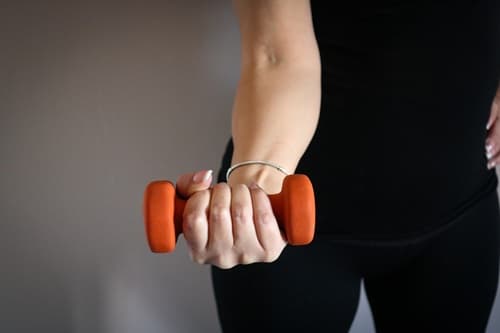
Do you ever feel like your grip is weak or slipping away? That’s because forearms do more than make your arms look complete. They make upper-body movement feel better, including grip, stabilizing wrist, and elbows. So, next time when you can not hang on a bar for long or grip fails during deadlift, know that it's not a strength problem but a forearm issue.
Let’s break down the forearm workouts you can perform at home, with, or without weights. But before that, it is essential to understand forearm muscles, their functions, and benefits. Also, it is important to ensure recovery as exercises for forearms without rest are not effective.
Forearm Muscle Functions
The forearm is a dense group of muscles that controls wrist, hand, and finger movements. Together, the muscles control:
· Wrist flexion: Bending the wrist forward.
· Wrist extension: Bending the wrist back.
· Pronation and Supination: Arm rotation.
· Finger Flexion: Commonly called grip. It is useful in holding, supporting, crushing, pinching, or lifting.
· Wrist Stability: Keeping the wrist from collapsing under load.
The best forearm workouts aren’t just the pulling movements. In fact, to improve your grip strength, wrist endurance, and visible development, it’s important to train all of these functions.
Benefits of Forearm Workouts
Training forearms isn’t cosmetic. It's about performance and joint health, with aesthetics as a bonus. Besides making you look sharp, forearm exercises affect joint health, performance, and everyday chores.
1. Stronger Grip: If you want to do an exercise effectively, maintaining a strong grip is essential. So, to target any muscle, training the forearm becomes critical.
2. Better Wrist Control: Another benefit of forearm exercises is stable wrist control that reduces strain while working out or lifting weights.
3. Lifting Power: The more you train your forearms, the more the lifting power increases in exercises such as deadlifts, rows, and pull-ups.
4. Everyday Functionality: Carrying bags, opening jars, typing, and everything we do in our daily lives need forearm strength.
5. Lower Risk of Discomfort: Ever had a stiff elbow or a tight bicep? Well, balanced forearm exercises can help reduce it.
Guide to Forearm Workouts
Plan your exercise schedule and fit the best forearm workouts at least twice a week to get the desired results. Always switch the exercises, perform 3 sets, 10-12 reps each, so it trains all the muscles. Now let’s see how to work out forearms and what forearm exercises you can do at the gym with weights, without weights, or at home.
Forearm Exercises With Dumbbells
You can perform classic gym-style exercises for forearms using dumbbells, barbells, kettlebells, cables, or plates. Not to forget, these promises to bring the most results. Also, always remember to pick a weight your body can handle. But not too light that it doesn’t challenge your muscles.
1. Dumbbell Wrist Curls
Dumbbell wrist curls can be done with the palm down and the palm up. Either way, it helps build big forearms, encourages stronger wrists, and builds grip strength.
How to Perform:
· Rest your forearm on a bench or thigh
· Hang your wrist
· Hold the dumbbell with your palms down; then repeat with palms up.
· Curl the wrist up and down gently.
2. Behind-the-Back Barbell Wrist Curls
This forearm exercise builds, strengthens, increases the flexibility of the forearm flexors, wrists, and eases muscle tension.
How to Perform:
· Hold a barbell behind your lower body
· With your palms facing upward, grab the rod
· Raise or curl the barbell using wrist and squeeze.
3. Hammer Curls
Hammer curls support heavy pulling by adding thickness to the arms, reducing wrist strain, increasing grip strength, and helping develop the biceps.
How to Perform:
· Stand with feet shoulder-width apart
· Hold dumbbells with a neutral grip with palms facing each other
· Keep elbows stable and chest up
· Slowly curl the weight without swinging
4. Farmer’s Walk
Often known as a farmer’s carry, it is probably one of the best exercises for forearms. It boosts grip strength, posture, core stability, and shoulder strength.
How to Perform:
· Grab heavy weights
· Stand with a straight back and tight core
· Walk with controlled steps while keeping the position intact.
5. Plate Pinches
Another one of the best forearm workouts is plate pinches, which builds grip strength, finger dexterity, and forearm endurance for functional tasks. Also, it increases bone density.
How to Perform:
· Pick one or two weight plates; smooth sides out
· Stand straight with your shoulders aligned and your core braced
· Pinch as hard as possible without curling fingers.
· Hold for 30–60 seconds or walk slowly while holding the plates.
Forearm Exercises With Machines
If you’re wondering how to work out forearms without dumbbells, we’ve got you covered. No weights doesn’t mean no stimulus. In fact, if you are a beginner or recovering from an injury, these forearm workouts work great for grip endurance, wrist, and joint stability.
1. Dead Hangs
Dead hangs significantly increase grip strength, shoulder mobility, and boost upper body endurance by opening tight muscles and promoting better posture.
How to Perform:
· Hang from a bar
· Arm straight, shoulders stretched, ribs down
· Keep legs straight or slightly bent
· Hang for 15-45 seconds each time
2. Pull-ups
Pull-ups are known to build upper-body strength, improve grip, enhance posture, increase overall muscle mass, and boost cardiovascular fitness.
How to Perform:
· Grab a bar wider than shoulder-width with palms facing away
· Engage your core and glutes
· Pull your shoulder blades up toward the bar at chin level
· Come back slowly
3. Cable Wrist Curls
This exercise can be done with the palm down and the palm up. It targets the flexors and extensors, respectively. This aids in building forearm strength and endurance. In addition, it helps improve grip strength and overall arm stability.
How to Perform:
· Attach a straight bar to a low pulley
· Sit on a bench facing the machine and rest your forearms on your thighs
· Hold the bar with your palm facing up/ down while locking the elbows
· Curl the wrist up toward your biceps, hold, and release
4. Cable Wrist Roller
Another machine forearm workout is the cable wrist roller that enhances grip strength and prevents possible injury by improving muscle endurance.
How to Perform:
· Again, stand facing a low-pulley cable machine
· Hold the bar while keeping the feet shoulder-width apart
· Extend both arms forward
· Roll the cable up by twisting your wrists until the weight is at the top
Forearm Exercises At Home
Forearm exercises at home are more convenient than you can think. All you need are a few items already available at home. You can easily do these in 5 minutes. After all, the key is consistency.
1. Forearm squeeze
You need grippers or balls for this forearm workout. Like every other activity, it works for grip and stability. Not to forget, it enhances the aesthetics by improving forearm muscle definition
How to Perform:
· Grab a gripper or a soft ball
· Squeeze tightly and hold for 5 seconds
· Repeat
2. Fingertip Push-up
As the name suggests, it increases your finger strength along with your wrist. At the same time, it offers chest, shoulder, and triceps benefits.
How to Perform:
· Get into a push-up position
· Switch your hands to fingertips only
· Keep your core tight and fingers slightly bent
· Hold for 15-30 seconds
3. Shoulder Tap Plank
Shoulder taps are one of the full-body exercises, working for forearms, quads, glutes, shoulders, and core.
How to Perform:
· Get into a high plank position and tighten your core
· Lift your left hand from the ground and touch your right shoulder
· Return to the plank position
· Lift your right hand from the ground and touch your left opposite shoulder
· Repeat
4. Fingertip Hold
If you can’t perform fingertips pushups, try with a fingertips hold. It improves grip, wrist, and forearm strength while preparing the body for advanced movements.
How to Perform:
· Maintain a push-up position
· Replace your palms with fingers
· If this gets difficult, place your knees on the ground as well
· Hold for 15-30 seconds
Recovery Tips
1. Give at least 48 hours of recovery time after a heavy forearm session
2. Do gentle wrist and finger stretching to release stiffness.
3. Massage the wrist and forearm with a yoga oil to loosen up the muscles.
4. Train extensors and flexors both to balance the muscles.
5. Use a skin care oil to ensure moisture, as weight lifting can make your hands dry, which can change how you grip and load.
6. Deload the weight if you’re feeling lingering ache, weaker grip, or pain in the inner elbow.
7. Get consistent and quality sleep. If this feels like a task, Ashwagandha gummies for anxiety might help with your wind-down routine.
8. Take enough protein, carbs, and nutrients throughout the day.
FAQs
1. How often should I do forearm workouts?
For better results, train your forearms at least 2 times a week if you’re a beginner, 4 if you already train heavily.
2. What are the best forearm workouts for size?
The best forearm workouts for size are wrist curls, reverse wrist curls, hammer curls, and farmer’s carries.
3. How do I build bigger forearms fast?
To build bigger forearms fast, start with enough weekly volume, progressive overload, and maintain consistency. Also, don’t forget to increase the weight or reps weekly.
4. Can I get results with forearm exercises at home?
Yes. Forearm squeeze, fingertip push-up, shoulder tap plank, and fingertip hold can build strength.
5. How long does it take to see forearm growth?
Depending on training, consistency, and nutrition, you will notice grip improvements within a month. However, visible changes take 2 months.
Share this article: