
12 Best Back Exercises in Gym for Strength, Width and Muscle
2026-09-04 • 4 min
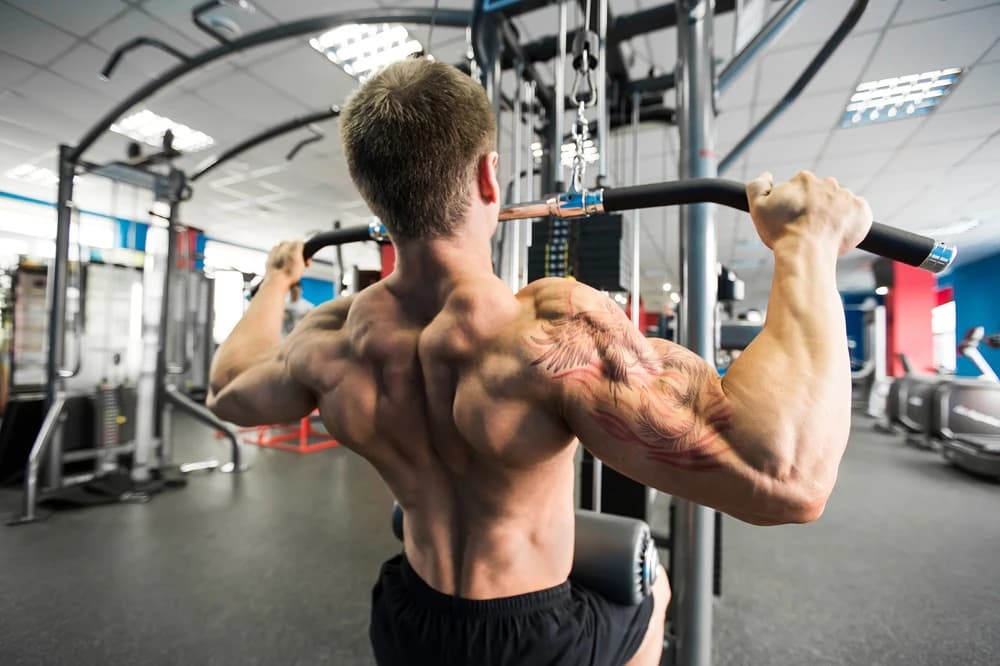
A well-developed back can change both how you look and how you perform in the gym. But effective back training is about much more than doing a few sets of lat pulldowns. Your back contains multiple muscle groups that contribute to pulling strength, shoulder movement, posture, stability and overall upper-body development.
The most effective back exercises in gym routines therefore include different movement patterns rather than relying on one exercise. Vertical pulls can help train the lats, horizontal rows challenge the middle and upper back, while hip-hinge movements involve the posterior chain and require the back to maintain stability.
Whether you have just started training or want to improve an existing routine, understanding what each movement actually trains can help you choose exercises more intelligently.
Understanding the Muscles You Train During Back Exercises
Before looking at the best back exercises in gym, it helps to understand that the back is not one single muscle.
Latissimus Dorsi
Commonly called the lats, these large muscles extend along the sides of the back. They play an important role in movements that bring the upper arm toward the body, such as pulldowns and pull-ups. Well-developed lats contribute significantly to the appearance of back width.
Trapezius
The trapezius extends across the upper and middle back. Its different regions contribute to movements and stabilization of the shoulder blades. Rows, shrugs and several compound pulling exercises involve the traps.
Rhomboids
Located between the shoulder blades, the rhomboids assist in drawing the shoulder blades toward each other. Rowing movements commonly involve these muscles.
Erector Spinae
These muscles run alongside the spine and help maintain and control spinal position. They work particularly hard during exercises such as deadlifts and other hip-hinge movements.
Rear Deltoids
Although technically part of the shoulders, the rear deltoids are involved in many pulling exercises and contribute to the appearance and function of the upper back.
Understanding these areas explains why all back exercises in gym do not produce exactly the same training stimulus.
Best Back Exercises in Gym
There is no single exercise that trains every part of the back equally. A balanced workout usually combines several movements that challenge the back from different angles.
Here are some of the most useful exercises to consider.
1. Lat Pulldown
The lat pulldown is one of the most recognizable back exercises in gym and can be useful for beginners as well as experienced lifters.
Main muscles involved: Lats, upper back and biceps
How to Perform It
Sit securely at the machine and position your thighs under the pads. Take a comfortable grip on the bar and keep your torso controlled. Pull the bar toward your upper chest while bringing your elbows downward. Allow the bar to return gradually rather than letting the weight pull your arms upward suddenly.
Why Include It?
The adjustable resistance makes the lat pulldown easy to progress gradually. It can also help develop the pulling strength needed for more demanding bodyweight exercises such as pull-ups.
2. Pull-Ups
Pull-ups require you to move your own body weight and are a challenging vertical pulling exercise.
Main muscles involved: Lats, upper back, biceps and forearms
Begin by hanging from a secure pull-up bar. Brace your body and pull yourself upward by driving your elbows down. Lower yourself under control until your arms return toward the starting position.
If standard pull-ups are currently too difficult, assisted pull-up machines or resistance bands can provide additional support.
3. Seated Cable Row
If vertical pulls emphasize one movement pattern, rows provide another. The seated cable row is particularly useful for training the middle back.
Main muscles involved: Lats, rhomboids, trapezius, rear deltoids and biceps
Sit upright with your feet supported and hold the attachment securely. Pull the handle toward your torso while keeping your movement controlled. Think about moving your elbows backward rather than simply pulling with your hands.
Avoid repeatedly leaning far backward to move heavier weight. Excessive momentum can shift attention away from the muscles you are trying to train.
4. Barbell Bent-Over Row
The bent-over row is a compound movement that can challenge a large portion of the back while also requiring considerable trunk stability.
Main muscles involved: Lats, traps, rhomboids, rear deltoids and spinal erectors
Stand with the bar securely in your hands and hinge at the hips. Maintain a stable torso while pulling the bar toward your lower chest or upper abdominal area. Lower it in a controlled manner.
Because maintaining position is important, technique should take priority over adding weight.
5. One-Arm Dumbbell Row
Among back exercises in gym with dumbbells, the one-arm dumbbell row is one of the easiest movements to incorporate into almost any routine.
Main muscles involved: Lats, rhomboids, traps, rear deltoids and biceps
Place one hand on a stable bench for support and hold the dumbbell with the opposite hand. Keep your torso controlled and pull the dumbbell toward your hip. Lower it until you feel a comfortable stretch before beginning the next repetition.
Training one side at a time also makes it easier to notice substantial differences between sides.
6. Chest-Supported Dumbbell Row
Want to perform rows without asking your lower back to maintain a bent-over position? A chest-supported row is a useful alternative.
Set an adjustable bench at an incline and lie chest-down while holding a dumbbell in each hand. Row the weights upward by moving your elbows behind you, then lower them slowly.
Chest support reduces the amount of torso movement available, which can make it easier to concentrate on the upper and middle back.
It is one of the most practical back exercises in gym with dumbbells for lifters who tend to use excessive momentum during standing rows.
7. Dumbbell Pullover
The dumbbell pullover provides a different movement from conventional rows.
Lie securely across or along a bench while holding one dumbbell above your chest. With controlled elbow positioning, gradually move the dumbbell behind your head before bringing it back toward the starting position.
The movement can involve the lats along with other muscles around the chest and shoulder. Use a manageable load and a range of motion that feels comfortable at the shoulder.
8. T-Bar Row
The T-bar row allows relatively heavy rowing while targeting much of the middle back.
Main muscles involved: Lats, traps, rhomboids and rear deltoids
Depending on the equipment available, you may perform it using a dedicated T-bar machine or an appropriate landmine setup. Maintain a stable body position, pull the handle toward your torso and lower it under control.
Chest-supported versions can reduce the stabilization demands on the lower back.
9. Face Pull
Face pulls are often overlooked when people think about the best back exercises in gym, but they can be a useful accessory movement for the upper back and rear shoulders.
Attach a rope to a cable machine around upper-chest or face height. Pull the rope toward your face while allowing the hands to separate. Return slowly.
Use moderate resistance. The goal is controlled movement rather than moving the entire weight stack.
10. Deadlift
The deadlift is different from a conventional row or pulldown because its primary movement occurs through the hips. However, the back works extensively to maintain position while the posterior chain produces force.
Main muscles involved: Glutes, hamstrings, spinal erectors, traps and other stabilizing muscles
Stand close to the bar, establish a secure grip, brace your torso and lift by extending through the hips and knees while maintaining control of the bar.
Deadlift technique deserves careful attention. Beginners can benefit from learning the movement with manageable resistance and qualified supervision before attempting heavier loads.
11. Straight-Arm Cable Pulldown
This exercise provides another way to train the lats without performing a conventional row.
Stand facing a high cable attachment. Keep a small bend in your elbows and move the attachment downward toward your thighs. Slowly return to the starting position while maintaining control.
The movement can work particularly well as an accessory exercise after heavier pulling movements.
12. Machine Row
A machine row can provide a stable option for training the back, particularly when you want to focus on pulling without managing as many stabilization demands.
Adjust the seat and chest pad according to the machine. Pull the handles toward your body while keeping your torso supported, then gradually return them.
Different machines use different grip positions and movement paths, so follow the equipment instructions provided by your gym.
Back Exercises in Gym With Dumbbells
You do not need access to every machine in the gym to train your back effectively. Dumbbells provide considerable exercise variety and allow each side to work independently.
Useful back exercises in gym with dumbbells include:
One-arm dumbbell row
Chest-supported dumbbell row
Incline dumbbell row
Dumbbell pullover
Bent-over dumbbell row
Rear-delt dumbbell fly
Dumbbell shrug
Romanian deadlift
The right combination depends on your training experience, goals and the rest of your workout programme.
Back Width vs Back Thickness: What Should You Train?
People often describe their goal as wanting either a wider or thicker back. These aren't separate muscles, but different exercises can emphasize different regions and movement patterns.
For Back Width
Vertical pulling movements are commonly prioritized:
Pull-ups
Assisted pull-ups
Lat pulldowns
Straight-arm cable pulldowns
For Back Thickness
Horizontal pulling movements are commonly emphasized:
Barbell rows
Seated cable rows
T-bar rows
Dumbbell rows
Machine rows
A complete programme generally includes both vertical and horizontal pulling.
How Many Back Exercises Do You Need in One Workout?
Doing all back exercises in gym during every session is unnecessary. More exercises do not automatically produce a better workout.
For many gym-goers, a session can be built around a few complementary movements. For example:
Vertical pull: Lat pulldown or pull-up
Horizontal pull: Cable row or machine row
Free-weight row: Dumbbell or barbell row
Accessory movement: Face pull or straight-arm pulldown
The exact number of exercises, sets and weekly sessions should depend on your training experience, recovery and overall programme.
Example Back Workout for Beginners
A simple beginner session could include:
Lat Pulldown: 3 sets × 8–12 reps
Seated Cable Row: 3 sets × 8–12 reps
One-Arm Dumbbell Row: 2–3 sets × 8–12 reps per side
Face Pull: 2–3 sets × 12–15 reps
Start with resistance that allows you to learn the movement and complete your repetitions without losing control.
Example Back Workout for Intermediate Lifters
A more experienced lifter may use:
Pull-Ups: 3–4 sets
Barbell or T-Bar Row: 3–4 sets × 6–10 reps
Lat Pulldown: 3 sets × 8–12 reps
Chest-Supported Dumbbell Row: 3 sets × 8–12 reps
Straight-Arm Cable Pulldown: 2–3 sets × 10–15 reps
Face Pull: 2–3 sets × 12–15 reps
These are examples rather than universal prescriptions. Training volume should fit the individual's overall programme.
Common Mistakes During Back Exercises
Using Too Much Weight
If every repetition requires swinging, jerking or dramatically changing body position, the load may be interfering with execution.
Pulling Mainly With the Arms
Your biceps naturally assist during rows and pulldowns, but thinking about moving your elbows in the intended direction can help you focus on the pulling movement.
Rushing the Return
The lowering portion of a repetition is still part of the exercise. Allowing the weight to drop or the cable to snap back removes control from the movement.
Repeating the Same Exercise Pattern
Five different rowing variations do not necessarily create a balanced back workout. Combine horizontal and vertical pulling patterns where appropriate.
Chasing Weight Before Technique
Progressive overload matters, but progression does not mean adding weight at every opportunity. Additional repetitions, improved execution, greater control and eventually increased resistance can all represent progress.
How to Choose the Best Back Exercises in Gym
The best back exercises in gym are not necessarily the exercises that allow you to lift the most weight. They are movements you can perform safely, progressively and consistently while effectively challenging the intended muscles.
Consider:
Your current training experience
Available gym equipment
Your ability to perform the exercise correctly
Your individual range of motion
Your overall workout structure
Recovery between training sessions
Existing injuries or movement restrictions
Your specific strength or physique goals
Someone training for general fitness may not need exactly the same programme as a competitive bodybuilder or strength athlete.
Should You Use Machines, Cables or Free Weights?
There is no need to choose only one.
Machines provide stability and can make movements easier to learn.
Cables maintain resistance throughout a large portion of the movement and offer numerous grip and angle options.
Dumbbells allow independent movement of each side and are highly versatile.
Barbells are useful for several compound exercises and make progressive loading straightforward.
Combining them intelligently can provide more exercise options without making your programme unnecessarily complicated.
How Often Should You Train Your Back?
Training frequency depends on your overall programme, experience, volume and recovery.
Some people train the back once per week as part of a body-part split. Others distribute their pulling exercises across two or more weekly sessions.
What matters is not simply how frequently you train, but whether you can recover and continue progressing with good exercise quality.
Building a stronger back is not about collecting as many exercises as possible. It is about understanding the movements your back performs and selecting exercises that complement one another.
A well-rounded selection of back exercises in gym can include vertical pulls such as pull-ups and lat pulldowns, horizontal pulls such as cable and dumbbell rows, and appropriate accessory or posterior-chain movements.
If you prefer free weights, several effective back exercises in gym with dumbbells can train the lats, upper back and rear shoulders without relying heavily on machines.
Rather than trying to perform all back exercises in gym in one workout, focus on a manageable group of exercises, learn their technique, track your training and progress gradually. Over time, consistency and well-planned progression are likely to matter far more than constantly changing your exercise list.
If you have persistent back or shoulder pain, a previous injury, or a medical condition affecting exercise, seek guidance from an appropriately qualified healthcare or exercise professional before beginning or modifying a training programme.
Frequently Asked Questions About Back Exercises in Gym
1. What are the best back exercises in gym?
Some of the best back exercises in gym include pull-ups, lat pulldowns, seated cable rows, barbell rows, one-arm dumbbell rows, T-bar rows and chest-supported rows. A balanced workout generally combines vertical and horizontal pulling movements to train different areas of the back.
2. Which back exercises in gym are best for beginners?
Beginners can start with lat pulldowns, seated cable rows, machine rows and supported dumbbell rows. These movements allow resistance to be adjusted easily and can help beginners learn proper pulling technique before progressing to more demanding exercises.
3. What are the best back exercises in gym with dumbbells?
Popular back exercises in gym with dumbbells include one-arm dumbbell rows, chest-supported dumbbell rows, bent-over dumbbell rows, dumbbell pullovers and rear-delt flies. Dumbbells are particularly useful because they allow each side of the body to work independently.
4. How many back exercises should I do in one gym session?
You do not need to perform all back exercises in gym during a single workout. A session containing around three to five complementary exercises may be enough for many recreational lifters, depending on training experience, workout volume, intensity and overall programme.
5. Which gym exercises help build a wider back?
Pull-ups, assisted pull-ups, lat pulldowns and straight-arm cable pulldowns are commonly used when training the lats, which contribute significantly to the appearance of back width. Rows can be included alongside them for more complete back development.
6. Are dumbbells enough for a complete back workout?
Dumbbells can be used for several effective back movements, including rows, pullovers, rear-delt flies and Romanian deadlifts. However, combining dumbbells with pull-ups, cables or machines can provide additional movement patterns and exercise variety when suitable equipment is available.
7. How often should I train my back at the gym?
Training frequency depends on experience, total weekly volume, recovery and the structure of your workout programme. Some people train their back once per week, while others divide their back exercises across two or more sessions. Adequate recovery and consistent progression are more important than simply increasing frequency.
Share this article: