
Wellness
SGOT vs SGPT: What These Liver Enzymes Really Indicate
2026-02-16
4 min

2026-08-27 • 4 min read
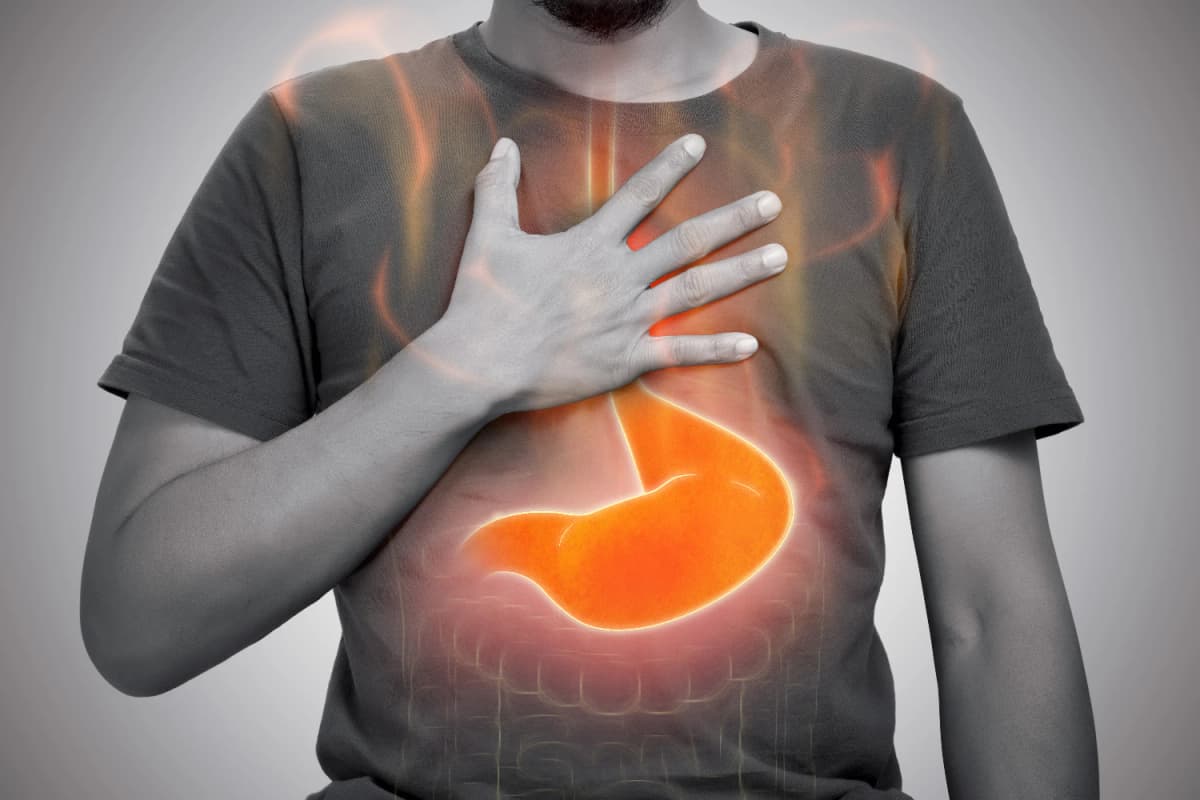
It usually starts about an hour after dinner. A slow burn behind the breastbone, a sour taste at the back of the throat, and a night that suddenly feels much longer. If that sounds familiar, you are in very large company.
This guide goes beyond a list of acidity home remedies. It explains why reflux happens, which acid reflux remedies have real support, how to get GERD relief naturally through daily habits, and the signs that mean it's time for a doctor instead of the kitchen shelf.
In India, "acidity" is the everyday word for all of it. Doctors split it into two. Gastroesophageal reflux, or GER, is when stomach contents flow back up into the food pipe. GERD is the more severe, longer-lasting version, where reflux keeps causing symptoms or leads to complications over time (NIDDK).
Heartburn and regurgitation are the classic signs. Some people get a sore throat, a nagging cough or a hoarse voice instead, and never connect it to their stomach.
Occasional acidity vs GERD
Where your food pipe meets your stomach sits a ring of muscle called the lower esophageal sphincter. Think of it as a one-way door. It opens to let food down, then closes tight. GERD can develop when that door becomes weak or relaxes when it shouldn't (NIDDK). Stomach acid is meant to be strong. The trouble is that it ends up in a place with no protective lining against it.
Big meals stretch the stomach and push on that valve. Lying down soon after eating removes gravity's help. Extra weight around the belly adds constant pressure, which is why NIDDK lists weight loss among the first steps for people who are overweight. Smoking, alcohol and tight waistbands pile on. Mayo Clinic's list of common food triggers includes caffeine, fizzy drinks, fatty or spicy food, chocolate and peppermint (Mayo Clinic).
During the day, gravity and frequent swallowing keep acid moving back down where it belongs. Saliva helps too, because it is mildly alkaline. Once you lie flat and fall asleep, you swallow far less and gravity stops helping. Acid that slips past the valve can sit in the food pipe much longer. That is why a late, heavy dinner followed by bed is such a reliable recipe for a rough night, and why the timing advice later in this guide matters so much.
Ayurveda calls this amlapitta and links it to aggravated Pitta, the dosha of heat and sharpness. The traditional advice is to cool and calm: regular meals, less fried and very spicy food, no eating in a rush, and cooling foods like chaas and saunf. It maps closely onto what modern gastroenterology recommends. Different language, same direction: less strain on the stomach, more rhythm in the day.
Triggers are personal. Chai wrecks one person's evening and does nothing to another's. A simple food diary for two weeks will tell you more than any list. Still, these are the usual suspects, with swaps that keep meals satisfying.
Common triggers and easy swaps
Smaller meals are easier on the valve than one huge thali. Timing matters just as much. NIDDK suggests eating meals 2 to 3 hours before you lie down (NIDDK), and the NHS advises not eating within 3 to 4 hours of bed (NHS). For a household that eats dinner at 10 pm, that one change can make the biggest difference of all.
The NHS recommends raising the head end of your bed by 10 to 20 cm. It also warns against simply stacking extra pillows, since bending at the waist can squeeze your belly and make things worse (NHS). Blocks under the bed legs or a wedge pillow work better. Sleeping on your left side may also help. A 2022 study in The American Journal of Gastroenterology found less nighttime reflux in people lying on their left side than on their right.
Tight jeans and belts press on the stomach after a meal. So does slumping over a phone on the sofa. Sitting upright and a slow ten-minute walk after dinner are small, free fixes.
Many traditional helpers have more experience than research behind them. That doesn't make them useless, just worth trying with realistic expectations. For a longer list, see our 21 home remedies for acidity.
Popular home remedies at a glance
Pharmacy antacids and alginates are fine for occasional relief. The NHS notes they ease symptoms in the short term but won't cure the problem and shouldn't be taken regularly for long periods (NHS).
Single fixes help. A routine helps more, because reflux responds to patterns rather than one-off heroics.
A reflux-friendly day
Stress doesn't create stomach acid out of nowhere, but it changes how we eat and how intensely we feel symptoms. Deadline weeks bring skipped lunches, late dinners, extra coffee and short sleep. The NHS includes finding ways to relax in its self-help advice for heartburn (NHS). A few minutes of slow breathing before a meal, or simply putting the phone down while you eat, is where recovery starts. A calmer mind and a calmer gut tend to arrive together.
Let's be clear: Reset Detox Candy is not an antacid and won't stop reflux. It is an after-meal herbal candy made with five Ayurvedic herbs: Kalmegh, Daru Haldi, Manjishta, Guduchi and Punarnava, traditionally used to support digestion and liver wellness. For people working on heavy eating patterns, it can be a simple part of an after-meal routine alongside lighter dinners and an evening walk. If you have a liver condition, are on regular medication, or find certain flavors set off your symptoms, check with your doctor first.
See a doctor if lifestyle changes and pharmacy medicines aren't helping, if you have heartburn most days, or if you notice food getting stuck, frequent vomiting or weight loss without trying (NHS). Mayo Clinic suggests a check-up if heartburn or antacid use happens two or more times a week (Mayo Clinic).
One warning matters more than everything else in this article. Heart trouble can feel like acidity. Get emergency help, by calling 112 or 108 in India, if chest pain comes with any of these:
•pain spreading to your arm, jaw, neck or back
•sweating, breathlessness or dizziness
•a crushing or tight feeling rather than a burn
If your discomfort sits higher in the belly than the chest, our guide on how to relieve upper stomach pain may help.
Spicy, fatty and citrus foods, along with caffeine and alcohol. Fizzy drinks, chocolate and peppermint bother many people too.
Yes. Lying down soon after eating raises the risk of reflux, so aim to finish dinner 2 to 3 hours before bed.
Mild, occasional acidity often responds well to diet and lifestyle changes. Frequent symptoms need a medical evaluation.
It can soothe for a short while, but the fat and protein in milk may prompt more acid later. It's a stopgap at best.
On your left side, with the head end of the bed raised by 10 to 20 cm. Avoid propping yourself up with a stack of pillows.
Stress mostly works indirectly, through rushed meals, late dinners, more caffeine and poor sleep. It can also make symptoms feel stronger.
Ripe bananas are low in acid and gentle on most stomachs, so they make a good snack swap. They won't treat reflux on their own.
Acidity usually burns and links to meals or lying down. Pain that spreads to the arm or jaw, or comes with sweating or breathlessness, needs emergency care. When in doubt, call for help.
•Most acidity home remedies work by protecting the valve between your stomach and food pipe.
•Smaller meals and a 2 to 3 hour gap before bed are the most useful acid reflux remedies.
•Raise the head of your bed rather than piling up pillows, and try sleeping on your left side.
•Kitchen remedies can soothe, but GERD relief naturally comes from steady daily habits.
•Heartburn most days, trouble swallowing or weight loss means it's time to see a doctor.
•Chest pain with sweating or breathlessness is an emergency, not acidity.
•National Institute of Diabetes and Digestive and Kidney Diseases (NIDDK). Acid Reflux (GER & GERD) in Adults. https://www.niddk.nih.gov/health-information/digestive-diseases/acid-reflux-ger-gerd-adults
•NHS. Heartburn and acid reflux. https://www.nhs.uk/conditions/heartburn-and-acid-reflux/
•Mayo Clinic. Acid reflux and GERD: The same thing? https://www.mayoclinic.org/diseases-conditions/gerd/expert-answers/heartburn-gerd/faq-20057894
•Schuitenmaker JM, et al. Associations between sleep position and nocturnal gastroesophageal reflux. The American Journal of Gastroenterology. 2022.
•Reset. Detox Candy product page. https://www.reset.in/products/detox-candy
Share this article:
Detox your body today with powerful herbs.

₹929.00
₹749.00
Dose of goodness for a healthy gut and weight management

₹529.00
₹499.00
| . | Occasional acidity | GERD |
|---|---|---|
| How often | Now and then, often after a heavy or late meal | Repeatedly, often two or more times a week |
| Typical feel | Burning after meals that settles within hours | Frequent heartburn, regurgitation, throat or cough symptoms |
| Main approach | Diet and lifestyle changes | Lifestyle changes plus a doctor's review |
| See a doctor? | If it keeps coming back | Yes, to confirm and treat properly |
| Trigger | Why it may bother you | Gentler swap |
|---|---|---|
| Pakoras, samosas, fried namkeen | Fat keeps food in the stomach longer | Roasted chana or makhana |
| Strong chai or coffee after meals | Caffeine can relax the valve | A weaker brew, taken well before bed |
| Tomato and onion heavy gravies | Acidic and sharp for many people | Lauki, tori or dal-based curries |
| Very spicy food, extra green chili | Can irritate an already sore food pipe | Flavor with jeera, dhania and ginger |
| Fizzy drinks and soda | Gas pushes stomach contents upward | Plain water or chaas |
| Alcohol | Relaxes the valve and irritates the lining | Cut back, especially at night |
| Remedy | How it may help | Evidence | Caution |
|---|---|---|---|
| Saunf after meals | Traditional digestive aid, freshens breath | Mostly traditional | Chew slowly; small amounts |
| Chaas (thin buttermilk) | Light, cooling, easy on the stomach | Mostly traditional | Skip if dairy disagrees with you |
| Ripe banana | Low-acid, gentle snack | Limited | Works as a swap, not a cure |
| Cold milk | Can soothe briefly | Weak | Fat and protein may bring acid back later |
| Ginger in small amounts | Can ease nausea | Some, mostly for nausea | Large amounts may worsen heartburn |
| Baking soda in water | Neutralizes acid quickly | Works short term | High in sodium; not for regular use, pregnancy or high BP |
| Time | Habit |
|---|---|
| Morning | Water before tea; a proper breakfast instead of chai on an empty stomach |
| Midday | Your largest meal, eaten slowly and sitting upright |
| Afternoon | A light snack like fruit or roasted chana to avoid arriving at dinner starving |
| Evening | An early, lighter dinner and a short walk afterward |
| Bedtime | Nothing to eat for 2 to 3 hours before lying down; head of the bed raised |
