
Wrinkle Treatment Guide: What Actually Reduces Fine Lines
2026-03-26 • 5 min read
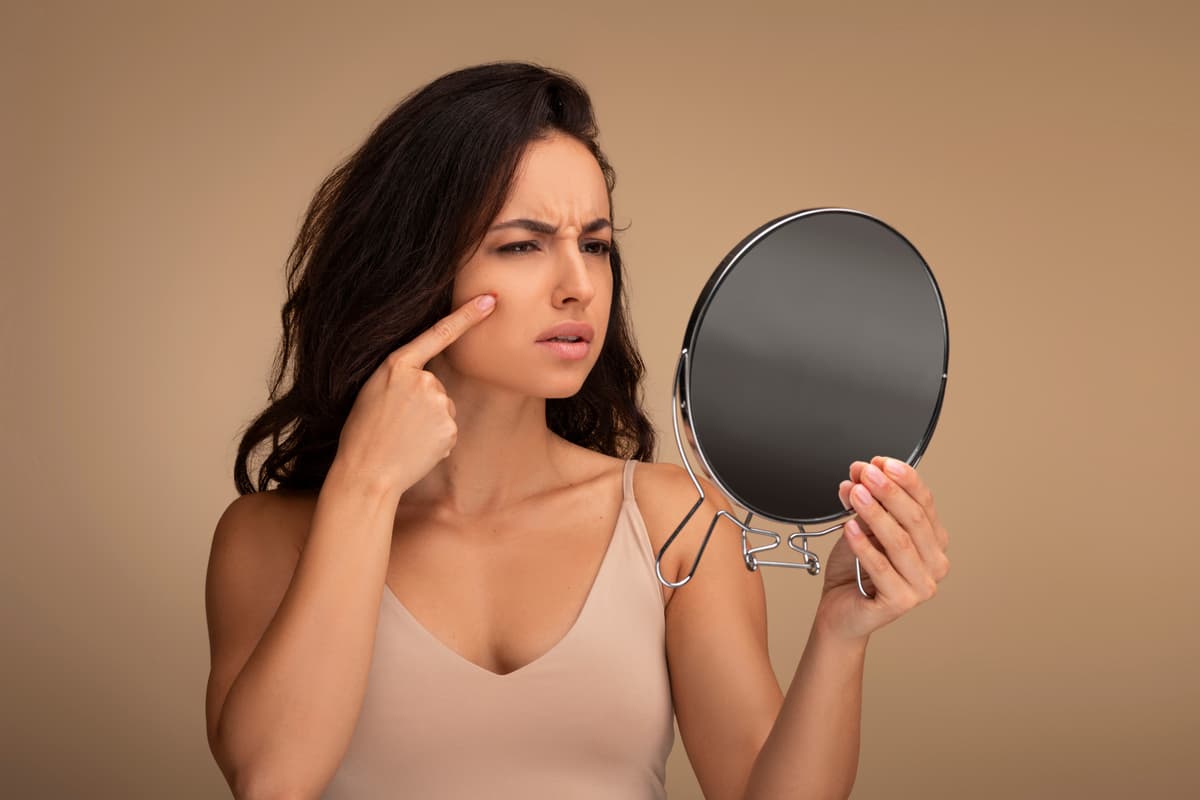
Wrinkles form when collagen and elastin fibres in the dermis degrade due to ageing, UV exposure, and oxidative stress. The most effective wrinkles skin treatment strategy combines topical actives — such as retinoids, Vitamin C, and peptides — with oral collagen supplementation to rebuild the skin's structural matrix from within. Consistent use over 8–12 weeks produces measurable reductions in fine line depth and improved skin elasticity.
Why Do Wrinkles Form? The Biology of Skin Ageing
Skin is structured in three layers: the epidermis (outer barrier), the dermis (structural middle), and the hypodermis (fatty base). Wrinkles form primarily in the dermis, where a network of collagen and elastin fibres gives skin its firmness and bounce. From your mid-twenties onward, the body's collagen production drops at approximately 1% per year — a gradual but cumulative process that eventually becomes visible on the surface.
The biological drivers behind wrinkle formation follow several intersecting pathways:
Collagen Degradation via MMP Enzymes: Matrix metalloproteinases (MMPs) are enzymes triggered by UV radiation, pollution, and chronic inflammation. They break down existing collagen fibres in the dermis, thinning the skin's structural scaffold and creating the visible depression we recognise as a wrinkle.
Reduced Fibroblast Activity: Fibroblasts are the skin cells that synthesise collagen and elastin. With age, their activity slows — meaning fewer repair signals are sent and less new collagen is produced to replace what has degraded.
Glycation of Collagen Fibres: Excess sugar in the diet triggers glycation, a process in which sugar molecules attach to collagen proteins, making fibres stiff and cross-linked. This accelerates structural breakdown and contributes to the loss of skin elasticity.
Oxidative Stress: Free radicals generated by UV exposure, pollution, smoking, and poor sleep damage cellular DNA and membrane lipids in skin cells, further triggering inflammatory pathways that upregulate MMP activity.
Loss of Subcutaneous Volume: Fat pads beneath the skin naturally diminish with age, reducing structural support and causing the skin above to fold inward — particularly around the eyes, cheeks, and mouth.
What Are the Most Effective Treatments for Wrinkles?
The most evidence-backed wrinkle treatments fall into three tiers: topical actives that work at the epidermal and dermal level, ingestible supplements that support collagen synthesis from within, and professional procedures that physically stimulate or resurface skin. For most people, a combination of the first two tiers delivers the strongest sustainable results.
Tier 1 — Topical Treatments
Retinoids (Vitamin A derivatives) remain the gold standard in topical wrinkles skin treatment, backed by decades of clinical research. They increase cell turnover, stimulate fibroblast activity, and reduce MMP enzyme production. Vitamin C serums are the next most important layer — they are required for collagen synthesis and simultaneously neutralise free radicals. Peptide-rich moisturisers provide signalling molecules that prompt fibroblasts to produce more collagen.
Tier 2 — Ingestible Collagen
Oral hydrolysed marine collagen peptides work systemically — delivering proline, glycine, and hydroxyproline directly into the bloodstream, where they are transported to the dermis and taken up by fibroblasts as raw material for new collagen synthesis. Multiple randomised controlled trials have demonstrated significant improvements in skin elasticity, hydration, and wrinkle depth after 8–12 weeks of supplementation.
Tier 3 — Professional Procedures
Procedures such as radiofrequency, microneedling, laser resurfacing, and injectable fillers produce faster results but require professional oversight, carry higher costs, and involve recovery time. They work best when layered on top of a strong at-home routine rather than used as a standalone solution.
Which Ingredients Help Reduce Fine Lines? Categorised Actives
Primary Actives (Collagen-Stimulating)
These are the core workhorses of any anti-wrinkle routine — ingredients with the strongest evidence base for stimulating new collagen production and directly reducing fine line depth.
Marine Collagen Peptides (Type I): The most bioavailable oral collagen form, marine collagen peptides are absorbed rapidly and demonstrated to increase dermal collagen density. They are the foundation ingredient for treating collagen for wrinkles from within.
Retinol / Retinoids: Upregulate collagen transcription in fibroblasts, inhibit MMP activity, and increase epidermal cell turnover. Available OTC (retinol) or prescription (tretinoin).
Vitamin C (Ascorbic Acid): Hydroxylates proline and lysine during collagen synthesis — without Vitamin C, the collagen triple-helix structure cannot be formed. Also a potent antioxidant that neutralises UV-induced free radicals.
Analgesic / Barrier-Repair Agents
These ingredients do not directly build collagen but protect and support the skin barrier, reducing the environmental damage that accelerates wrinkle formation.
Niacinamide (Vitamin B3): Inhibits the transfer of pigment to skin cells, reduces inflammation, strengthens the skin barrier, and has been shown to reduce fine line appearance within 4–8 weeks.
Ceramides: Lipid molecules that seal the skin barrier, preventing transepidermal water loss. Dehydrated skin magnifies the appearance of fine lines.
Hyaluronic Acid: A humectant that draws moisture into the dermis, temporarily plumping fine lines. Does not repair collagen but creates the visual effect of reduced wrinkle depth.
Carrier / Nutritive Oils
These oils deliver fat-soluble actives into the skin while providing their own nutritive and antioxidant benefits.
Rosehip Seed Oil: Rich in trans-retinoic acid (a natural retinoid) and Vitamin C precursors. Clinically studied for improving fine lines and skin tone.
Argan Oil: Contains tocopherols (Vitamin E) and oleic acid that protect against lipid peroxidation in skin cell membranes.
Sea Buckthorn Oil: A rare source of both Omega-3 and Omega-7 fatty acids, which support the lipid matrix of the epidermis and have anti-inflammatory properties.
4. Supportive / Neuro-supportive Herbs (Ayurvedic)
Traditional Ayurvedic botanicals offer both antioxidant and adaptogenic effects that support skin health alongside conventional actives.
Ashwagandha: An adaptogen that reduces cortisol — chronic stress elevates cortisol, which suppresses collagen synthesis. Lower cortisol levels support healthier skin ageing.
Amla (Indian Gooseberry): One of the richest natural sources of Vitamin C, amla is central to collagen synthesis and has demonstrated free-radical scavenging activity at the skin level.
Manjistha: An Ayurvedic herb with potent antioxidant and anti-inflammatory properties. Supports lymphatic drainage and reduces the chronic low-grade inflammation that accelerates skin ageing.
Shatavari: Rich in phytoestrogens that may help offset the decline in oestrogen (which accelerates collagen loss) during perimenopause and menopause.
Can Wrinkles Be Reduced Naturally? Evidence vs. Myths
Myth 1: "Natural remedies can fully reverse deep wrinkles." Partially false. Natural ingredients and lifestyle interventions can prevent further damage, improve skin quality, and soften fine lines — but they cannot fully reverse deep, established wrinkles without clinical intervention. Prevention and maintenance are where natural approaches shine.
Myth 2: "Drinking more water eliminates wrinkles." False. While dehydration makes fine lines more visible, adequate hydration does not reverse structural collagen loss. Hydration is necessary but insufficient as a wrinkle treatment.
Myth 3: "Expensive creams rebuild collagen from the outside." Mostly false. Collagen molecules in topical creams are too large to penetrate the skin barrier and reach the dermis. Peptides, retinoids, and Vitamin C work topically by signalling fibroblasts — they do not deliver collagen directly.
What natural approaches genuinely support: Consistent SPF use is the single most evidence-backed intervention to prevent collagen degradation. Oral marine collagen peptides are among the best-evidenced natural wrinkles treatment approaches, with multiple RCTs showing meaningful improvements in skin elasticity and fine line depth within 12 weeks.
Ayurvedic vs. Allopathic Approach: A Comparison
How to Apply Anti-Wrinkle Products: A Precision Guide
Morning Routine — Step-by-Step
Cleanse: Use a gentle, pH-balanced cleanser. Avoid hot water, which strips the lipid barrier and increases TEWL (transepidermal water loss).
Vitamin C Serum: Apply 2–3 drops while skin is slightly damp. Vitamin C works best at a low pH — let it absorb for 60 seconds before layering.
Hyaluronic Acid: Apply while skin is damp to pull moisture into the dermis. Pat gently; do not rub.
Moisturiser with Peptides / Ceramides: Seal in hydration and deliver signalling peptides to fibroblasts.
SPF 30+ (Non-Negotiable): Apply generously as the final step. UV exposure is responsible for up to 80% of visible skin ageing. Re-apply every 2 hours if outdoors.
Evening Routine — Step-by-Step
Double Cleanse: Oil cleanser first (removes SPF and pollution), followed by a gentle water-based cleanser.
Retinol / Retinoid (3–5 nights per week): Apply a pea-sized amount to dry skin. Start with 0.25–0.5% retinol to build tolerance.
Moisturise Generously: Night-time is when skin repair peaks. A richer moisturiser supports the barrier repair cycle.
Oral Collagen (at any time): Take Reset Marine Collagen Peptides (https://www.reset.in/products/marine-collagen-peptides) daily — 5–10 g mixed in water or a morning beverage — to supply the amino acids that power nighttime collagen synthesis.
Usage Guide: Frequency & Best Time to Apply
How Do I Choose the Right Treatment? Symptom-to-Ingredient Matrix
When Should I Start Anti-Ageing Skincare?
Prevention is significantly more effective than reversal. The ideal time to begin a foundational anti-ageing routine is your mid-twenties, when collagen production first begins to slow. This does not mean aggressive intervention — it means:
Daily SPF use (the highest-return, lowest-cost intervention in skincare).
A Vitamin C serum in the morning to protect collagen and boost synthesis.
A basic retinol product used 2–3 nights per week to maintain fibroblast activity.
Oral collagen supplementation as a low-effort, high-benefit daily habit.
If you are in your thirties, forties, or fifties, it is never too late to begin. The skin has a remarkable capacity to respond to the right inputs — the timeline to results simply lengthens with more established damage.
✨ Try Reset Marine Collagen Peptides
Reset's Marine Collagen Peptides deliver highly bioavailable Type I hydrolysed collagen from deep-sea fish — the same form your fibroblasts need to rebuild the skin's structural matrix and reduce collagen for wrinkles from within.
Blueberry flavoured, easy to mix, and backed by clinical science.
Shop now: https://www.reset.in/products/marine-collagen-peptides
FAQ: Your Top Questions Answered
What are the most effective treatments for wrinkles?
The strongest evidence supports a combination approach: daily SPF (prevents further collagen degradation), topical retinoids (stimulate new collagen production), Vitamin C serum (enables collagen synthesis and antioxidant protection), and oral hydrolysed marine collagen peptides (supply the amino acid building blocks for dermal repair). Together, these address wrinkle formation from multiple biological pathways.
Which ingredients help reduce fine lines?
Retinol and prescription retinoids are the gold standard for topical fine line reduction. Vitamin C, niacinamide, and peptides round out a strong topical routine. For systemic support, marine collagen peptides are the most clinically validated oral option. Hyaluronic acid plumps fine lines by improving hydration but does not rebuild collagen.
Can wrinkles be reduced naturally?
Yes, to a meaningful degree. Natural interventions including oral collagen, Vitamin C, SPF, and botanical antioxidants can soften fine lines, prevent new damage, and improve skin quality over 8–16 weeks. They will not fully reverse deep, established wrinkles, but they are sustainable, low-risk, and produce cumulative long-term benefits.
When should I start anti-ageing skincare?
The mid-twenties is the optimal time to begin, as collagen production starts declining around age 25. However, any age is the right age to start — earlier means more prevention, later means focused repair. Even beginning in your fifties with SPF, retinol, and collagen supplementation produces measurable improvements within 3 months.
How long does it take to see results from wrinkle treatments?
Topical retinoids typically show measurable improvements in 12 weeks. Oral marine collagen demonstrates skin elasticity and fine line improvements within 8–12 weeks in most clinical studies. Hyaluronic acid and hydration improvements are visible within days. Deep wrinkle reduction via professional procedures can show results in 4–8 weeks depending on the modality.
Does collagen supplementation actually reduce wrinkles?
Yes. Multiple randomised controlled trials have demonstrated that hydrolysed marine collagen peptides — taken orally at 5–10 g daily — produce significant improvements in skin elasticity, dermal density, and wrinkle depth within 8–12 weeks. The mechanism is well-established: the body absorbs peptides, elevates circulating proline and glycine, and fibroblasts use these to synthesise new collagen in the dermis.
Is SPF truly the most important anti-ageing step?
Yes. UV radiation is responsible for approximately 80% of visible facial ageing, a process dermatologists call photoageing. It directly triggers the MMP enzymes that degrade collagen and generates the free radicals that damage fibroblasts. No anti-wrinkle treatment is fully effective without consistent SPF use alongside it.
Can I use retinol and Vitamin C together?
Not at the same time, but yes in the same routine. Vitamin C works best at a low pH in the morning, where it provides antioxidant protection during the day. Retinol is best applied at night to dry skin. Using them at separate times prevents potential pH conflicts and maximises the efficacy of both ingredients.Are wrinkle treatments safe for sensitive skin?
Most are, with appropriate starting concentrations. Sensitive skin benefits from beginning with low-percentage retinol (0.1–0.25%), using buffer moisturising around application, and building tolerance slowly. Oral collagen is generally very well tolerated. Vitamin C in its L-ascorbic acid form may sting; encapsulated or derivative forms such as sodium ascorbyl phosphate are gentler alternatives.
Do I need to see a dermatologist for wrinkle treatment?
Not necessarily for preventive or mild wrinkle treatment. A strong home routine of SPF, Vitamin C, retinol, and oral collagen handles most early-stage skin ageing effectively. However, for deep wrinkles, significant skin laxity, or when OTC products have not produced results after 6 months of consistent use, a dermatologist consultation adds significant value.
What lifestyle factors worsen wrinkles fastest?
UV exposure without SPF is the single largest accelerant. After that: smoking (reduces skin oxygenation and dramatically increases MMP activity), chronic poor sleep (reduces growth hormone and cortisol cycles that govern skin repair), high sugar diets (collagen glycation), and chronic stress (elevated cortisol suppresses collagen synthesis).
Does drinking collagen work the same as topical collagen?
Oral collagen supplementation is significantly more effective than topical collagen products. Topical collagen molecules are too large to penetrate the skin barrier and reach the dermis. Oral collagen peptides, being hydrolysed into small fragments, absorb through the gut into the bloodstream and are delivered directly to the dermis where they support fibroblast activity.
Key Takeaways: Golden Rules for Wrinkle Treatment
SPF every single day is the highest-return, lowest-cost wrinkle treatment available — no active ingredient works well without it.
Retinol at night and Vitamin C in the morning are the two topical cornerstones of evidence-based wrinkles skin treatment.
Oral marine collagen peptides address the root cause of wrinkle formation — not just the surface — by rebuilding the dermis from within.
Results require consistency over weeks, not days; commit to 12 weeks of a full routine before evaluating what is working.
Natural and clinical approaches are not mutually exclusive — combining oral collagen with professional treatments produces superior outcomes to either alone.
Earlier is better, but it is never too late — skin retains meaningful responsiveness to the right inputs at every age.
Collagen for wrinkles works systemically; always pair your supplement with a Vitamin C source to maximise synthesis.
Related Reading
• Collagen for Hair: Benefits, Myths & How to Use It Right
• Skin Brightening Drinks: What Works for a Natural Glow?
• Marine Collagen: Real Benefits for Skin, Hair & Joints
Share this article: