
Which Dry Fruit Is Good for Kidney Patients? A Complete Guide
2026-06-19 • 5 min
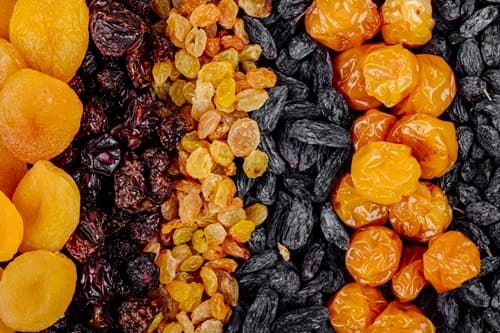
People with kidney problems often need to pay close attention to their diet. While dry fruits and nuts are widely known for their nutritional value, not all dry fruits are suitable for them. Many dry fruits contain high amounts of potassium, phosphorus, and other minerals that may need to be limited or carefully monitored, depending on the stage of the disease.
Many of them ask their doctors a common question: Which dry fruit is good for kidney patients? The answer largely depends on an individual's health condition, kidney function, and dietary requirements.
In this blog, we will look at the best dry fruits for kidney patients, which ones should be eaten in moderation, and which may need to be limited or avoided based on the condition of the kidneys.
Why Kidney Patients Need to Be Careful with Dry Fruits
Dry fruits can be risky for people with kidney disease because the drying process makes minerals and natural sugars more concentrated. When the kidneys do not work properly, they may not be able to remove these substances from the body effectively. As a result, they can build up in the blood and lead to health problems such as heart issues, weak bones, and high blood sugar levels.
Potassium Overload: The concentration process in dried fruits multiplies their potassium content.
High Phosphorus Levels: Dried fruits and nuts naturally contain high amounts of phosphorus.
Concentrated Sugar and Fructose: Unlike fresh fruits that have high water content, dry fruits have highly concentrated natural sugars and calories, making them hard to digest and a major hazard for diabetics.
High Oxalate Content: Many dry fruits and nuts (like cashews and almonds) are packed with oxalates.
Which Dry Fruit Is Good for Kidney Patients?
Several dry fruits can be included in your diet if you have kidney disease, but they should be eaten in moderation and only after consulting your doctor.
Some of these include:
Cranberries:
These small, round, red fruits have a slightly sour taste. They are commonly used in sauces, juices, muffins, and many other foods throughout the year. Dried cranberries may be a better option for some kidney patients because they generally contain less potassium than many other dried fruits. However, they should still be eaten in moderation as part of a kidney-friendly diet.
Benefits:
Rich in antioxidants
May support urinary tract health
Can be enjoyed as a healthy snack
2. Apples (Dried):
These are healthy and naturally sweet, and can be stored for a long time. They are made by removing the water from fresh apple slices through drying methods such as sun-drying or dehydration. This process makes the apple flavor stronger and creates a convenient snack that is easy to carry and enjoy anytime.
Benefits:
Good source of fiber
Supports digestive health
May contribute to better gut health
3. Raisins (In Limited Quantity):
Raisins can be a healthy snack when eaten in small amounts. They provide quick energy, fiber, and important minerals.
Benefits:
Natural energy source
Contains beneficial plant compounds
4. Unsalted Macadamia Nuts:
These nuts have a rich, creamy taste and contain no added salt or oil. They are available in raw or dry-roasted forms. They are also popular among people following a keto diet because they are low in carbohydrates and rich in healthy fats.
Benefits:
Healthy fats
Heart-friendly nutrients
Lower phosphorus content
5. Pecans:
These nuts are smooth, oval-shaped nuts that come from North America. They have a rich, buttery, and slightly sweet flavor. Pecans grow on tall hickory trees and are commonly used in both sweet and savory dishes, including pies, desserts, and snacks.
Benefits:
Rich in antioxidants
Contains healthy fats
Lower phosphorus compared to some other nuts
Can Kidney Patients Eat Anjeer (Figs)?
One of the most frequently asked questions is about anjeer for kidney patients.
Fresh Anjeer
Fresh figs contain valuable nutrients such as:
Fiber
Calcium
Antioxidants
However, they also contain potassium.
Dried Anjeer
Anjeer is the Hindi name for figs. These are naturally sweet, chewy fruits that come from the fig tree. Anjeer is rich in nutrients and provides fiber, potassium, and calcium, making it a healthy dry fruit that can be enjoyed as a natural sweet snack.
Is Anjeer Safe for Kidney Patients?
The answer depends on kidney function.
Those with early-stage kidney disease may be able to consume small amounts.
Individuals with advanced kidney disease or those following a low-potassium diet may need to limit or avoid dried anjeer.
Always consult a healthcare professional before adding dried figs regularly to a kidney diet.
Are Almonds and Walnuts Safe for Kidney Patients?
If you have kidney disease, you may need to limit almonds and walnuts because they contain high amounts of minerals that can be difficult for damaged kidneys to process. If you want to include them in your diet, it is best to eat only small amounts and consult your doctor or dietitian first. While a small portion may be suitable for some people, eating too many nuts can make it harder to manage a kidney-friendly diet.
Almonds Benefits:
Rich in vitamin E
A good source of healthy fats
Supports heart health
Consideration:
Almonds are high in phosphorus and potassium and should be eaten in moderation.
Walnuts Benefits:
High in Omega-3 fatty acids
May boost heart and brain health
Consideration:
Also, keep in mind that walnuts are a source of phosphorus. They should be consumed in moderation. Many kidney patients can eat unsalted almonds or walnuts as part of their healthy diet if their consumption is under their provider's supervision.
Which Nuts Are Bad for Kidney Disease?
People with kidney disease may have to avoid or limit nuts that are high in potassium, phosphorus, and oxalates. When the kidneys are damaged, they may not be able to remove these minerals properly from the body. As a result, these minerals can build up in the blood and cause health problems, including issues with the heart and bones.
Nuts to Avoid:
Brazil Nuts: These have extremely high levels of phosphorus. They are generally not recommended for use by doctors.
Peanuts: They contain a lot of potassium and phosphorus. Note that peanuts are legumes but function like nuts.
Cashews: They are high in phosphorus and potassium and can upset your body's mineral balance.
Pistachios: They contain a lot of potassium and phosphorus, and being tiny, it's very easy to eat too many of them.
Understanding Potassium and Phosphorus in Dry Fruits
Dry fruits and nuts are nutritional powerhouses that are rich in antioxidants, vitamins, and fiber. During the dehydration process, however, their natural minerals are concentrated; these minerals are particularly rich in potassium and phosphorus. Care must be taken with these minerals, particularly for people with Chronic Kidney Disease (CKD) or other kidney conditions.
The Role of Potassium and Phosphorus
It's important to know how these minerals act differently in the body to make sure your diet is managed accordingly:
Potassium: Important for the function of the heart and muscles. Normal kidneys can excrete excess potassium; however, impaired kidney function can cause potassium to accumulate to dangerous levels (hyperkalemia).
Phosphorus: Commonly works with calcium to keep bones and teeth strong. When the kidneys are not functioning properly, they cannot remove extra phosphorus. This causes phosphorus levels to rise in the body, which weakens bones and increases the risk of heart disease.
Tips for Choosing Dry Fruits for Kidney Patients
The following are some factors to keep in mind while choosing dry fruits for kidney patients:
Choose Unsalted Varieties
Extra salt will add sodium to the diet and may strain the kidneys.
Read Nutrition Labels
Check:
Potassium content
Phosphorus content
Added sugars
Sodium levels
Avoid Sugar-Coated Options
Packaged dried fruit often has extra sugar added, giving excess calories.
Follow Portion Control
Even though healthy dry fruits are good for you, large amounts can be a problem.
The Connection Between Kidney, Gut Health, and Nutrition
There is emerging evidence of links between kidney function and gut health.
A healthy digestive system can:
Improve nutrient absorption
Support immune function
Reduce digestive discomfort
Promote overall wellness
Eating foods that are rich in fiber, drinking enough fluid (See your doctor for suggestions), and eating a balanced diet can help maintain kidney and digestive health.
Supporting Overall Wellness with Liver Balance Products
People who care about their kidney health often focus on their overall health as well. Some people use liver health supplements as part of their wellness routine. However, liver supplements are designed to support only the liver and are not meant to treat or improve kidney disease. So, before taking any new supplement or health product, it is important to talk to your doctor, as some ingredients may affect kidney function or interact with your medications.
Best Dry Fruits for Kidney Patients at a Glance
Conclusion
Some dry fruits may be a better choice for people with kidney disease, including dried cranberries, apples, pecans, and macadamia nuts. Raisins, anjeer (dried figs), walnuts, and almonds may also be suitable for some people, depending on their individual dietary needs and kidney condition.
It is important to understand your kidney health and follow your doctor's or dietitian's advice. Different dry fruits contain different amounts of potassium and phosphorus, so the right choice can vary from person to person.
By choosing the right dry fruits and eating them in appropriate amounts, people with kidney disease can enjoy a healthy and balanced diet while supporting their overall well-being.
Frequently Asked Questions
1. Which dry fruit is good for kidney patients?
Dried cranberries, dried apples, pecans, and macadamia nuts are often good choices for people with kidney disease because they usually contain lower levels of potassium and phosphorus than many other dried fruits and nuts.
2. Can kidney patients eat anjeer (figs)?
Yes, but in moderation. Fresh figs may be easier to include in a kidney-friendly diet. Dried anjeer contains higher levels of potassium and should be consumed carefully, especially by patients with advanced kidney disease.
3. Are almonds and walnuts safe for people with kidney disease?
Almonds and walnuts can be safe in small portions. However, they contain phosphorus and potassium, so kidney patients should monitor serving sizes and follow medical advice.
4. What nuts are bad for kidney disease and should be avoided?
Brazil nuts, cashews, pistachios, and heavily salted nuts are often limited because they contain higher levels of phosphorus, potassium, or sodium that may not be suitable for certain kidney patients.
5. How much dry fruit can a kidney patient eat in a day?
The amount varies depending on the stage of kidney disease and individual dietary restrictions. Many healthcare providers recommend small portions, such as one small handful, but personalized guidance is best.
6. Do dry fruits contain high levels of potassium and phosphorus?
Many dry fruits and nuts do contain significant amounts of potassium and phosphorus because nutrients become concentrated during the drying process. This is why kidney patients should choose their dry fruits carefully.
7. Which dry fruits are recommended for kidney patients on dialysis?
Suitable options may include dried cranberries, dried apples, pecans, and macadamia nuts. However, dialysis patients have unique nutritional needs, so recommendations should always be based on guidance from a renal dietitian or healthcare professional.
Share this article: