Emulsion Pain relief roll on
An easy to apply potent formula with roll-on massager

₹549.00
₹449.00
4.6

2026-04-01 • 4 min read
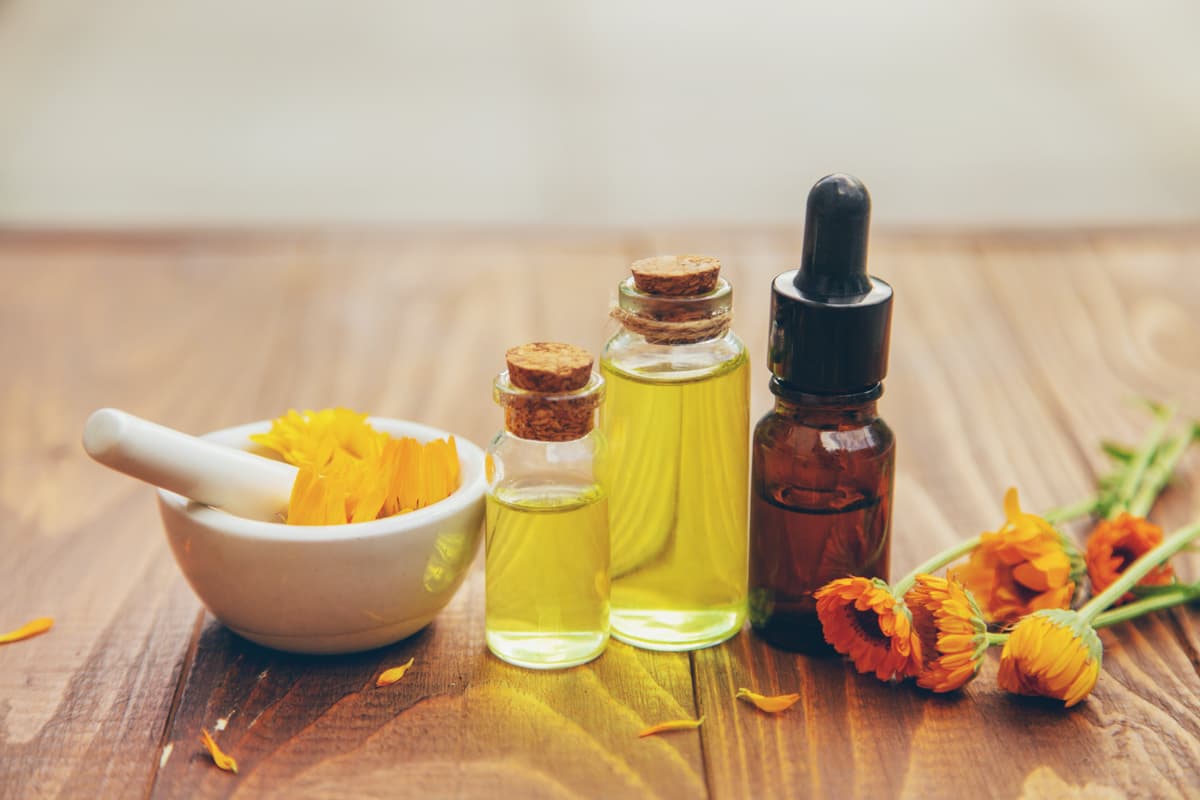
The weight of chronic pain is rarely just physical. It’s the hesitation before climbing a flight of stairs, the stiffness that greets you every morning, and the mental fatigue of navigating a world that expects you to move faster than your body allows. For many, the journey toward relief is a cycle of cooling sprays and over-the-counter pills that offer a fleeting "numbing" sensation but leave the underlying cause untouched.
At Reset, we believe recovery shouldn't be a temporary mask—it should be a restoration. To truly "reset" your mobility, we must look at the body through the lens of Ayurveda: a system that doesn't just see a "sore knee," but an imbalance of energy and a depletion of vital lubricants. By combining the ancient pharmacology of Dravyaguna with modern extraction techniques, we can identify which Ayurvedic pain relief oils and herbs actually penetrate the skin to heal the tissue beneath.
In Ayurveda, pain is almost always a manifestation of aggravated Vata (the element of air and space). When Vata increases, joints become dry, brittle, and prone to "friction" or inflammation. This is why a simple water-based lotion won't suffice.
The secret lies in Snehana—the practice of oleation. Pure, cold-pressed oils act as "bio-carriers," transporting potent herbal alkaloids deep into the Dhatus (tissue layers). Unlike synthetic creams that sit on the epidermis, a high-quality pain relief oil mimics the skin’s lipid structure, allowing anti-inflammatory compounds to reach the nerves and bone marrow.
To find an Ayurvedic pain relief oil that actually works, you must look past the marketing and into the ingredient list. Here are the "Heavy Hitters" of the Ayurvedic world and the science behind why they are non-negotiable for recovery.
Often called the "leaf of the five virtues," Nirgundi is arguably the most potent anti-inflammatory herb in the Ayurvedic pharmacopeia. It works by inhibiting the production of prostaglandins—the chemical messengers that signal pain to your brain.
Best for: Osteoarthritis and chronic joint swelling.
Gandhapura (Wintergreen) is nature’s answer to salicylic acid. It provides a natural warming sensation that increases blood circulation to the affected area. When paired with Pudina (Peppermint) Oil, you get a synergistic "thermal" effect—cooling the surface while warming the muscle. This contrast helps "reset" the pain receptors.
Best for: Immediate relief from muscle spasms and backaches.
Expert Choice: For rapid-action relief, the Reset Deep Penetrating Spray utilizes these volatile oils to bypass the digestive system entirely.
You can have the best herbs in the world, but without Til (Sesame) Oil, they won't reach the target. Sesame oil is unique because its molecular structure is small enough to penetrate all seven layers of the skin. It is also rich in linoleic acid, which helps repair damaged tissue.
While oils work from the outside, herbs like Hadjod (Bone Setter) and Guggulu work from the inside. Hadjod is traditionally used to accelerate bone healing and increase mineral density.
Internal Support: To complement topical application, the Reset Tablet provides these systemic nutrients to strengthen the skeletal framework from within.
Not all pain is created equal. Using the wrong oil for your specific discomfort is like using a key for the wrong lock. Use this guide to identify your "Recovery Ritual."
Applying oil is a science, but it is also a ritual. To get the most out of your ayurvedic pain relief oil, follow these steps to ensure maximum absorption:
Warm the Product: If using an oil or emulsion, warm it slightly by rubbing your palms together. Heat increases the kinetic energy of the molecules, allowing them to move faster into your pores.
The Direction Matters: Use circular motions over the joints (knees, elbows, shoulders) and long, sweeping strokes over the long bones and muscles. This follows the natural flow of lymphatic drainage.
The "Pre-Shower" Secret: Apply your oil 15–20 minutes before a warm bath. The steam from the shower opens the pores, driving the herbal essences deeper into the tissue while the water washes away surface toxins.
Consistency is Key: Ayurveda is a cumulative science. One application offers relief; thirty days of application offers a "Reset."
Commonly known as "Indian Ginseng," Ashwagandha is usually discussed for stress. However, chronic pain is a stressor. It keeps your cortisol levels high, which in turn increases inflammation. By incorporating Ashwagandha—found in the Reset Tablet—you lower the body’s systemic "alarm" response, making your topical pain relief oil significantly more effective.
How long does it take for Ayurvedic pain relief oil to show results? A: This depends on the nature of your discomfort. For acute muscle soreness or a sudden "catch," the cooling/warming effect of Gandhapura and Peppermint in our Deep Penetrating Spray can be felt within minutes. However, for chronic conditions like Arthritis or Cervical pain, Ayurveda works cumulatively. Consistent application over 3–4 weeks is usually required to deeply lubricate the joints and reduce systemic stiffness.
Can I use these oils if I have sensitive skin? A: Traditional Ayurvedic formulations are generally safe as they use natural bases like Sesame or Coconut oil. However, potent herbs like Camphor or Wintergreen can be intense for some. If you have reactive skin, we recommend our Soothing Gel, which is specifically formulated to provide high-impact relief with a refined, gentle skin feel that doesn't cause irritation.
Is it better to use a gel, a spray, or a traditional oil? A: Each format serves a different lifestyle need. Gels (like the Ultra Potent Gel) are ideal for localized joint pain as they stay on the area longer for sustained absorption. Sprays are perfect for hard-to-reach areas like the mid-back or for quick, mess-free application during work or at the gym. Emulsions are the best choice for a traditional massage ritual over larger muscle groups.
Why does Ayurveda recommend warming the oil before application? A: In Ayurveda, heat is a "Vata-balancer." From a scientific perspective, warming the oil reduces its viscosity and increases the kinetic energy of the herbal molecules. This allows the pain relief oil to bypass the skin’s lipid barrier more efficiently, ensuring the active ingredients like Nirgundi and Jyotishmati reach the deeper tissues and nerves where they are needed most.
Can these oils be used alongside modern physiotherapy or exercise? A: Absolutely. In fact, many of our users use the Reset Emulsion as a "pre-habilitation" tool. Applying the oil before a light stretching session or physiotherapy helps improve blood flow to the area, making the muscles more pliable and reducing the risk of further injury during movement.
Look for the "Bio-Carriers": Ensure your oil is based in Sesame or Flaxseed for deep penetration.
Don't Ignore the Inside: Pair topical oils with internal supplements like Guggulu and Ashwagandha to address the root cause.
Ritualize Your Relief: Spend 5 minutes daily on focused application; don't just "slap it on."
Identify the Vata: Remember that "Resetting" your body involves reducing the dryness and friction in your lifestyle, not just your joints.
Pain shouldn't be the baseline of your existence. By choosing the right Ayurvedic pain relief oil and committing to a ritual of recovery, you aren't just managing symptoms—you are giving your body the permission to move freely again.
Ready to find your match? Explore the Reset Collection and choose the formulation designed for your specific movement goals.
Share this article:
An easy to apply potent formula with roll-on massager
₹549.00
₹449.00
A 2X more powerful formula for enhanced relief.

₹799.00
₹649.00
An optimal choice for safe and natural pain relief.

₹349.00
₹249.00
Infused with 6 powerful essential oils

₹1,299.00
₹999.00
| Pain Type | Recommended Botanicals | The Reset Choice |
|---|---|---|
| Arthritis & Chronic Joints | Nirgundi, Guggulu, Alsi (Flaxseed) | Reset Ultra Potent Gel |
| Muscle Soreness/Gym Recovery | Peppermint, Camphor, Sesame | Reset Soothing Gel |
| Back & Nerve Pain | Gandhapura, Ashwagandha, Jyotishmati | Reset Emulsion |
| General Inflammation | Til Oil, Kapur, Atibala | Reset Deep Penetrating Spray |