
What Is a Smart Scale? Features, Benefits, and How It Works
2026-05-19 • 4 min
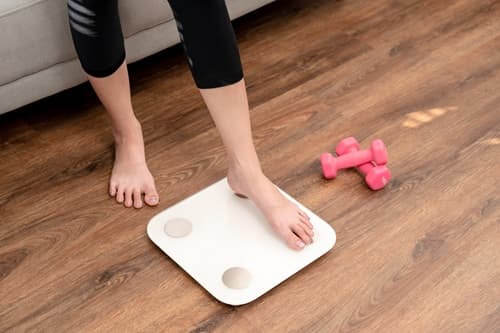
A smart scale is a technologically advanced weighing device that does considerably more than measure body weight. Unlike a traditional bathroom scale, a smart scale uses bioelectrical impedance analysis (BIA) to estimate a range of body composition metrics — including body fat percentage, muscle mass, bone density, visceral fat, water percentage, and metabolic rate — all from a single standing measurement that takes a few seconds. The data is transmitted wirelessly via Bluetooth or Wi-Fi to a dedicated smartphone app, where it is tracked, graphed, and often integrated with other fitness platforms like Apple Health, Google Fit, or Fitbit. For anyone serious about monitoring their health, fitness progress, or body composition over time, a smart scale provides the kind of granular data that a standard weight measurement simply cannot offer. Understanding what a smart scale measures, how accurately it does so, and how to interpret the metrics it produces is essential for getting meaningful value from the technology and avoiding the common frustration of misreading numbers without context.
How Does a Smart Scale Work?
The core technology in most smart scales is bioelectrical impedance analysis — BIA. When you step onto the scale barefoot, a very low, imperceptible electrical current passes through your body via metal electrodes on the scale's surface. Different tissues resist this current at different rates: fat resists it significantly, while muscle and water conduct it more readily. The scale measures this resistance (impedance) and, using proprietary algorithms that factor in your entered personal data such as age, height, and sex, calculates estimates for body composition metrics alongside your actual weight. Higher-end models use more electrode contact points and more sophisticated multi-frequency BIA to improve accuracy across a wider range of body types.
The results are sent to a companion app in seconds. Most apps store a full history of every measurement, display trend lines over days, weeks, and months, and allow you to set specific goals for metrics like body fat percentage or muscle mass. Many smart scales also support multiple user profiles, making them practical for households where several people want to track their individual data without interference.
Key Features to Look for in a Smart Scale
Body Composition Metrics
The most important differentiator between smart scales is how many body composition metrics they measure and how reliably they do so. A quality body composition scale should cover at minimum: body weight, body fat percentage, muscle mass, bone mass, body water percentage, and basal metabolic rate (BMR). Premium models add visceral fat rating, subcutaneous fat, protein levels, body age estimates, and segmental muscle analysis — breaking down muscle distribution across the left and right sides of the body and individual limbs. The breadth of metrics available varies significantly between models and price points.
App Integration and Data Tracking
The smartphone app is where a smart scale truly delivers its long-term value. Look for apps that present data clearly with trend graphs, allow manual goal setting, send notifications for measurement reminders, and sync seamlessly with major health platforms. The best apps contextualise your numbers — explaining what a body fat percentage change means in practical terms rather than displaying a raw number without guidance. Multi-device sync and cloud backup ensure data is not lost when phones are changed.
Are Body Fat Scales Accurate?
Accuracy is the most frequently asked question about smart scales, and the honest answer is nuanced. BIA-based measurements are estimates, not clinical measurements. They are affected by hydration status, recent food or exercise, time of day, skin temperature, and the quality of the scale's algorithms. Studies comparing BIA to DEXA scanning (the clinical gold standard for body composition) find that smart scales can be off by two to three percentage points for body fat in ideal conditions, and more significantly in dehydrated or post-exercise states. The practical implication is that smart scales are most valuable as trend-tracking tools rather than as absolute measurements. Measuring at the same time each day — ideally first thing in the morning, after using the bathroom and before eating — in consistent conditions minimises variability and makes the trend data much more meaningful and actionable over weeks and months.
Smart Scale Features Comparison
Who Benefits Most from Using a Smart Scale?
Smart scales are particularly valuable for people who are actively working toward a specific body composition goal — whether that is reducing body fat, building muscle, or simply monitoring health metrics as they age. They are useful for athletes who need to track body composition changes during training phases, for people on weight management programmes who want to distinguish fat loss from muscle loss, and for anyone who has realised that body weight alone is a misleading indicator of health and fitness progress. They are less critical for people simply wanting a general health check without specific body composition goals. For people returning to exercise after a period of inactivity, smart scales provide a particularly motivating form of feedback — the ability to see muscle mass gradually increasing while body fat decreases makes the effort feel tangible in a way that weight measurements alone rarely do. Many people who have given up on health tracking previously because the scale weight stopped moving despite clear physical improvements find renewed motivation when they can see body composition metrics shifting in their favour. This objective feedback loop is one of the most psychologically powerful aspects of regular smart scale use for long-term habit maintenance. Corporate and workplace wellness programmes have also adopted smart scales as a group health tracking tool, using anonymised aggregate data to monitor population-level health trends and design targeted wellness interventions more effectively. Men focused on fitness goals who complement their training with ashwagandha gummies for men — a supplement associated with testosterone support and exercise recovery — often use smart scales as part of their progress tracking routine, pairing objective data with their supplementation and training protocols.
Building a Wellness Routine Around Your Smart Scale
Getting the most from a smart scale means building consistent measurement habits and pairing the data with the right actions. Weigh daily at the same time for reliable trend data — weekly averages smooth out the day-to-day fluctuations caused by water retention, meal timing, and natural variation. Combine smart scale data with other wellness practices: regular resistance and cardiovascular training to shift your muscle-to-fat ratio, targeted nutrition to support your goals, and recovery tools that support tissue health between sessions. Some people complement their mobility and recovery routines with yoga oil used during stretching or post-workout massage supports muscle relaxation and tissue recovery — consistent recovery practices combined with objective body composition tracking create a comprehensive, evidence-based picture of how daily lifestyle choices are affecting physical health over time. Reviewing smart scale trend data monthly rather than daily removes the anxiety of short-term fluctuation and reveals whether your combined approach — training, nutrition, recovery, and supplementation — is actually moving your body composition in the intended direction. This kind of structured, data-informed feedback loop is what separates people who make sustainable progress from those who train and eat well without ever really knowing if it is working.
Frequently Asked Questions
What is a smart scale and how does it work?
A smart scale is a Bluetooth or Wi-Fi-connected weighing device that uses bioelectrical impedance analysis (BIA) to estimate body composition metrics beyond simple weight — including body fat percentage, muscle mass, bone mass, and metabolic rate. It sends measurements to a smartphone app where data is tracked and trended over time. You step on barefoot, the scale sends a tiny electrical current through your body, measures its resistance, and calculates body composition estimates using personal data you enter into the app.
What features does a smart scale offer?
Modern smart scales offer body weight, body fat percentage, muscle mass, bone mass, body water percentage, visceral fat rating, basal metabolic rate, and body age estimates. Premium models add segmental muscle analysis, protein levels, and subcutaneous fat estimates. All models connect to a smartphone app that tracks historical data and trends. Many integrate with Apple Health, Google Fit, Fitbit, and other health platforms for centralised data management.
Are smart scales accurate for body measurements?
Smart scales provide estimates, not clinical-grade measurements. BIA-based body fat measurements can be off by two to three percentage points under ideal conditions, and more significantly when hydration, recent exercise, or food intake are not controlled. They are best used as trend-tracking tools — measuring consistently at the same time each day in the same conditions makes the directional trend data reliable and actionable, even if absolute numbers carry some margin of error.
Can a smart scale track body fat and muscle mass?
Yes — tracking body fat percentage and muscle mass is the primary value proposition of a smart scale compared to a standard scale. The BIA technology estimates both metrics alongside weight. Tracking these simultaneously is particularly useful for people doing resistance training, where weight may stay stable while body fat decreases and muscle mass increases — a positive change that a regular scale would completely miss.
How does a smart scale connect to mobile apps?
Most smart scales connect to their companion smartphone apps via Bluetooth, with some higher-end models also supporting Wi-Fi for automatic background syncing without needing the app open. After stepping off the scale, the data transfers to the app automatically within seconds. Most apps are available for both iOS and Android and support multiple user profiles. Many also integrate with third-party health apps including Apple Health, Google Fit, and fitness trackers.
Who should use a smart scale?
Smart scales are most valuable for people actively working toward body composition goals — reducing body fat, building muscle, or monitoring health metrics over time. Athletes, gym-goers, people on weight management programmes, and health-conscious individuals who want more than basic weight data all benefit significantly. They are less necessary for people with no specific body composition goals who are simply checking general weight periodically.
What are the benefits of using a smart scale regularly?
Regular use provides trend data on body composition changes that body weight alone cannot reveal — distinguishing fat loss from muscle loss, tracking visceral fat reduction, and identifying plateaus in specific metrics. It supports more informed decisions about training, nutrition, and recovery. Consistent daily measurement, with weekly averages reviewed for direction, creates a reliable, evidence-based picture of how lifestyle habits are affecting body composition over weeks and months.
Key Takeaways
• A smart scale uses bioelectrical impedance analysis (BIA) to estimate body composition metrics including fat, muscle, bone mass, and metabolic rate beyond simple weight.
• Measurements transfer wirelessly to a smartphone app that tracks historical trends, supports goal setting, and integrates with major health platforms.
• BIA measurements are estimates — accuracy is improved by measuring consistently at the same time each day in controlled hydration and food intake conditions.
• Smart scales are most valuable as trend-tracking tools — directional changes over weeks and months are more meaningful than any single measurement.
• Tracking body fat and muscle mass simultaneously reveals body composition changes that body weight alone completely misses.
• Premium models add visceral fat rating, segmental muscle analysis, and multi-user profile support for household use.
• Pairing smart scale data with consistent training, targeted nutrition, and recovery practices creates a comprehensive, evidence-based wellness routine.
Share this article: