Soothing gel
Uniquely formulated gel with wintergreen oil containing natural methyl salicylate.

₹349.00
₹299.00
4.6

2026-04-08 • 5 min read
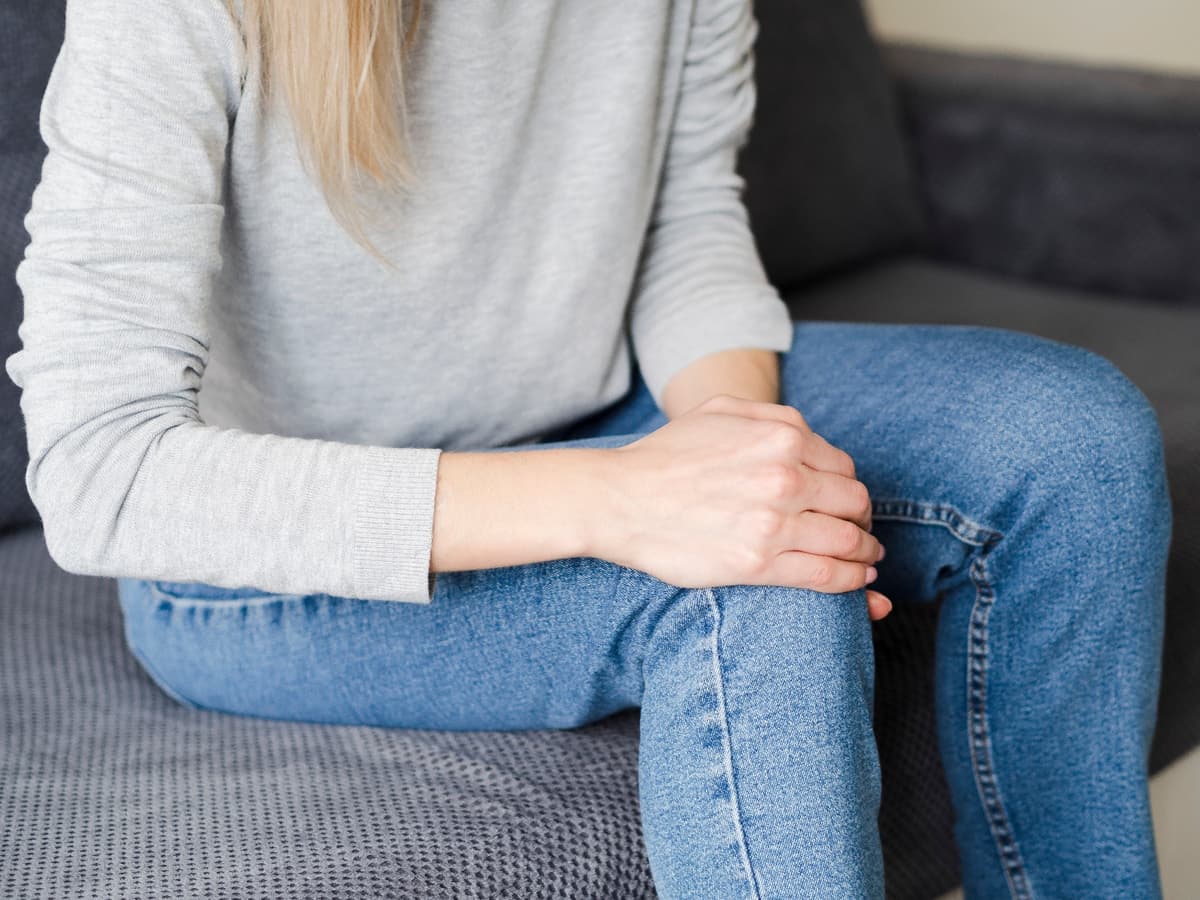
What causes knee pain in females? The most common causes include hormonal fluctuations (especially declining estrogen during menopause), gradual wear and tear of knee cartilage (osteoarthritis), wider hip-to-knee angles that alter joint alignment, excess body weight, chondromalacia patella, meniscus tears, and ligament injuries. Women are nearly twice as likely as men to experience knee pain due to a combination of anatomical, hormonal, and lifestyle factors.
If you’ve ever winced while climbing stairs, felt a dull ache after sitting cross-legged, or noticed your knees stiffen on cold mornings, you’re far from alone. Knee pain affects millions of women worldwide, and research suggests women are nearly twice as likely as men to develop chronic knee discomfort. But what causes knee pain in females specifically, and why does damage to knee cartilage seem to strike women harder?
The answers lie at the intersection of hormones, anatomy, and daily habits. From the protective estrogen that begins declining in your 40s to the unique biomechanics of the female pelvis, multiple factors converge to put women’s knees under disproportionate stress. Understanding these causes is the first step toward reclaiming pain-free movement, and this guide will walk you through every one of them.
Whether you’re a 25-year-old runner dealing with front-of-knee soreness or a 55-year-old navigating menopausal joint stiffness, this article is your roadmap. We’ll cover the science, the symptoms, the prevention strategies, and the holistic approaches—including Ayurvedic solutions—that can help you protect your knee cartilage for the long term.
Before diving into specific conditions, it’s essential to understand the structural and biological reasons that make female knees inherently more vulnerable.
Women have a naturally wider pelvis, which creates a larger angle (called the Q-angle) between the hip and knee. This increased angle pulls the kneecap slightly outward during movement, creating uneven pressure across the knee cartilage and making conditions like chondromalacia patella and patellofemoral pain syndrome far more common in women.
Estrogen plays a protective role in maintaining cartilage integrity, synovial fluid quality, and ligament elasticity. During the menstrual cycle, fluctuating estrogen levels can temporarily increase ligament laxity, raising injury risk. After menopause, the sustained decline in estrogen accelerates cartilage degradation and bone density loss, which is why osteoarthritis rates climb sharply in postmenopausal women.
Women generally have lower quadriceps-to-hamstring strength ratios compared to men. Since the quadriceps are a primary stabilizer of the kneecap, this imbalance can lead to tracking issues and increased cartilage stress. Female ligaments also tend to be more lax, offering less passive support to the joint during high-impact activities.
Osteoarthritis is the single most common reason behind chronic knee pain in women over 45. It occurs when the protective articular cartilage that cushions the ends of the bones gradually wears down. Hormonal changes after menopause accelerate this process, as declining estrogen reduces the cartilage’s ability to repair itself. Symptoms include morning stiffness, a grinding or crepitus sensation, and progressive pain that worsens with activity.
Often called “runner’s knee,” chondromalacia patella involves the softening and breakdown of cartilage on the undersurface of the kneecap. It disproportionately affects women because of their wider Q-angle and is especially common among young, active females. The hallmark symptom is a dull ache behind or around the kneecap that gets worse when squatting, kneeling, or using stairs. Rest, targeted strengthening exercises, and proper alignment correction are the first lines of treatment.
Knee pain in females frequently tracks with hormonal cycles. During the luteal phase of menstruation, rising progesterone and fluctuating estrogen can increase joint laxity and fluid retention, contributing to knee discomfort. Pregnancy hormones (relaxin) loosen ligaments throughout the body, including the knees. Menopausal estrogen decline, however, is the most significant hormonal trigger for long-term knee cartilage deterioration.
Every additional kilogram of body weight translates to roughly three to four kilograms of extra force on the knee joint during walking. For women, who are statistically more likely to carry weight around the hips and thighs, this biomechanical reality puts enormous strain on knee cartilage. Even modest weight loss of 5–10% can produce measurable reductions in knee pain and slow cartilage degradation.
Women are two to eight times more likely than men to suffer anterior cruciate ligament (ACL) tears, particularly in sports involving jumping, pivoting, or sudden stops. Hormonal ligament laxity, neuromuscular control differences, and biomechanical landing patterns all play a role. A torn ACL destabilizes the entire knee, accelerating wear on the meniscus and cartilage if left unaddressed.
The meniscus is a C-shaped piece of cartilage that acts as a shock absorber between the thighbone and shinbone. Tears can result from acute twisting injuries or gradual degeneration, especially in women over 40 whose cartilage has weakened with age. Symptoms include knee locking, catching, and swelling that worsens with activity.
PFPS is one of the most common knee complaints in teenage girls and young women. It presents as pain around or behind the kneecap, worsened by prolonged sitting, stair climbing, or squatting. The condition is closely linked to muscle imbalances, flat feet, and the wider female pelvis.
Rheumatoid arthritis is an autoimmune condition in which the immune system attacks the joint lining (synovium), causing chronic inflammation, swelling, and eventually joint deformity. Women are two to three times more likely than men to develop RA, and it commonly begins between ages 30 and 60. Unlike osteoarthritis, RA typically affects both knees symmetrically.
Knee cartilage is the unsung hero of pain-free movement. It’s a firm yet flexible connective tissue that covers the ends of bones within the joint, preventing friction and absorbing shock with every step, squat, and stair climb.
The trouble with cartilage is that it has very limited blood supply. Unlike muscle or skin, damaged knee cartilage cannot regenerate on its own once significantly worn. This is why prevention—through weight management, targeted exercise, and nutritional support—is vastly more effective than trying to reverse advanced cartilage loss.
For women, estrogen’s decline during menopause removes a critical chemical signal that helps cartilage cells (chondrocytes) maintain tissue integrity. This is why postmenopausal women face a steeper cartilage decline compared to men of the same age, and why proactive knee care should ideally begin well before menopause.
Knowing where your pain is located and when it worsens can help you (and your doctor) narrow down the cause. Use this table as a quick reference:
If your symptoms match multiple categories or have persisted for more than two weeks, it’s worth consulting a healthcare professional for a thorough evaluation.
Let’s zoom in on the biology. Estrogen receptors are present in cartilage cells, synovial tissue, and ligaments. When estrogen is circulating at healthy levels, it stimulates the production of proteoglycans—molecules that help cartilage retain water and maintain its cushioning properties. It also modulates inflammatory cytokines, keeping joint inflammation in check.
As estrogen drops, several things happen simultaneously. Cartilage becomes drier and more brittle, making it susceptible to microdamage. Synovial fluid—the lubricant inside the joint—becomes less viscous. Bone density decreases, altering the mechanics of load distribution. Inflammatory mediators increase, creating a low-grade chronic inflammation that further degrades cartilage. Research has also identified that rising follicle-stimulating hormone (FSH) levels in postmenopausal women may independently accelerate cartilage damage through inflammatory signaling pathways.
Combine these hormonal shifts with the anatomical factors (wider Q-angle, lower muscle mass) and lifestyle stressors (sedentary habits, inadequate nutrition), and you have a perfect storm for knee pain in females.
Targeted quadriceps, hamstring, and gluteal exercises are the single most effective non-pharmacological intervention for knee pain. Strong muscles act as shock absorbers, reducing the load on your cartilage. Wall sits, clamshells, straight-leg raises, and step-ups are excellent starting points.
Reducing body weight by even 5 kg can cut knee joint stress by 15–20 kg during daily activities. A balanced diet rich in anti-inflammatory foods (leafy greens, turmeric, omega-3 fatty acids) supports both weight management and cartilage health.
Swimming, cycling, yoga, and walking are gentler on the joints while still building supporting muscle. If you enjoy running, ensure you have proper footwear and consider adding Ayurvedic oil-based therapies for joint care to your recovery routine.
Collagen, vitamin C, vitamin D, calcium, and omega-3s all play roles in maintaining healthy cartilage. Consider adding turmeric (curcumin) and ginger to your diet for their well-documented anti-inflammatory benefits.
For women seeking a plant-based approach to everyday knee comfort, Reset Instant Ease Tablets are formulated with five potent herbs—White Willow, False Black Pepper, Thyme, Jeera, and Long Pepper—that have been traditionally used to support joint comfort and ease occasional discomfort. Free from chemicals and preservatives, these tablets fit naturally into a daily wellness routine.
Both systems offer valuable tools. The key is choosing the right approach for your situation:
Many women find that a combined approach works best: conventional medicine for acute flare-ups and advanced structural issues, and Ayurvedic wellness practices for daily prevention, ongoing comfort, and long-term joint support. If you’re dealing with muscle pain alongside knee discomfort, or struggling with back pain that compounds your mobility issues, Ayurvedic holistic care can address multiple pain points simultaneously.
While many cases of knee pain respond well to home care, you should seek medical attention if:
•Your knee is visibly swollen, red, or warm to the touch.
•You cannot bear weight on the affected leg.
•Your knee locks, catches, or gives way unexpectedly.
•Pain persists for more than two weeks despite rest and home remedies.
•You heard a popping sound during an injury.
•You experience fever alongside joint pain (which may indicate infection).
Non-injury knee pain is surprisingly common and can result from osteoarthritis (age-related cartilage wear), chondromalacia patella, rheumatoid arthritis, bursitis, tendonitis, gout, or even referred pain from hip or lower back problems. In women, hormonal fluctuations during menstruation or menopause can trigger knee discomfort without any direct trauma. Obesity, prolonged sitting, and vitamin D deficiency are additional non-traumatic contributors.
Pain during both bending and straightening often points to conditions affecting the kneecap (patella) or the cartilage beneath it. Chondromalacia patella, patellofemoral pain syndrome, and early-stage osteoarthritis are the most likely causes. A meniscus tear can also produce pain through the full range of motion, often accompanied by a catching or clicking sensation. If the pain is sharp and localized, a loose body (small cartilage fragment) within the joint may be responsible.
Small, peripheral meniscus tears (in the outer, blood-rich zone) can sometimes heal with conservative care. The RICE protocol (rest, ice, compression, elevation) is the first step, followed by gentle range-of-motion exercises and gradual strengthening. Anti-inflammatory nutrition (turmeric, omega-3s, ginger) can support healing. In Ayurveda, therapies such as Janu Basti (warm medicated oil pooling over the knee), herbal compresses, and internal formulations containing Guggulu and Ashwagandha are used to reduce inflammation and support cartilage repair. However, tears in the inner (avascular) zone or severe complete tears typically require surgical intervention. Always consult a qualified healthcare provider for diagnosis.
The first-line treatment for chondromalacia patella is conservative and centers on targeted physiotherapy to strengthen the quadriceps (especially the vastus medialis oblique), correct patellar tracking, and improve hip stabilizer strength. Other effective measures include activity modification (avoiding deep squats and prolonged kneeling), using knee braces or patellar-tracking sleeves, applying ice after exercise, and maintaining a healthy weight. If conservative measures fail, arthroscopic procedures to smooth the cartilage or realign the kneecap may be considered. Many women also find relief with herbal anti-inflammatory support, such as Reset Instant Ease Tablets, which combine White Willow, False Black Pepper, Thyme, Jeera, and Long Pepper for plant-based comfort.
Inner (medial) knee pain that worsens at night or while sleeping is often linked to medial meniscus irritation, medial collateral ligament (MCL) strain, pes anserine bursitis, or early osteoarthritis of the medial compartment. When you sleep, reduced blood flow and prolonged positioning can increase stiffness and inflammation buildup. Sleeping with a pillow between your knees can help maintain proper alignment and reduce pressure. If the pain is persistent, waking you from sleep, or accompanied by swelling, seek medical evaluation.
🌿 Golden Rules for Knee Health
Move daily: at least 30 minutes of low-impact exercise.
Strengthen before you stretch: strong quadriceps and glutes are your kneecap’s best friends.
Maintain a healthy weight: every kilogram lost reduces 3–4 kg of force on your knees.
Eat for your cartilage: prioritize vitamin C, D, omega-3s, and anti-inflammatory spices.
Listen to your body: sharp or persistent pain is a signal, not a challenge to push through.
Choose supportive footwear: avoid prolonged use of high heels or flat, unsupportive shoes.
Explore plant-based support: herbal formulations like Reset Instant Ease Tablets can complement your daily knee care.
Understanding what causes knee pain in females is more than an academic exercise—it’s the foundation for meaningful, lasting change. Your knee cartilage may not regenerate easily, but it can be protected, supported, and preserved through the right combination of strength training, weight management, hormonal awareness, and holistic care.
Every woman’s knee story is different, but the fundamentals remain the same: move with intention, nourish your joints, seek help early, and never dismiss persistent pain as “just part of getting older.” Your knees carried you here. With the right care, they’ll carry you forward—stronger and pain-free.
Explore the full range of Reset wellness products designed to support your journey toward natural, plant-based comfort.
Share this article:
Uniquely formulated gel with wintergreen oil containing natural methyl salicylate.
₹349.00
₹299.00
A 2X more powerful formula for enhanced relief.

₹799.00
₹649.00
dose of radiance for skin and hair

₹439.00
An easy to apply potent formula with roll-on massager

₹549.00
₹449.00
| Cause | Who It Affects Most | Key Symptom |
|---|---|---|
| Osteoarthritis (OA) | Women above 45–50 | Stiffness, grinding, swelling |
| Chondromalacia patella | Young active women, runners | Front-of-knee pain on stairs |
| Hormonal fluctuations | Menstruating and menopausal women | Cyclical joint aches |
| Obesity / excess weight | All age groups | Dull, worsening pain with activity |
| ACL / ligament injuries | Athletes, physically active women | Instability, popping sound |
| Meniscus tears | Active women, women above 40 | Locking, catching, swelling |
| Patellofemoral pain syndrome | Teenage girls, young women | Pain sitting long or on stairs |
| Rheumatoid arthritis (RA) | Women 30–60 | Symmetrical joint swelling, fatigue |
| Cartilage Type | Location | Function |
|---|---|---|
| Articular cartilage | Covers ends of femur, tibia, and back of patella | Allows smooth, frictionless movement |
| Meniscus (medial) | Inner side of knee joint | Shock absorption, load distribution |
| Meniscus (lateral) | Outer side of knee joint | Stability, cushioning during movement |
| Condition | Pain Location | Worse During | Other Signs |
|---|---|---|---|
| Osteoarthritis | General / inner knee | Walking, climbing stairs | Morning stiffness, crepitus |
| Chondromalacia patella | Front of knee / behind kneecap | Squatting, kneeling, stairs | Grinding sensation |
| Meniscus tear | Inner or outer knee | Twisting, pivoting | Knee locking, swelling |
| ACL injury | Deep within knee | Sudden stops, direction change | Popping at time of injury |
| Rheumatoid arthritis | Both knees (symmetrical) | Morning, after rest | Fatigue, warm joints |
| Patellofemoral syndrome | Around or behind kneecap | Sitting long, stairs | Buckling sensation |
| Parameter | Ayurvedic Approach | Allopathic Approach |
|---|---|---|
| Philosophy | Root-cause correction via dosha balance | Symptom management and structural repair |
| Pain relief | Herbal formulations (White Willow, Thyme, Long Pepper) | NSAIDs, corticosteroid injections |
| Cartilage support | Guggulu, Ashwagandha, warm oil therapies | Glucosamine supplements, hyaluronic acid |
| Inflammation control | Turmeric, Jeera, herbal compresses | Anti-inflammatory drugs |
| Side effects | Minimal when used correctly | Gastric issues, dependency risk |
| Long-term strategy | Diet, yoga, lifestyle modification | Physiotherapy, surgery if needed |
| Best for | Mild–moderate chronic knee pain | Acute injury, advanced degeneration |