
What Are Purine-Rich Foods? A Complete Guide
2025-11-28 • 5 min
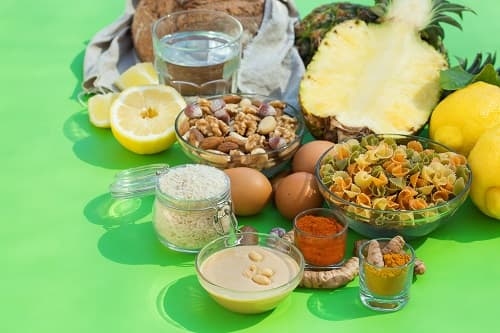
Concerned about your uric acid, gout, joint pain, or risk of kidney stones? You’re probably looking for what are purine-rich foods, so you can limit their intake. It may be confusing at first, but let’s cut through the noise and walk through the basics in a simple, clear, and practical way.
Let’s break down — what is purine food, which are purine-rich foods, how they affect your health, and how to balance your diet to maintain your vitals.
This guide will walk you through what purines are, which are purine-rich foods, how they affect your health, what are high purine foods, and how to balance your diet without becoming paranoid about every bite. We’ll also touch on how lifestyle choices, good habits, and the right wellness product (like a yoga oil to support movement and flexibility) fit into the bigger wellness picture.
1. First things first: What are purines?
Purines are natural chemical compounds found in your body and in many foods. They’re part of your DNA and your cells, so they’re not “bad” by default. Your body uses purines for normal functions like:
Building and repairing cells
Supporting energy production
Helping with metabolism
When your body breaks down purines, they form uric acid. Normally, uric acid dissolves in your blood, travels to your kidneys, and gets excreted in urine.
Problems start when:
Your body makes too much uric acid, or
Your kidneys don’t remove enough of it
Then uric acid can build up in the blood, forming sharp crystals in joints and tissues. That’s where gout, joint pain, and inflammation come into the picture.
So when you ask “what is purine food”, what you’re really asking is: which foods contain high levels of purines that might raise uric acid in my body?
2. So… what are purine-rich foods?
Let’s break this down in plain language.
Purine-rich foods are foods that contain a high amount of purines, and when they’re digested, they can contribute more to uric acid levels. People who have gout, high uric acid, or a family history of these issues are usually advised to limit them.
If you’ve ever wondered “which are purine-rich foods”, here’s the simple idea:
These are mostly organ meats, certain seafood, some meats, and a few plant-based sources that are denser in purines than others.
You’ll see a lot of doctors and dietitians refer to what are high purine foods in the context of uric acid control. They’re not saying you can never eat them again, but that you need to be mindful of frequency and portion size—especially if you already struggle with joint pain or gout.
We’ll come to a high purine foods list in a minute, but first, let’s categorize things properly.
3. Categories of purine-containing foods
Not all purine-containing foods are equal. Many healthy foods contain purines but don’t seem to trigger gout or inflammation as strongly.
You can think of it in three rough levels:
High-purine foods – best to limit or avoid if you have high uric acid
Moderate-purine foods – okay in controlled portions
Low-purine foods – generally safe and encouraged
When you ask “what are purine-rich foods” or “which are purine-rich foods”, most experts are talking about that first category: the ones that significantly impact uric acid levels when eaten regularly and in large amounts.
4. High purine foods list
Now let’s get practical. Here’s a high purine foods list to give you clarity.
4.1 Organ meats (very high purine)
These are some of the top items when we talk about what are high purine foods:
Liver (chicken, mutton, beef, etc.)
Kidney
Heart
Brain
Sweetbreads
These are classic purine-rich foods and strongly linked with gout flare-ups in people who are sensitive.
If someone asks you “what is purine food that I should avoid first?”, organ meats should be at the top of that list.
4.2 Certain meats
Regular muscle meats also contain purines, though usually less than organ meats:
Red meat (mutton, beef, pork)
Chicken
Turkey
Duck
These fall under purine-rich foods but are often considered moderate to high. How much they affect you depends on:
Your overall diet
Your kidney function
How prone you are to uric acid buildup
Instead of completely eliminating them, many people do better by reducing frequency and portion size, and prioritizing leaner cuts.
4.3 Seafood and fish
Seafood is another big category when discussing what are purine-rich foods:
High purine seafood:
Anchovies
Sardines
Mackerel
Herring
Mussels
Scallops
Trout
Tuna
These are typically included in any high purine foods list, especially for individuals with gout.
Other seafood like prawns and crabs have moderate purine content and can be taken occasionally in small portions, depending on your individual tolerance and doctor’s advice.
4.4 Certain plant-based foods
Here’s where it gets interesting. Some plant foods are relatively high in purines:
Mushrooms
Spinach
Cauliflower
Asparagus
Peas
Lentils and some dals
Beans (rajma, chana, etc.)
Now, you might wonder: If these are purine-rich foods, should I avoid them?
In most cases, no. Plant-based purines don’t seem to have the same strong association with gout attacks as animal-based purines. They come packaged with fiber, vitamins, minerals, and antioxidants, so most people can still eat them in moderation.
So when you ask “what is purine food in vegetables?”, remember: they may contain purines, but they also support health in many other ways. Unless your doctor has told you to strictly restrict them, it’s usually about balance, not elimination.
5. Moderate and low purine foods
If you’re worried about uric acid, here’s the good news: there’s a large set of foods that are either low in purines or helpful in managing uric acid balance.
5.1 Moderate purine foods (handled with portion control)
These might appear in a high purine foods list sometimes, but they are often more like “medium” rather than extreme:
Chicken (skinless, in small portions)
Some fish (like salmon)
Lentils and pulses in moderate amounts
Certain veggies like peas and spinach
If you’re asking “which are purine-rich foods I can still eat occasionally?”, these moderate ones can stay in your life with sensible portion sizes and plenty of hydration.
5.2 Low purine foods (generally safe, even for high uric acid)
These are your daily allies:
Most fruits: apples, oranges, berries, bananas, papaya, etc.
Most vegetables: carrots, cucumbers, tomatoes, bottle gourd, pumpkin, etc.
Whole grains: oats, brown rice, atta (whole wheat), millets
Low-fat dairy: curd, toned milk, paneer in moderation
Nuts and seeds: almonds, walnuts, chia seeds, flaxseeds (in sensible amounts)
Healthy fats: small amounts of cold-pressed oils
When someone’s confused about what are purine-rich foods vs what’s safe, this low-purine group is your base. Build your meals around these while limiting very high-purine items.
6. Other things that affect uric acid (beyond purine-rich foods)
Here’s the thing: diet matters a lot, but it’s not the whole story.
Even if you avoid purine-rich foods, you can still struggle with uric acid and gout if:
You’re chronically dehydrated
You drink a lot of sugary soft drinks or fruit juices
You’re taking certain medications that affect kidney function (under medical supervision)
You’re overweight or have metabolic issues
Some lifestyle factors that make a real difference:
6.1 Hydration
Water helps your kidneys flush out uric acid. Simple rule:
Aim for enough clear fluids through the day
Include water, infused water, herbal teas (unsweetened), or diluted buttermilk
6.2 Sugar and refined carbs
Even if you’re careful about which are purine-rich foods, too much sugar can worsen things:
Sugary drinks (colas, packaged juices)
Excess sweets, pastries, white bread
High-fructose syrups
These don’t contain purines themselves but can influence uric acid metabolism and weight.
6.3 Alcohol
Alcohol—especially beer—shows up in almost every discussion about what are high purine foods and triggers for gout. It affects both:
Uric acid production
Uric acid excretion
If you already have high uric acid, it’s wise to limit or avoid alcohol, particularly beer and spirits.
7. Putting it together: what is purine food in daily life?
If someone asked you “what is purine food” and you had to answer in one sentence, you could say:
Purine food is any food that contains purines, which the body breaks down into uric acid—some foods have low levels, some are moderate, and some are very rich in purines and can raise uric acid more significantly.
When you see lists about what are purine-rich foods or purine-rich foods to avoid, they are mainly trying to help people with:
Gout
High uric acid
Kidney stone risk (certain types)
Arthritis-like symptoms caused or worsened by urate crystals
The key is to know which foods are clearly in the “high risk” group and which ones you can still enjoy with balance.
So when you look at any high purine foods list, don’t panic. Use it as information, not fear.
8. Simple meal and lifestyle strategies
Now let’s turn this into actual day-to-day choices rather than just theory about purine-rich foods.
8.1 Build your plate smartly
Focus your regular meals on:
Half plate: vegetables (mostly low-purine ones)
Quarter plate: whole grains or complex carbs
Quarter plate: protein (balanced between plant-based and moderate animal sources)
Animal-based purine-rich foods (like red meat and certain fish) don’t have to vanish overnight, but they shouldn’t be the center of every single meal if you’re dealing with uric acid issues.
8.2 Rotate your protein sources
If you’re used to getting all your protein from meat, try mixing it up:
Some days: dal, chana, rajma in moderate servings
Some days: paneer or low-fat curd
Some days: eggs (if allowed by your doctor or nutritionist) in limited quantity
Limit organ meats, heavy red meat dishes, and frequent high-purine seafood
This way, you’re not overstressing your system with constant purine-rich foods.
8.3 Support joint comfort and mobility
Diet is only one pillar of wellness. Movement and joint care matter too, especially when high uric acid is causing stiffness or pain.
Gentle stretching and regular walking
Basic yoga flows that improve circulation
Mindful practices that reduce stress (since stress can worsen inflammation)
Many people also use supportive wellness product options like a yoga oil for external application to help with:
Warm-up before activity
Easing stiffness after a long day
Supporting flexibility around joints and muscles
A good wellness product like a herbal or Ayurvedic yoga oil doesn’t change uric acid levels directly, but it can make it easier and more comfortable for you to stay active—which indirectly supports your metabolic and joint health.
You might, for example, gently massage yoga oil into your calves, knees, or lower back before doing stretches, helping your body feel more open and ready to move. Over time, this combination of mindful movement, a sensible diet that avoids too many purine-rich foods, and supportive topical care can create real change in how your body feels.
9. FAQs: quick answers to common doubts
Q1: Are all purines bad?
No. Purines are a normal part of your body chemistry. The problem isn’t purines themselves but excess uric acid and crystals forming in joints. That’s why the conversation is not “purine = bad”, but rather “what are high purine foods and how much of them is safe for me?”
Q2: Do I have to eliminate all non-veg if I have high uric acid?
Not always. Many people manage well by:
Cutting down organ meats
Reducing frequent red meat-heavy meals
Choosing smaller portions
Balancing with low purine vegetables and whole grains
Your doctor or dietitian is the best person to guide this, but the short answer is: it’s about control and balance, not complete punishment.
Q3: What about plant foods like dal, beans, mushrooms?
These do contain purines, but they also bring a lot of health benefits. For most people, they’re okay in moderation.
When someone asks “which are purine-rich foods in vegetarian diets?”, dal and beans do come up, but they’re rarely the first thing a doctor will remove. Meat and alcohol are usually addressed first.
Q4: Can lifestyle alone fix high uric acid?
For some people, diet, hydration, weight management, and exercise can bring uric acid down to a healthier range. For others, especially those with genetic tendencies or kidney issues, medication may be needed alongside lifestyle changes.
Using tools like:
A conscious approach to what are purine-rich foods
Avoiding items in the high purine foods list on a daily basis
Staying active, using supportive measures like a wellness product such as yoga oil for comfort during movement
…can all help as part of an integrated approach
10. Key takeaways
Let’s wrap this up clearly so you don’t have to reread the whole thing later.
Purines are natural compounds in your body and food. They’re not the enemy by themselves.
When broken down, they produce uric acid. Too much uric acid or poor clearance from the body can lead to gout and joint problems.
If you’re asking what are purine-rich foods, think organ meats, certain meats, and some seafood first.
A typical high purine foods list will include:
Liver, kidney, brain, other organ meats
Red meat and some poultry (in excess)
Certain fish and seafood like sardines, anchovies, mackerel, herring
Some plant-based foods (dal, beans, spinach, mushrooms) contain purines but are usually not as problematic and offer many benefits.
Understanding what is purine food helps you make smarter choices, not fearful ones.
Ask which are purine-rich foods in your regular diet and start by cutting back on those first—especially if you already have high uric acid.
Support your body with:
Good hydration
Lower sugar intake
Controlled alcohol consumption
Regular movement, stretching, and possibly supportive wellness product choices like a good yoga oil to make activity more comfortable.
The goal is not to live in fear of food, but to understand what are high purine foods, where they show up in your meals, and how to balance them with smarter habits.
Share this article: