
What Are Muscle Spasms? Causes, Symptoms & Natural Relief Explained
2025-11-19 • 5 min
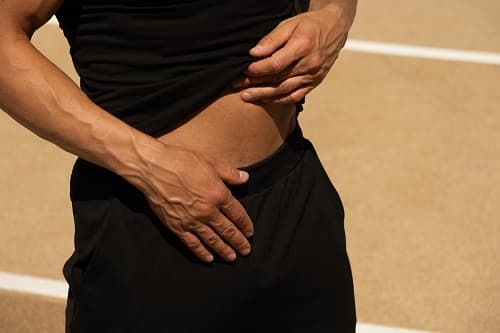
A muscle spasm – often experienced as a sudden, painful cramp or twitch – can hit you out of the blue. One minute you’re fine, and the next, your calf or back muscle is clenched in an involuntary vice grip of pain. If you’ve ever been woken up in the middle of the night by a charley horse in your leg, or had a foot cramp at the gym, you know how excruciating and frustrating muscle spasms can be. But what exactly causes these spasms, and more importantly, how can you prevent and treat them naturally? In this article, we’ll break down the common causes of muscle spasms and then explore effective Ayurvedic solutions and remedies – including some tips from Reset’s natural product range – to help you find relief and stop muscle spasms in their tracks.
What Are Muscle Spasms (Muscle Cramps)?
A muscle spasm is an involuntary contraction of a muscle or a group of muscles. Unlike a deliberate movement (say, flexing your bicep), a spasm happens without your control and the muscle refuses to relax. Spasms can range from a mild twitch (like when your eyelid inexplicably flutters) to a intense cramp that knots the muscle up. The most common sites for painful spasms are the calves (think of the classic “charley horse”), feet, thighs, and sometimes the back or neck. When a spasm is strong, the muscle can feel hard to the touch and be tender for a day or two afterwards.
Muscle spasms themselves are usually brief, but the aftermath can include lingering soreness. They’re generally not dangerous in isolation (many people get occasional cramps), but frequent or severe muscle spasms could interfere with daily activities – imagine catching a cramp every time you go for a run, or dealing with back spasms that make it hard to move.
Common Causes of Muscle Spasms
Muscle spasms have a variety of triggers. Understanding these causes is the first step in preventing them. Here are some of the most common culprits:
Dehydration: Not drinking enough fluids is a major cause of muscle cramps. When you’re dehydrated, your muscles are more prone to contracting unexpectedly. This is especially true if you’re sweating a lot (during exercise or even due to high heat) and not replacing lost fluids.
Electrolyte Imbalance: Along with fluid, you lose electrolytes like sodium, potassium, magnesium, and calcium when you sweat. These minerals are crucial for proper muscle function. If they fall out of balance – for example, too little potassium or magnesium – muscles can spasm. Ever heard that eating bananas helps prevent leg cramps? It’s because bananas are rich in potassium. Magnesium, meanwhile, plays a role in muscle relaxation; low magnesium is a known contributor to cramps.
Muscle Fatigue or Overuse: Overworking a muscle, especially if you haven’t conditioned it for that activity, can lead to spasms either during the activity or later (even during sleep). For instance, running a much longer distance than you’re used to or doing an excessive number of reps in the gym can exhaust the muscle fibers, and an exhausted muscle can start firing erratically. Not enough stretching before or after exercise can exacerbate this.
Poor Circulation: Sometimes, muscles that aren’t getting enough blood flow cramp up. This might happen during exercise if circulation is impaired, or if you sit or sleep in an awkward position that pinches blood vessels (leading to the classic waking up with a calf cramp).
Nerve Compression: Issues in the spine, like a pinched nerve or spinal misalignment, can cause muscle spasms in the back or even in the legs. Essentially, if nerves that serve a muscle are irritated, they might make the muscle contract involuntarily.
Stress and Cold Temperatures: High stress or anxiety can increase muscle tension overall, setting the stage for spasms. Likewise, being in cold conditions can cause muscles to contract (shiver) and sometimes spasm, since cold muscles are less flexible.
Mineral or Vitamin Deficiencies: Beyond the big electrolytes, deficiencies in certain vitamins (like Vitamin D or B vitamins) have been linked to muscle cramps in some cases. These nutrients play supporting roles in muscle and nerve function.
Often, a combination of factors is at play – for example, a fatigued athlete on a hot day who hasn’t had enough water and electrolytes is a prime candidate for muscle spasms.
(Note: If you experience muscle spasms very frequently or severely, it’s wise to consult a healthcare provider to rule out any underlying medical conditions. Conditions like thyroid disorders, kidney issues, or nerve disorders can also cause spasms, though these are less common.)
Muscle Spasm or Something Else?
It’s worth noting that muscle spasms (cramps) are different from muscle spasticity, which is a term usually related to neurological conditions causing continuous muscle tightness. Typical exercise-related or sporadic muscle cramps are benign, whereas spasticity from conditions like multiple sclerosis is a different scenario with different treatments. Here we’re focusing on common muscle spasms/cramps that most people experience at some point.
Quick Relief: What to Do When a Spasm Strikes
If you’re in the throes of a painful muscle cramp, the priority is to get the muscle to relax. Here are immediate steps to find relief:
Gently Stretch the Muscle: This is the most direct way to counteract the cramp. If your calf is spasming, flex your foot (toes toward your nose) to stretch the calf muscle. If your hamstring is cramping, straighten your leg and reach to stretch the back of your thigh. It might hurt to stretch at first, but do it gently and hold the stretch – you’ll often feel the cramp release. Stretching the affected area is one of the best first-line treatments for spasms.
Massage the Area: Use your hands or a massage tool to rub and knead the muscle. This can help it relax and increase blood flow. Even just pressing firmly with your fingers and making small circles on the muscle can encourage the spasm to dissipate.
Apply Heat (or Cold): A warm towel or heating pad can soothe a tight muscle and improve circulation. Some people find relief with ice, especially if the muscle is also sore; but generally heat works better for a cramp in the moment. You could alternate – warm the muscle for a minute, then briefly apply ice – to see which helps more.
Get Up and Move (if possible): If the cramp isn’t debilitative, try to stand up and walk it out. Sometimes just using the muscle lightly signals it to relax. For example, with leg cramps, putting weight on the leg (carefully) and walking can resolve the spasm.
Hydrate and Replenish Electrolytes: Cramps often signal you’re low on fluids or minerals. Sip some water, or even better, a drink with electrolytes (like coconut water or an electrolyte solution). If you have a sports drink handy that can work, though an all-natural option like lightly salted lemonade or coconut water can be gentler.
Use a Fast-Acting Herbal Spray: A great tip for quick relief is to use an herbal muscle spray designed for cramps. For instance, Reset’s Pain Relief Spray can be a lifesaver during a spasm. Just grab the spray and apply it to the cramping muscle – it works as a targeted muscle spasm treatment. The spray’s formula contains ingredients like wintergreen (a natural analgesic), menthol and camphor (which provide cooling relief), and Nirgundi (Vitex negundo), a herb celebrated in Ayurveda for relieving muscle and joint pain. The nearly instant cooling and penetrating action of the spray helps the muscle fibers relax and eases the pain. Keep a bottle in your gym bag or near your bedside if you often get night cramps. It’s a convenient, mess-free way to tackle a spasm on the spot.
Most muscle cramps will subside in a few minutes with these interventions. Afterwards, you might feel a dull ache – that’s normal. Treat the area gently, and consider some of the preventive measures below to avoid future spasms.
Preventing Muscle Spasms: Lifestyle and Ayurvedic Approaches
Prevention is key, especially if you frequently suffer from muscle spasms. Here’s how you can reduce the likelihood of cramps, with a focus on natural and Ayurvedic strategies:
Stay Hydrated, Stay Happy (Muscles Love Water)
We’ve said it before, but it’s worth repeating: hydrate, hydrate, hydrate. Make it a habit to drink water throughout the day, not just when you’re exercising. If you’re doing a long or intense workout, consider drinks that replenish electrolytes. An easy homemade option is water with a squeeze of lemon or orange and a pinch of sea salt (and a touch of honey if you want). This provides sodium, potassium, a bit of magnesium, and natural sugars to help absorption. Herbal teas like ginger or mint can also contribute to hydration and provide muscle-friendly minerals.
Eat Your Electrolytes
Ensure your diet includes foods rich in the minerals that muscles need:
· Potassium: Bananas, coconut water, oranges, sweet potatoes, and spinach are great sources.
· Magnesium: Nuts (almonds, cashews), seeds (pumpkin, chia), legumes, whole grains, and dark leafy greens are magnesium-rich. Magnesium is often called “nature’s muscle relaxant,” and for good reason – it plays a role in preventing over-contraction of muscles.
· Calcium: Dairy products, fortified plant milks, sesame seeds (tahini), and green veggies like broccoli provide calcium, which is crucial for muscle contraction and relaxation balance.
If you suspect you’re not getting enough, talk to a healthcare provider; sometimes a magnesium supplement at night can help those who get frequent nocturnal leg cramps. Just be sure not to overdo supplements without guidance.
Stretch and Warm Up
Tight muscles are more likely to cramp. Incorporate regular stretching into your routine, especially for areas that tend to spasm for you. Warm up before intense exercise with dynamic movements (leg swings, arm circles, light jogging) to get blood flow to the muscles. After exercise, do static stretches (where you hold the stretch) to lengthen muscles back out. Activities like yoga are fantastic for keeping muscles supple; certain poses can specifically help ward off spasms by improving flexibility and relieving tension.
Regular Massage and Muscle Care
Don’t wait for a spasm to start caring for your muscles. Regular massage – even self-massage – can do wonders for keeping muscle fibers relaxed and knot-free. Using an oil can enhance this practice. Reset’s Stretch Easy Oil is an ideal companion for muscle maintenance. It’s formulated with Ayurvedic ingredients that ease muscle tension and improve circulation. Massaging your legs or back with this gym recovery oil a few times a week (for example, after a hot shower when your muscles are warm) can help prevent stiffness and spasms. The oil’s blend includes ingredients like eucalyptus and rosemary which reduce inflammation, and chamomile which calms both muscle and mind. Ayurveda often points to imbalanced Vata dosha as a cause of spasms (Vata governs movement in the body), and one of the best ways to pacify Vata is through warm oil massage. You’ll likely find that a little nightly self-massage on chronically tight areas significantly cuts down your cramp frequency.
Herbal Allies and Ayurvedic Remedies
Ayurveda offers internal remedies as well, in the form of herbs and formulations:
· Ashwagandha: This adaptogenic herb improves muscle strength and helps the body cope with stress. Some studies have shown it can reduce muscle damage and improve recovery in athletes. By supporting muscle health and nervous system balance, ashwagandha might indirectly help reduce spasms, especially those triggered by fatigue or stress.
· Guggul (Yogaraja Guggulu): A traditional formula known to reduce joint and muscle aches. It’s mentioned in Ayurvedic texts for easing muscle stiffness and spasms. It works by improving circulation and reducing inflammation.
· Boswellia (Shallaki): Another herbal remedy, boswellia is excellent for inflammatory pain and is used in arthritis – it can help with general muscle recovery and discomfort as well.
· Reset’s Herbal Tablets: If you prefer a convenient way to get some of these herbs, the Reset Instant Ease Pain Relief Tablets contain a blend of natural ingredients aimed at relieving pain and muscle discomfort. With herbs like White Willow Bark for pain and others for inflammation, taking these tablets during periods of frequent cramps might help lower the intensity or frequency. They act as a natural muscle relaxant and pain reliever, supporting your body from the inside. Plus, unlike typical muscle relaxant medications, they won’t make you groggy or have harsh side effects, making them suitable for regular support if needed.
Mind Your Exercise and Rest
Sometimes preventing spasms is as simple as tweaking your exercise habits:
· Don’t overdo one muscle group. If you did an intense leg workout today, maybe don’t plan a long run for the next morning – give those muscles time to recover to avoid cramping.
· Incorporate rest days (as we detailed in the previous blog about rest days!). Muscles need downtime to replenish and repair; cramping can be a sign you haven’t fully recovered.
· Cool down properly: After a hard session, do a light cool-down like walking and gentle stretching. This helps clear out lactic acid and calms the nervous system.
· Breathing and Relaxation: This might sound unrelated, but proper breathing and keeping your body relaxed can influence cramping. High stress or anxiety can set a baseline tension in muscles. Techniques like deep breathing, meditation, or progressive muscle relaxation can help keep your overall muscle tension lower.
Conquering the Cramp: You’ve Got Solutions
Muscle spasms can feel like a sudden betrayal by your own body – one moment everything’s fine, the next you’re dealing with intense pain. But armed with knowledge and a mix of modern and Ayurvedic tools, you don’t have to live in fear of the next cramp. By addressing the root causes (staying hydrated, nourished, and not over-fatigued) and having some quick remedies on hand (stretching, massage, pain relief spray, etc.), you can significantly reduce how often spasms happen and how bad they feel.
Remember that Ayurveda’s holistic approach is particularly well-suited to muscle issues: it doesn’t just stop at “drink water and eat bananas” (though those are important!), it also looks at lifestyle, stress, and herbal support to bring your body into balance. Whether it’s a relaxing massage with an oil, a warm herbal bath, or taking a calming supplement, these natural approaches strengthen your body’s resilience against cramps.
So, the next time a muscle spasm strikes, you’ll know exactly what’s going on and how to handle it. And with the preventive tips, maybe those spasms will become a rare occurrence for you. Empower yourself with these Ayurvedic solutions and say goodbye to those unwelcome muscle cramps – naturally!
Share this article: