
Top Vegan Protein Sources: Best Plant-Based Foods for a High-Protein Diet
2026-05-19 • 4 min
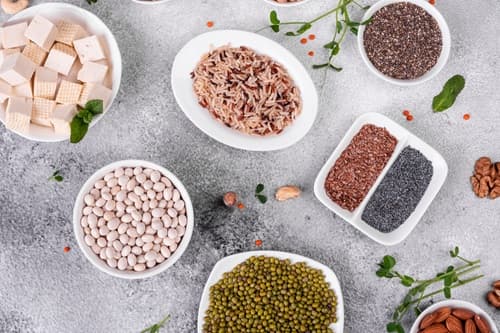
One of the most persistent myths in nutrition is that you simply cannot get enough protein without eating meat or dairy. The reality is far more encouraging — plant based protein sources can fully and sustainably meet your daily requirements, including the needs of athletes, bodybuilders, and highly active individuals. What matters is understanding which foods to prioritise, how to combine them intelligently, and how to make plant-based eating practical on a daily basis. Vegan protein comes in a wide range of forms, each with a distinct nutritional profile, amino acid composition, and culinary application. From protein-dense legumes and fermented soy products to seeds, whole grains, and vegetables high in protein, a thoughtfully planned plant-based diet can deliver everything the body requires for energy, recovery, and long-term health. This guide covers the top sources, how they compare gram for gram, which ones are complete proteins, and practical strategies for building your intake without overcomplicating your meals every single day.
Why Plant-Based Protein Is More Effective Than Most People Think
Plant protein has historically been dismissed as inferior because most individual plant foods are missing one or more essential amino acids, technically making them incomplete proteins. But this thinking is outdated and does not reflect how people actually eat. When you consume a variety of plant foods across the day — legumes, grains, seeds, and vegetables — you naturally cover all nine essential amino acids without any deliberate effort or complicated food combining. The body pools amino acids from everything you eat throughout the day, not just from a single meal, which is why variety matters more than perfection at any one sitting.
Research shows that people on well-structured plant-based diets have no greater risk of protein deficiency than those eating omnivore diets. In fact, the anti-inflammatory, fiber-rich nature of plant foods supports better gut health and nutrient absorption over time. A healthier digestive environment means the protein you do consume is processed and utilised more efficiently. This is a meaningful advantage that gets overlooked when protein discussions focus solely on raw gram counts rather than what the body actually absorbs and uses.
Best Plant-Based Protein Sources by Category
Legumes
Lentils, chickpeas, black beans, kidney beans, and pinto beans are the cornerstone of any high-protein vegan diet. Cooked lentils provide around 18 grams of protein per cup alongside significant amounts of iron, folate, and dietary fiber. Chickpeas are extremely versatile — they work in salads, curries, soups, and roasted as a crunchy snack. Black beans and kidney beans deliver 14-15 grams of protein per cooked cup and pair naturally with grains to create nutritionally complete meals. Legumes are among the most affordable foods available, making them accessible for any budget. The combination of high protein, high fiber, and low cost makes legumes the single most practical entry point for anyone increasing their vegan protein intake systematically.
Soy-Based Foods
Tofu, tempeh, and edamame stand apart from most other plant based protein sources because they are complete proteins — they contain all nine essential amino acids in meaningful quantities. Tempeh is particularly impressive at around 19 grams of protein per 100 grams, and its fermentation process makes it significantly easier to digest than raw soy while also providing beneficial probiotics. Tofu is more neutral in flavour and takes on marinades, spices, and sauces extremely well, making it adaptable to virtually any cuisine. Edamame — young green soybeans — works as a snack, salad addition, or side dish providing around 11 grams of protein per 100 grams. For people new to plant-based eating, soy-based foods are often the easiest bridge between animal protein habits and plant-based ones.
Seeds, Nuts, and Whole Grains
Hemp seeds are the standout option in this category — they are a complete protein containing all essential amino acids, with approximately 31 grams of protein per 100 grams in dry form. They have a mild, slightly nutty flavour that blends easily into smoothies, oatmeal, yogurt, or salads without altering the dish noticeably. Chia seeds offer around 17 grams per 100 grams and expand in liquid to create a filling gel that works well in puddings and overnight oats. Pumpkin seeds provide roughly 19 grams per 100 grams and make a convenient snack or salad topper. Quinoa, technically a seed used as a grain, is one of the only plant foods that is a complete protein and can serve as a versatile, protein-enriched base for any meal.
High Protein Vegetables
Vegetables high in protein are consistently underestimated as a protein contribution. Green peas provide 8-9 grams of protein per cooked cup — more than a tablespoon of peanut butter. Edamame delivers 11 grams per 100 grams. Spinach, broccoli, Brussels sprouts, sweet corn, and artichokes all add meaningful amounts when consumed in reasonable portions throughout the day. While no individual high protein vegetable replaces legumes or soy gram-for-gram, including them at every meal as supporting protein contributors adds up to a significant daily total. They also bring vitamins, minerals, antioxidants, and phytocompounds that support immune function, hormone balance, and recovery in ways that isolated protein supplements cannot replicate.
Protein Comparison Table: Top Vegan Sources
Can You Build Muscle on Vegan Protein?
Absolutely — and this is no longer a genuinely contested question in sports nutrition. The key variables for muscle building are total daily protein intake and training consistency, not the biological origin of the protein. Active individuals aiming to build muscle should target 1.6 to 2.2 grams of protein per kilogram of body weight per day. Plant-based athletes across strength sports, bodybuilding, powerlifting, and endurance disciplines regularly achieve strong performance and physique results on fully vegan diets. The biggest risk when transitioning from omnivore to plant-based eating is not protein quality but protein volume — people often undereat protein in the first few weeks of the transition before adjusting. Tracking intake briefly during this period quickly identifies the gaps and helps build meal habits that consistently hit targets.
Leucine is the amino acid most directly responsible for triggering muscle protein synthesis, and it is present in adequate amounts in soy foods, lentils, and hemp seeds. Ensuring these foods feature prominently in post-workout meals maximises the anabolic window just as effectively as animal-based post-workout nutrition.
Supporting Digestion and Nutrient Absorption on a Plant-Based Diet
Shifting to a higher volume of fiber-rich plant foods places considerably more demand on the digestive system than most people anticipate. Bloating, gas, and digestive discomfort in the early stages of a plant-based transition are common and typically temporary — but they can be minimised with the right support. Cooking legumes thoroughly, soaking them overnight, and introducing them gradually all reduce fermentable compounds that cause gas. Supporting gut health alongside your protein intake matters because a well-functioning gut absorbs amino acids from plant proteins more completely. Some people incorporate liver balance products into their wellness routine to support the body's ability to process and filter efficiently when dietary composition shifts significantly. Similarly, apple cider vinegar gummies are widely used to support stomach acid balance and digestive enzyme activity, which helps the body break down plant proteins more completely and reduces the bloating that commonly accompanies large legume consumption.
Frequently Asked Questions
What are the best vegan protein sources?
The best vegan protein sources include tempeh, lentils, tofu, edamame, chickpeas, hemp seeds, and quinoa. These foods are high in protein, widely available, and nutritionally dense across multiple vitamins and minerals. Building each main meal around at least one of these consistently is the most practical way to meet daily protein targets without relying on supplements or complicated meal planning.
Can you get enough protein from a plant-based diet?
Yes — fully and sustainably, for people at all activity levels. A varied plant-based diet that includes legumes, soy-based foods, seeds, and protein-rich grains can meet the protein needs of sedentary individuals and competitive athletes alike. The key is dietary variety and adequate total calorie intake. Protein deficiency on a well-planned plant-based diet is rare and typically only occurs when total food intake is insufficient rather than because of any inherent limitation in plant proteins.
Which vegetables are high in protein?
The top vegetables high in protein include green peas at 8-9 grams per cooked cup, edamame at 11 grams per 100 grams, spinach, broccoli, Brussels sprouts, sweet corn, and artichokes. While they do not replace legumes or soy foods gram-for-gram, consistently including these vegetables at every meal adds meaningful protein alongside a wide range of essential micronutrients and dietary fiber that supports long-term health.
Is plant-based protein healthy?
Plant-based protein is not just healthy — it comes packaged with fiber, antioxidants, and anti-inflammatory compounds that are largely absent in animal-based protein sources. Research consistently links higher plant protein intake with lower rates of cardiovascular disease, better metabolic health, reduced systemic inflammation, and lower all-cause mortality over the long term. The health advantages of plant protein extend well beyond the protein content itself.
What is the highest protein vegan food?
Seitan, made from wheat gluten, is the highest protein vegan food at around 25 grams per 100 grams. Among more commonly consumed foods, hemp seeds at 31 grams per 100 grams dry weight lead the list, followed by tempeh at 19 grams, edamame at 11 grams, and lentils at approximately 9 grams per 100 grams cooked. Hemp seeds are particularly notable because they are also a complete protein and require no cooking to incorporate into meals.
Are vegan protein sources good for muscle building?
Yes, provided total daily protein intake is consistently adequate. Tempeh, tofu, lentils, hemp seeds, and quinoa all provide the essential amino acids required to support muscle protein synthesis effectively. Research on plant-based athletes shows no significant difference in hypertrophy outcomes compared to omnivores when total protein and overall calorie intake are matched. Training consistency and total protein volume are the primary determinants of muscle growth, regardless of protein source.
How can beginners add more vegan protein to their diet?
Start with one practical swap per day — replace a meat-centred meal with a legume-based one. Add hemp or chia seeds to morning oatmeal or a smoothie. Use hummus as a snack spread instead of butter. Swap regular pasta for chickpea or lentil-based pasta. Include edamame or peas at lunch and dinner as a protein-boosting side. These small, consistent changes accumulate into a significantly higher daily protein intake without requiring a complete dietary overhaul or any particularly specialist ingredients.
Key Takeaways
• Legumes like lentils, chickpeas, and black beans are the most affordable and accessible vegan protein sources available to most people.
• Soy-based foods — tempeh, tofu, and edamame — are among the few complete plant proteins and are ideal for muscle support and post-workout nutrition.
• Hemp seeds, chia seeds, and quinoa are complete plant proteins that integrate easily into meals without significantly changing flavour or texture.
• Vegetables high in protein like green peas, spinach, broccoli, and Brussels sprouts contribute meaningful daily protein when eaten at every meal.
• Eating a variety of plant foods throughout the day naturally covers all essential amino acids without deliberate food combining at each meal.
• Total protein volume and training consistency — not protein source — determine muscle-building outcomes on a plant-based diet.
• Supporting gut health and digestive function improves plant protein absorption and reduces the bloating common during a plant-based dietary transition.
Share this article: