
Upper Left Back Pain: Causes, Symptoms, and Treatment Options
2026-06-26 • 4 min
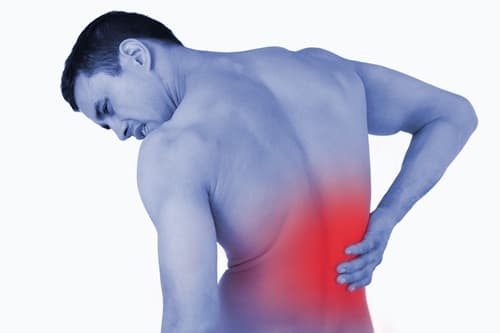
Do you feel an unusual ache or pain under your left shoulder blade? You’re not alone. Left upper back pain is a common concern that many people experience at some point in life. It may feel mild and occasional, or it may become severe enough to affect everyday activities such as sitting, lifting, sleeping, or working. In this blog, we’ll explain the common causes of left upper back pain, the symptoms you should not ignore, available treatment options, and when it is time to consult a doctor.
What is Upper Left Back Pain?
The upper back is between the base of the neck and the middle of the rib cage. Upper left side back pain is mostly felt on the left side of the upper back. This pain can present as dull, throbbing, sharp, or even burning. Sometimes left upper back pain may be accompanied by muscle stiffness.
Common Causes of Upper Left Back Pain
Many factors cause left upper back pain, from minor issues to medical ones. Here are some of the most common reasons:
1. Muscle Strain or Overuse: The most common cause, this comes from activities like lifting, twisting, or sleeping in a bad position. Even long hours at a computer can stress your muscles, leading to left upper back pain.
2. Poor Posture: Slouching or hunching over your laptop can put a lot of strain on your upper left back muscles, leading to chronic pain. This is very common in students and office workers.
3. Herniated Disc: When a disc in the upper left of your spine bulges, it can compress a nerve and cause left upper back pain. Numbness and tingling may also be present in your left arm.
4. Myofascial Pain Syndrome: Trigger points form within your muscles, and these are very painful to the touch and will also cause referred pain to the upper left back and shoulder blade.
5. Arthritis: Osteoarthritis or ankylosing spondylitis in your spine can lead to joint pain in the upper left back, especially in the morning.
6. Kidney Issues: Kidney stones or an infection can refer pain to your upper left back. Other signs will include fever or burning while urinating.
7. Shingles: The shingles virus can stay inactive in the body after childhood chickenpox. Later in life, it may become active again and cause pain on one side of the body. Before a rash appears, shingles can cause stinging, burning, or shooting pain in the upper left back.
8. Heart or Lung Issues: This is very rare, but important. If you have heart or lung problems, the pain may radiate to your upper left back.
Symptoms of Upper Left Back Pain
The ache in the upper left part of your back usually doesn't happen in isolation. Pay attention to these accompanying symptoms, which will assist physicians in diagnosis:
1. Sharp or Stabbing Pain: The pain is sudden, severe, and located on the upper left part of the back, particularly when breathing deeply or moving around. It may be only a bit uncomfortable, or it could be very painful.
2. Muscle Tightness and Stiffness: Upper back muscles can feel tight or stiff, making it hard to turn the head, shoulders, or upper body comfortably.
3. Aching or Burning Sensation: Some people experience a mild pain or a burning sensation that gets worse during the day and may increase when exercising.
4. Pain Radiating to the Shoulder or Arm: Depending on the cause of the pain, it may radiate from the upper left back to the left shoulder, neck, or arm.
5. Limited Range of Motion: When you reach the point where you can’t tolerate the pain any further, it feels impossible to do anything “normal” like twisting around, bending over, or picking anything up off the floor.
Treatment Options for Upper Left Back Pain
The right treatment depends on the cause. For most muscle-related upper left back pain, home care works very well. For serious causes, you need a doctor.
Home Treatments (For Mild to Moderate Pain)
These steps are safe for most people. Try them for a few days.
1. Rest but Do Not Stay Still
Take a break from heavy lifting or sports. But do not lie in bed all day. Gentle walking keeps blood flowing and helps healing.
2. Heat or Ice Therapy
Ice pack – For the first 48-72 hours when pain is from trauma, wrap ice in a clean towel and apply for 15 minutes every 2-3 hrs. This minimizes swelling.
Heating pad - Use the hot pack after 48 hours to relax tense muscles. Apply a heating pad for at least 20 minutes.
3. Improve Your Posture
Use a chair that will support your back well. Position your monitor so the screen is at eye level. Set a reminder every hour to check and adjust your sitting posture.
4. Massage
Lightly massage the sore area. Or use a foam roller on the upper back (not directly on the spine). This can help release muscle pain.
5. Topical Creams
Menthol or cayenne pepper cream is an effective temporary remedy. They provide either a cooling or warming sensation and take attention off pain.
When to See a Doctor
The good news is that in most of the cases, upper left back pain resolves on its own in about 7 days, so no doctor visit is required in many cases. However, you’ll definitely want to get some medical advice if you recognize any of these indications.
See a doctor if you are :
The pain has persisted for more than two weeks, even after home remedies have been implemented.
Your condition has worsened and is not improving.
You have a problem with walking or balance.
Pain that disrupts your sleep at night.
It begins after a traumatic injury, such as a fall or an accident.
Frequently Asked Questions (FAQ)
Q1: What are the most common causes of upper left back pain?
A: Common causes include muscle strain due to overuse or injury, poor posture, and slipped discs. Less common causes include arthritis, myofascial pain syndrome, and conditions involving the kidneys. Sometimes it may also be caused by shingles, heart, or lung problems.
Q2: Can poor posture lead to pain in the upper left back?
A: Yes, absolutely. Poor posture is a leading cause of pain in the upper left back. When you slouch or hunch over a phone or computer, the muscles on your upper left side become stretched and overworked. Over weeks and months, this creates chronic pain and stiffness. Fixing your posture often removes the pain completely.
Q3: When should upper left side back pain be considered a medical emergency?
A: This situation must be considered an emergency if the upper left side back pain occurs suddenly and becomes severe, particularly if there is chest pain, difficulty breathing, one-sided weakness, tearing pain, or urinary incontinence. Do not hesitate to contact emergency services.
Q4: Can upper left back pain be related to heart or lung problems?
A: Yes, it can. A heart attack sometimes causes referred pain to the upper left back or left shoulder. Lung problems like pneumonia, pleurisy (inflammation of the lung lining), or a pulmonary embolism (blood clot) can also cause upper back pain on the left side. That is why you should never ignore sudden or unexplained back pain, especially if you have risk factors for heart or lung disease.
Q5: What are the symptoms that may accompany left upper back pain?
A: Accompanying symptoms may include muscle tightness, stiffness, tingling or numbness in the left arm, weakness, fever, shortness of breath, or pain that worsens with movement. The specific symptoms help doctors find the cause. For example, tingling suggests a nerve problem, while fever suggests an infection.
Q6: How can upper left back pain be treated at home?
A: You can treat most upper left back pain at home with rest, ice or heat therapy, gentle stretching, and over-the-counter pain relievers like ibuprofen. Improving your posture and using a heating pad on tight muscles also helps. If the pain does not improve after 2 weeks of home care, see a doctor.
Q7: When should I see a doctor for persistent upper left back pain?
A: See a doctor if your upper left back pain lasts more than 2 weeks, gets worse over time, or comes with numbness, weakness, fever, or unexplained weight loss. Also see a doctor if the pain follows a fall or accident, or if it wakes you from sleep. Do not delay if you have any red flags.
Share this article: