
Top 5 Mistakes People Make After Knee Replacement – And How To Avoid Them
2025-12-09 • 4 min
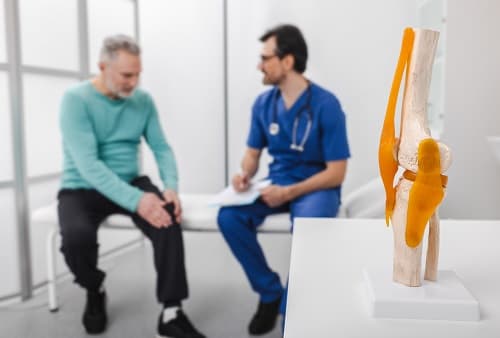
If you’re planning a knee replacement or you’ve just had one, you’re probably juggling a lot of questions:
· Which knee replacement exercises to avoid?
· Is this post knee replacement swelling normal or dangerous?
· Why is my knee still stiff even after surgery?
Here’s the thing: the surgery is only half the story. The other half is what you do in the weeks and months after.
This guide walks you through the top 5 mistakes people make after knee replacement and how to avoid them, so you actually get the pain relief, mobility, and confidence you went in for.
Quick note: This is general education, not a substitute for medical advice. Always follow your surgeon/physiotherapist’s specific plan.
Mistake 1: Skipping or “Under-Doing” Physiotherapy
A lot of people think, “The joint is replaced, so I’ll heal anyway.”
What actually happens: they end up with a stiff, painful knee that never quite feels “normal.”
What this mistake looks like
· Missing physio appointments because of pain, laziness, or travel.
· Doing the exercises only on physio days but not at home.
· Stopping exercises as soon as you feel “okay” instead of when your knee is truly strong and flexible.
Why it’s a problem
After a total knee replacement, your knee needs guided movement to:
· Regain range of motion (bending and straightening fully).
· Prevent scar tissue from tightening around the joint.
· Build the muscles that support your new knee so it doesn’t feel wobbly or weak.
If you don’t move enough, stiffness sets in. Once stiffness + scar tissue become established, it’s much harder to reverse.
How to do it right
· Commit to physio like a job.
For the first 6–12 weeks, your rehab sessions are as important as the surgery itself.
· Do your home program daily.
Even simple exercises like heel slides, quad sets, straight-leg raises, and gentle knee bends matter a lot, especially early on.
· Measure progress.
Track:
o How much you can bend (flexion).
o How straight you can make the knee (extension).
o How far you can walk, and how long you can stand without pain.
If you feel your knee is getting stiffer instead of freer, that’s a red flag. Talk to your physio or surgeon early – not weeks later.
Mistake 2: Doing the Wrong Exercises (Ignoring “Knee Replacement Exercises to Avoid”)
On the other side, some people are extremely motivated – but they do too much, too soon, or the wrong type of exercise.
They Google workouts, follow random videos, or jump straight back into their old routine.
Common knee replacement exercises to avoid (especially in early recovery)
Always confirm with your doctor/physio, but in general, experts advise avoiding high-impact or high-twist activities after knee replacement, especially in the first months:
· High-impact cardio
o Running, sprinting, jogging on hard surfaces.
o Jumping jacks, plyometric jumps, box jumps.
· Deep, loaded knee bends
o Deep squats with heavy weights.
o Lunges with poor form or too much load.
o Full kneeling on hard floors early on.
· Twisting / pivoting sports
o Football, basketball, tennis, squash.
o Any sport where you frequently cut, twist, jump and land.
· High-risk gym moves
o Heavy leg presses with deep bend.
o Heavy hack squats.
o High-resistance stair climbers early on.
These movements increase the load and shear forces on your artificial joint and surrounding soft tissues. Over time, they can:
· Speed up wear and tear of the implant.
· Cause loosening or pain.
· Trigger swelling and inflammation.
What to do instead
Ask your physio for a list of safe alternatives, such as:
· Walking (building distance slowly).
· Stationary cycling with controlled resistance.
· Swimming or walking in water (once wound is healed and doctor says yes).
· Low-impact strength work: mini-squats, step-ups, resistance-band work within pain-free limit.
The goal is not “no exercise,” but smart exercise.
Mistake 3: Ignoring “Post Knee Replacement Swelling” and Warning Signs
Some swelling is normal after surgery. That part is expected: your body is healing from a major operation. But many people either:
· Panic at every bit of swelling, or
· Ignore worsening swelling that could signal trouble.
What normal post-surgery swelling looks like
Commonly:
· Mild to moderate swelling around the knee.
· Swelling that increases after activity and improves with rest, elevation, and icing.
· Gradual improvement over weeks and months (though some puffiness can last several months).
This is often just part of normal healing.
When post knee replacement swelling is a red flag
Get urgent medical attention if swelling comes with any of these:
· Redness and warmth spreading up or down the leg
· Sharp increase in pain
· Fever or chills
· Shortness of breath, chest pain, or sudden calf pain (could signal a clot)
· Swelling that is suddenly much worse than before or doesn’t respond at all to rest/elevation
These can indicate serious complications like infection or blood clots, which need fast treatment.
How to manage normal swelling safely
Always follow your team’s protocol, but general strategies often include:
· RICE principles
o Rest: Take breaks between activities.
o Ice: As advised (often 15–20 minutes, several times a day, with a cloth barrier).
o Compression: Stockings or wraps if recommended.
o Elevation: Raise the leg so the knee is above heart level when resting.
· Balanced movement
o Completely avoiding movement can make swelling worse.
o Gentle walking and exercises help pump fluid out of the joint.
· Track your swelling
o Note: “Morning vs night,” and “before vs after exercise.”
o If it’s progressively better over weeks, you’re likely on track.
o If it’s getting worse, discuss it with your doctor.
Mistake 4: Underestimating Lifestyle Changes (Thinking Surgery Alone Will Fix Everything)
Surgeons often say: “We can replace the joint, but we can’t replace your habits.”
Some people walk out of surgery thinking their knee problems are solved forever, and then:
· Gain more weight.
· Stay sedentary.
· Ignore strengthening and balance training.
· Resume unhealthy routines (smoking, poor sleep, poor nutrition).
Why this is a big mistake
Evidence shows that long-term success after knee replacement depends a lot on:
· Body weight – extra kilos add stress to the joint.
· Muscle strength and balance – weak hips, thighs, and core can overload your knee.
· Overall health – diabetes, smoking, and poor nutrition slow healing.
If you keep the same habits that damaged your joint in the first place, your new joint also suffers.
Smarter approach
· Weight management
o Even a modest weight loss can significantly reduce joint load.
· Long-term strength
o Continue low-impact exercises even after “formal” physio ends.
o Focus on thighs, hips, calf, and core.
· General health
o Prioritize protein, hydration, and micronutrients.
o Sleep enough; healing happens when you rest.
o Control blood sugar, blood pressure, and other chronic conditions with your doctor’s help.
Think of your knee replacement as a reset button, not a magic wand.
Mistake 5: Not Adapting Daily Activities and Home Setup
A lot of injuries, setbacks, and “mystery pain spikes” after knee replacement happen in everyday life, not in the gym.
Risky everyday habits
· Low chairs, sofas, and car seats
o Make it hard to stand up without straining or twisting the knee.
· Sitting cross-legged or squatting too early
o Common concern in many cultures, but this often puts high stress on the knee joint.
· Slippery bathrooms
o Wet tiles + weak leg + pain meds = fall risk.
· Climbing stairs incorrectly
o Not using the railing.
o Going too fast or carrying heavy loads.
· Ignoring walking aids
o Many people ditch the walker or cane too soon to “look normal.”
All of this increases risk of falls, pain flare-ups, and even damage to the implant.
How to fix this
· Chair and toilet height
o Use higher chairs initially.
o Consider a raised toilet seat or support handles in the bathroom.
· Safe stair technique
o In early days: “Up with the good leg, down with the operated leg” – but only as per your physio’s guidance.
o Always use railings.
· Bathroom safety
o Non-slip mats, grab bars, good lighting.
· Use your walking aid as prescribed
o A cane or walker is not a sign of weakness; it’s a safety tool.
o Your physio will guide when to reduce support.
Taking the time to set up your home correctly before surgery can make recovery smoother and safer.
Common Questions People Ask Online About Knee Replacement Recovery
People on AI and search platforms regularly type variations of these questions. You can turn them into your own checklist:
1. “How long does post knee replacement swelling last?”
o Mild swelling can last weeks to months, though it should gradually improve. Sudden new or severe swelling needs medical review.
2. “What are the top knee replacement exercises to avoid in the first 3 months?”
o Typically: running, jumping, high-impact aerobics, heavy deep squats, and twist-heavy sports. Always confirm with your physio.
3. “Is it normal that my knee is still stiff 3 months after replacement?”
o Some stiffness is common, but if your bend/straightening hasn’t improved for weeks, or is getting worse, you should talk to your surgeon or physio.
4. “When can I sit cross-legged or squat after knee replacement?”
o This varies hugely. Many surgeons are cautious about full squatting or sitting cross-legged because of the load it puts on the joint. Only your surgeon can give a safe, personalized answer.
5. “Why does my knee feel warm months after surgery?”
o Mild warmth can linger as part of healing, but if it’s combined with swelling, redness, fever, or worsening pain, that’s a red flag.
6. “Can I go back to running or high-impact sports?”
o Many guidelines recommend sticking to low-impact activities to protect your implant long-term, even if you feel strong.
Use these questions as prompts in your next appointment. Ask your surgeon or physio directly instead of guessing.
How to Use This Blog in Real Life
If you’re planning a knee replacement:
· Start prehab (pre-surgery strengthening) if your doctor approves.
· Prepare your home: safe bathroom, supportive chairs, clear walking paths.
· Plan your support system: who will help with cooking, stairs, or transport?
If you’ve already had the surgery:
1. Review the 5 mistakes and circle where you see yourself slipping:
o Skipping physio?
o Doing risky exercises?
o Ignoring swelling?
o Neglecting lifestyle changes?
o Not adapting your home and habits?
2. Write down 3 questions for your next follow-up based on this article.
3. Agree on a clear rehab plan with your physio:
o What to do daily.
o What to avoid for now.
o When to progress to the next level.
Final Takeaway
Knee replacement can genuinely transform your life — but only if you respect the recovery process.
Avoid these five big mistakes:
1. Skipping or under-doing physiotherapy
2. Doing the wrong “knee replacement exercises to avoid”
3. Ignoring post knee replacement swelling and other danger signs
4. Expecting surgery alone to fix everything while keeping old habits
5. Not adapting your daily activities and home for safety
Do the basics right, stay in close touch with your medical team, and give your new knee the best chance to serve you well for years.
Share this article: